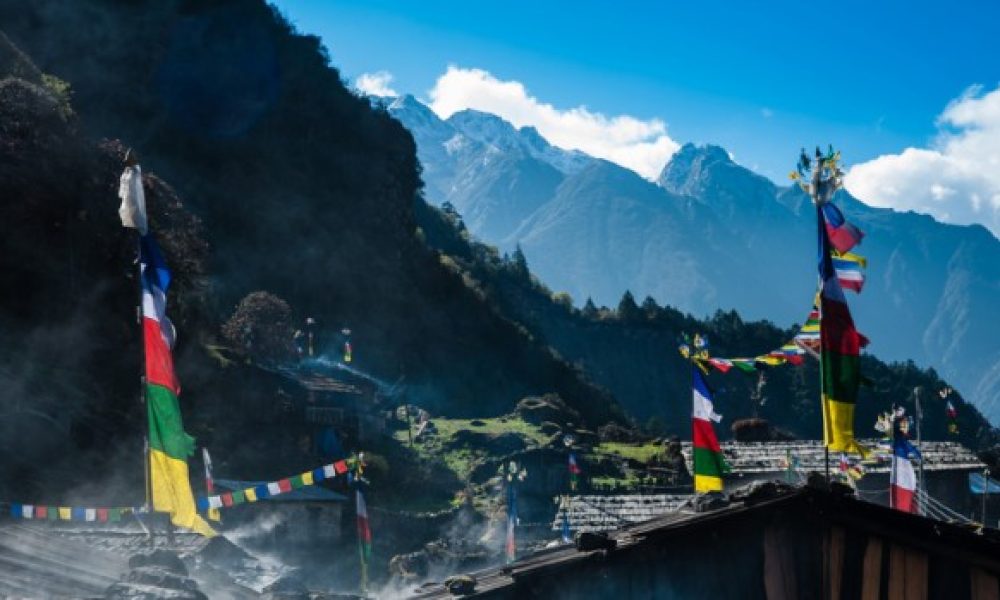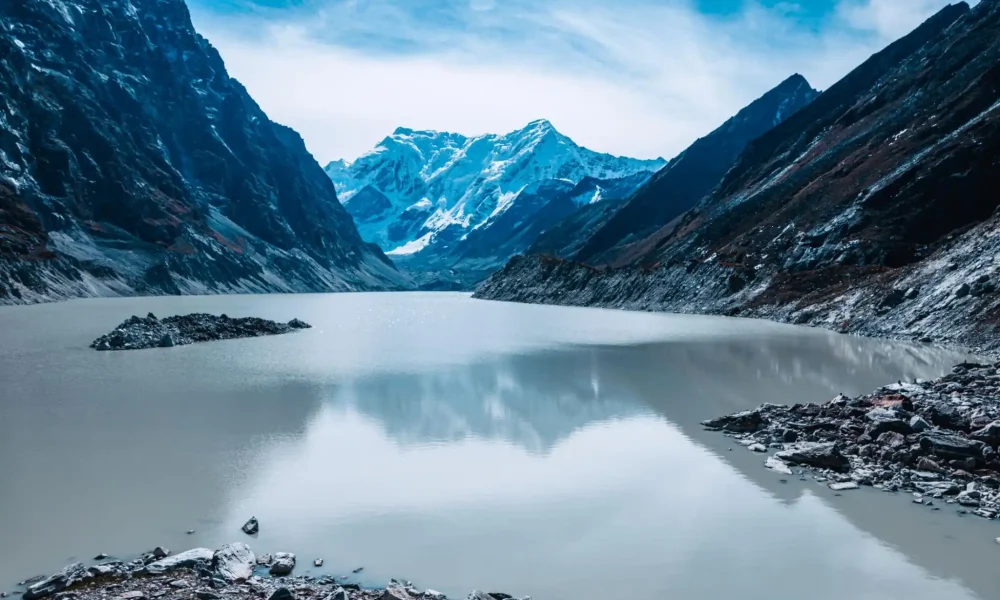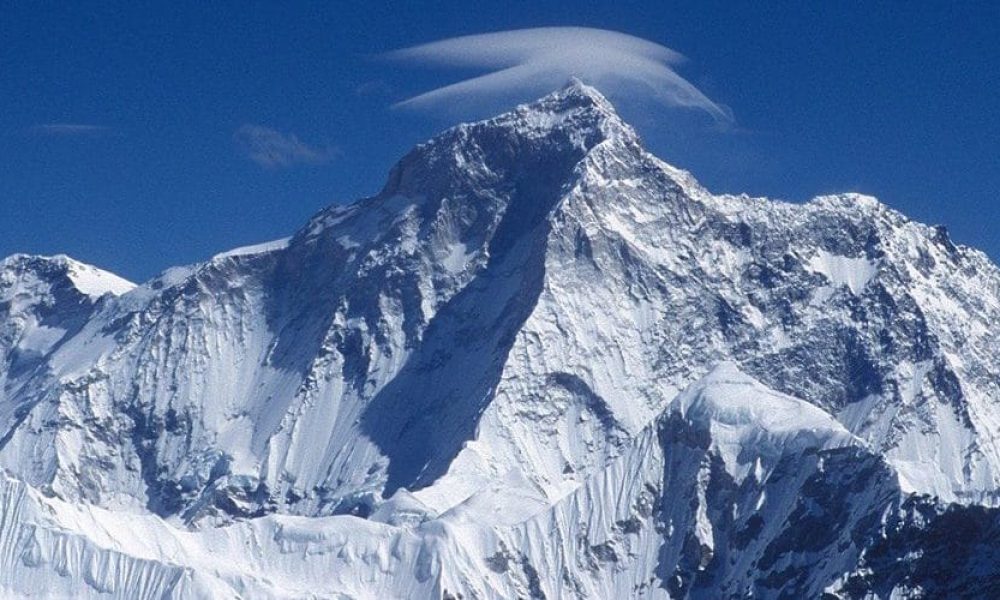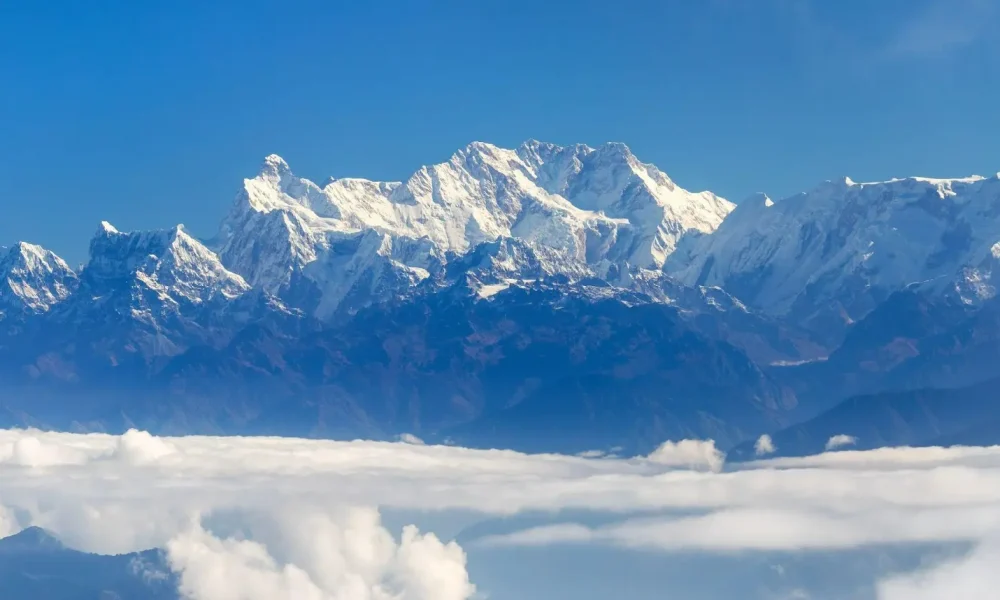
The Eastern Region of Nepal is a stunning and diverse area, home to some of the country’s most iconic landscapes, including the majestic Kanchanjunga and Makalu mountains. This region offers a rich blend of natural beauty, with its towering Himalayan peaks, lush forests, and fertile plains in the Terai. Known for its cultural diversity, the area is inhabited by various ethnic groups, each with its own unique traditions and lifestyle. The Eastern Region is paradise for trekkers and nature lovers. Whether you’re looking to explore the high-altitude trails or experience the vibrant local culture, the Eastern Region of Nepal offers an unforgettable experience.
It covers a large area of approximately 28,456 square kilometers, making it one of the most geographically varied regions in Nepal. The region is part of the modern administrative provinces of Koshi Province and includes some of the country’s highest peaks, dense forests, and important cultural centers.
The Eastern Region features extreme geographical diversity. In the north, it is home to some of the world’s highest mountains, including Mount Everest and Kanchenjunga (8,586 m). The landscape here includes glaciers, steep Himalayan valleys, and alpine terrain.
Moving southward, the terrain gradually changes into mid-hill regions with terraced farms, rivers, and lush forests. Further south lies the Terai plain, a flat and fertile agricultural belt that supports dense human settlement and farming.
Major rivers such as the Koshi, Arun, and Tamor flow through the region, carving deep gorges and providing water for agriculture, hydropower, and ecosystems.
The Eastern Region is one of Nepal’s richest biodiversity zones due to its wide range of altitudes and climates.
The region supports a wide variety of wildlife, including:
Protected areas such as Sagarmatha National Park and Makalu Barun National Park help conserve this rich biodiversity.
The Eastern Region offers some of Nepal’s most famous natural and cultural attractions:
These destinations offer dramatic mountain scenery, rich biodiversity, and peaceful rural landscapes.
The Eastern Region is home to a wide range of ethnic groups, including Sherpa, Rai, Limbu, Tamang, Gurung, Brahmin, Chhetri, and Tharu communities. Each group has its own language, traditions, clothing, and cultural practices.
In the Himalayan areas, Sherpa culture is deeply connected with Tibetan Buddhism, while in the hills, Rai and Limbu communities follow a mix of animist traditions and Hindu influences. The Terai region is culturally diverse, with Hindu and indigenous Tharu communities.
Festivals such as Sakela (Rai), Chasok Tangnam (Limbu), Lhosar (Sherpa and Tamang), and Dashain and Tihar are widely celebrated, reflecting the region’s cultural diversity.
The Eastern Region of Nepal is a land of contrasts, ranging from the world’s highest mountains to fertile plains. With its rich biodiversity, iconic Himalayan peaks, diverse ethnic cultures, and famous trekking routes, it is one of the most important and attractive regions in Nepal for both tourism and cultural exploration.
The Eastern Region of Nepal lies in the easternmost part of the country, bordering India and Tibet. It is home to some of the highest mountains in the world, including the region surrounding Mount Everest and Kanchenjunga, as well as diverse landscapes ranging from subtropical lowlands to high Himalayan peaks.
The Eastern Region is known for its dramatic mountain scenery, rich cultural diversity, remote trekking routes, and iconic Himalayan views. It offers a mix of popular trekking destinations and untouched wilderness areas, making it suitable for both first-time visitors and experienced adventurers.
The best seasons are spring (March–May) and autumn (September–November), when the weather is stable, skies are clear, and mountain views are at their best.
It is possible, but conditions can be more challenging. Winter brings colder temperatures at higher altitudes, while monsoon season may cause heavy rainfall and reduced visibility in some areas.
Some of the most popular trekking areas include the Everest region, Kanchenjunga region, Makalu region, and Arun Valley. These routes offer stunning mountain views, traditional villages, glaciers, and high-altitude passes.
Yes, certain treks in the Eastern Region, such as shorter Everest viewpoints or lower-altitude routes, are suitable for beginners. However, some areas like Kanchenjunga and Makalu are remote and more challenging, requiring prior trekking experience.
Access usually involves domestic flights to mountain airstrips or overland travel followed by trekking. Certain remote areas may require multiple transportation stages.
Some areas in the Eastern Region, especially remote and conservation areas, require special permits and national park entry fees, which are typically arranged by trekking operators.
The Eastern Region is ideal for trekkers, mountaineers, nature lovers, and cultural explorers seeking both iconic Himalayan experiences and remote wilderness adventures.

Explore Nepal Trails is your trusted partner for trekking, peak climbing, and mountaineering adventures in Nepal. From classic Himalayan treks to high-altitude expeditions and cultural journeys, we deliver safe, well-planned, and unforgettable travel experiences.
We Accept

Join our community of over 200,000 global readers who receive emails filled with news, promotions, and other good stuff.

WhatsApp us