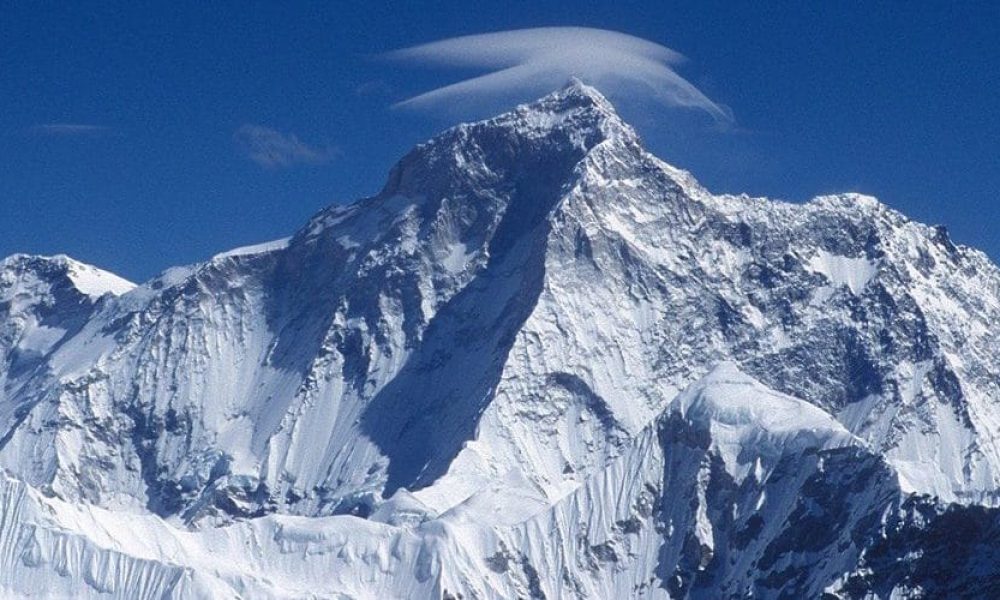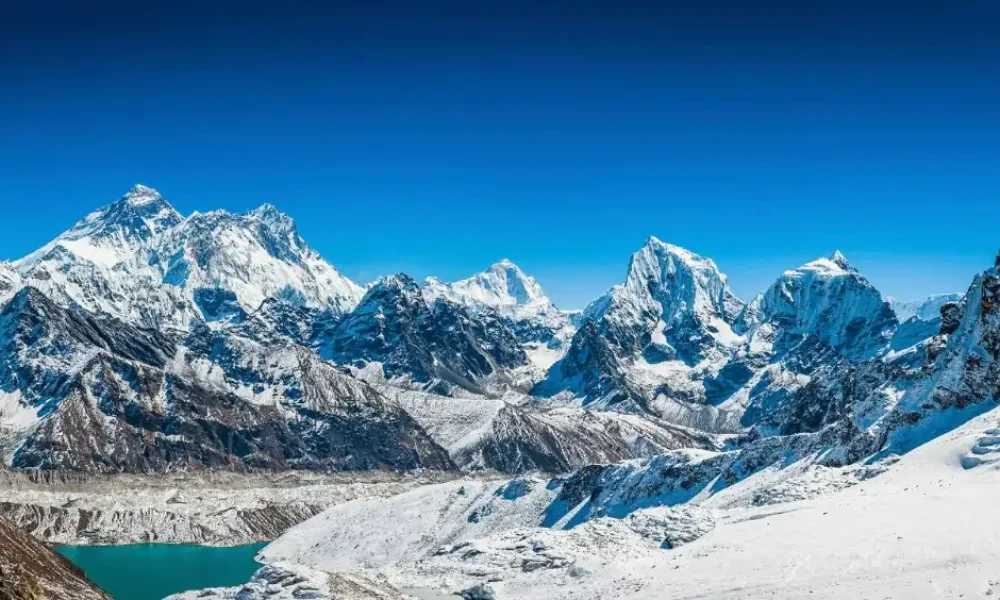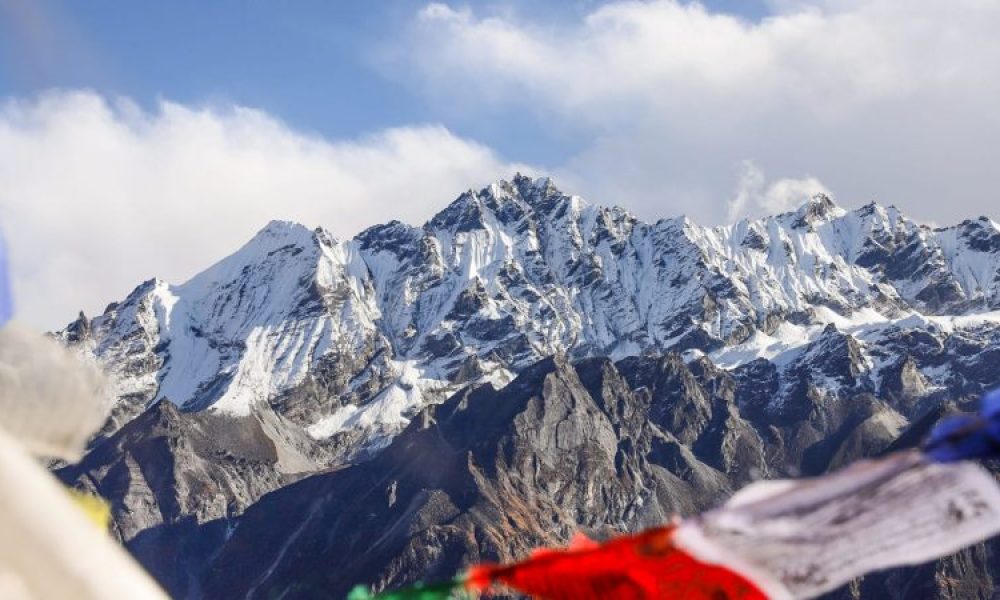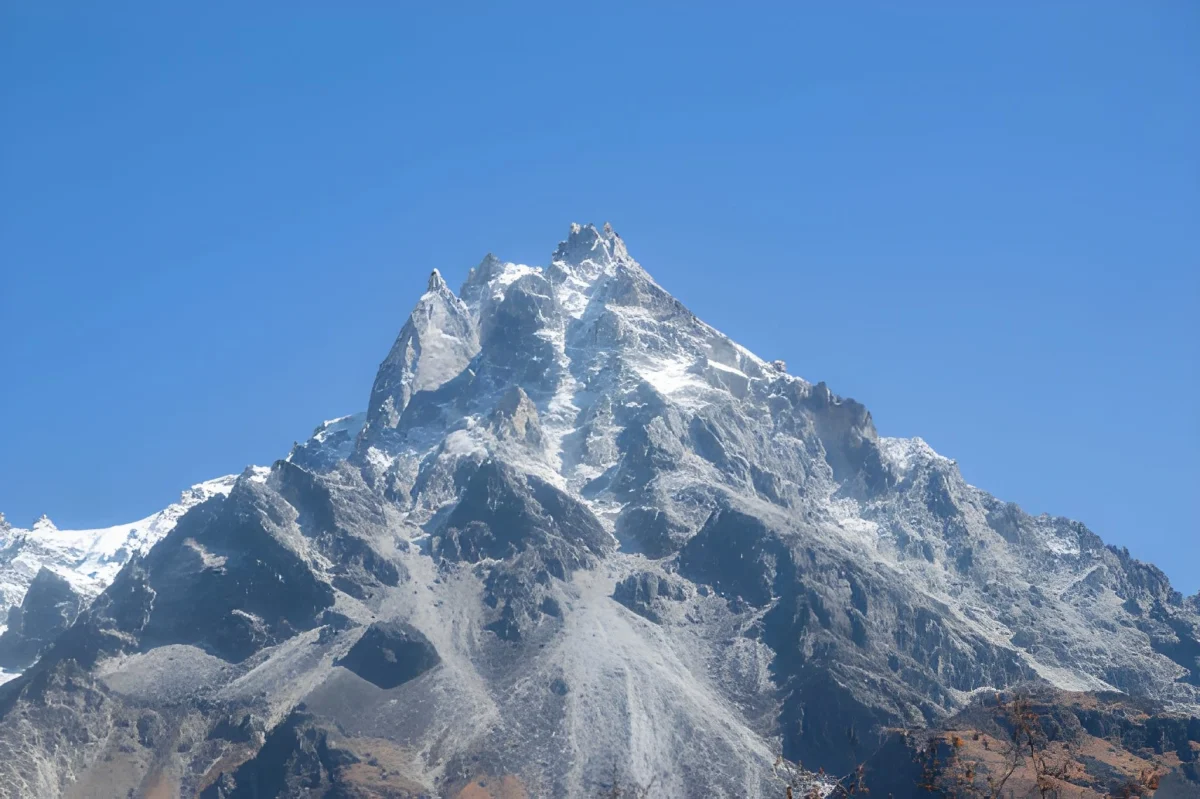
The Mera Peak Climbing adventure stands as one of Nepal’s most rewarding expeditions for those dreaming of summiting a Himalayan giant without the extreme technical difficulty of higher peaks. Rising to 6,476 m (21,247 ft), Mera Peak is the highest trekking peak in Nepal and offers jaw-dropping views of Everest, Lhotse, Cho Oyu, Makalu, and Kanchenjunga five of the world’s tallest summits.
Situated in the remote Khumbu region, this expedition is a perfect introduction to Himalayan mountaineering. The route combines high-altitude trekking, basic ice-climbing, and cultural immersion in Sherpa villages making it a complete Himalayan experience.
Arrive in Kathmandu, where our team meets you at the airport and transfers you to your hotel. The day is for rest and recovery after your international flight.
A guided city tour of Kathmandu’s cultural sites is combined with a detailed trek and climb briefing. Final equipment checks and last-minute gear purchases or rentals are completed.
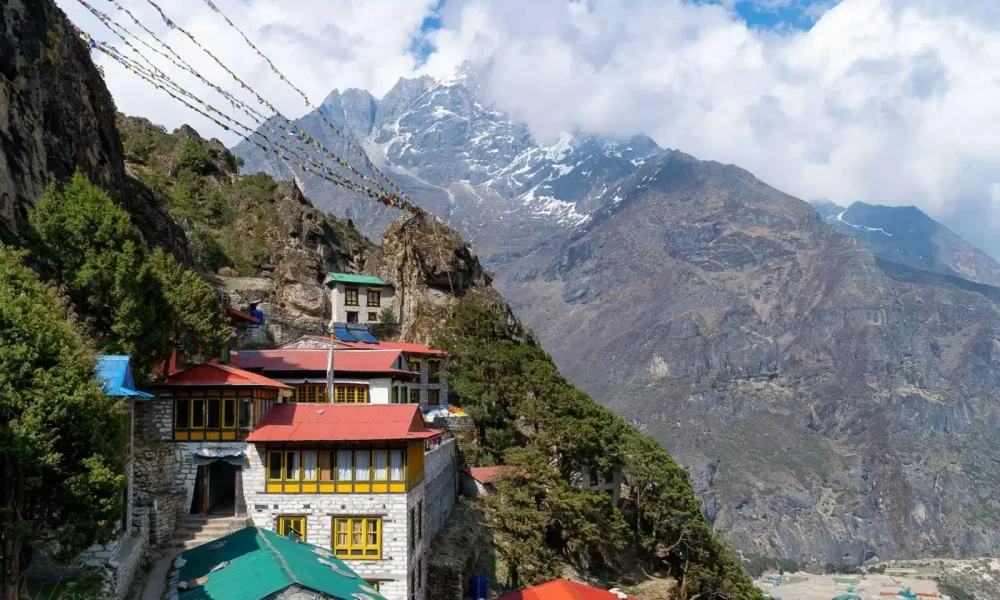
A scenic flight takes you to Lukla, followed by an uphill trek through forests and Sherpa settlements to Chhuthang.
The trail ascends steeply to Zatrawa La Pass, offering panoramic mountain views before descending to Tuli Kharka.
The trek descends through dense rhododendron forests into the Hinku Valley, reaching the riverside settlement of Kothe.
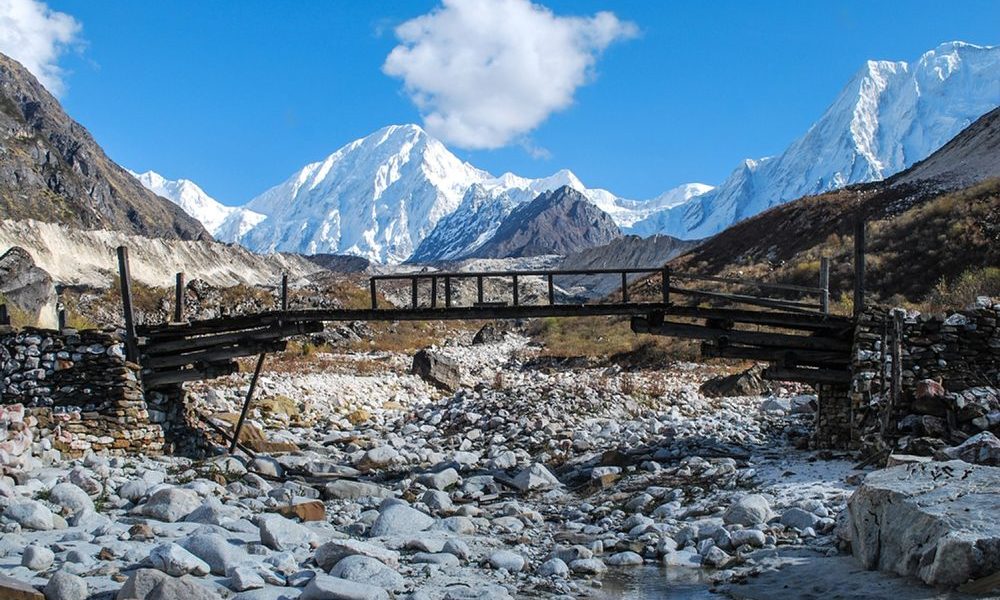
Following the Hinku River, the trail gradually ascends through alpine terrain, with increasing views of surrounding peaks and glaciers.
A short but important acclimatization trek leads to Khare, the main staging point for Mera Peak climbing.
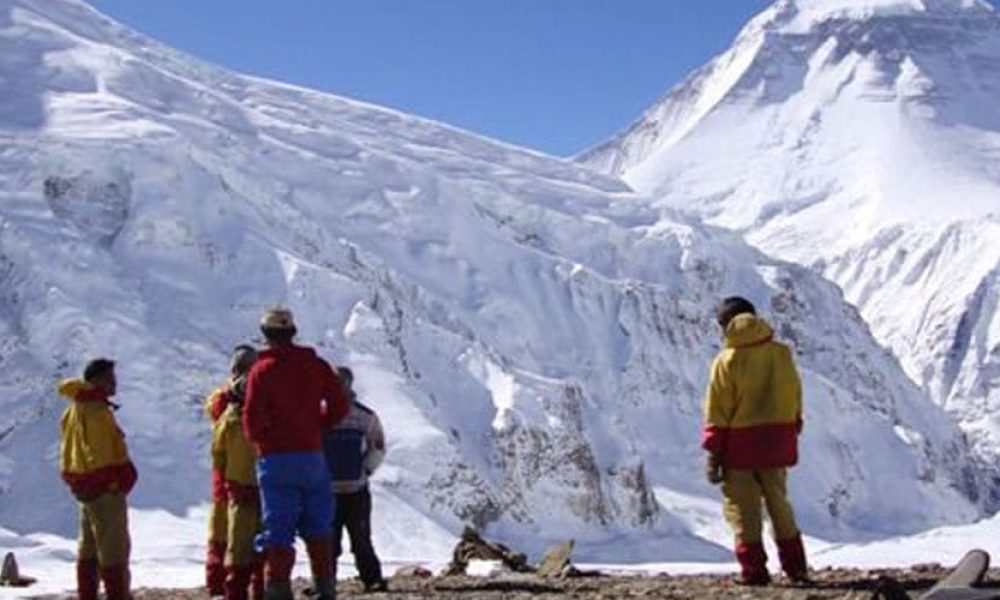
A vital acclimatization day with basic mountaineering training, including the use of crampons, ice axe, harness, and fixed ropes.
Climb steadily over snow and glacier terrain to reach High Camp, perched dramatically below the summit ridge.
A buffer day kept for bad weather or additional acclimatization to increase summit success and safety.
An early-morning summit push leads to the top of Mera Peak, Nepal’s highest trekking peak. Enjoy breathtaking views of Everest, Lhotse, Makalu, Cho Oyu, and Kanchenjunga before descending to Khare.
Descend safely back through the Hinku Valley, enjoying lower altitude comfort.
Climb back toward Tuli Kharka, retracing the scenic forested route.
Cross Zatrawa La once again and descend to Lukla, marking the end of the trekking route.
Morning flight back to Kathmandu. Enjoy a comfortable evening with a hot shower and rest.
Free day for shopping, relaxation, sightseeing, or celebrating your successful climb.
Transfer to the airport for your onward journey, concluding your Mera Peak Climbing adventure.
Domestic flights (Kathmandu ↔ Lukla)
Climbing and trekking permits
Experienced climbing guide, porter support
Accommodation (tea-houses & tented high camps)
All meals during the trek & climb
Group climbing gear (ropes, fixed lines, etc.)
International airfare
Nepal visa fees
Personal climbing equipment (boots, harness, crampons, sleeping bag, etc.)
Travel, medical & rescue insurance (mandatory)
Personal oxygen use (if required)
Summit bonus for climbing Sherpa
Extra hotel nights in Kathmandu
Personal expenses (Wi-Fi, hot showers, charging, laundry)
Alcoholic & soft drinks
Tips for guides and porters
Emergency evacuation costs
The height of Mera Peak is 6,476 m, officially recognized by the Nepal Mountaineering Association (NMA). Despite being a trekking peak, the climb is physically demanding due to the thin air and long ascent days. For climbers aiming to progress toward higher 7,000 m or 8,000 m expeditions, Mera Peak Expedition serves as an ideal first step.
While the Mera Peak Climb does not require advanced mountaineering skills, basic knowledge of ice-axe use, crampon walking, and rope techniques is essential. The summit push involves glacier travel and a final steep section, but fixed ropes and guide assistance make it achievable for most fit trekkers.
Mera Peak Trek is often described as a “trekking climb”, accessible yet thrilling. The main challenges are high altitude, long trekking days, and cold weather. A good fitness base, proper gear, and professional guidance ensure a safe and memorable ascent.
Mera Peak Climbing is a high-altitude mountaineering adventure to Nepal’s highest trekking peak, offering spectacular Himalayan views with relatively non-technical climbing.
Mera Peak lies in the Hinku Valley of eastern Nepal, south of Everest, within the Makalu–Barun region.
The trip typically takes 16–18 days, including acclimatization, climbing, and contingency days.
You need a Mera Peak climbing permit, Makalu Barun National Park Permit, and a TIMS card, arranged through a licensed agency.
Yes, a licensed climbing guide is mandatory for safety and permit regulations.
Accommodation includes teahouses during trekking and camping at High Camp.
Mera Peak is considered moderately challenging, mainly due to altitude rather than technical difficulty.
Yes. Proper acclimatization and a gradual ascent itinerary are essential to reduce risk.
Yes, it is one of the best peaks for fit beginners, especially with basic trekking experience and pre-climb training.
There are no reviews yet. Be the first one to write one.

Explore Nepal Trails is your trusted partner for trekking, peak climbing, and mountaineering adventures in Nepal. From classic Himalayan treks to high-altitude expeditions and cultural journeys, we deliver safe, well-planned, and unforgettable travel experiences.
We Accept

Join our community of over 200,000 global readers who receive emails filled with news, promotions, and other good stuff.

WhatsApp us