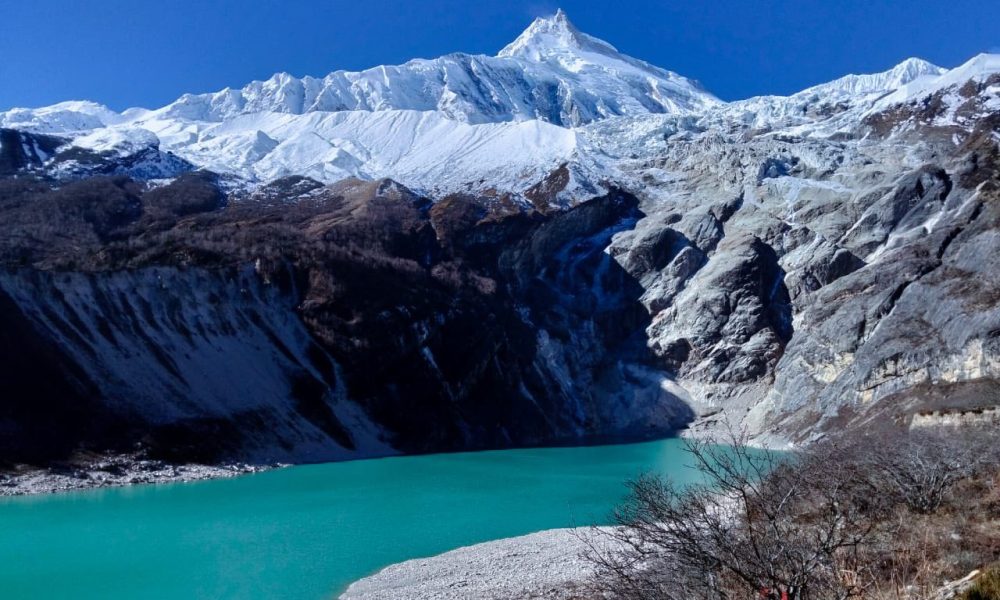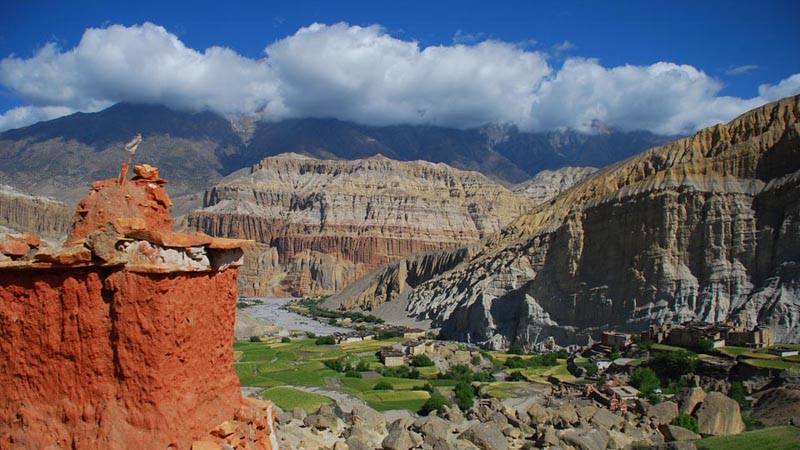
The Upper Mustang Trek region of Nepal is a mythically and naturally significant area. It is under a restricted trekking zone. Earlier, foreigners were not allowed to enter the place. Nepal is a secular federal state as of 28th May 2008. The name of this country used to be the Nepal Kingdom before as it was ruled by the Shah dynasty king. Interestingly, Upper Mustang Trek still practices the monarchial system at least in its area. Therefore, the place is also famously known as the Forbidden Kingdom of Nepal.
Trekkers who visit the region can experience the contrasting diversity of landscape, nature, and culture. Relish the chance to experience the Himalayan desert, caves, and the last village of Nepal bordering China. Upper Mustang Trek can be a splendid walking trip so far in your life as it endows attractions ranging from cultural to natural aspects with the mountain vistas as some added incentives.
Nowadays, people can visit the place only after getting a special permit. Trekkers have to fulfill certain requirements.
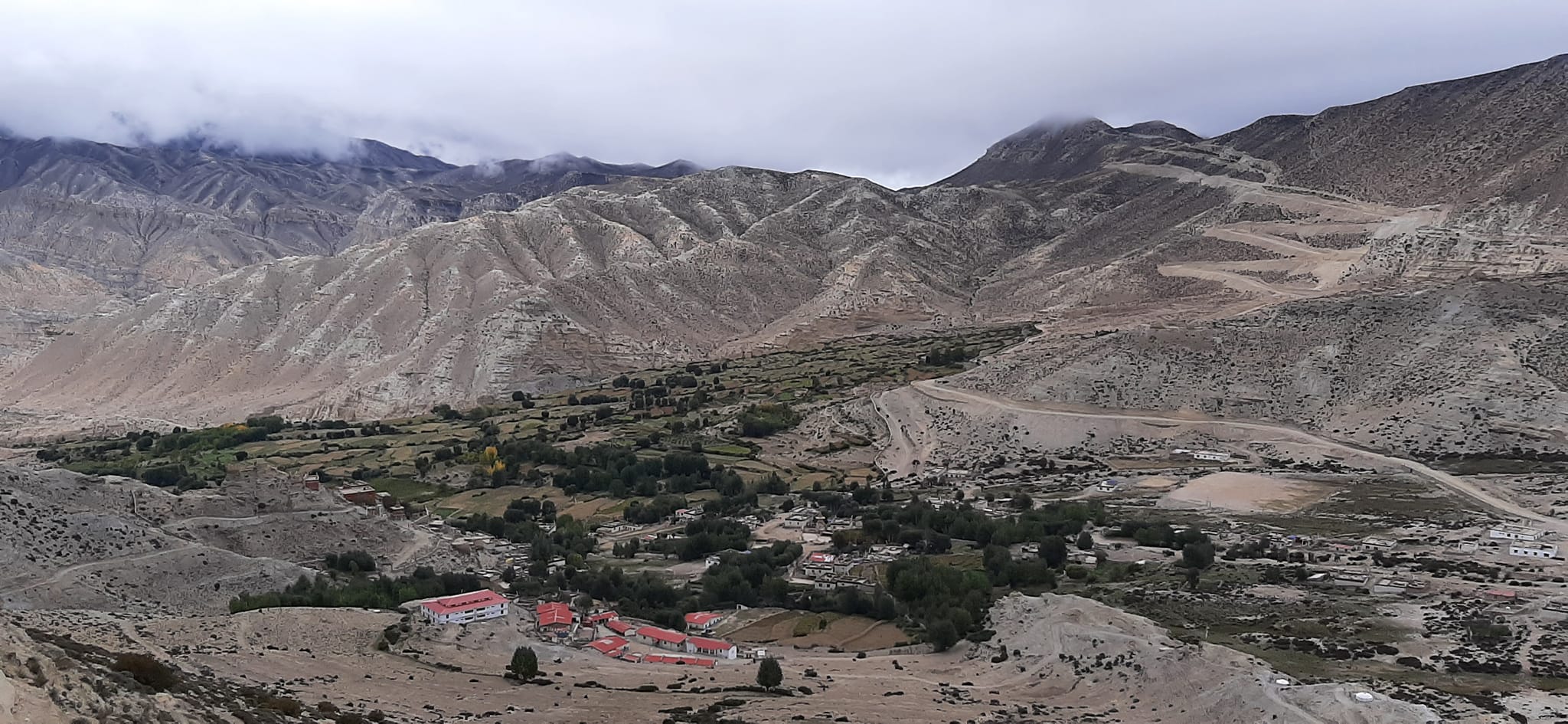
The capital of the Upper Mustang Trek region of Nepal is the city of Lomanthang. In the Tibetan language, Lomanthang refers to the walled city. Yes, the place is surrounded by walls. Travelers can feel the mythical power within the city. The old houses and the monasteries make the city spiritual. There is still the provision of a king in the city and people have been following their traditions to date. The Namgyal Monastery is the iconic monastery present in the area. This spiritual place hosts the famous Tiji Festival of the region as well.
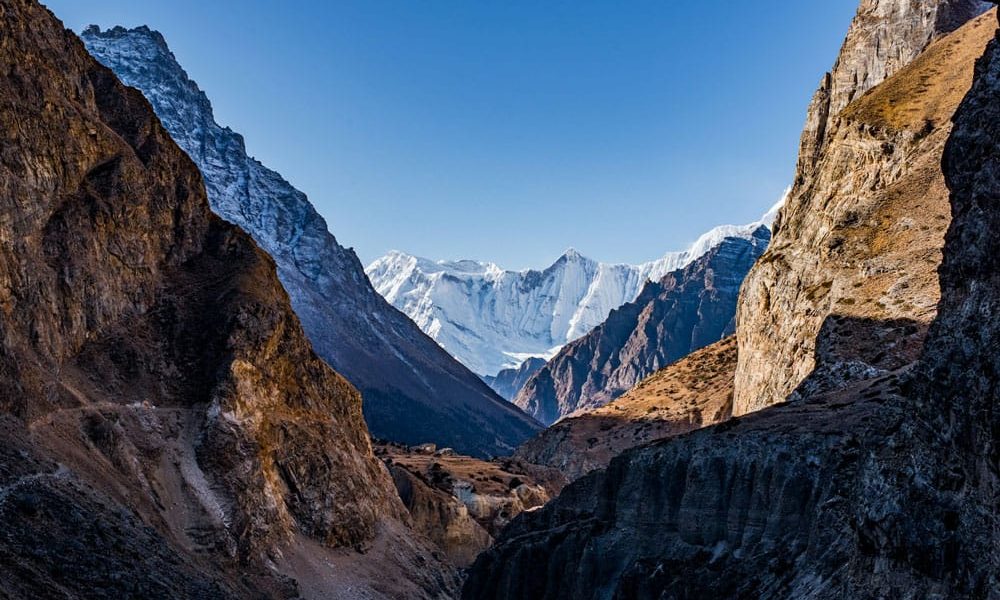
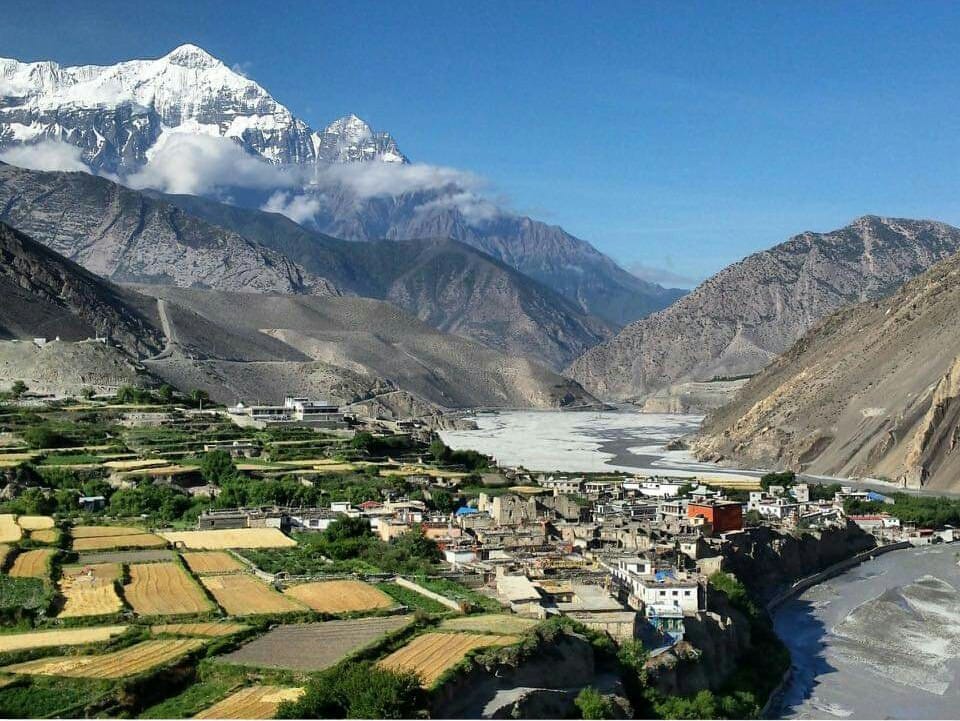
The Kaligandaki River and the gorge are very famous across the globe. In fact, the gorge is the deepest gorge in the world. The holy fossil which is regarded as the incarnation of Lord Vishnu can be found in the shores of the river. These stones are sacred to both Hindus and Buddhists. During the Upper Mustang Trek, you can bless your soul with the spiritual awakening experiences both the Buddhists and Hindus way.
Unlike regular trekking destinations in Nepal, in order to do the Upper Mustang Trek, trekkers have to fulfill certain requirements. Solo trekking is prohibited. For the trekkers to do the trekking, they must be in a group of at least two trekkers. The trekking has to be operated by the trekking agency.
You can’t go drifting in the area. A special immigration permit will be issued by the immigration department of the Foreign Ministry of Nepal. ACAP (Annapurna Conservation Area Project) permit and TIMS (Trekkers’ Information Management System) card is also required. Only the Nepal Government licensed trekking guide can take the trekkers to the region.
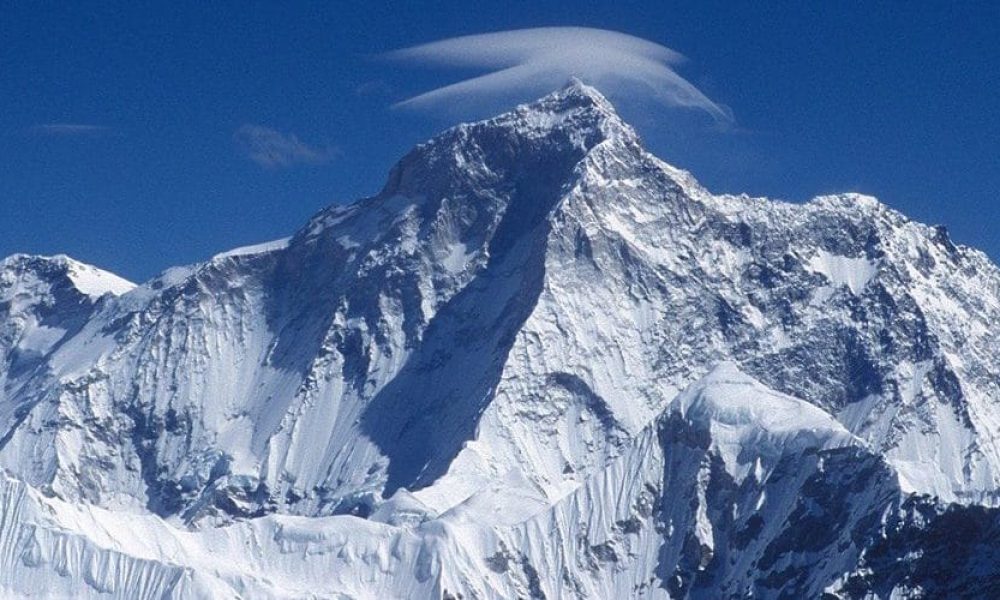
The village of Upper Mustang is called as the village beyond mountains (Himal Paari ko Gaon in the Nepali Language). Trekkers can see the mountains in the southern direction. Most of the mountains are in the northern direction. However, you can see the mountains on the south side which is so peculiar to the region.
Hill Caves are the cultural and natural attractions of the region. There are numerous habitable caves on the hills. It is believed that during times of famine and war, people took shelter in those mountain caves. Moreover, holy gurus and rinpoches also meditated in these caves.
The biggest festival of the Upper Mustang region of Nepal is the Tiji Festival. The festival falls normally in the month of May every year. The exact dates of the festival are changed every year. If you would like to observe this festival, do the Short Upper Mustang Trek at this time.
The festival is celebrated to mark the victory of truth and good deeds over evil. According to the myth, the demon was about to destroy the whole region. His son Dorje Jono summoned the gods and destroyed demons in order to protect the land. Therefore, people celebrate with colorful dances and recite many mantras during this festival. Relish the chance to understand the rituals and traditions of Tibetan origin Nepalese people.
An ideal time to do trekking activities in Nepal is during the months of spring and autumn season. However, you can do the Upper Mustang Trek in the monsoon season as well. The place is the rain shadow area. Therefore, the region experiences very less rainfall and it is possible to do trekking during this season. Besides the individual Upper Mustang Trek, you can visit the place during the Annapurna Circuit Trek as well. Either you can visit the region after crossing the Thorong La pass or after visiting the Upper Mustang, you can do the Annapurna Circuit Trek from the anti-clockwise direction.
The road network has stretched up to Lomanthang from Jomsom. Therefore, lots of people do the overland jeep tour as well. The road is graveled and bumpy though. Travelers need to do the road trip in either motorbikes or the four-wheeled jeep. Lots of Indian travelers prefer to do the jeep or bullet bike tour in the region. Nowadays, people prefer to do cycling in the region as well.
Some of the adventurous cyclists do the Annapurna Circuit cycling tour and add the Upper Mustang region as well. The risk of altitude sickness is very high while doing the overland jeep tour. The gain in altitude is rapid during the road trip. Therefore, people prefer to do trekking as well. Either way of traveling can endow the breathtaking experience of the region.
Arrive in Kathmandu, Nepal’s capital city, which is a hub for culture and history. Upon arrival at Tribhuvan International Airport, you’ll be met by your trekking agency representative and transferred to your hotel.
After early breakfast, we’ll head to Pokhara on a private jeep via Prithvi Highway. The long-running course passes through some of the most picturesque villages and green verdure. The high road has us fleeing Trishuli and Marsyangdi rivers which offer a breathtaking view.
The first thing we’ll do in the morning today is taking a flight to Jomsom which lasts about 20-25 minutes. Since the weather is crisp and clear in the wee hours, we can easily catch a spectacular view of mountain ranges, gentle slopes, and hills. The trip also boasts an incredible sight of the world’s deepest gorge and even Dhaulagiri. After landing at Jomsom airstrip, we’ll take a short stop to have breakfast and gather energy to walk the trail.
In next to no time, we’ll commence the trek by walking the vast sandy footway from the western side of the Kaligandaki riverbed. The trail here provides a lovely view of Tukuche, Nilgiri, and Annapurna massif along with some splendid landscapes.
Today’s trek is a bit long and exhausting so we’ll start the journey ahead of time. Since the trail is a bit rugged, we’ll go easy at the start and pick the speed at length. Moreover, the trek from Kagbeni to Ghiling is about to take us somewhere between 5-6 hours.
The trail has us crossing two stunning passes, Dajori La and Taklam La which provides awe-inspiring views. Along the trail, we can witness the glorious Tilicho, Damodar Danda, and Ramchung cave. As we proceed ahead, the trail descends downhill to join Samar Village.
After breakfast, we’ll start our day cross walking Nyi La Paa which offers a breathtaking view. As we pass through small tea houses and villages, the trek gets difficult with steep ascents above the barley field that head towards Nyi Pass.
From here, the trail descends hillside and passes Ghami village where most trekkers stop by to have lunch. Next, the trail slopes down and walks over Ghami Khola before mounting upward to the hill and passing over Tasrang La Pass.
From here, the trail runs uphill towards Lo Pass and then gently retreats from the cliff to get to the glorious walled village of Lo Manthang. The trail in this section is quite interesting as it offers breathtaking views of desolate landscapes, exquisite terrains, ancient ruins, and plateaus.
After the frantic walk yesterday, it’s high time we take a day-off and enjoy the sublime beauty of Lo-Manthang. Thus, after having breakfast, we’ll set off on a trip to this walled-city which has more than hundreds of houses.
Lo-Manthang is fascinating, filled with plateaus, flat terrains, and the deserted valley with high cliffs and mud walls. There are many incredible spots where we can’t help but stop and explore like The Royal Palace, Jampa Lhakhang, and Thubchen Gompa. Colorful mud houses and ancient buildings, dating back to 1400 years have enhanced the splendor of Lo-Manthang. You can witness the beautiful craft and architecture in the prehistoric monasteries like Naya Gompa and Choprang Gompa. You can also witness the Tibetan plateaus from atop the ridge. We’ll spend the night in a tea house at Lo-Manthang.
After the unforgettable trip to Lo-Manthang, it’s time for us to return to the trail which leads south to Kagbeni. Since the trails are bumpy here, we’ll set off on a trip to the valley which has incredible sights to offer.
Since the trail is zigzagged, we initially ascend the hill and lead the way through Chogo La Pass. The fabulous Lo-Manthang starts to fade as we scramble uphill before walking the way down beside the glistening mountains.
There are lots of religious and historical sites to explore in this part of the region including Ghar Gumbaon. After trekking for about 6 hours through Dhakmar and enjoying the magnificent view of Nilgiri, we’ll finally arrive at Ghami. Overnight stay in a tea house at Ghami.
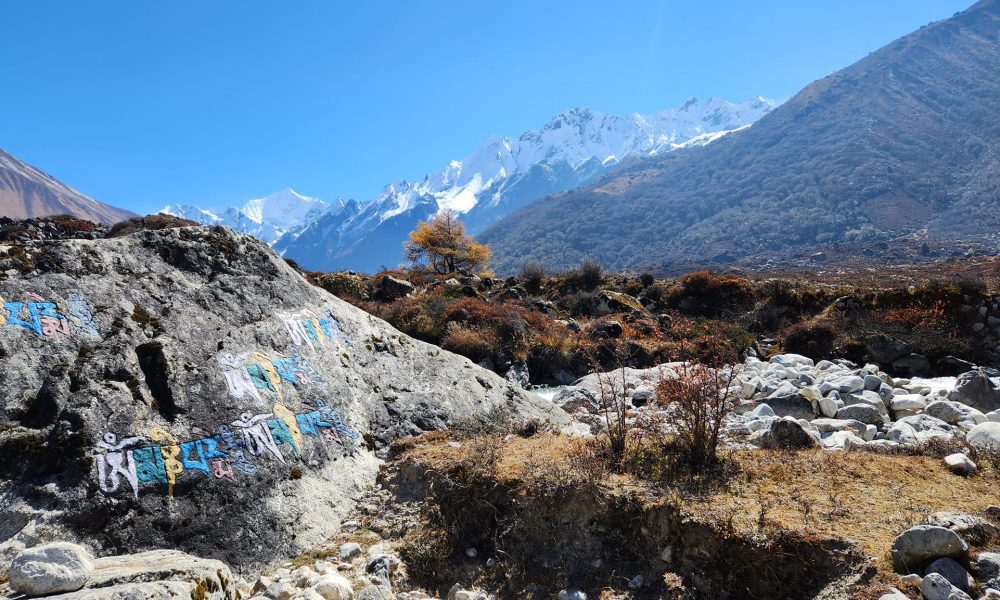
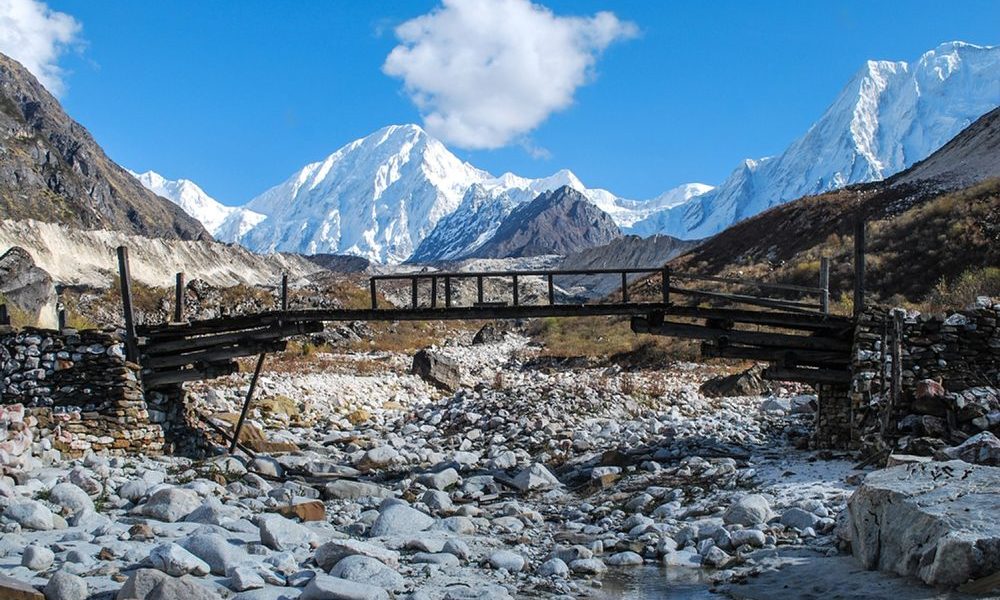
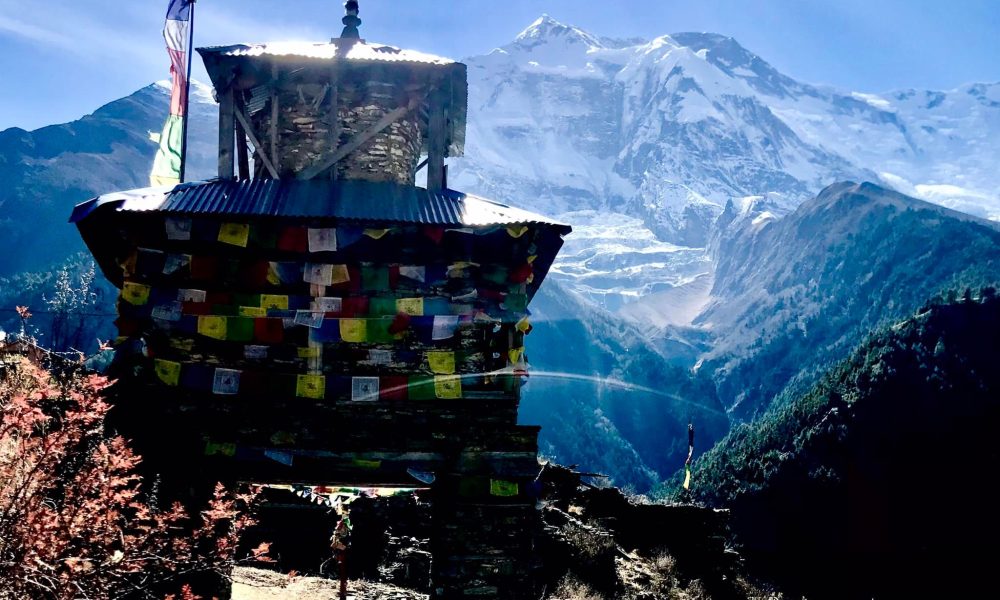
The trek to Samar is relatively easy with most of the course sloping downward. Heading towards Ghami, we’ll take a few ascents up the bridge and then descend, proceeding towards Nyi La. The route makes us cross the streams and scale a beautifully painted Chorten before finally getting to Samar.
The route to Muktinath passes Gyu La Pass and follows the Annapurna Circuit Trek route which serves with an absolutely breathtaking vista. The trail passes many primeval villages in the region and walks beside pristine snow-capped mountains including Annapurna.
Following the trail, we’ll ascend up the Jhong River Valley that comes with spectacular views. The route through the old hamlet leads us to Muktinath which is a holy place to both Hindu and Buddhists.
Muktinath is a beautiful temple of Lord Vishnu sitting at the foot of the Thorong La Pass. After offering the prayers and taking a quick tour of the pilgrimage including 108 bathing spouts, we’ll continue our hike down the valley to Jharkot and Khingar
After your final trekking day, you’ll enjoy one of the most scenic and time‑efficient returns from the heart of the Himalayas. From Jomsom, board a morning flight to Pokhara, a short 20‑25 minute hop giving you sweeping views of the Annapurna and Dhaulagiri ranges as you cross the mighty Kali Gandaki Gorge.
Upon arrival in Pokhara, you have two choices: continue onward by road or flight to Kathmandu, or spend a restful evening by the lakeside in Pokhara if your schedule allows. This flexible return eases the transition from trail to city, allows you to reflect on your Mustang adventure, and gives you a comfortable base before your final departure.
Pro tip: choose an early morning flight from Jomsom, morning slots are more reliable due to calmer winds.
Use this day as a buffer and recovery day in Kathmandu. Whether you’ve flown in today or arrived yesterday, we recommend relaxing, enjoying the city, doing any shopping for souvenirs, and prepping for your onward journey.
You might:
Explore the historic city of Kathmandu, including Thamel, Durbar Square, or Bhaktapur for a slower pace after the trek.
Visit our Explore Nepal Trail office for debriefing, gear check, and final packing assistance for your next destination.
Get any residual trekking gear aired out, or purchase extra items you may need for your next adventure.
Take care of post‑trek amenities: laundry, massage, hotel spa, or simply enjoy a cafe by the lakeside in Pokhara if you remained there.
This day gives you a buffer to handle any logistics, recharge, and transition smoothly from trekking mode to travel (or home) mode.
Your journey through the remote and magical lands of Upper Mustang is now complete. On Day 13, we’ll transfer you from your hotel to the airport in Kathmandu for your flight to your next destination or flight home.
If your itinerary continues, we’re happy to assist with onward trekking, tours, or extensions. Should this be your return home, we’ll ensure your airport transfer is smooth, your luggage handled, and you depart with memories to last a lifetime.

Price: US $1,595 per person (based on twin‑share, minimum 2 trekkers)
This all‑in‑price means you know exactly what you’re paying—and what you’re getting—without hidden surprises.
Our upper mustang trek Includes in the US $1,595 package:
Airport pickup and drop in Kathmandu by private vehicle
3‑star hotel accommodation in Kathmandu for 3 nights (bed & breakfast)
Teahouse accommodation throughout the trek
All meals on trek days (breakfast, lunch and dinner)
Farewell dinner in Kathmandu
All ground transportation according to the itinerary, in a comfortable private vehicle
Domestic flights as per plan (Kathmandu/Pokhara/Jomsom etc)
Licensed English‑speaking, trained and experienced trekking guide
Porter service (for every 2 trekkers one porter carrying 25 kg)
Staff salary, equipment, food & accommodation for trekking crew
Insurance coverage for Nepali trekking staff
Down jacket & sleeping bag (to be returned after trip completion)
Trekking map
Upper Mustang special Restricted Area Permit
All necessary paperwork
Annapurna Conservation Area fee (ACAP) & TIMS card
Good‑quality tents & kitchen utensils for camping
Medical kit (carried by your guide)
All government and local taxes
International flights to/from Nepal and departure taxes
Lunch & dinner while staying in Kathmandu bar breakfast
Tips/gratuities for guides and porters
Personal expenses (bar bills, hot showers, telephone, internet, alcoholic drinks)
Emergency evacuation costs or horse‑hiring in field
Hotel stays in Kathmandu for early arrival or late departure
Your journey begins in Kathmandu’s vibrant old city and ends with memories etched in crimson cliffs, ancient monasteries and the walled royal city of Lo Manthang (3,840 m). Over 13 days, you’ll traverse the remarkable Upper Mustang Trek in the region once the secluded Kingdom of Lo—and stay in unique teahouses, trekking well away from the crowds.
After arriving in Kathmandu, you’ll transfer to Pokhara or head directly toward Jomsom, following the Kali Gandaki gorge deep and dramatic. From Kagbeni you enter the restricted Upper Mustang area. Over the next days you’ll pass through villages like Chele, Syangboche, Ghami, Tsarang, arrive in Lo Manthang for deep cultural immersion, and return via a contrasting route to appreciate how the landscape subtly shifts on the downhill leg.
Key trip stats:
Duration: 13 days
Maximum altitude: approx 3,840 m (Lo Manthang)
Trek grade: Moderate to Strenuous – The altitude and remoteness add challenge, though technical difficulty is lower than many Himalayan treks.
Group size: Private departures available; typical maximum ~12 trekkers.
Best seasons: Spring (Mar‑May), Summer/Monsoon (Jun‑Aug – viable thanks to rain‑shadow), Autumn (Sep‑Nov).
Start / End: Kathmandu → Kathmandu (via Pokhara/Jomsom) – Upper Mustang Trek ends here.
The weather conditions of the upper Mustang area stay best from March to November. Between this time frame, you will get exciting tours and trekking experiences that stay in your mind forever. Weather conditions of Mustang from March to November stay the best to facilitate some of the most exciting tours for tourists.
Yes! Because the region lies in the rain‑shadow of the Annapurna/Dhaulagiri range, rain is minimal and conditions remain favourable.
With basic walking fitness, preparation and a reliable guide, yes. While the altitude is moderate, the remote nature and daily trekking demand responsible preparation.
Porters are optional. If you carry only a day‑pack, we can provide a porter for your main bag so you travel light and comfortably.
The terrain in Upper Mustang is quite unique:
Desert-like landscapes: You’ll walk through arid, wind-swept regions, with rocky paths and exposed trails.
High-altitude desert: The region’s terrain is often compared to the Tibetan Plateau, with narrow valleys, canyons, and unique rock formations.
Villages and Monasteries: The trek passes through remote villages and ancient Buddhist monasteries, offering an authentic cultural experience.
Absolutely. Whether you’d like more rest days, side‑trips to caves or festivals (like the Tiji Festival in Lo Manthang) or prefer different starting/ending points, we can tailor the trek to you.
Our guide team monitors the group each day, carries oxygen and first‑aid kits and follows conservative pace and acclimatisation practices to minimise risk
Comfortable for mountain standards. Teahouse stays, good meals (Nepali & some Western), but expect simpler facilities in remote villages.
There are no reviews yet. Be the first one to write one.

Explore Nepal Trails is your trusted partner for trekking, peak climbing, and mountaineering adventures in Nepal. From classic Himalayan treks to high-altitude expeditions and cultural journeys, we deliver safe, well-planned, and unforgettable travel experiences.
We Accept

Join our community of over 200,000 global readers who receive emails filled with news, promotions, and other good stuff.

WhatsApp us