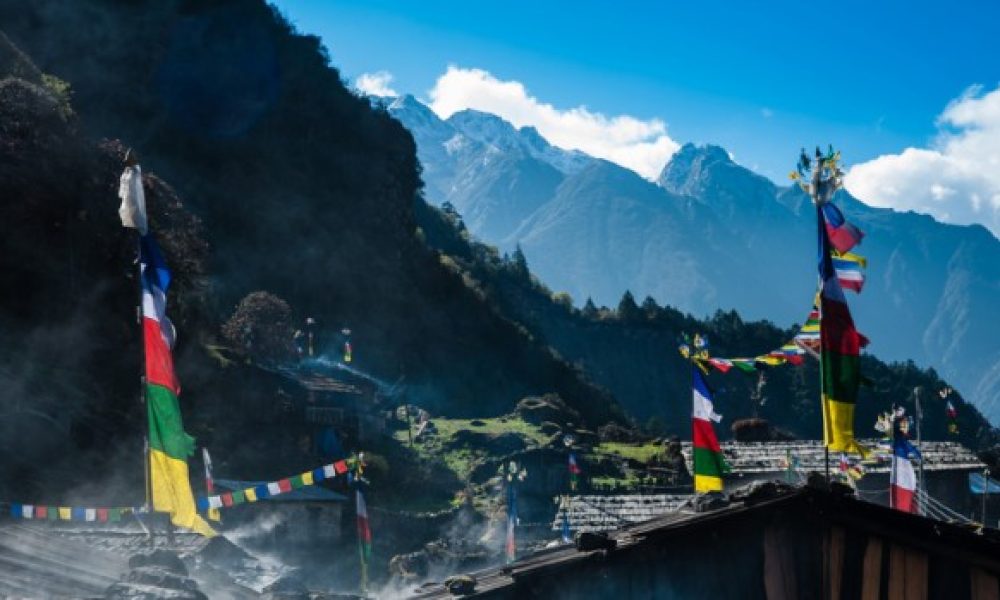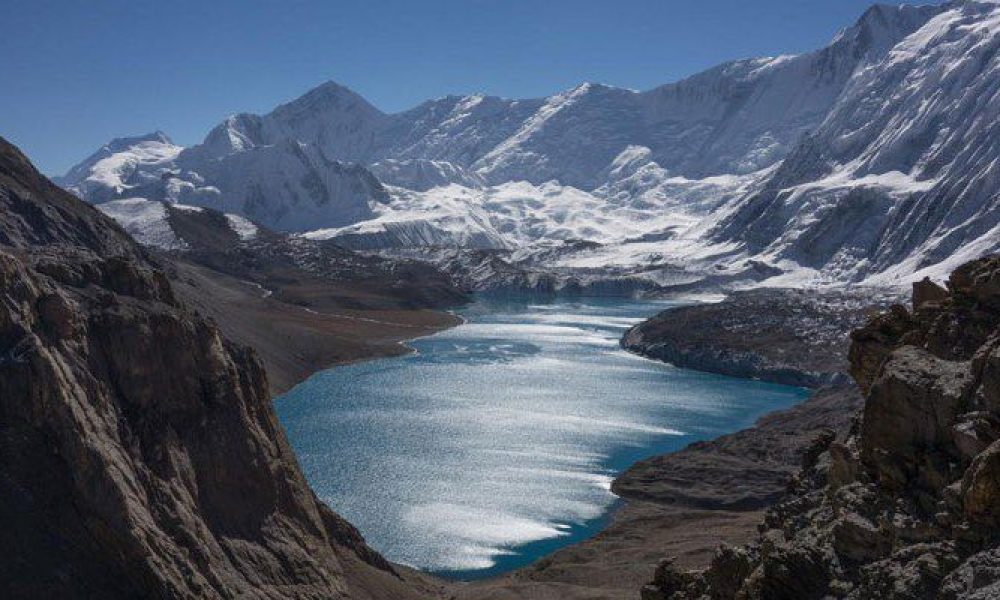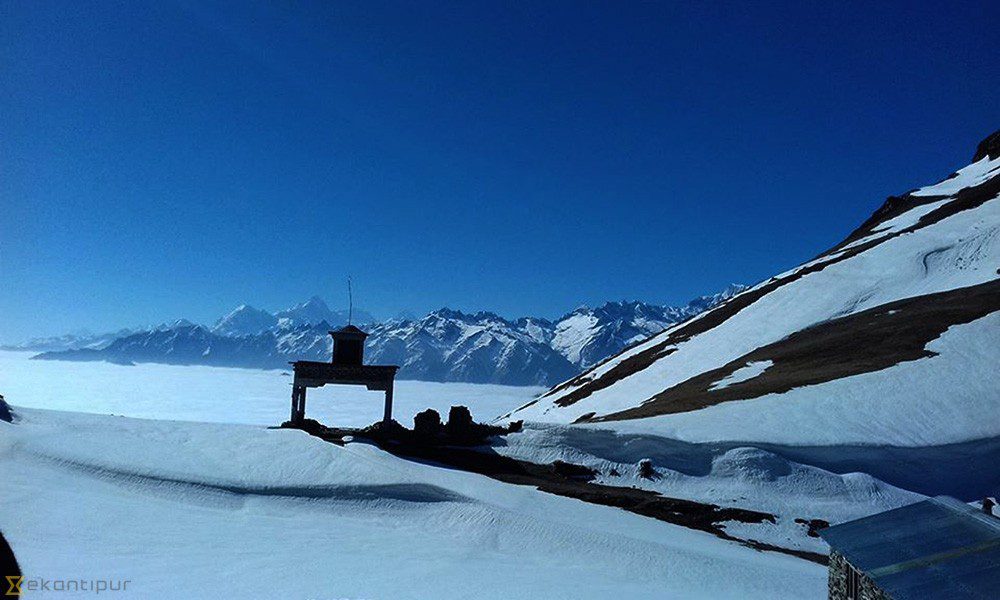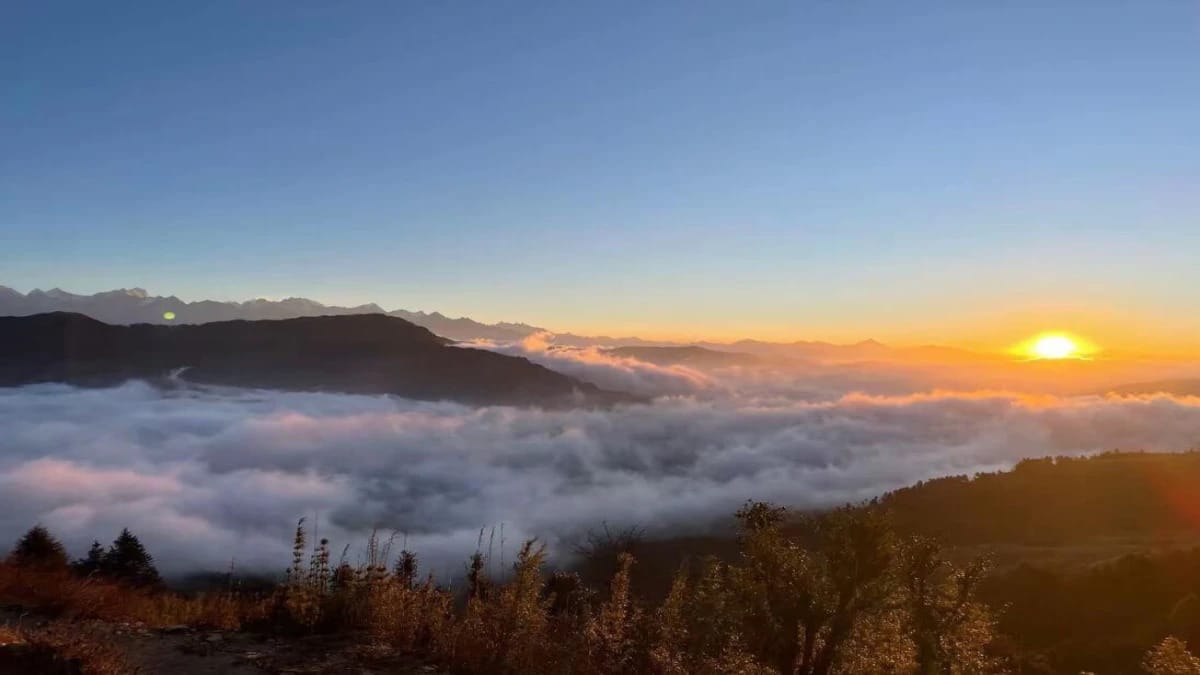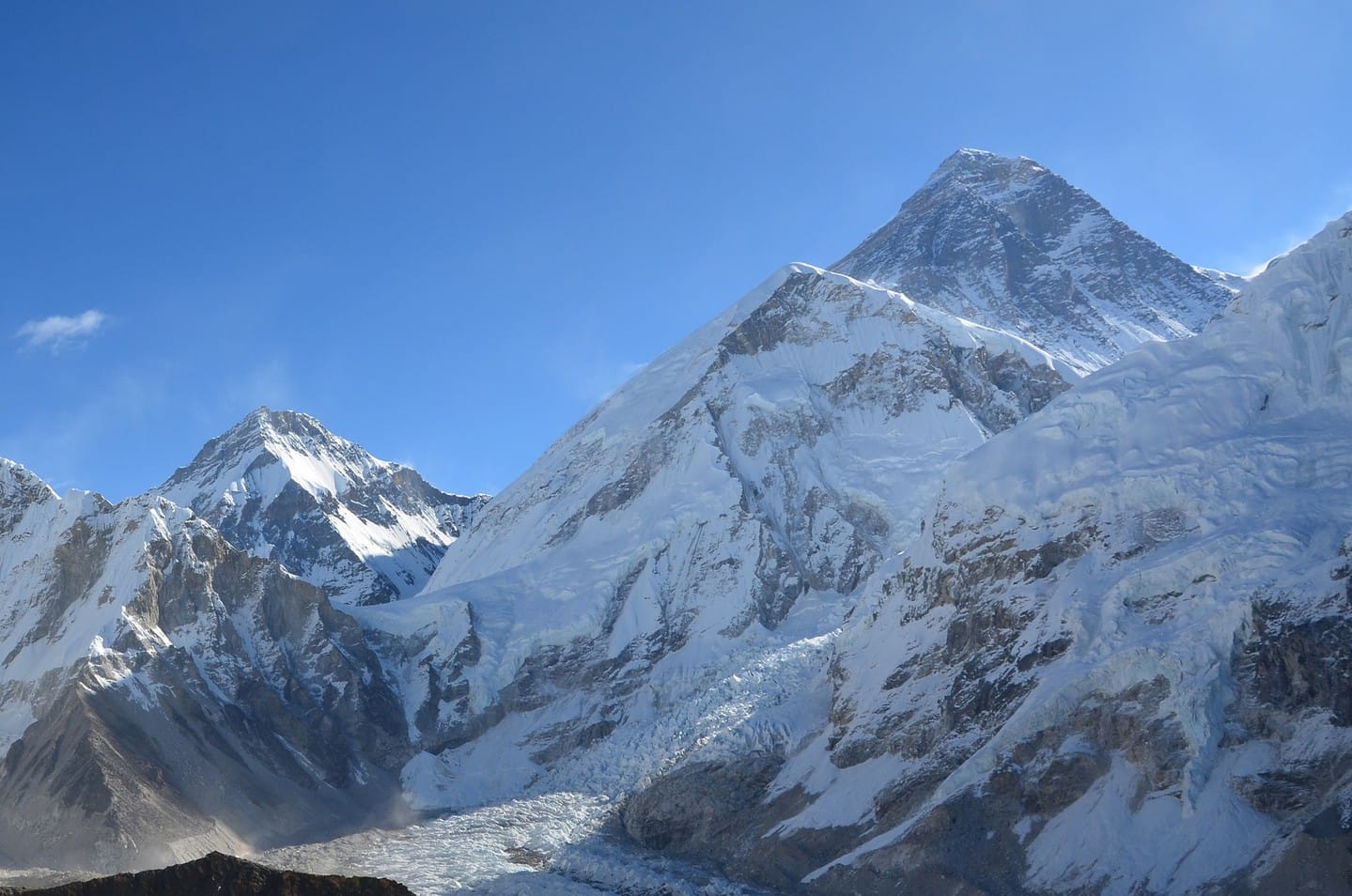
The Pikey Peak Trek is one of the best short treks in the Lower Everest region of Nepal, offering peaceful trails, Sherpa culture, Buddhist monasteries, and wide Himalayan views without the heavy crowds of the classic Everest Base Camp route. The journey takes you through Dhap, Jhapre, Pikey Base Camp, Loding, Junbesi, Phaplu, and Salleri, with the main highlight being the sunrise view from Pikey Peak.
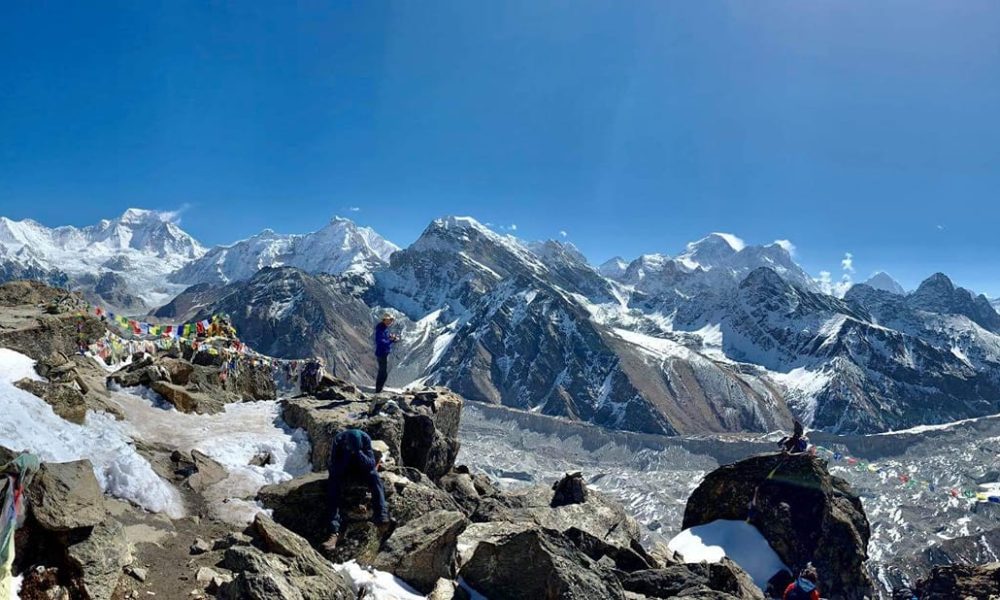
From the summit of Pikey Peak Trekking, trekkers can enjoy panoramic views of Everest, Makalu, Kanchenjunga, Lhotse, Numbur, Gaurishankar, Thamserku, and other Himalayan peaks on a clear day. This 10-day Pikey Peak Trek is ideal for travellers looking for a moderate, culturally rich, and less crowded Everest region trekking experience with a guide, porter, meals, accommodation, permits, and transfers included.
Airport pickup by the Nepal Trekking Tours – Explore Nepal Trails team and transfer to your hotel. Meet your guide and prepare for the trek.
Altitude: 2,850m
Drive Duration: 7–8 hours
Scenic drive from Kathmandu to Dhap through hills, rivers, villages, and winding mountain roads.
Altitude: 2,920m
Walking Duration: 5–6 hours
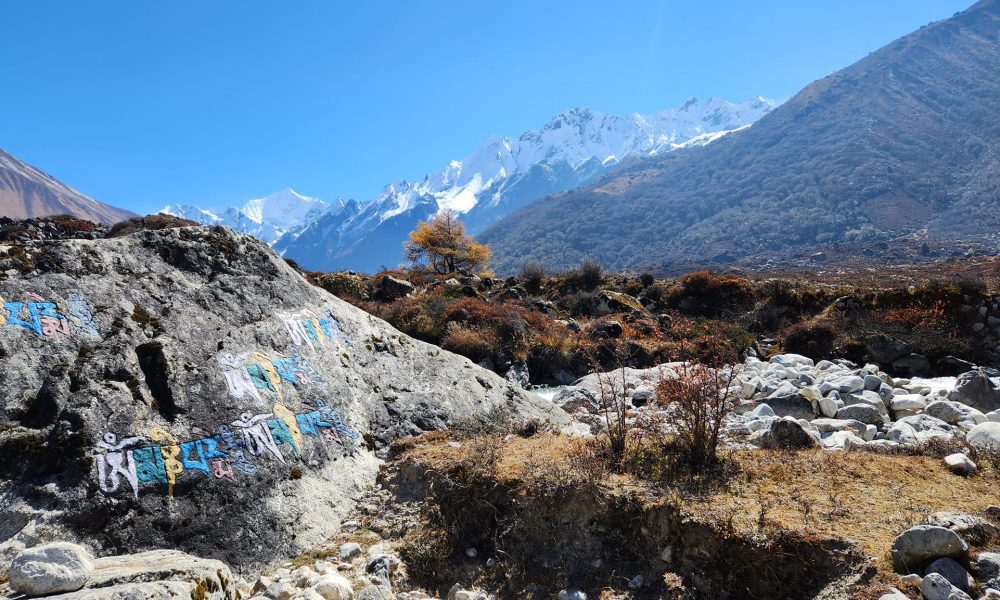
Trek through rhododendron forests, quiet villages, and open hillsides with views of Numbur Himal and the Everest region.
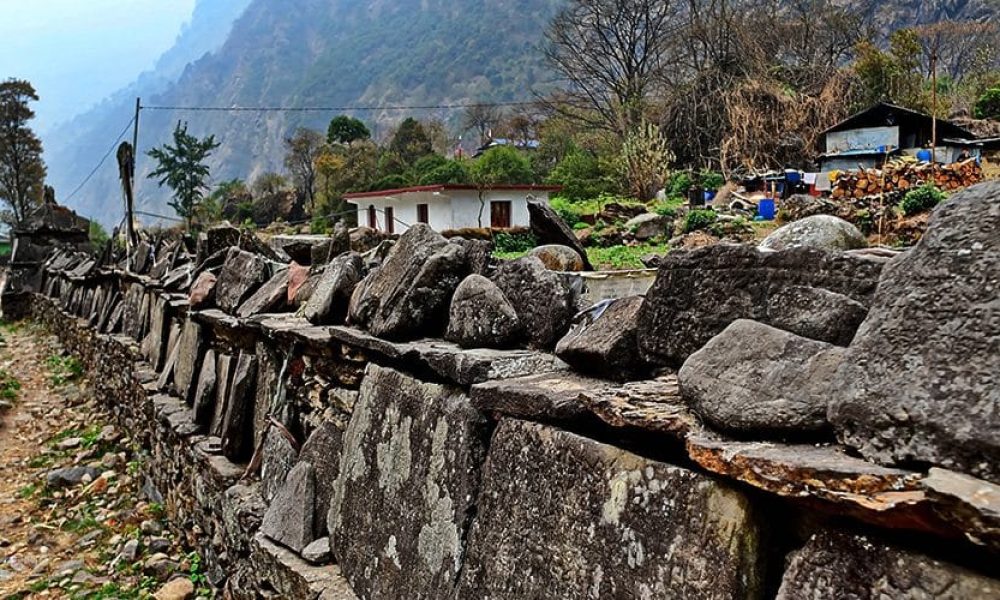
After Japre, the path climbs up to a grassy ridge at Bhulbhule. There is one lodge with no name and nice views of the mountain peak vary from here. Before long when Bhulbhule, the path splits and you’ll flip right to Pikey Peak. You will pass some previous yak huts and an extended Mani Wall. Then path contours the side below Taklung Danda and goes through a fine looking wooded trail.
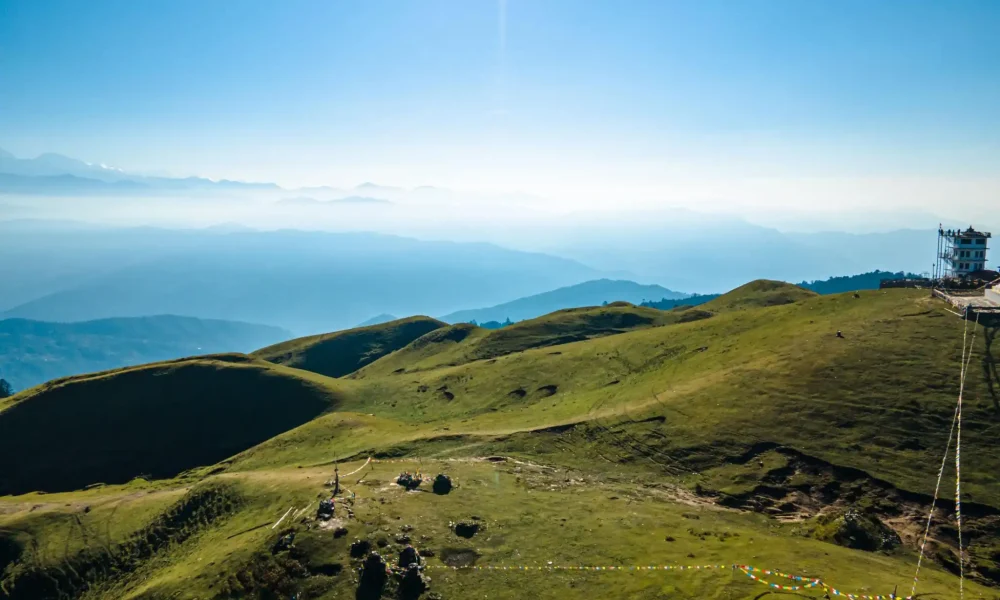
There are several rhododendrons here on tier path (which you’ll see they blooming if trekking in spring). As you allow the forest, it a short walk to Pikey Peak base camp, regarding a pair of hours away. From here, it’s a brief climb to the summit at 4065 m / 13336 foot. Unless you’ve got an extraordinarily clear evening, it is wise idea to climb to the summit in morning for sunrise.
Begin your day early to catch a nice sunrise at Pikey Peak then hike to Loding, you’ll follow a gradual path to the summit, coated with prayer flags. The views are breathtaking! If the weather is clear, you’ll be rewarded with wide views from Annapurna to Everest.
From the highest of Pikey Peak, you’ll follow a ridgeline that starts flat so steepens as you enter the forest to Jase Bhanjyang, wherever breakfast are waiting. After breakfast, you’ll continue your walk all the way down to Loding, that passes through some steep sections within the forest. At Loding, you’ll have a couple of decisions for accommodation that are easy and charming.
Begin the day by walking down the ridgeline for breakfast at Jase Bhanjyang. Leaving there, there are a few options for the descent to Junbesi. The most likely is a striking shortcut trail that leaves the ridge shortly after Jase and descends steeply through spectacular old growth forest to Taktor.
This path meets the Everest Base Camp trail coming from Jiri. The tea houses from here are a bit more improved, and you’re likely to meet a few other trekkers for the first time. Some 2 hours walk on pleasant trail takes you to Junbesi. Junbesi is a traditional Sherpa village sitting at an altitude of 2675 m/ 8776 ft, and is the cradle of Sherpa culture and architecture.
The Sherpas consider the Solukhumbu a sacred valley. In this remote part of Nepal that borders to Tibet, Buddhism flourishes and there are numerous Buddhist monasteries along the way.
Today, leave the main trekking route again and take a beautiful path down to Phaplu through the forest. There’s also the option of hiking up to Chiwong Gompa, perched high on a cliff overlooking the valley. This monastery was founded in 1923 and has magnificent celebrations for the Mani Rimdu festival in autumn. Continue on down into Phaplu and celebrate the completion of a great trek at your cozy tea house..
We’ll be saying good bye to the Himalayas and making the return trip to Kathmandu. The route takes us out of the Solu Khumbu, across the mighty Sun Kosi river, with its origins hailing all the way from Tibet, hundreds of kilometres away and finally back to the main highway that takes us from the flatlands back into the Kathmandu Valley.
You can explore kathmandu city in this given day.
Explore Nepal Trails representative will drop you to at Intl airport.
The Pikey Peak trekking is easy to moderate difficulty, not too hard compared to those popular treks like Everest Base Camp. You’ll walk through the lower Everest region without crazy steep or challenging paths. But you’ll still be trekking for around 5 to 6 hours daily, which can get tiring for first-time hikers.
The Lower Everest Pikey Peak Trek typically takes 8 to 10 days. It’s a relatively short trek, offering amazing views of the Everest region while being less physically demanding than the longer treks like the Everest Base Camp Trek.
Yes, the Lower Everest Pikey Peak Trek is suitable for beginners. It has a moderate level of difficulty, with manageable altitude and shorter daily trekking distances compared to more strenuous treks like the Everest Base Camp or the Three Passes Trek.
Yes, the Lower Everest Pikey Peak Trek is suitable for beginners. It has a moderate level of difficulty, with manageable altitude and shorter daily trekking distances compared to more strenuous treks like the Everest Base Camp or the Three Passes Trek.
The highest point of the Lower Everest Pikey Peak Trek is Pikey Peak at 4,065 meters (13,300 feet). While it’s a high-altitude trek, it’s lower than many other Everest treks, reducing the risk of altitude sickness.
The risk of altitude sickness on this trek is relatively low, as the highest point is Pikey Peak at 4,065 meters. However, it’s still important to follow proper acclimatization practices, such as staying hydrated, resting, and not ascending too quickly. The slower pace of this trek helps reduce the risk.
Some of the main highlights include:
Pikey Peak Trek: Offers panoramic views of the Everest, Makalu, Kanchenjunga, and other Himalayan peaks.
Sherpa Villages: Trek through traditional Sherpa villages like Junbesi and Bhandar, providing insight into local culture and lifestyle.
Buddhist Monasteries: Visit ancient monasteries such as the Thubten Choling Monastery in Junbesi.
Less Crowded: The trek is less frequented by tourists, offering a more tranquil and off-the-beaten-path experience.
The weather is generally mild in the spring and autumn seasons. Temperatures can range from 10°C (50°F) during the day to -5°C (23°F) at night at higher elevations, especially near Pikey Peak. In winter, it can get very cold, and there may be snow at higher elevations.
There are no reviews yet. Be the first one to write one.

Explore Nepal Trails is your trusted partner for trekking, peak climbing, and mountaineering adventures in Nepal. From classic Himalayan treks to high-altitude expeditions and cultural journeys, we deliver safe, well-planned, and unforgettable travel experiences.
We Accept

Join our community of over 200,000 global readers who receive emails filled with news, promotions, and other good stuff.

WhatsApp us