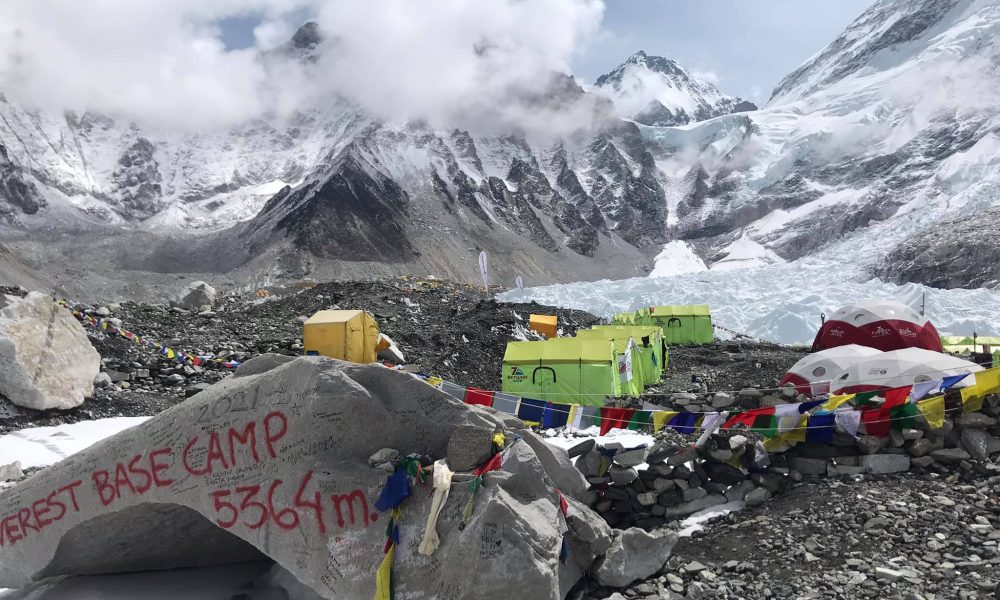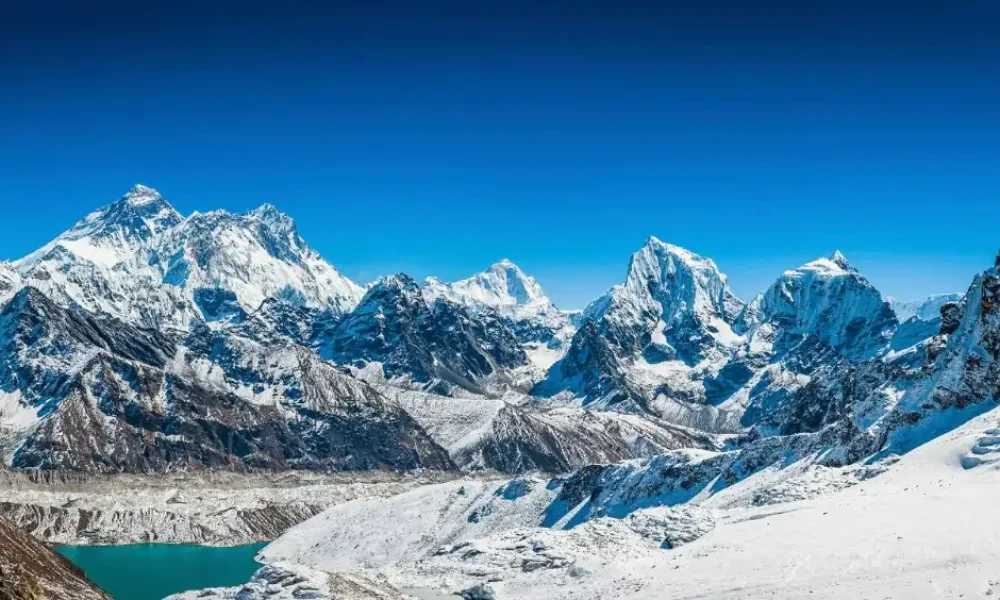
The Everest Region is Nepal’s most iconic trekking destination, globally known as the home of Mount Everest, the highest peak in the world. Trekking in this region offers breathtaking Himalayan scenery, dramatic glaciers, and legendary mountain views combined with deep-rooted Sherpa culture. Trails pass through traditional Sherpa villages, ancient monasteries, prayer-flag-lined paths, and high alpine valleys within Sagarmatha National Park, a UNESCO World Heritage Site.
The Everest Region, also called the Khumbu Region, is one of the most stunning places in Nepal’s Himalayas. It is located in northeastern Nepal within Sagarmatha National Park. The area spans about 1,148 square kilometers and is home to the world’s highest mountain, Mount Everest, which stands at 8,848.86 meters.
The region is well developed for trekking, with excellent teahouse infrastructure, making it suitable for both first-time trekkers and experienced adventurers. From classic routes like Everest Base Camp to challenging high-pass treks and peak climbing, the Everest Region delivers a perfect balance of adventure, culture, and comfort. The combination of altitude, scenery, and cultural richness makes it one of the most rewarding trekking areas in the world.
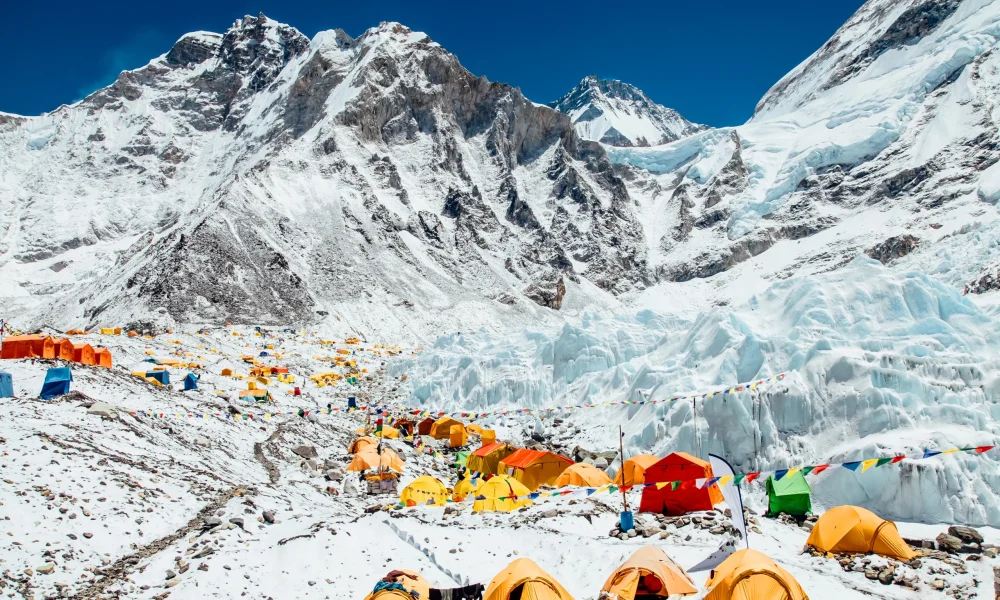
This region has dramatic landscapes that include deep river valleys, thick forests, glaciers, alpine meadows, and towering snow-covered peaks. The terrain is rugged and mountainous, with elevations ranging from around 2,800 meters at Lukla to over 8,800 meters at Mount Everest. The area contains well-known glaciers like the Khumbu Glacier and many high mountain passes, making it a dream destination for trekkers and climbers.
The Everest Region supports remarkable biodiversity due to its varied altitude zones.
During spring, the hillsides become colorful with blooming rhododendrons and other Himalayan flowers.
The region is home to many rare and endangered species, including:
The Everest Region offers many world-famous attractions:
Visitors can enjoy breathtaking views of Everest, Lhotse, Nuptse, Ama Dablam, Thamserku, and many other Himalayan peaks.
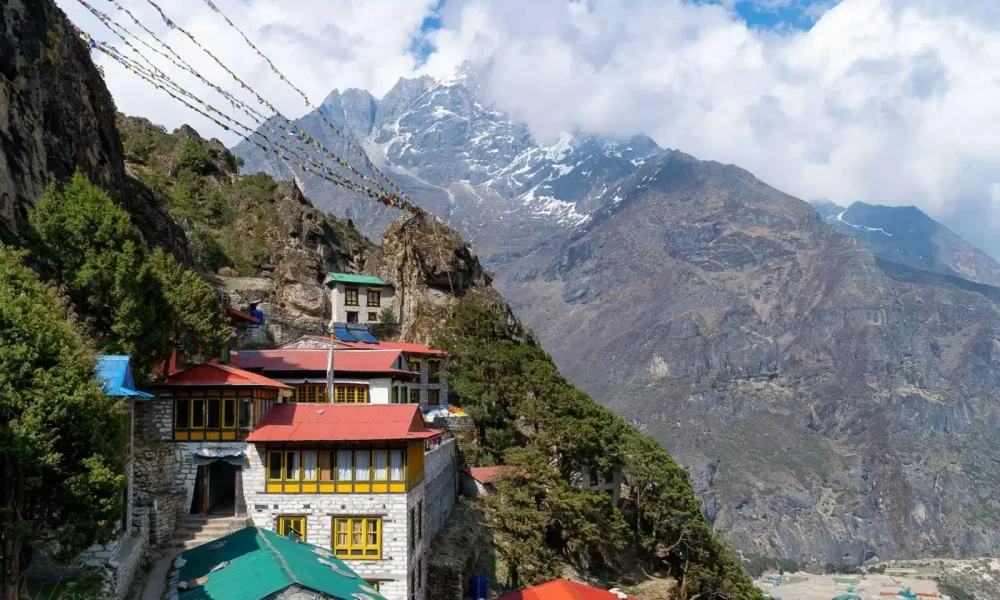
The Everest Region is predominantly inhabited by the Sherpa people, who are renowned worldwide for their mountaineering skills, hospitality, and deep connection to the Himalayas. The Sherpa community follows Tibetan Buddhism, and their culture is reflected in colorful monasteries, prayer flags, mani walls, chortens, and traditional festivals.
Local people maintain ancient customs, wear traditional clothing during festivals, and celebrate important Buddhist events throughout the year. Villages such as Namche Bazaar, Khumjung, Pangboche, and Tengboche offer visitors an opportunity to experience authentic Himalayan culture and traditions.
The Everest Region combines the world’s highest mountains, stunning landscapes, rich biodiversity, ancient Buddhist culture, and the warm hospitality of the Sherpa people. Its unique blend of natural beauty and cultural heritage makes it one of the most famous trekking and mountaineering destinations on Earth.
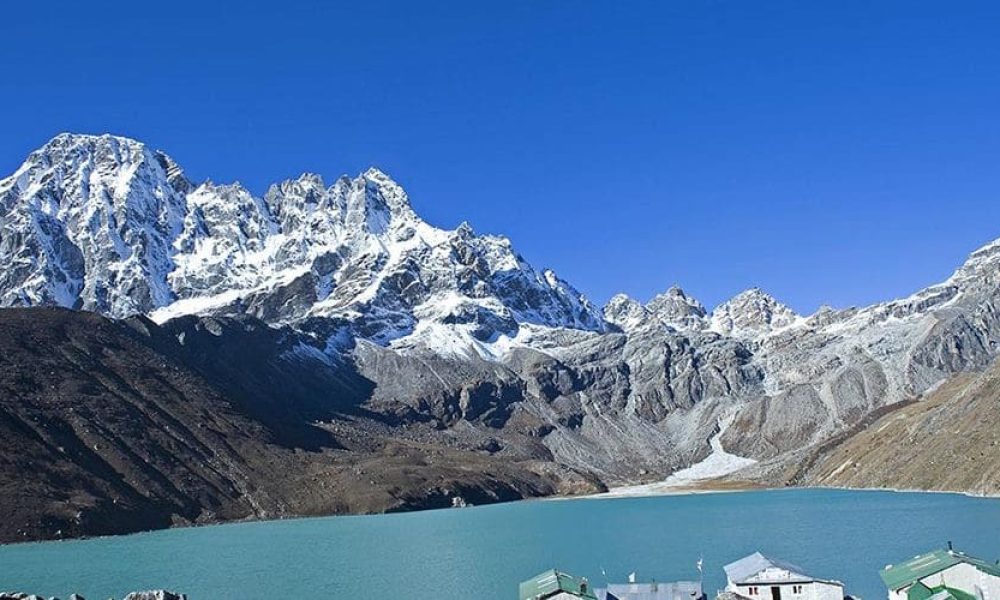
Trekking in the Everest Region generally takes 12 to 21 days, depending on the itinerary, acclimatization days, and side trips such as Gokyo Lakes or Kala Patthar. Shorter versions are possible, but a gradual ascent is recommended for safety.
The region is famous for Mount Everest, dramatic Himalayan scenery, Sherpa culture, ancient monasteries, and well-maintained trekking trails. It offers a balance of adventure, culture, and comfort.
The trek is considered moderate to challenging, mainly due to high altitude rather than technical terrain. Proper acclimatization and a reasonable fitness level are essential.
Previous trekking experience is helpful but not mandatory. Fit beginners can complete popular routes like Everest Base Camp with proper preparation.
Trekkers need a Sagarmatha National Park Permit and a Khumbu Pasang Lhamu Rural Municipality Permit, which are easily arranged before or during the trek.
A guide is not mandatory, but hiring one is highly recommended for navigation, altitude safety, and cultural insight.
The region has well-established teahouse lodges offering basic but comfortable rooms, usually with shared facilities.
Teahouses serve a variety of meals including Nepali dal bhat, Tibetan dishes, pasta, rice, soups, and vegetarian options.
The best seasons are spring (March–May) and autumn (September–November) for clear skies and stable weather.
Yes, altitude sickness is a major concern. Following a gradual itinerary and proper acclimatization greatly reduces risk.

Explore Nepal Trails is your trusted partner for trekking, peak climbing, and mountaineering adventures in Nepal. From classic Himalayan treks to high-altitude expeditions and cultural journeys, we deliver safe, well-planned, and unforgettable travel experiences.
We Accept

Join our community of over 200,000 global readers who receive emails filled with news, promotions, and other good stuff.

WhatsApp us