The Far Western Region is Nepal’s least explored trekking area, offering untouched wilderness and extreme remoteness. This region features rugged mountains, deep valleys, and traditional villages that have seen very little tourism. Trekking here is more about exploration and cultural authenticity than comfort.
Due to limited infrastructure, most treks in the Far Western Region are fully supported camping treks. This region is best suited for experienced trekkers who want to explore raw Himalayan landscapes and remote cultures. The isolation and pristine environment make it one of Nepal’s most adventurous trekking destinations.
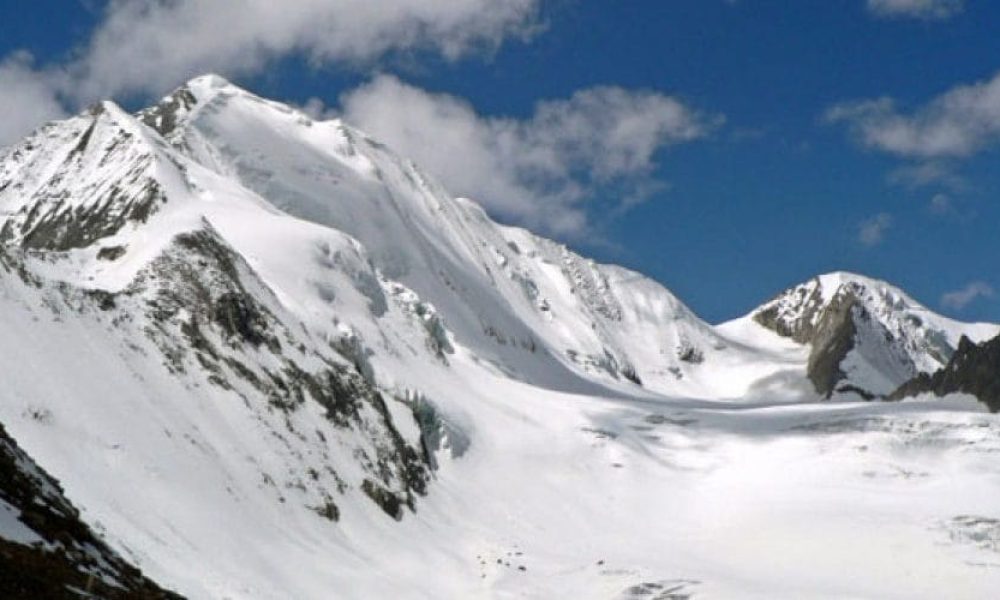
The Far Western Region is defined by its striking geographical diversity. In the north, the landscape is dominated by towering Himalayan peaks such as Api Himal (7,132 m) and Saipal Himal, along with rugged valleys, glaciers, and alpine terrain. Moving southward, the land gradually descends into mid-hill forests, terraced farmland, and river valleys. In the southern Terai belt, the landscape becomes flat and fertile, suitable for agriculture.
Major rivers such as the Seti and Mahakali shape deep gorges and provide vital water resources for agriculture and hydropower. The region’s terrain is often remote and less developed, which has helped preserve its natural environment and traditional lifestyle.
The biodiversity of the Far Western Region is highly rich due to its range of ecosystems from lowland forests to alpine zones.
The forests are especially vibrant in spring when rhododendrons bloom across the hillsides.
The region supports a variety of wildlife, particularly in protected areas such as national parks and conservation zones:
Protected areas like Shuklaphanta National Park and Khaptad National Park play a key role in conserving this biodiversity.
The Far Western Region offers a mix of natural beauty, spiritual sites, and adventure destinations:
The Far Western Region is home to a diverse mix of ethnic communities, including Tharu, Rana Tharu, Chhetri, Brahmin, Raji, and the semi-nomadic Raute people. Each group has its own language, traditions, and cultural practices.
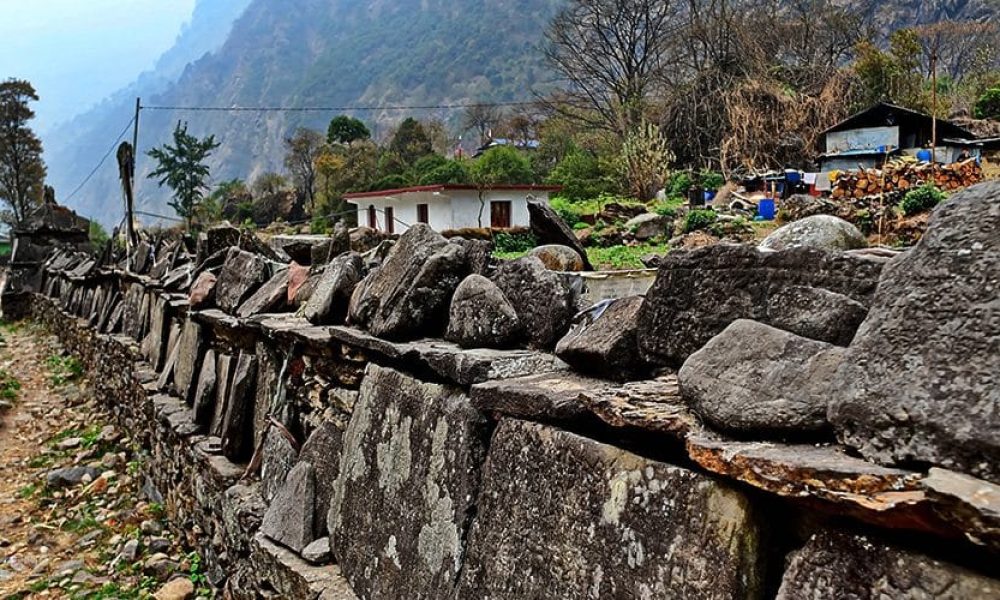
The Tharu community in the Terai is especially known for its unique architecture, colorful festivals, and deep connection with the forest environment. In the hills, traditional Hindu customs dominate, with festivals such as Dashain and Tihar celebrated widely. The Raute people, one of Nepal’s last nomadic forest tribes, continue to preserve a traditional hunter-gatherer lifestyle.
Music, dance, traditional clothing, and religious rituals play an important role in daily life across the region. Despite limited infrastructure in some areas, the people are known for their hospitality, resilience, and strong cultural identity.
The Far Western Region of Nepal is a land of contrasts, ranging from snowy Himalayan peaks to tropical plains. With its rich biodiversity, sacred pilgrimage sites, untouched natural beauty, and diverse cultures, it remains one of Nepal’s most authentic and least-explored regions, offering a truly unique experience for travelers and researchers alike.
The Far Western Region lies in the extreme western part of Nepal, bordering Tibet and India. It is one of the least explored Himalayan regions, known for its remoteness and untouched natural landscapes.
This region offers a true wilderness trekking experience with minimal tourism infrastructure. Treks focus on exploration, cultural authenticity, and remote Himalayan scenery rather than comfort.
Trekking in this region is considered challenging due to long walking days, rugged terrain, limited facilities, and high altitude in some areas. Good physical fitness and prior trekking experience are strongly recommended.
No, this region is not suitable for beginners. It is best suited for experienced trekkers who are comfortable with remote and demanding conditions.
Some trekking areas in the Far Western Region require restricted-area permits, which must be arranged through a registered trekking agency.
While not legally mandatory everywhere, a licensed guide is highly recommended due to remoteness, navigation challenges, and safety concerns.
Accommodation is very limited, and most treks require fully supported camping with tents and trekking staff.
Meals are prepared by the trekking crew during camping treks, as local teahouses are rare or unavailable.
The best seasons are spring (April–May) and autumn (September–October), when weather conditions are more stable.
Trekking is safe with proper planning, experienced guides, and good preparation, but medical facilities are very limited.

Explore Nepal Trails is your trusted partner for trekking, peak climbing, and mountaineering adventures in Nepal. From classic Himalayan treks to high-altitude expeditions and cultural journeys, we deliver safe, well-planned, and unforgettable travel experiences.
We Accept

Join our community of over 200,000 global readers who receive emails filled with news, promotions, and other good stuff.

WhatsApp us