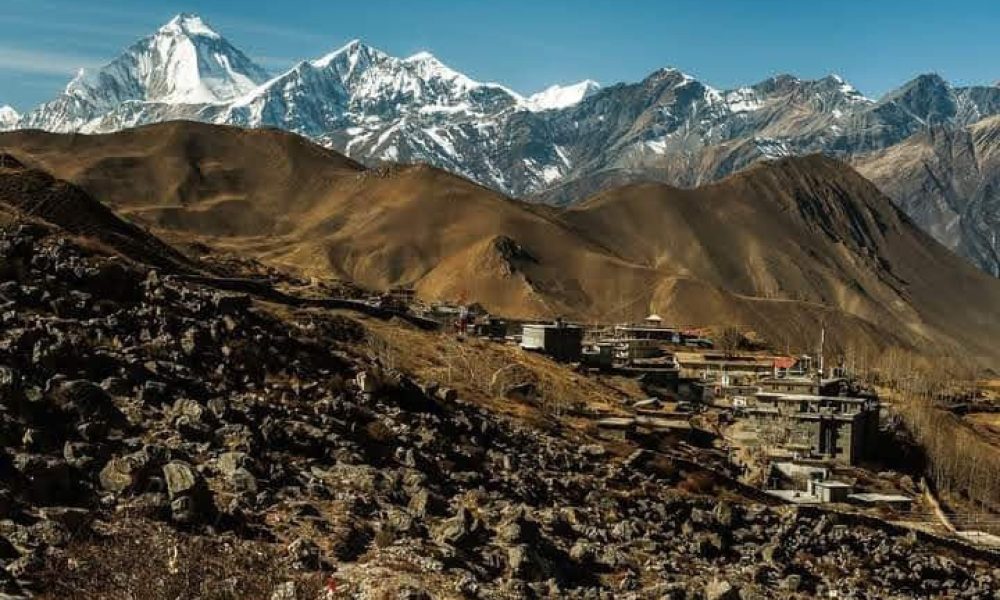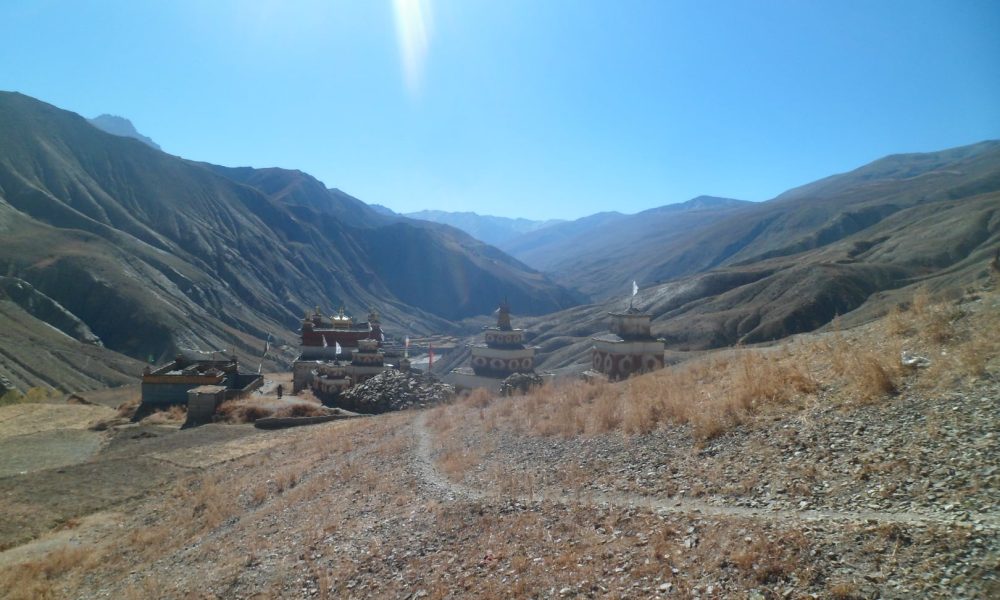
The Upper Dolpo region is one of Nepal’s most remote and culturally preserved trekking destinations. Located in a rain-shadow area, it features arid landscapes, ancient monasteries, high passes, and traditional Bon and Tibetan Buddhist culture. The region feels more like the Tibetan Plateau than the rest of Nepal.
Upper Dolpo trekking is a true expedition-style journey requiring camping, special permits, and significant preparation. The remoteness, high altitude, and cultural depth make it ideal for serious trekkers seeking an unparalleled Himalayan experience. Its isolation has preserved ancient traditions and pristine landscapes rarely seen elsewhere.
The Upper and Lower Dolpo Region is characterized by rugged mountains, deep river canyons, high-altitude deserts, alpine meadows, glaciers, and crystal-clear lakes. Elevations range from approximately 1,500 meters in the lower valleys to over 7,000 meters in the surrounding Himalayan peaks.
Unlike the greener regions of central Nepal, Upper Dolpo lies in the rain shadow of the Himalayas, creating a dry Tibetan plateau-like environment with barren hills, dramatic cliffs, and vast open landscapes. The region is crossed by several high mountain passes exceeding 5,000 meters, offering spectacular views of the Dhaulagiri and Kanjiroba mountain ranges.
One of the most remarkable natural features is the stunning Shey Phoksundo Lake, Nepal’s deepest and most beautiful alpine lake, famous for its turquoise-blue waters and dramatic mountain setting.
The Dolpo Region contains a remarkable variety of ecosystems and wildlife due to its diverse elevations and isolated environment.
The vegetation varies significantly with altitude and includes:
The region is particularly known for valuable medicinal plants such as Yarsagumba and other traditional Himalayan herbs.
The remote wilderness of Dolpo provides an important habitat for rare and endangered wildlife, including:
The region is considered one of the best places in Nepal for observing high-altitude Himalayan wildlife.
The Upper and Lower Dolpo Trek offers a unique combination of natural beauty, adventure, and cultural exploration.
Major Attractions
Trekkers are rewarded with spectacular mountain scenery, untouched landscapes, remote villages, and a sense of true wilderness rarely found elsewhere in the Himalayas.
Dolpo Region is home to Tibetan communities with culture, way of life and religion that has been the same for hundreds of years. They practice a combination of Tibetan Buddhism and Bon religion.
Dolpo region has numerous ancient monasteries and convents. Other religious structures such as mani walls and prayer flags can be found throughout the region. People still practice centuries-old traditions and customs.
Farming, herding (yaks and sheep) and trade are main activities of the people of this region. Although the region is not developed, tour operators have started organizing visits to the region.
Visitors to the region can see true and traditional Himalayan culture of Nepal. People of the region are also known for their warm hospitality. There are various villages throughout the region. Some of the best villages are Saldang, Shey and Dho Tarap.
Dolpo is one of the most unspoiled regions of Nepal. It offers adventure lovers a chance to explore wilderness and unique culture. This region of Nepal is home to rare wildlife and unique monasteries and convents.
Upper Dolpo is located in northwestern Nepal near the Tibetan Plateau. It is one of Nepal’s most remote and culturally preserved regions.
Upper Dolpo is known for its ancient Tibetan Buddhist and Bon culture, high-altitude desert landscapes, and extreme remoteness. It feels more like Tibet than the rest of Nepal.
Upper Dolpo trekking is challenging due to long trekking days, high passes above 5,000 meters, and limited infrastructure. Strong physical fitness and prior trekking experience are essential.
No, Upper Dolpo is not suitable for beginners. It is recommended only for experienced trekkers accustomed to high altitude and remote trekking.
Yes, Upper Dolpo is a restricted area and requires special permits issued by the Nepal government, arranged through authorized agencies.
Yes, trekking in Upper Dolpo requires a licensed guide, and solo trekking is not allowed.
Most of the trek involves fully supported camping, with very limited teahouse accommodation in a few villages.
Meals are prepared by the trekking staff throughout the journey, as local food options are limited in remote areas.
The best seasons are late spring (May–June) and early autumn (September), as Upper Dolpo lies in a rain-shadow region.
With proper permits, experienced guides, and good logistical support, trekking is safe, though it requires careful planning due to isolation.

Explore Nepal Trails is your trusted partner for trekking, peak climbing, and mountaineering adventures in Nepal. From classic Himalayan treks to high-altitude expeditions and cultural journeys, we deliver safe, well-planned, and unforgettable travel experiences.
We Accept

Join our community of over 200,000 global readers who receive emails filled with news, promotions, and other good stuff.

WhatsApp us