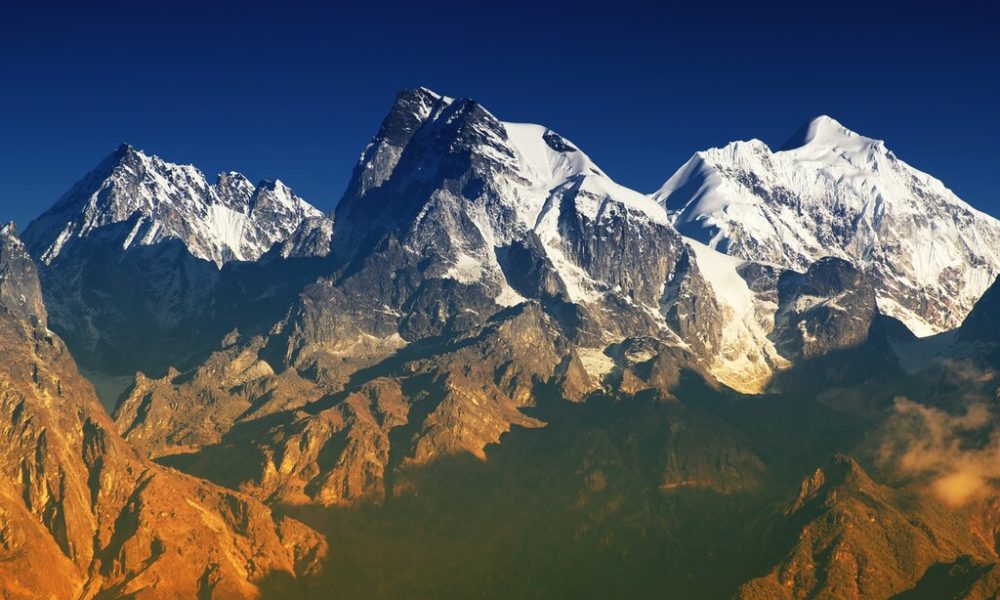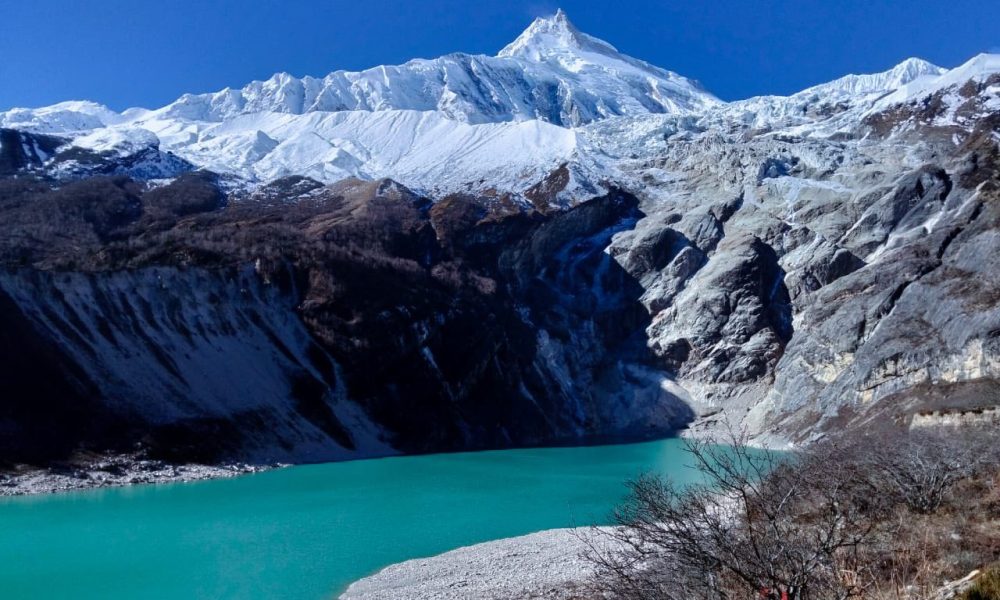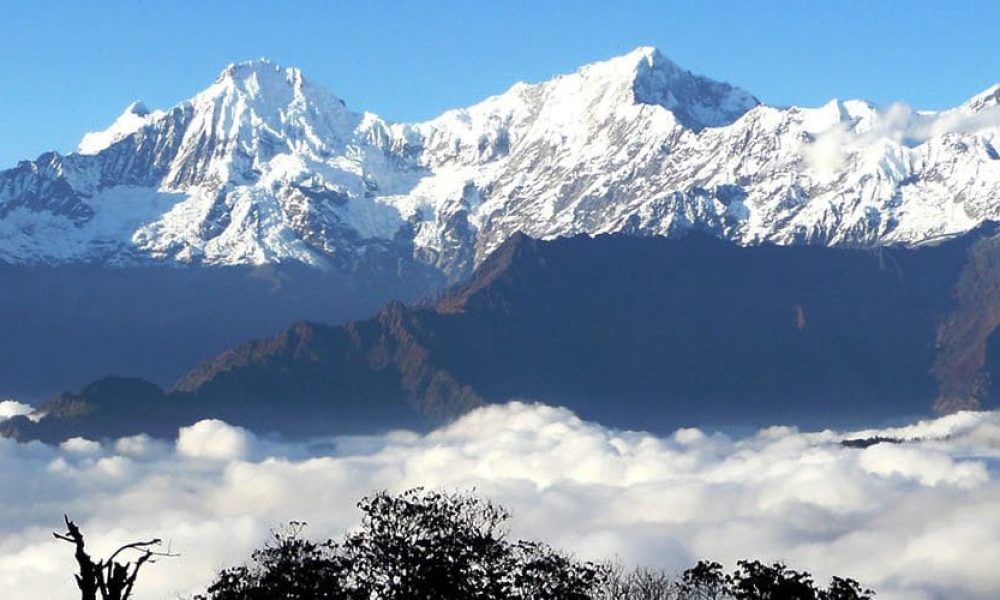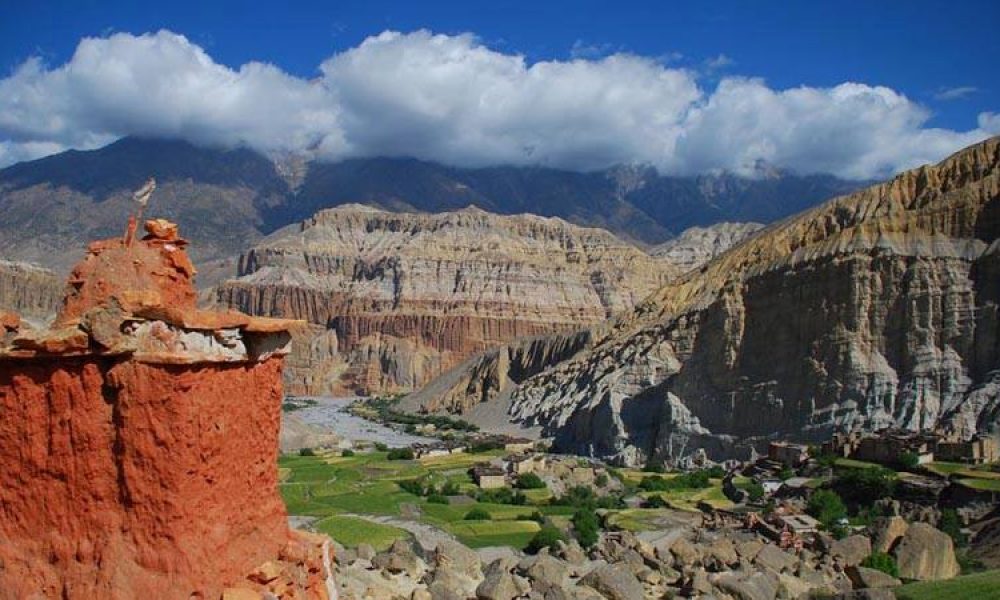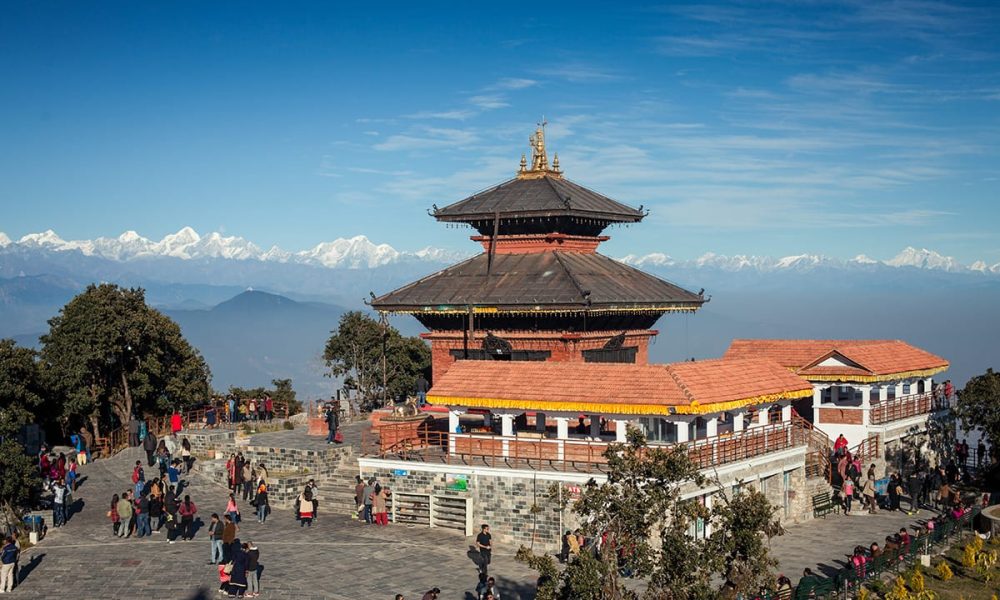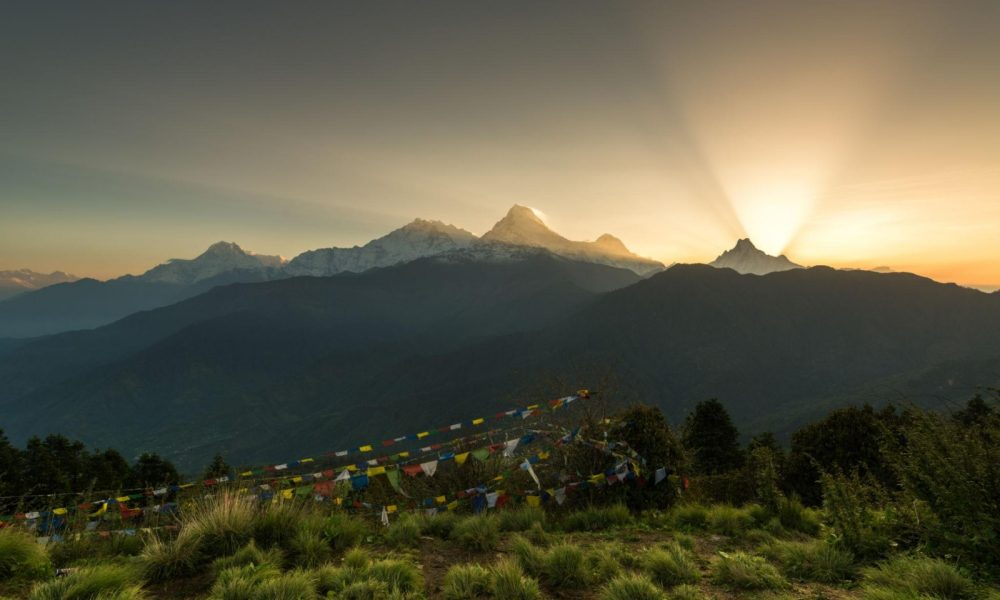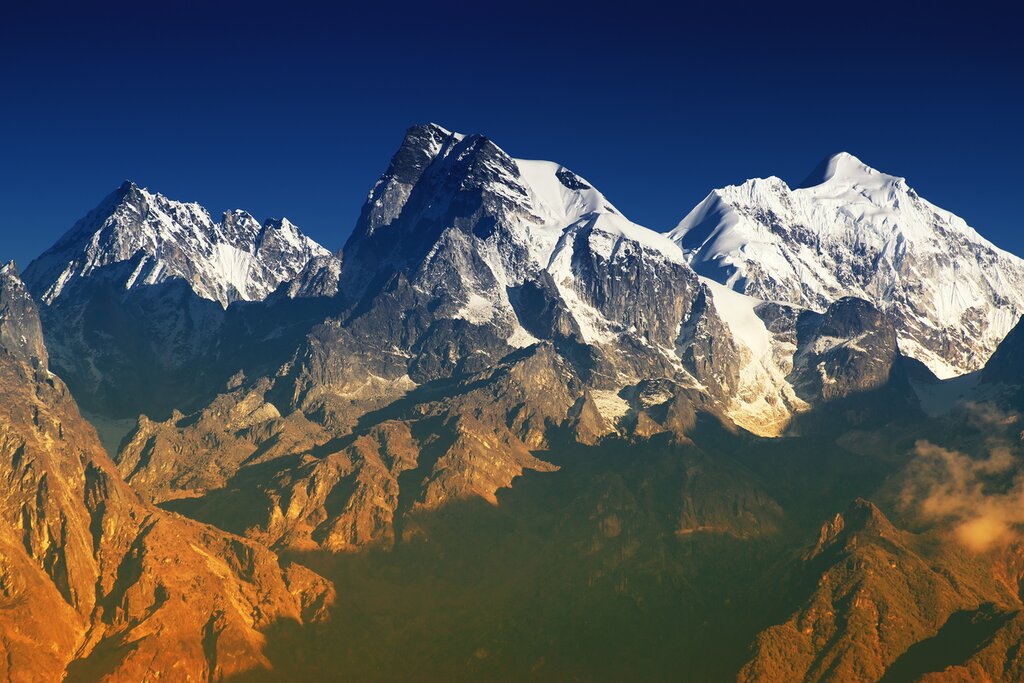
Lumba Sumba Pass Trek is a new trekking route which starts from Kanchenjunga and leads to Makalu through the GHT trail in a wilderness trek. Kanchenjunga base camp and Lumba Sumba Pass Trek is an amazing trek with a local unique traditional Tibetan village called Olangchung Gola with superb view of Mount Makalu to north and Kanchenjunga range to east.
Lumba Sumba Pass Trek also called Kanchenjunga to Makalu Traverse Trek is a newly opened trek route in the eastern side of Nepal between Mount Kanchenjunga, the third highest peak in the world and Makalu. Following the part of the Great Himalayan Trail crossing 5177 meters high pass of Lumba Sumba largely undiscovered land connecting Kanchenjunga Conservation and Makalu Barun National Park.
The flora and fauna admired on the Lumba Sumba trail can be seen, including many types of birds. The region is famous for its existence of the snow leopard and the Red Panda, hence, it has its own beauty. The path through the initial section, which runs through subtropical forests and small villages with terraced fields. We will start our hike through a miraculous terrain of deep fold river valleys that will give us a breath of fresh air and diminish our fatigue. It traverses subtropical forests and hillsides, small villages and emerald lines of rice terrace.
The group is led by an experienced team and will go on a wilderness trek to Lumba Sumba Pass accompanied by full camping supporters. This is a long-distance hike and requires the use of experienced team and high quality camping equipment. The best time to trek Kanchenjunga to Makalu over the Lumba Sumba Pass Trek is the month of October and November in the autumn season and April and May in the spring season.
Usually, in the month of November, the colorful Tibetan Buddhist festival Futuk is celebrated in the Olangchung Gola village. In spring, blooming colorful rhododendrons make the Lumba Sumba Pass trek more attractive, with breathtaking views of Mount Kanchenjunga and Makalu. If you are more of an adventurer, you can also opt for Lumba Sumba Pass trek which can be done by connecting Kanchenjunga Base Camp to the high route of the Great Himalayan trail over Lumba Sumba Pass to Makalu Base Camp.
Arrive at Tribhuvan International Airport. Meet your trekking team and transfer to the hotel. Evening briefing about the trek, equipment check, and trip preparation.
Free day in Kathmandu to prepare permits (Restricted Area Permit, Kanchenjunga Conservation Area Permit, Makalu Barun National Park Permit). Optional sightseeing around Kathmandu Valley.
Morning flight to eastern Nepal. Scenic drive through tea gardens and rolling hills to Ilam. Overnight at lodge/guesthouse.
Long but scenic drive via Phidim to Taplejung, the gateway to Kanchenjunga region. Overnight at lodge.
Begin trekking through cultivated land, cardamom farms, and Limbu villages. Descend to Tamor River and reach Mitlung. First taste of rural mountain life.
Walk along the Tamor River with suspension bridges and subtropical forests. Enter Kanchenjunga Conservation Area. Overnight in Chirwa village.
Trail passes through dense forest and riverside paths. Meet local Rai and Limbu communities. Sekathum sits at the confluence of two rivers.
Steep ascent through bamboo and rhododendron forests. Narrow trails and waterfalls make this a dramatic day.
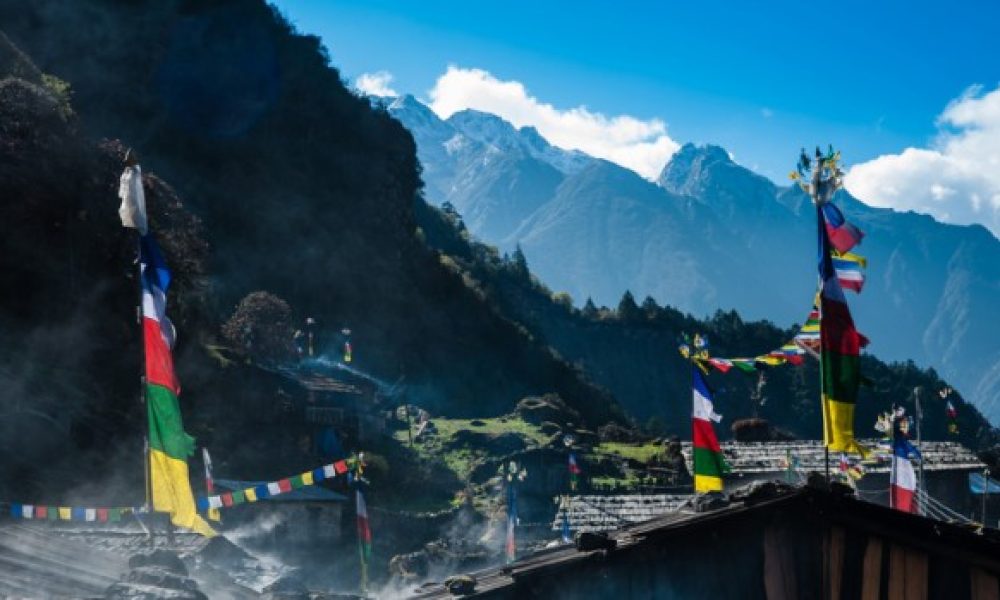
The landscape begins to feel alpine. Pass yak pastures and Buddhist prayer flags. First strong Tibetan cultural influence.
Enter the beautiful Sherpa village of Ghunsa, the cultural heart of the Kanchenjunga region. Visit monasteries and enjoy mountain views.
Rest and acclimatization. Optional hikes to nearby ridges or monasteries. Explore village life and prepare for higher altitude.
Follow the Ghunsa Khola through pine and juniper forests. Views of Jannu (Kumbhakarna) appear. Overnight in a quiet alpine settlement.
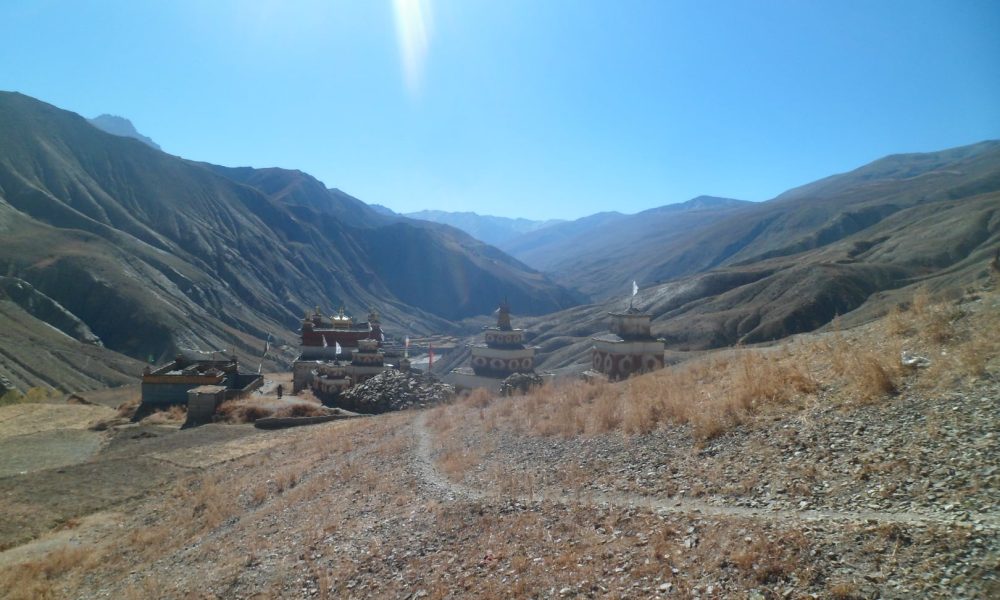
Descend into a remote valley toward the Tibetan border. Olangchung Gola is an ancient Sherpa village with a 400-year-old monastery.
Explore local monasteries, yak pastures, and surrounding hills. This day helps prepare for the high pass crossing.
Enter remote wilderness. The trail becomes rugged with moraines and alpine terrain. Camp under high Himalayan peaks.
Trek: 8–9 hrs – MOST CHALLENGING DAY
Early start. Cross Lumba Sumba Pass, the highest point of the trek. Spectacular views of Kanchenjunga, Makalu, and surrounding peaks. Long descent to Thudam village.
Descend through alpine meadows and forests. Meet Bhote and Tibetan-origin communities. Landscape changes rapidly.
Walk through terraced fields, forests, and traditional villages. Return to warmer, greener terrain.
Gentle trekking through Arun Valley. Cultural interaction with Rai and Limbu villages.
Final trekking day with ups and downs through farmland and forested hills. Celebrate completion of the trek.
Jeep drive to Tumlingtar. Overnight at Tumlingtar
A full free day in Kathmandu for rest and personal activities. You may explore the vibrant local markets of Thamel, visit cultural heritage sites, enjoy a traditional Nepali meal, or shop for souvenirs and trekking gear.
This day also serves as a buffer for any potential flight delays from the trekking region.
Transfer to the international airport for your homeland flight.

Hotel accommodation in Kathmandu with breakfast (as per itinerary)
Licensed, experienced trekking guide (mandatory for restricted areas)
Porters (with proper insurance, equipment, and fair wages)
Guide and porter accommodation, meals, salary, and insurance
Full-board meals during the trek (breakfast, lunch, dinner)
Accommodation during the trek: Lodges/guesthouses where available and Camping arrangements for remote sections (e.g., Upper Langmale Camp)
Camping equipment (tents, kitchen tent, dining tent, sleeping mats, cooking utensils) during camping nights
Experienced cook and kitchen staff for camping sections
Acclimatization and safety management, including altitude awareness
First-aid medical kit carried by the guide
Trekking route briefing and equipment check
All applicable government taxes and service charges
International airfare to/from Kathmandu
Nepal entry visa fees
Travel and rescue insurance (mandatory, including high-altitude helicopter rescue)
Personal trekking equipment, including: Sleeping bag, Down jacket, Trekking boots and poles, Personal clothing and gear
Personal expenses, such as:: Snacks, chocolates, energy bars, Hot showers, charging devices.
Alcoholic and bottled beverages
Lunch and dinner in Kathmandu (except welcome/farewell meals if specified)
Optional sightseeing tours in Kathmandu Valley
Tips for guide, porters, and staff (expected but not mandatory)
Costs arising from itinerary changes due to weather, flight delays, health issues, or unforeseen circumstances
Any expenses not explicitly mentioned under “Services Included”
The villages through which one treks toward Lumba Sumba present a unique mix of ethnic communities like Sherpa, Rai, Limbu, Gurung, Magar, Newar, and Tibetan origin Bhote or Lhomis/Kharbhotes.
Homes & Food: Simple homes made of stone and wood; shared meals of dal-bhat, roti, noodles, potatoes, and eggs.
Religion: Most people follow Hindu, Buddhist, particularly the Tibetan Nyingmapa school, and ancient Shamanistic faiths. You will come across monasteries, stupas, prayer flags, and chortens in
Festivals & Harmony: Villages celebrate their seasonal festivals with music, dance, and collective meals, which is a wonderful example of harmony.
One of the most notable places in this route is Olangchung Gola Village, which is a century-old Sherpa village near the border of Tibet. In Olangchung Gola Village, a visit to the monastery built 450 years ago.
The trek leads through villages that are predominantly inhabited by Limbu, Rai, Sherpa, and Tibetan-origin Bhote communities. Life is basic and interlinked with nature. People depend here on subsistence farming, livestock herding, and seasonal trade. Houses of stones with wooden roofs embroider the hillsides, and daily life revolves around agriculture, prayer, and community.
Religion and tradition blend along the trail in exquisite harmony. You will come across Buddhist monasteries, chortens, prayer flags, and mani walls everywhere especially in villages like Olangchung Gola, one of the most culturally important Sherpa villages of the region. Ancient monasteries, some over 400 years old, reflect a strong Tibetan Buddhist influence, but shamanistic rituals and Hindu customs are also an integral part of local life. Hospitality is warm and genuine; guests are often treated as family.
The wildlife is in abundance but shy. One may be fortunate enough to catch a glimpse of the signs left behind by the red panda, Himalayan black bears, musk deer, blue sheep, and even snow leopards if they are in the region. The bird life is rich, and the trek is a delight for nature lovers.
This trekking route is strenuous and difficult because of the long distances to be covered on a daily basis, the steep climbs and descents, the high altitude, as well as the lack of infrastructure within the region. Therefore, it is not a trekking route that both experienced adventurers and adventure enthusiasts can consider since some parts of the trekking route require camping due to unpredictable weather conditions.
Spring (March to May): Clear skies, rhododendron blooms,
Autumn (September–November): The best time for visibility, trail conditions, and mountain scenery
This pass is covered with snow during winter, and during the monsoon season, this route becomes slippery.
The idea of the Lumba Sumba Pass Trek is not one of comfort but one of true adventure. It provides an opportunity to explore Nepal the way it once was: untamed, religious, and steeped deeply within nature. If you are a lone hiker seeking the unique cultural and wilderness aspects of the Himalayas, then the Lumba Sumba Pass Trek is an experience you won’t want to miss.
Start: Taplejung or Mitlung
Finish: Num village (or sometimes Tumlingkar after a jeep transfer) You have to get back to Kathmandu from Tumlingtar airport if you have opted for flights after completing the trek.
You’ll need several permits:
The trek is located in far eastern Nepal, linking the Kanchenjunga Conservation Area with Makalu Barun National Park. It passes through remote villages such as Ghunsa, Olangchung Gola, and Thudam.
The complete trek typically takes 24 days, including arrival, preparation, trekking days, acclimatization, and return to Kathmandu.
The best seasons are spring (March–May) and autumn (September–November) when weather conditions are more stable and mountain views are at their best.
The Lumba Sumba Pass Trek is one of Nepal’s most remote treks. Facilities are limited, villages are sparse, and several days are spent away from modern infrastructure.
You will need the following permits:
Kanchenjunga Conservation Area Permit
Makalu Barun National Park Entry Permit
Restricted Area Permit for Olangchung Gola and Thudam sections
All permits are arranged by the trekking agency.
Yes. Trekking with a licensed guide and registered trekking agency is mandatory, especially in the restricted areas such as Olangchung Gola and Thudam.
Accommodation is a mix of:
Lodges and guesthouses in lower and mid-altitude villages
Camping in remote high-altitude sections, especially around Upper Langmale Camp and the Lumba Sumba Pass crossing
This trek is considered challenging to strenuous. It involves long trekking days, high altitude, remote terrain, and crossing a high mountain pass above 5,000 meters.
Yes. Due to prolonged exposure to high altitude, proper acclimatization days are included in the itinerary. Guides closely monitor health conditions to minimize risks.
This trek is not recommended for beginners. Prior high-altitude trekking experience, good physical fitness, and mental endurance are essential.
There are no reviews yet. Be the first one to write one.

Explore Nepal Trails is your trusted partner for trekking, peak climbing, and mountaineering adventures in Nepal. From classic Himalayan treks to high-altitude expeditions and cultural journeys, we deliver safe, well-planned, and unforgettable travel experiences.
We Accept

Join our community of over 200,000 global readers who receive emails filled with news, promotions, and other good stuff.

WhatsApp us