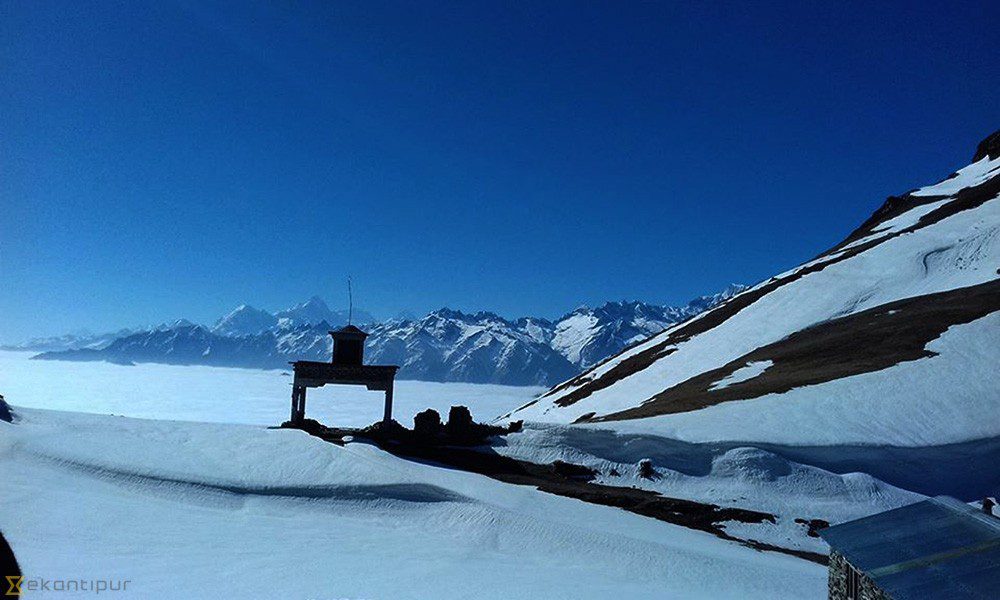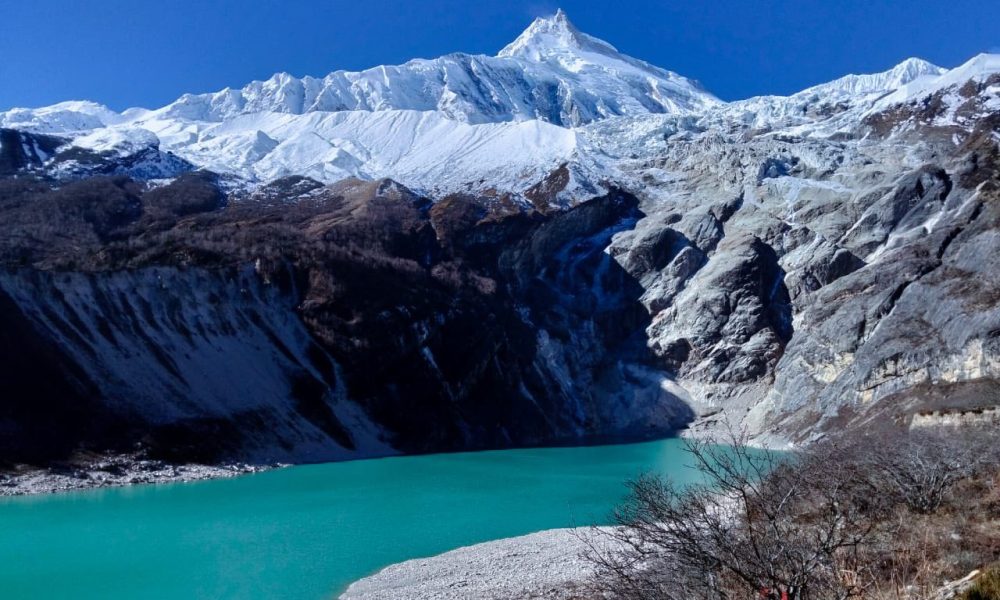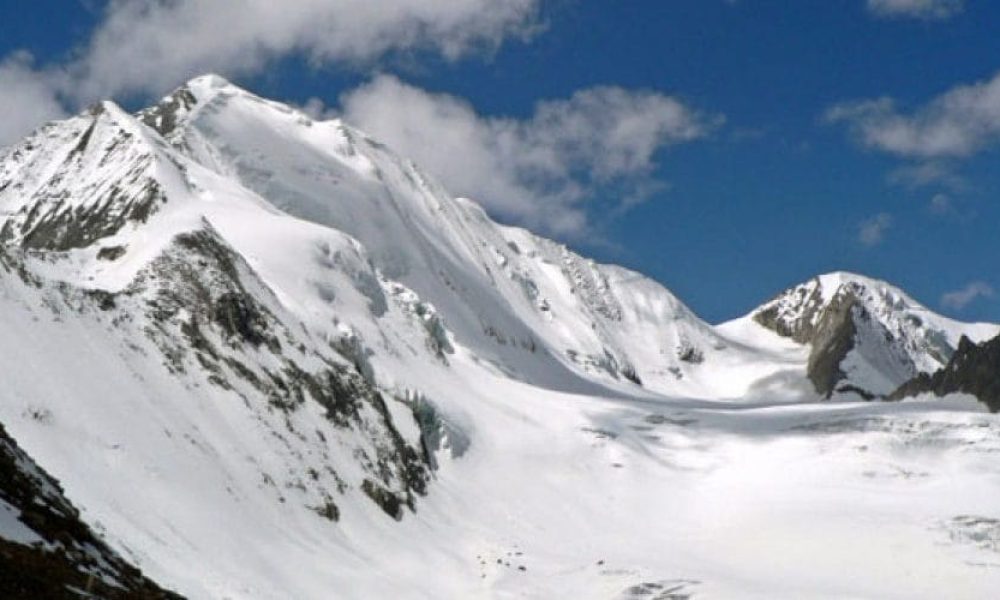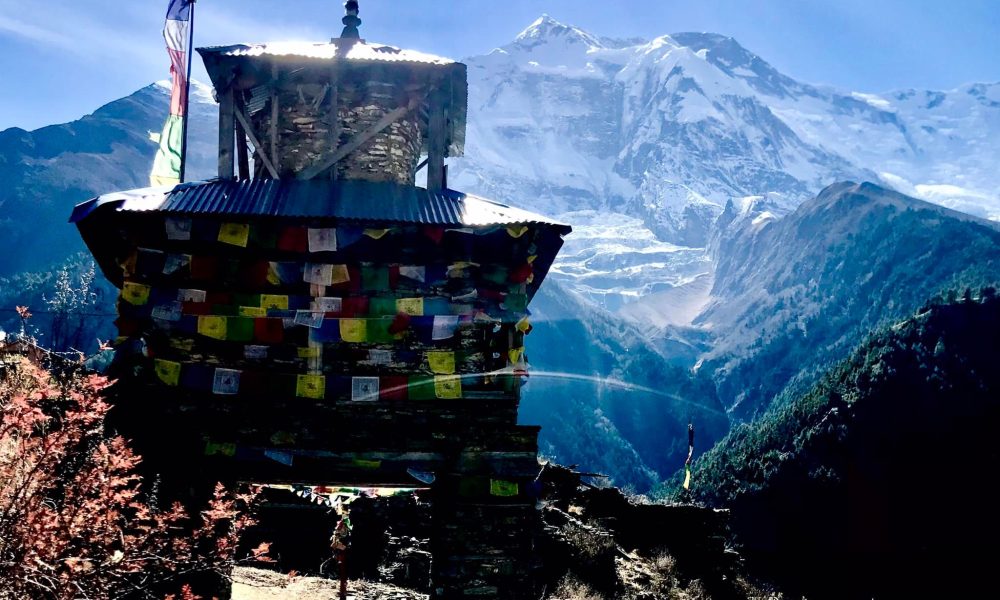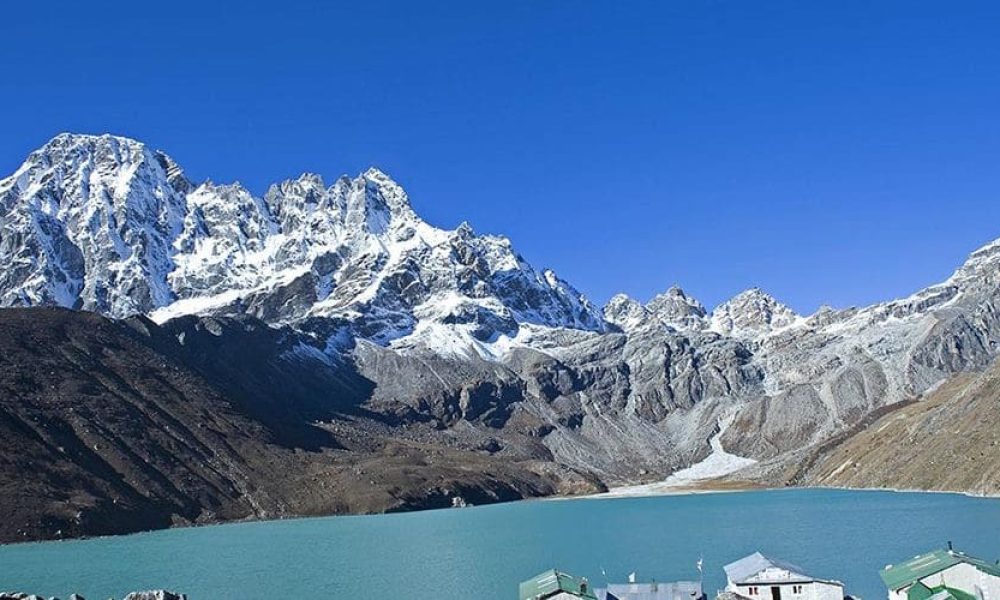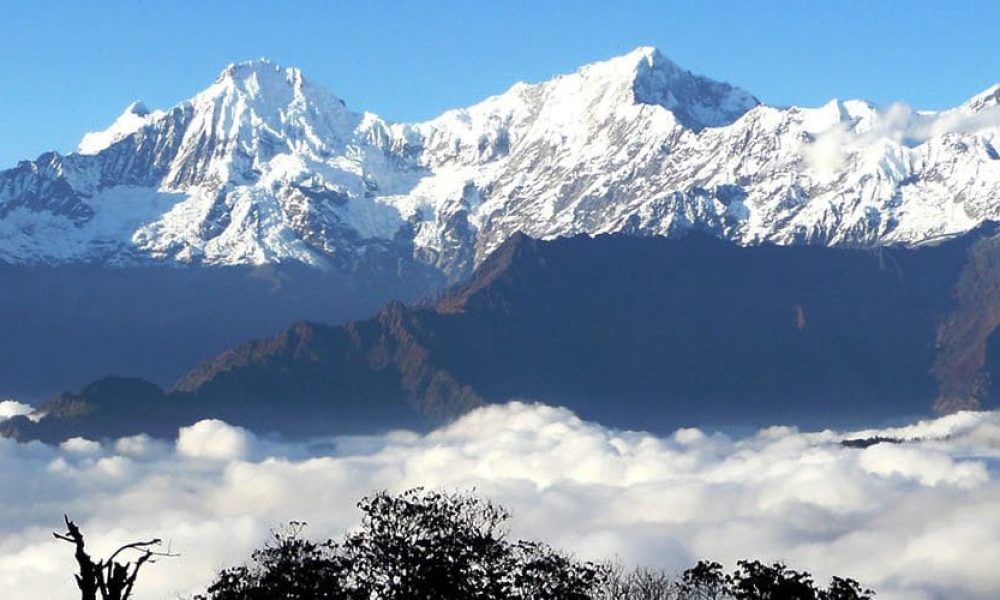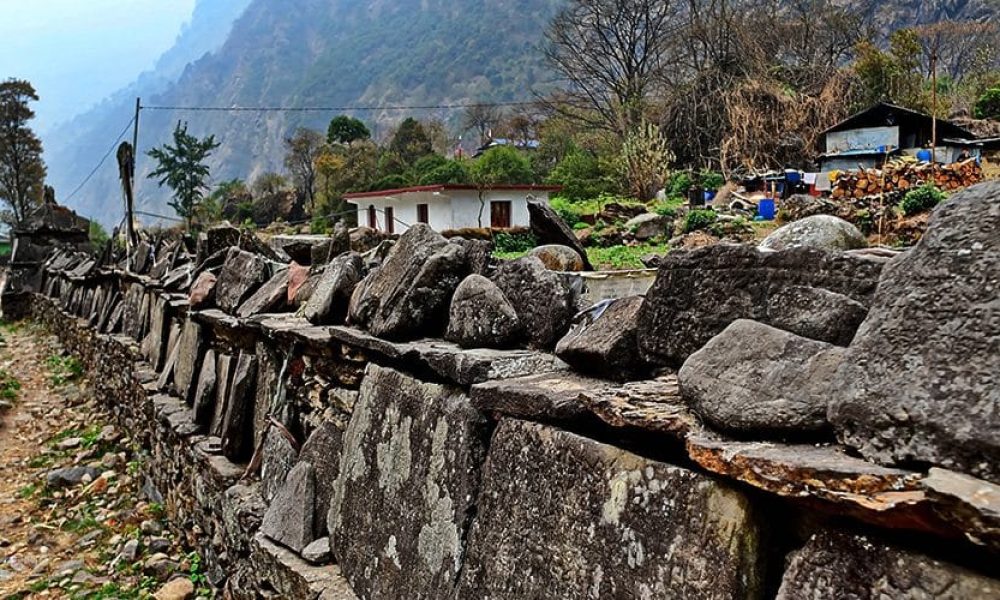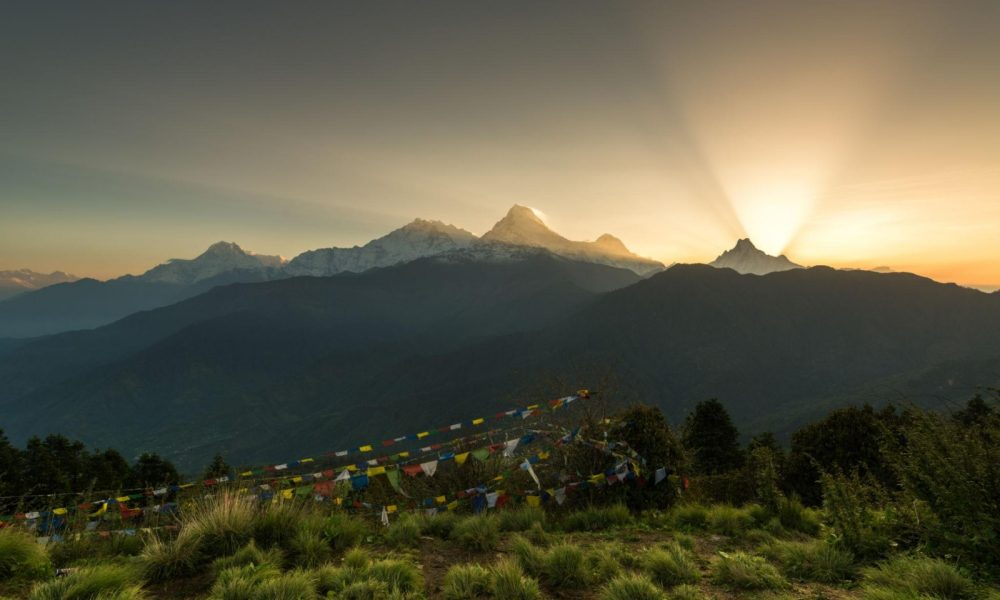
Chulu East Peak Climbing takes you to the summit of a 6,584m trekking peak in Nepal’s Annapurna region, blending the scenic trails of the Annapurna Circuit with a technical glacier climb. This 17-day expedition begins with a scenic drive from Kathmandu to Besisahar, then follows the classic Marsyangdi River trail through terraced fields, subtropical forests, and Tibetan-influenced villages before branching off toward Manang Valley. Along the way, you’ll pass through Chame, Ngawal, and other Gurung and Manangi settlements, spinning prayer wheels and taking in views of Annapurna II, III, and IV as the trail steadily gains altitude.
After a full acclimatization day at Ngawal, the route leaves the main Annapurna Circuit trail and heads into remote alpine terrain toward Chulu Far East Base Camp and High Camp, where the trekking portion gives way to genuine mountaineering. From High Camp, a fixed-rope, crampon-assisted summit push crosses a fractured glacier and a narrow snow ridge to reach the top of Chulu East, rewarding climbers with sweeping panoramic views of Annapurna, Manaslu, Dhaulagiri, Gangapurna, and the surrounding Damodar Himal. After the descent, the trail retraces its steps through Humde and Chame back to Besisahar for the return drive to Kathmandu.
Arrive in Kathmandu and transfer to your hotel. Rest and recover after your international flight.
A scenic drive through hills, rivers, and rural towns brings you to Besisahar, the gateway to the Annapurna region.
The trek begins along the Marsyangdi River, passing terraced fields and traditional villages to reach Ngadi.
Continue trekking through waterfalls, suspension bridges, and subtropical forests, gradually gaining altitude.
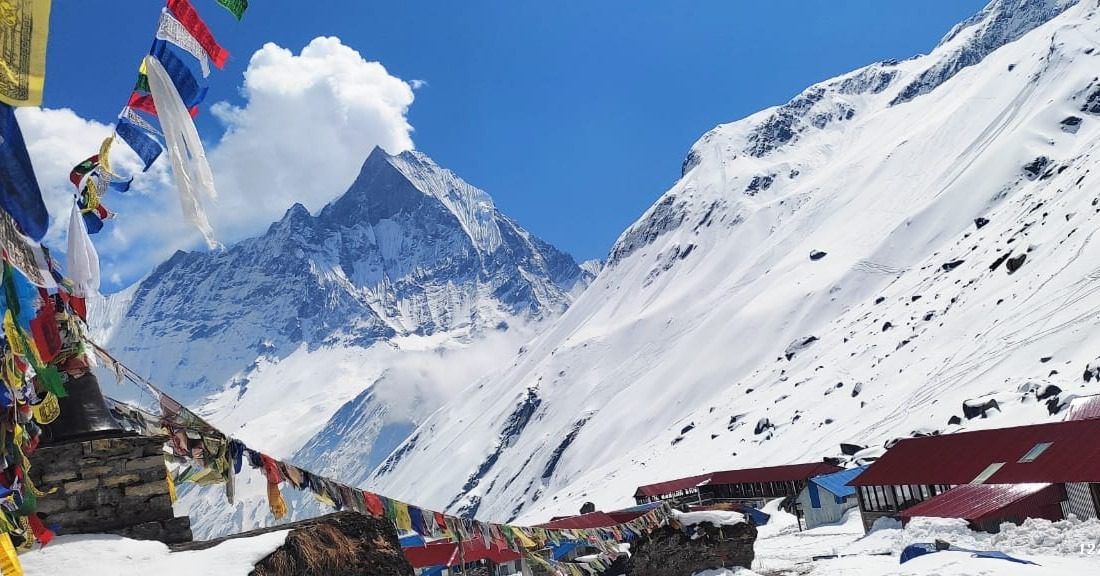
The trail enters higher alpine terrain with Tibetan-influenced villages and prayer flags, reaching Bagarchap.
A scenic trek through pine forests leads to Chame, the district headquarters of Manang, surrounded by dramatic mountain views.
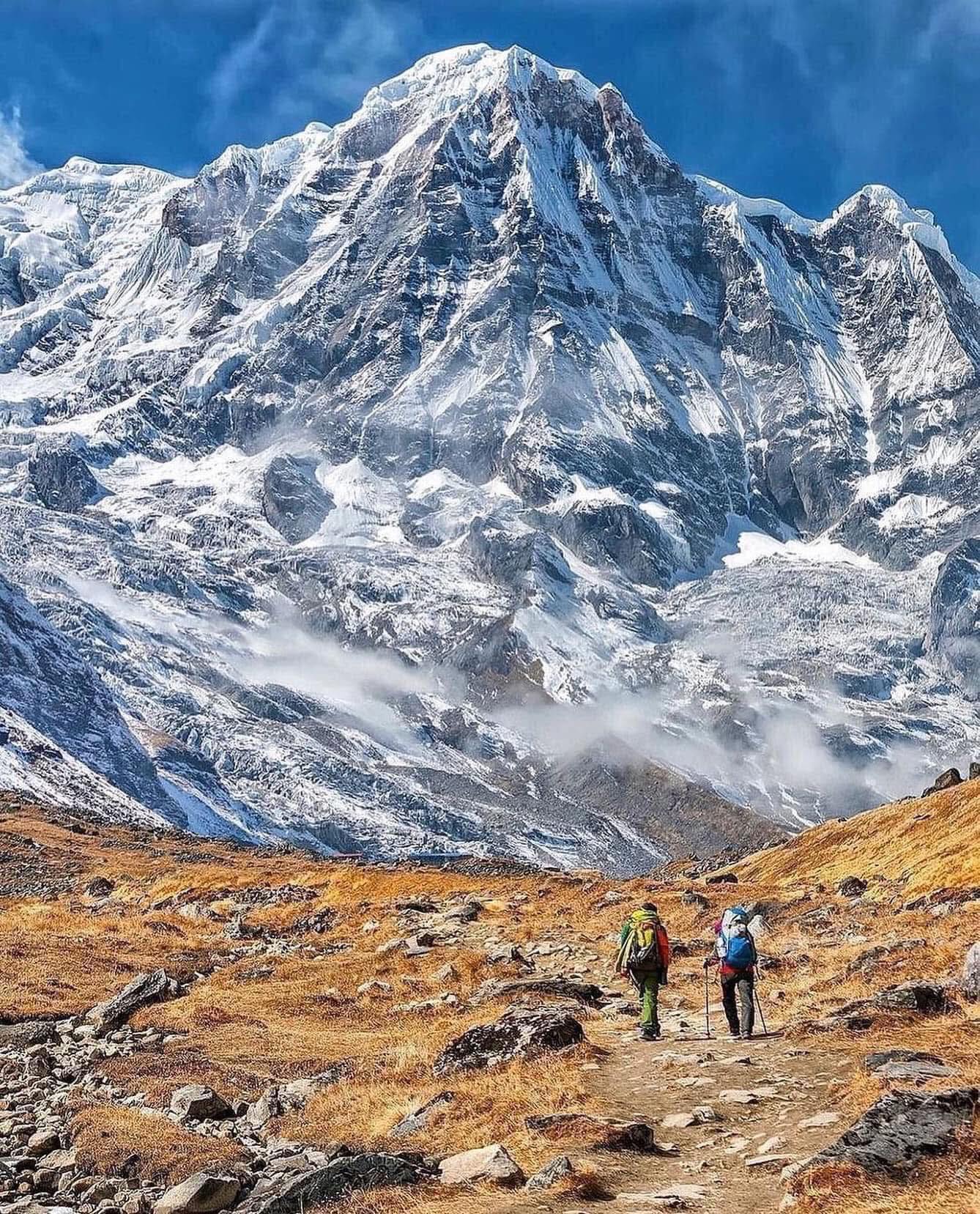
Ascending toward Upper Manang, the landscape becomes drier and more rugged. Ngawal is a peaceful village with stunning views of Annapurna II and Chulu peaks.
A full day for acclimatization and short hikes, preparing for the upcoming high-altitude climb.
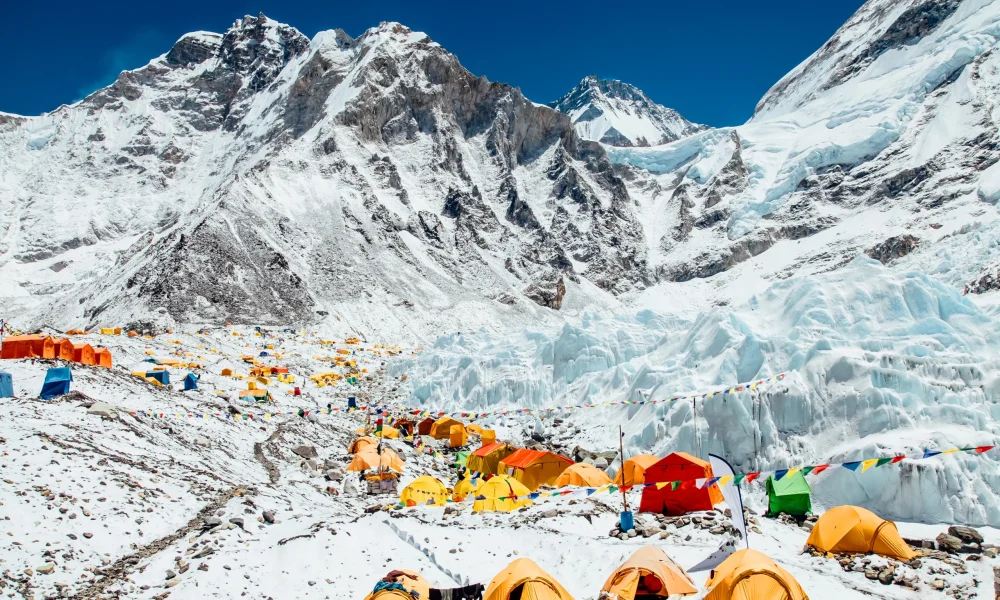
Leaving the main trekking trail, you trek into a remote alpine valley to reach Chulu Far East Base Camp.
Climb steadily over rocky and snowy terrain to High Camp, positioned for the summit attempt.
An early start leads to the summit of Chulu East (6,584m). From the top, enjoy panoramic views of Annapurna II, III, IV, Gangapurna, Manaslu, and Dhaulagiri before descending safely.
Descend carefully back to Base Camp, celebrating your successful summit.
Trek down to Humde village, home to Manang’s small airstrip and beautiful mountain scenery.
Retrace your steps through Manang Valley back to Chame.
A jeep drive through the Marsyangdi Valley brings you back to Besisahar.
Return to Kathmandu and transfer to your hotel.
Transfer to the airport for your onward journey.
Airport transfers in Kathmandu
Hotel accommodation in Kathmandu (B&B basis)
Ground transportation (Kathmandu–Besisahar–Chame–return)
Annapurna Conservation Area Permit (ACAP) & TIMS card
Chulu East Peak climbing permit
Experienced trekking guide and licensed climbing guide
High-altitude climbing Sherpa support
All meals during trekking and climbing period
Teahouse accommodation during trekking
Camping equipment for Base Camp & High Camp
Group climbing equipment (ropes, tents, snow bars)
Porter services during trekking
Medical kit & emergency support (group use)
International airfare
Nepal visa fees
Personal climbing gear (boots, crampons, harness, sleeping bag, etc.)
Travel, medical & rescue insurance (mandatory)
Personal oxygen use (if required)
Summit bonus for climbing Sherpa
Extra hotel nights in Kathmandu
Personal expenses (Wi-Fi, hot showers, charging, laundry)
Alcoholic and soft drinks
Tips for guides and porters
Emergency evacuation costs
Chulu East Peak Climbing is graded PD+ (Peu Difficile, “a little difficult” plus) on the international alpine scale, making it one of the more technical trekking peaks in Nepal compared to non-technical options like Mera Peak or Island Peak’s standard route. The difficulty comes from a combination of factors rather than any single obstacle.
The trek to base camp is straightforward and follows well-established Annapurna Circuit trails through Chame and Ngawal, so the first week is well within reach of any moderately fit trekker. The climb itself is where the real challenge begins. From High Camp to the summit, the route crosses a fractured glacier and a narrow, snow-covered summit ridge that requires the use of fixed ropes, crampons, and an ice axe. Climbers need to be comfortable moving on exposed, snowy terrain and using basic mountaineering equipment, even if they haven’t summited a peak before.
Our licensed climbing guides provide on-site training in rope work and crampon use before the summit push, so prior technical experience is helpful but not strictly mandatory — physical fitness and mental preparedness matter more.
The “Chulu” group consists of three connected peaks above Manang Valley, and it’s easy to confuse them when researching. Here’s how they compare:
| Peak | Altitude | Difficulty | Best For |
| Chulu East | 6,584m | PD+ (technical) | Climbers wanting a genuine technical summit with glacier and fixed-rope sections |
| Chulu West | 6,419m | AD (more technical) | Experienced climbers seeking a harder, less-crowded alternative |
| Chulu Far East | 6,060m | Non-technical | Trekkers wanting a high-altitude summit without technical climbing, often used as an acclimatization peak |
Chulu East is the most popular of the three because it strikes a balance which is technical enough to feel like a genuine mountaineering achievement, without the higher commitment of Chulu West. Some itineraries use Chulu Far East as a day hike for acclimatization before attempting Chulu East itself, which is worth asking your guide about if you want extra altitude adaptation before summit day.
Because Chulu East combines nine-plus days of trekking with a technical summit push above 6,000m, physical preparation matters more here than on a standard teahouse trek. At minimum, you should be comfortable walking 5–7 hours a day on variable terrain, and carrying a loaded pack shouldn’t be new to you by the time you arrive in Nepal.
We recommend starting a structured training routine at least 8–12 weeks before departure, focusing on:
For a full week-by-week training plan, see our guide on mountain trekking training — it covers a complete 12-week preparation plan suitable for Chulu East and other high-altitude trekking peaks.
Group climbing equipment (ropes, tents, snow bars) is included in your package, but personal gear is your responsibility. Here’s what you’ll need:
Technical gear:
Footwear & clothing:
Sleep & personal items:
For a full breakdown by category, see our climbing equipment guide.
The best seasons for Chulu East Peak Climbing are spring (March to May) and autumn (September to November).
Spring brings stable weather, warming temperatures, and blooming rhododendrons along the lower trekking trail, though snow conditions on the summit ridge can vary depending on winter snowfall.
Autumn offers the clearest skies and most stable weather of the year, right after the monsoon has washed the dust from the air. This is generally considered the more reliable season for summit conditions, with less risk of afternoon cloud cover obscuring the route.
Climbing outside these windows during the monsoon (June–August) or winter (December–February) is not recommended. Monsoon season brings poor visibility, unstable snow, and landslide risk on the approach trek, while winter brings extreme cold and heavy snow accumulation that can make the summit ridge dangerous or impassable.
Chulu East Peak Climbing is a technical trekking peak expedition in the Annapurna region, combining Annapurna Circuit trekking with a challenging 6,500m Himalayan summit.
Chulu East Peak is located in the Annapurna region of Nepal, north of Manang Valley, near Ngawal village.
The expedition usually takes 16–18 days, depending on acclimatization and weather conditions.
You need a Chulu East Peak climbing permit, Annapurna Conservation Area Permit (ACAP), and a TIMS card.
Yes, a licensed climbing guide is mandatory due to technical sections and safety regulations.
Accommodation includes teahouses during trekking and camping at Base Camp and High Camp.
Chulu East is considered challenging, requiring good physical fitness, high-altitude tolerance, and basic technical climbing skills.
Yes. Proper acclimatization and gradual ascent are essential as the climb exceeds 6,500 meters.
Chulu East is not recommended for beginners. Previous trekking peak or alpine climbing experience is strongly advised.
There are no reviews yet. Be the first one to write one.

Explore Nepal Trails is your trusted partner for trekking, peak climbing, and mountaineering adventures in Nepal. From classic Himalayan treks to high-altitude expeditions and cultural journeys, we deliver safe, well-planned, and unforgettable travel experiences.
We Accept

Join our community of over 200,000 global readers who receive emails filled with news, promotions, and other good stuff.

WhatsApp us