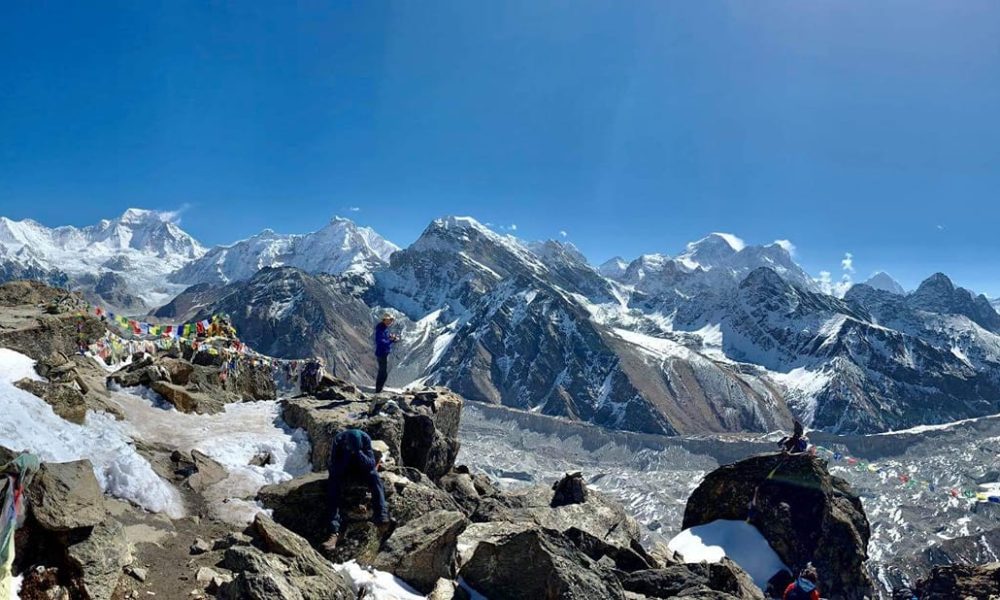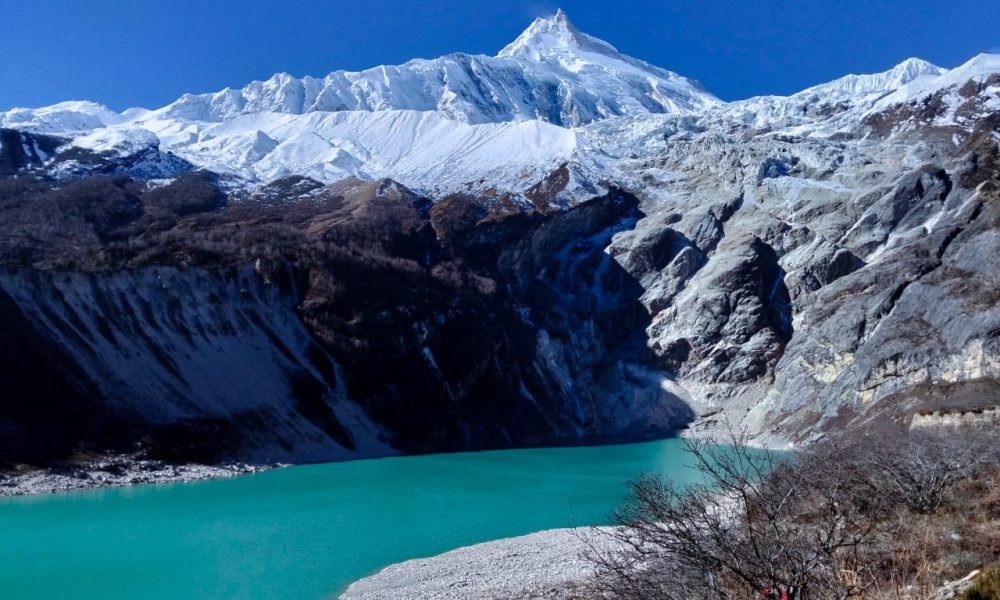
Mountain expeditions in Nepal offer experienced climbers the opportunity to attempt some of the most demanding and celebrated summits in the Himalayas. From the world’s highest mountain, Mount Everest, to the technical ridges of Ama Dablam and the high-altitude environments of Manaslu and Himlung Himal, each expedition presents a distinct combination of altitude, terrain, logistics and mountaineering difficulty.
Unlike ordinary trekking or introductory peak climbing, a major Himalayan expedition requires extensive preparation. Climbers may spend several weeks acclimatizing, completing rotations between high camps, monitoring weather systems and preparing for a limited summit window. Technical competence, previous high-altitude experience, physical endurance and sound decision-making are essential.
Nepal is one of the world’s most important mountaineering destinations. Its mountains range from technically demanding 6,000-metre summits to several of the world’s 8,000-metre peaks.
The following expeditions are currently available through Explore Nepal Trails.
The Mount Everest Expedition is designed for highly experienced mountaineers prepared for an extended expedition at extreme altitude. The standard approach from Nepal follows the Southeast Ridge through the Khumbu Icefall, Western Cwm, Lhotse Face and South Col.
Climbers must be prepared for repeated acclimatization rotations, prolonged exposure to altitude, glacier travel, fixed-rope climbing and rapidly changing weather. Attempting Everest requires considerably more than strong physical fitness; it demands previous high-altitude experience, efficient equipment use and the ability to make disciplined decisions in extreme conditions.
The Manaslu Expedition reaches the eighth-highest mountain in the world. Its standard route includes glacier travel, crevasse hazards, steep snow slopes, high camps and an exposed summit approach.
Manaslu is frequently considered by climbers developing experience on 8,000-metre mountains. However, it remains a serious high-altitude expedition and should never be treated as an easy alternative to Everest. Technical conditions, snow stability, weather and acclimatization can substantially affect the climb.
The Himlung Himal Expedition combines remote Himalayan travel with a full 7,000-metre mountaineering objective. Located near the Nepal–Tibet border, the expedition approaches the mountain through the culturally distinctive Nar–Phu region.
Himlung Himal can provide a valuable progression between 6,000-metre climbing peaks and higher 8,000-metre expeditions. Participants still require high-altitude fitness, glacier skills, familiarity with fixed ropes and previous mountaineering experience.
The Ama Dablam Expedition is lower than Everest or Manaslu but considerably more technical. Its Southwest Ridge includes steep rock, snow and ice, exposed traverses, fixed ropes and restricted high-camp locations.
Major expeditions are suitable only for experienced climbers with prior high-altitude and technical climbing experience.
Major expeditions usually take 30 to 60 days, depending on the mountain and conditions.
Major expeditions involve greater altitude, technical difficulty, risk, and logistical support than trekking peaks.
Special expedition permits issued by Nepal authorities are required, along with national park permits.
Yes, expeditions require professional expedition leaders and high-altitude climbing Sherpa support.
They involve significant risks due to altitude, weather, and terrain. Proper planning and professional support reduce these risks.
The best seasons are spring (April–May) and autumn (September–October), depending on the peak.

Explore Nepal Trails is your trusted partner for trekking, peak climbing, and mountaineering adventures in Nepal. From classic Himalayan treks to high-altitude expeditions and cultural journeys, we deliver safe, well-planned, and unforgettable travel experiences.
We Accept

Join our community of over 200,000 global readers who receive emails filled with news, promotions, and other good stuff.

WhatsApp us