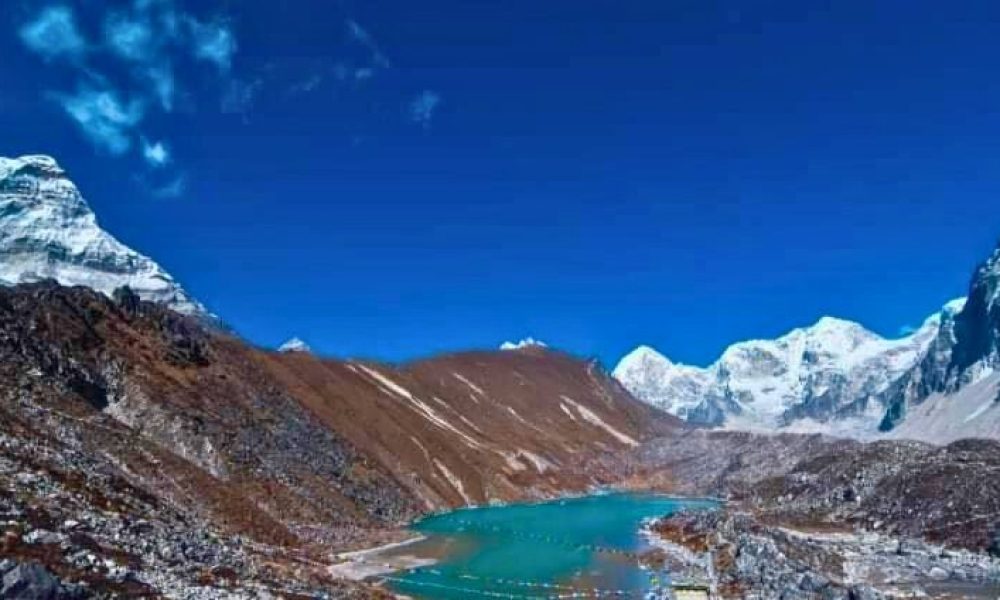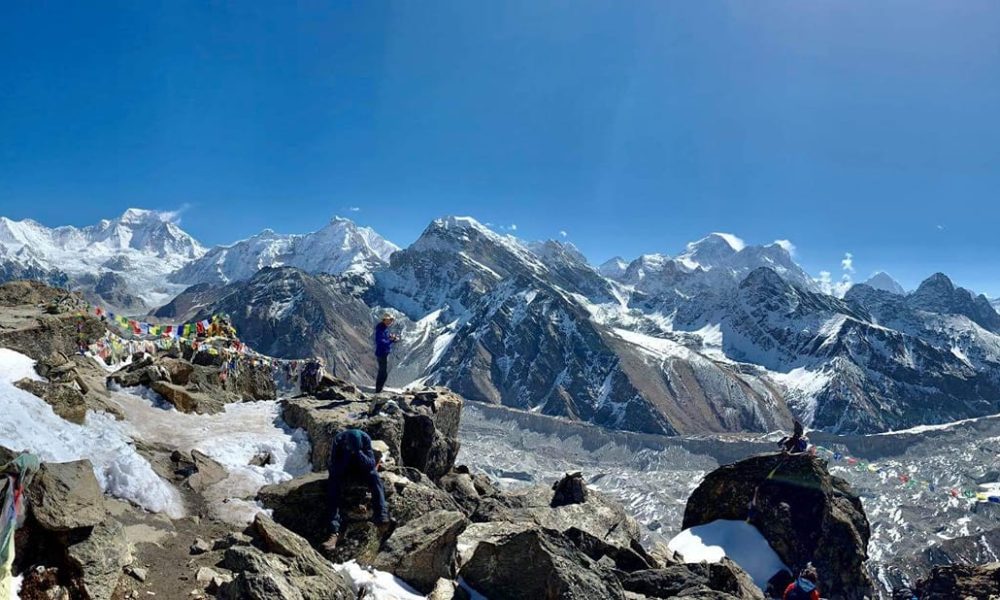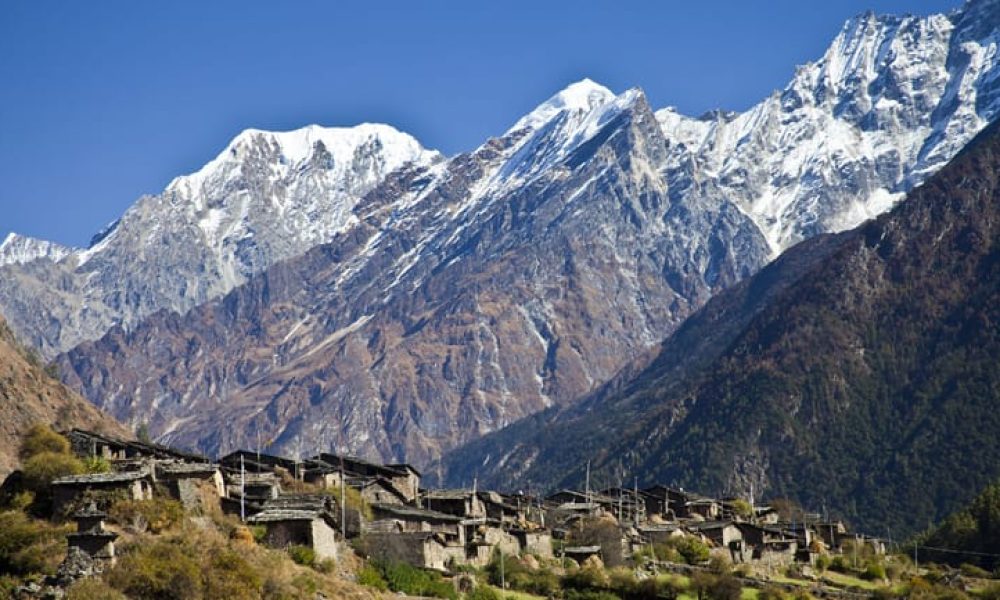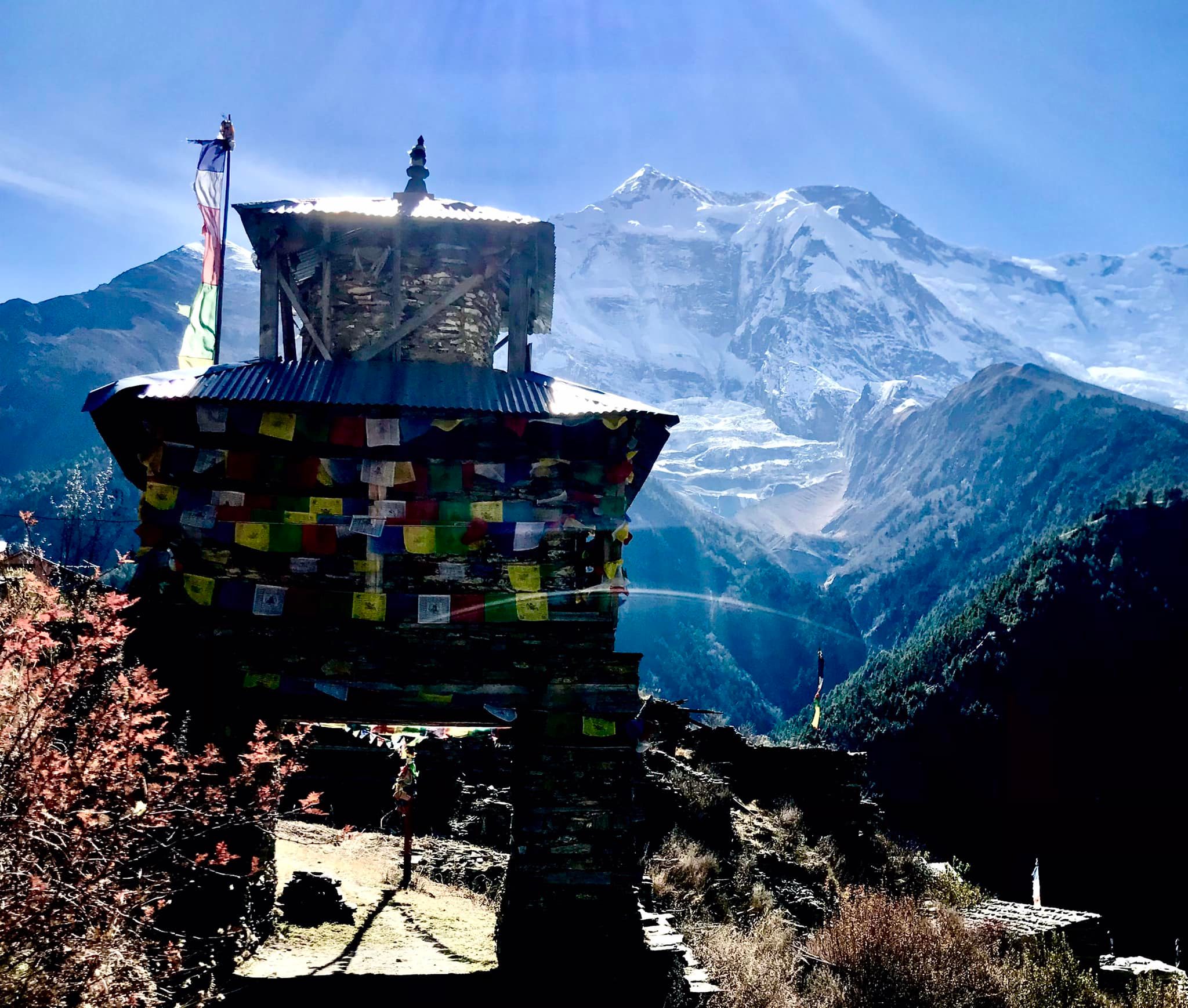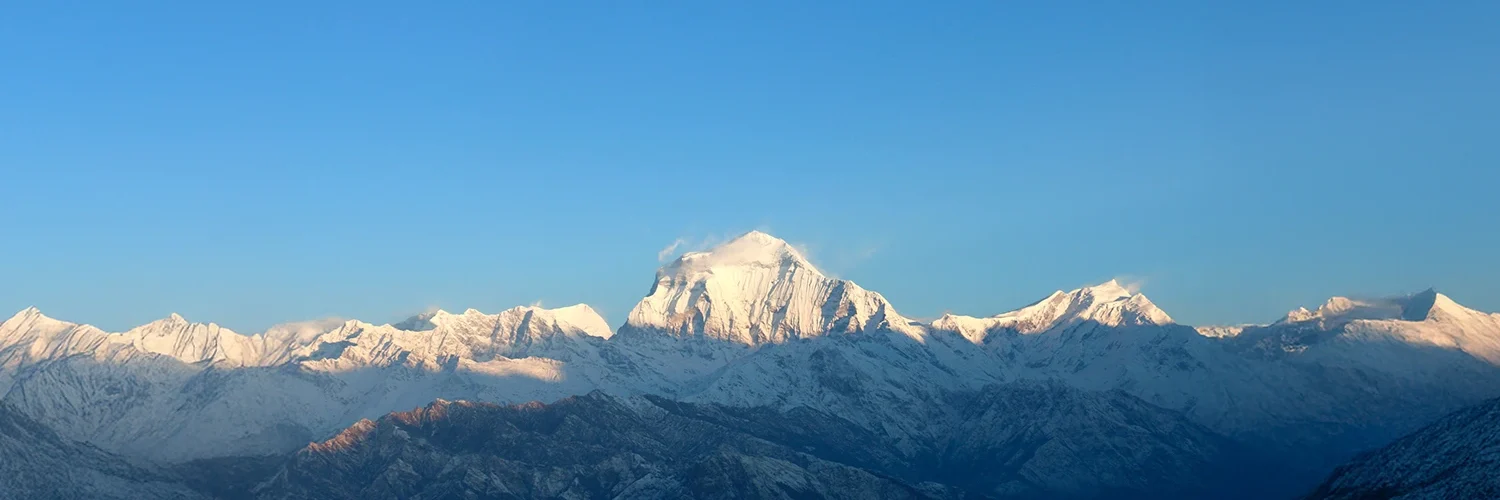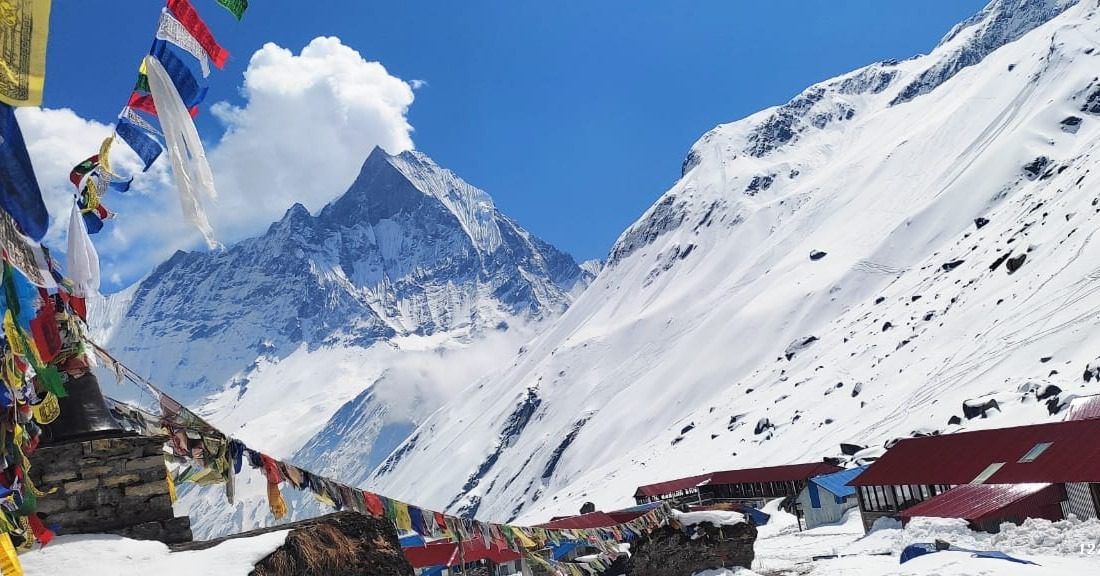
The Annapurna Circuit Trek is one of Nepal’s most iconic, diverse, and rewarding trekking adventures. Often considered the most adventurous experience in the Annapurna region, this legendary trail has attracted trekkers from around the world since it opened in 1977. Renowned for its dramatic landscapes, rich Himalayan culture, and constantly changing terrain, the Annapurna Circuit remains a bucket-list journey for adventure lovers.
Nearby lies the Annapurna Sanctuary Trek also known as the Annapurna Base Camp Trek which provides a concentrated alpine experience inside a natural amphitheatre of towering peaks. While the Circuit Trek loops around the Annapurna massif, the Sanctuary/ABC Trek takes you to the heart of the mountains, making the two routes ideal complements for trekkers seeking variety.
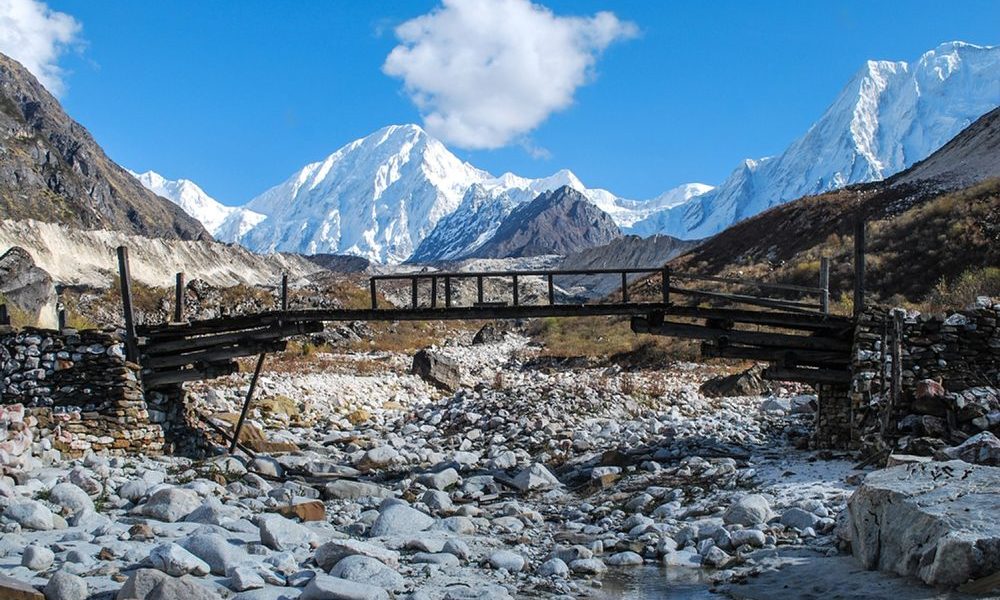
The circuit officially begins at Besishahar, following the beautiful Marshyangdi River Valley, where early views of Manaslu, Himal Chuli, and other eastern peaks accompany you. As you ascend, you’ll pass through traditional Gurung, Thakali, and Manangi settlements each offering unique architecture, culture, and warm hospitality.
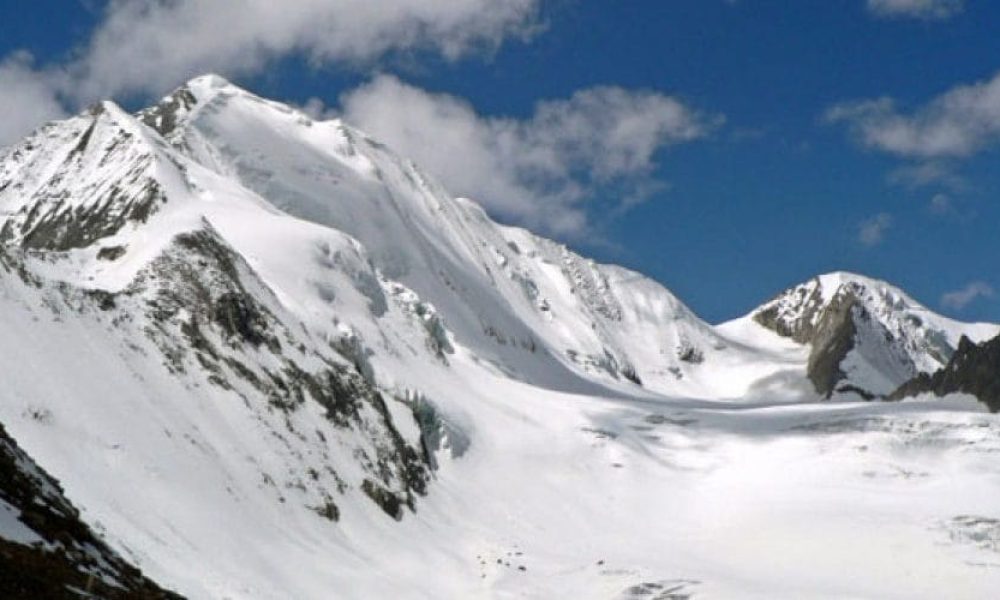
The ultimate highlight of the trek is the crossing of Thorong La Pass (5,416 m) one of the highest and most iconic trekking passes in the world. From the Tibetan-influenced highlands of Manang, the trail descends toward Muktinath, a sacred pilgrimage site for both Hindus and Buddhists. The journey continues through the dramatic Kali Gandaki Gorge, known as the world’s deepest gorge, before concluding in the lakeside paradise of Pokhara.
With spectacular mountain views, cultural immersion, and diverse landscapes, the Annapurna Circuit Trek in Nepal offers a life-changing adventure and remains one of the world’s greatest long-distance trekking routes.
Welcome to Nepal! Upon arrival at Tribhuvan International Airport, you’ll be transferred to your hotel in Kathmandu. Take the rest of the day to relax, adjust to the altitude, and prepare for your trek.
Today is dedicated to final preparations. Your trekking guide will review your gear, arrange required trekking permits (ACAP & TIMS), and provide a detailed briefing about the route, safety, and altitude adaptation.
Enjoy a scenic 7-hour drive along rivers, hillside landscapes, and charming villages. From Bulbule, hike for about 3 hours to reach your teahouse. Your journey into the Annapurna region officially begins.
A beautiful 5–6 hour trek following the Marshyangdi River. Walk through terraced fields, waterfalls, and traditional villages before reaching Chyamje.
Gain altitude gradually during a 5–6 hour trek. The trail ascends through dense forests and rocky terrain, offering the first glimpses of snow-covered peaks.
A 6–7 hour walk through rhododendron forests, narrow trails, and river valleys. Chame is the district headquarters of Manang and offers hot springs and incredible views.
Trek 5–6 hours through pine forests and steep ridges. As you enter the Upper Marshyangdi Valley, the views of Annapurna II and Pisang Peak become spectacular.
A longer but rewarding 6–8 hour day. Follow either the upper or lower Pisang route as you cross into the high-altitude landscape. Manang welcomes you with Tibetan-influenced culture and dramatic mountain scenery.
A crucial day for adjusting to the elevation. Explore side trails like Gangapurna Lake or Braga Monastery. Rest, hydrate well, and prepare for the high Himalayan terrain ahead.
A 4–5 hour gradual ascent with thinning air and expanding views. You’ll pass yak pastures and rugged terrain as you gain altitude.
A short but steady 3–4 hour climb towards Thorong La Base Camp or High Camp. Rest early and prepare mentally and physically for the next day’s pass crossing.
The most challenging yet rewarding day of the trek. Start early to cross Thorong La Pass, one of the highest and most iconic passes in the world. Enjoy breathtaking Himalayan panoramas from the top before descending to the sacred pilgrimage town of Muktinath.
A comfortable 4–5 hour trek through arid Mustang-style landscapes. Pass through Kagbeni, where Tibetan Buddhist culture thrives, before reaching the windy mountain town of Jomsom.
Take a scenic drive down the Kali Gandaki Gorge the world’s deepest river gorge. Relax in the natural hot springs of Tatopani, a perfect way to ease tired muscles.
A long 7–8 hour ascent through terraced fields, local villages, and rhododendron forests. Ghorepani is known for its vibrant Gurung culture and colorful teahouses.
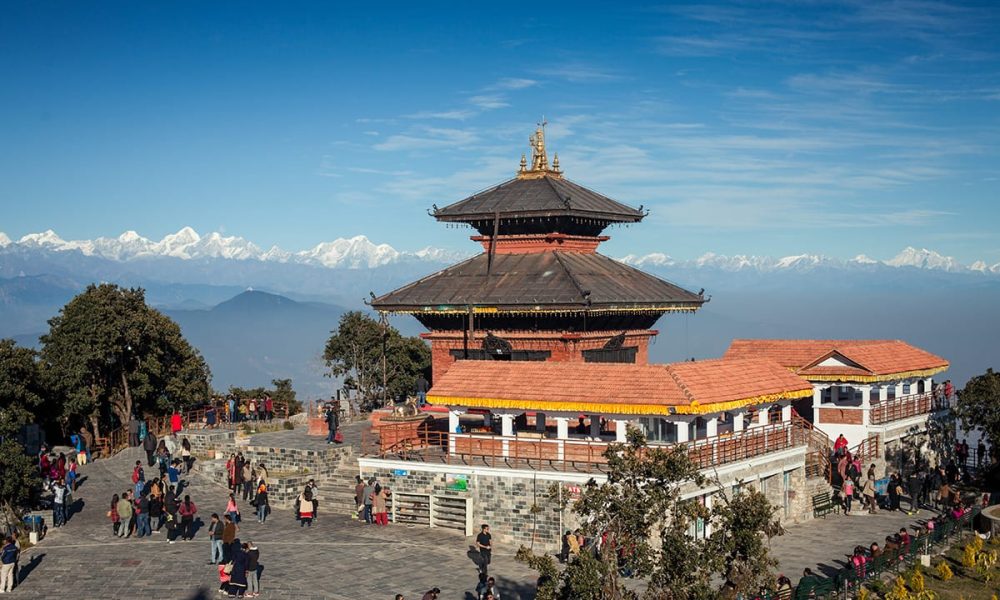
Start early for a short hike to Poon Hill (3,210 m) one of Nepal’s best sunrise viewpoints with panoramic views of Annapurna and Dhaulagiri ranges. Trek down to Nayapul and drive to Pokhara for a relaxing evening by the lake.
Return to Kathmandu by road or flight. Enjoy a farewell dinner or continue your onward journey with unforgettable memories of the Annapurna Circuit.
| Trip Details | Information |
|---|---|
| Duration | 14–18 days (full circuit) |
| Maximum Altitude | 5,416 m (Thorong La Pass) |
| Difficulty Level | Moderate to Challenging |
| Accommodation | Teahouse/Lodge |
| Best Seasons | Autumn (Sept–Nov) & Spring (Mar–May) |
| Required Permits | ACAP Permit + TIMS Card |
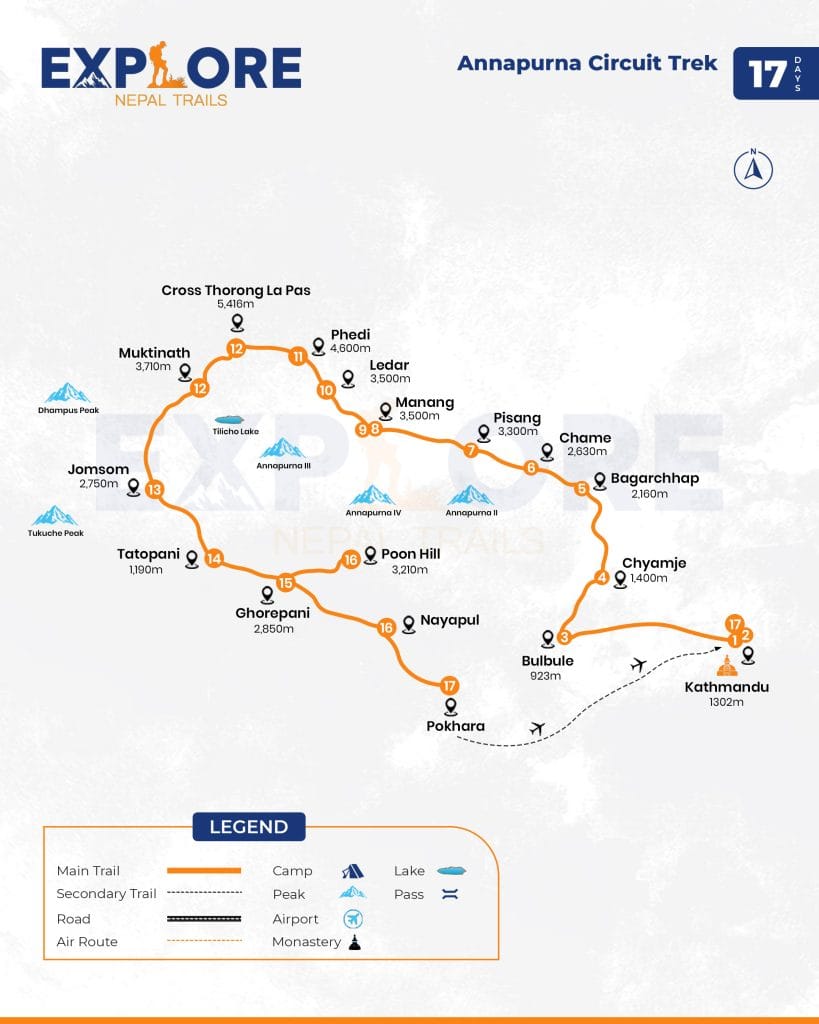
| Typical Route | Besishahar → Marshyangdi Valley → Manang → Thorong La → Muktinath → Jomsom → Tatopani → Pokhara |
Duration: 14–18 days (full circuit)
Maximum altitude: approx. 5,416 m (Thorong La Pass)
Difficulty: Moderate to Challenging – good fitness and acclimatization required
Accommodation: Tea-house/lodge style en route
Best seasons: Autumn (Sept–Nov) & Spring (Mar–May) clear skies and stable weather
Permits: ACAP (Annapurna Conservation Area Permit) + TIMS card
Typical start point: Besishahar → Marshyangdi Valley → Manang → Thorong La → Muktinath → Jomsom → Tatopani → Pokhara
Our 17-day Annapurna Circuit Trek package is priced at USD 1,575, covering guided services, permits, accommodations, meals during the trek, and all major logistics. This all-inclusive cost ensures a safe, comfortable, and well-organized Himalayan adventure.
The Annapurna Circuit Trek is famous for its dramatic elevation changes, taking you from low-altitude subtropical valleys to the high Himalayan pass of Thorong La (5,416 m). Understanding the altitude profile helps trekkers prepare for acclimatization, pacing, and overall safety throughout the journey.
Starting Elevation: 923 m (Bulbule)
Highest Point: 5,416 m (Thorong La Pass)
Ending Elevation: 1,400 m (Pokhara area before return to Kathmandu)
Major Altitude Zones Crossed: Subtropical forest → Temperate forest → Alpine zone → High-altitude desert
This itinerary is well-structured for safe altitude gain, with gentle increases during the first week and a full acclimatization day in Manang (3,500 m) before pushing toward the higher elevations of Ledar, Phedi/High Camp, and finally Thorong La Pas
The optimal windows for the Annapurna Circuit Trek are spring (March-May) and autumn (September-November). In these seasons you’ll enjoy clearer skies, stable weather and excellent mountain visibility.
Train for 6–8 weeks before the trek
Focus on cardiovascular workouts, stair climbing, and leg strength
Take acclimatization days seriously (e.g., Manang)
Stay hydrated, ascend gradually, avoid alcohol
Inform your guide immediately if you feel headaches, dizziness, or breathlessness
Layered clothing for temperature variations
Sturdy trekking boots
Down jacket, gloves, hat
Sun protection (sunscreen, sunglasses)
Trekking poles
The best time to do the Annapurna Circuit Trek is during spring (March to May) and autumn (September to November). These seasons offer clear skies, pleasant temperatures, and optimal trekking conditions, with stunning views of the Annapurna range.
The Annapurna Base Camp (ABC) Trek, also known as the Annapurna Sanctuary Trek, is rated as moderate difficulty. The trail involves steady ascents, stone steps, and some long walking days, but no technical climbing. Anyone with average fitness and preparation can complete it comfortably with proper pacing and acclimatization.
The highest point of the Annapurna Circuit Trek is Thorong La Pass, which is at 5,416 meters (17,769 feet). It’s a high-altitude trek, so proper acclimatization is essential to prevent altitude sickness.
The Annapurna Circuit Trek is suitable for trekkers with a good level of fitness and some previous trekking experience. Although it is a moderate to challenging trek, it does not require technical climbing skills. Beginners with proper preparation can undertake the trek, but acclimatization is key.
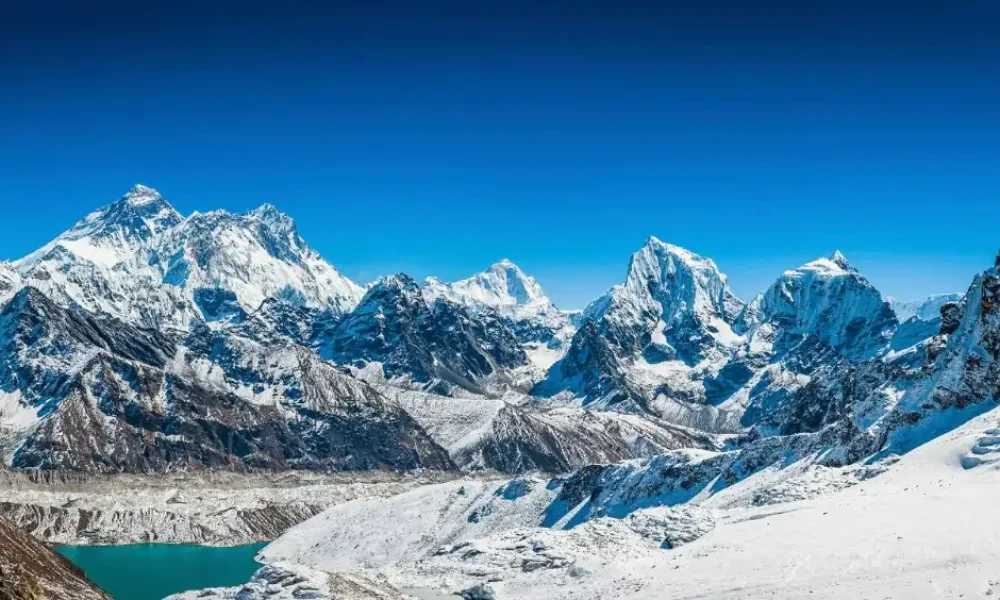
The trek offers spectacular views of the Annapurna range, including Annapurna I, Machapuchare, Dhaulagiri, and Manaslu. Key highlights include:
Thorong La Pass: The highest point of the trek, offering breathtaking panoramic views.
Muktinath Temple: A sacred pilgrimage site for Hindus and Buddhists.
Ghorepani Poon Hill: Famous for its sunrise views over the Annapurna and Dhaulagiri ranges.
Diverse Landscapes: From subtropical forests to high-altitude deserts, the Annapurna Circuit offers a variety of landscapes.
The following permits are required:
Annapurna Conservation Area Permit (ACAP).
TIMS (Trekkers’ Information Management System) Permit.
These permits can be obtained in Kathmandu or Pokhara.
To minimize the risk of altitude sickness, follow these steps:
Acclimatize properly: Spend extra days at intermediate altitudes like Manang or Chame before reaching higher elevations.
Stay hydrated: Drink plenty of water to help your body adjust to the thinner air.
Eat well: Eat high-energy foods to keep your strength up.
Avoid overexertion: Walk at a comfortable pace and take rest breaks.
Essential items to pack include:
Warm layers: A down jacket, fleece, and thermals for the colder sections, especially near Thorong La Pass.
Trekking boots: Comfortable and sturdy for long days of walking.
Sleeping bag: Rated for cold weather.
Sun protection: Sunscreen, sunglasses, and a hat.
Water purification system: Tablets or a filter for clean drinking water.
First aid kit: Basic kit with essential medicines for minor injuries and illness.
There are no reviews yet. Be the first one to write one.

Explore Nepal Trails is your trusted partner for trekking, peak climbing, and mountaineering adventures in Nepal. From classic Himalayan treks to high-altitude expeditions and cultural journeys, we deliver safe, well-planned, and unforgettable travel experiences.
We Accept

Join our community of over 200,000 global readers who receive emails filled with news, promotions, and other good stuff.

WhatsApp us