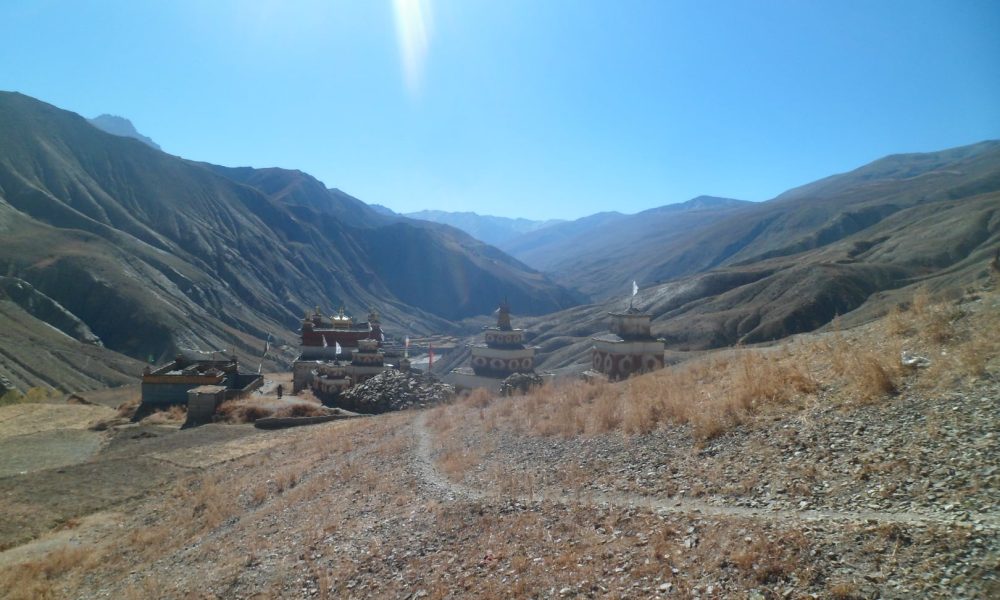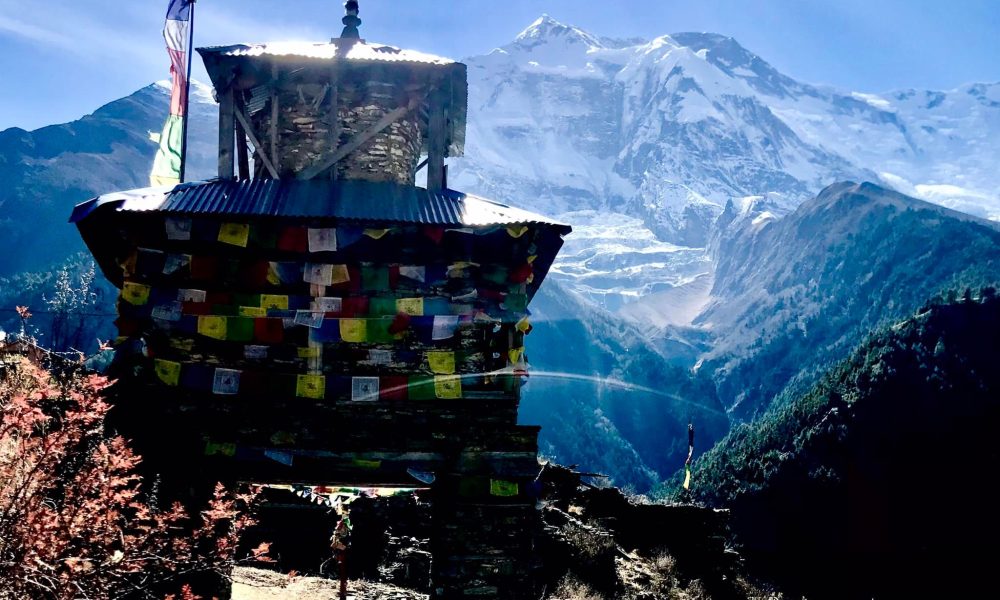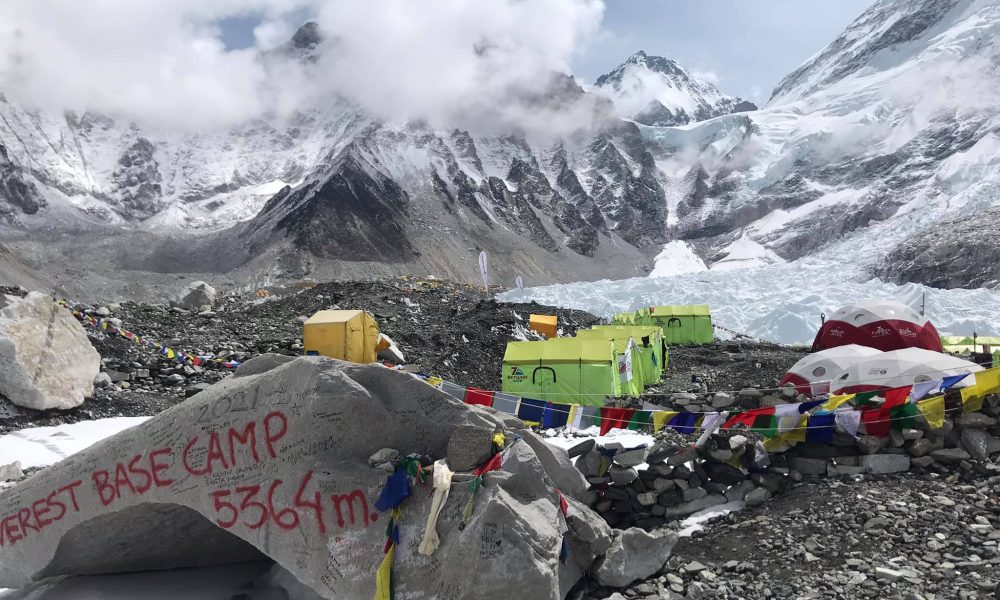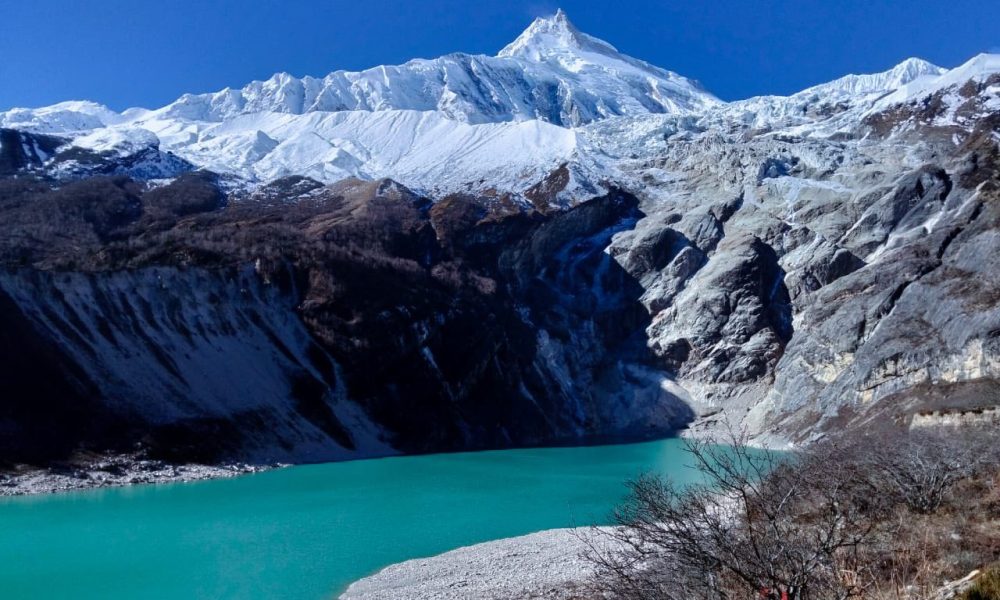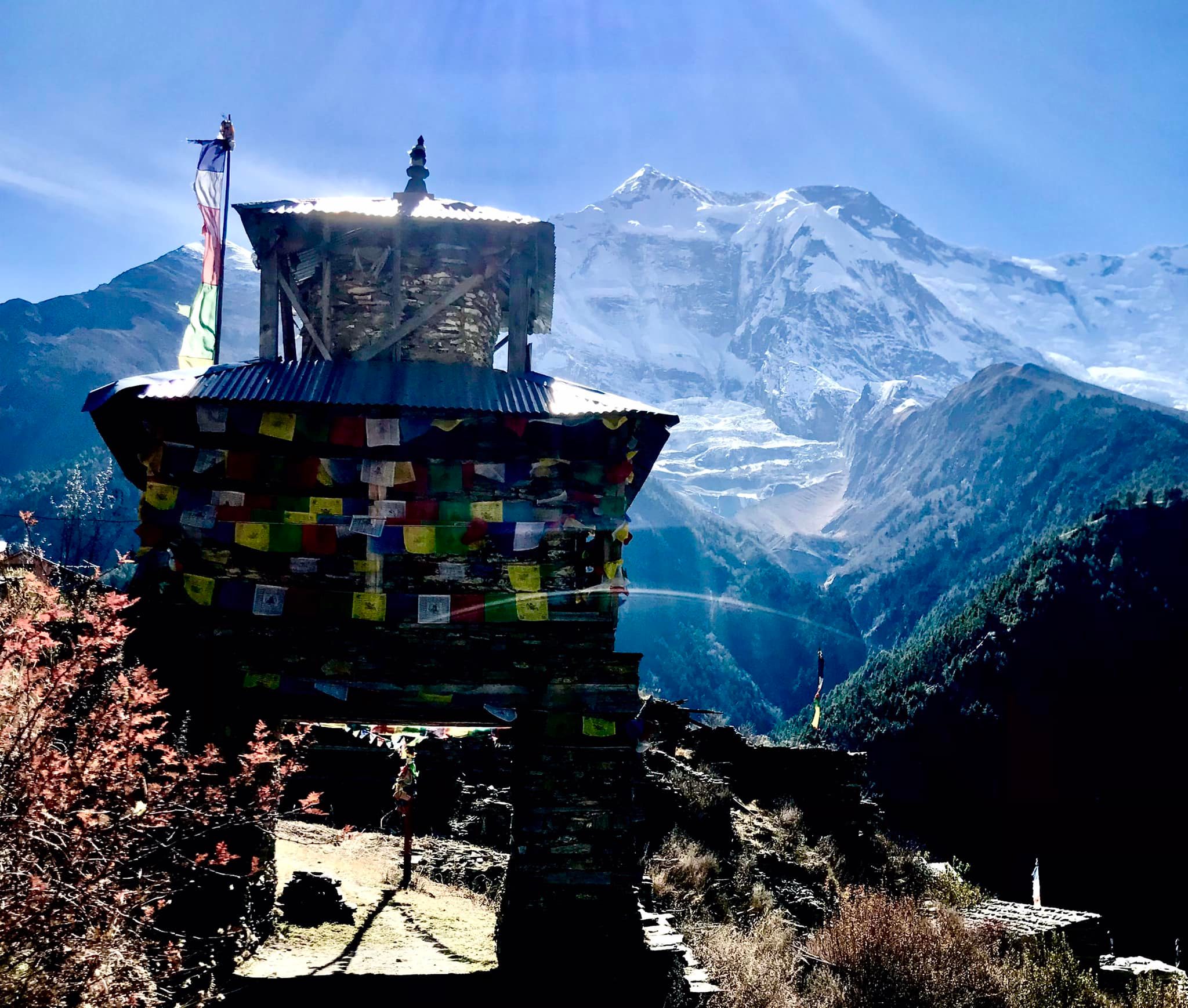
The Annapurna Base Camp Trek is a global icon among the trekking trails in Nepal, and it receives an annual count of above 60,000 visitors annually. The whole of Annapurna Himalaya is the most sought-after area amongst trekkers, and so rightly so. The mountain sceneries are beyond marvellous, the landscapes are diverse, and the villages, monasteries and the people provide a wonderful mix of Nepali, Tibetan and Trans-Himalayan culture.
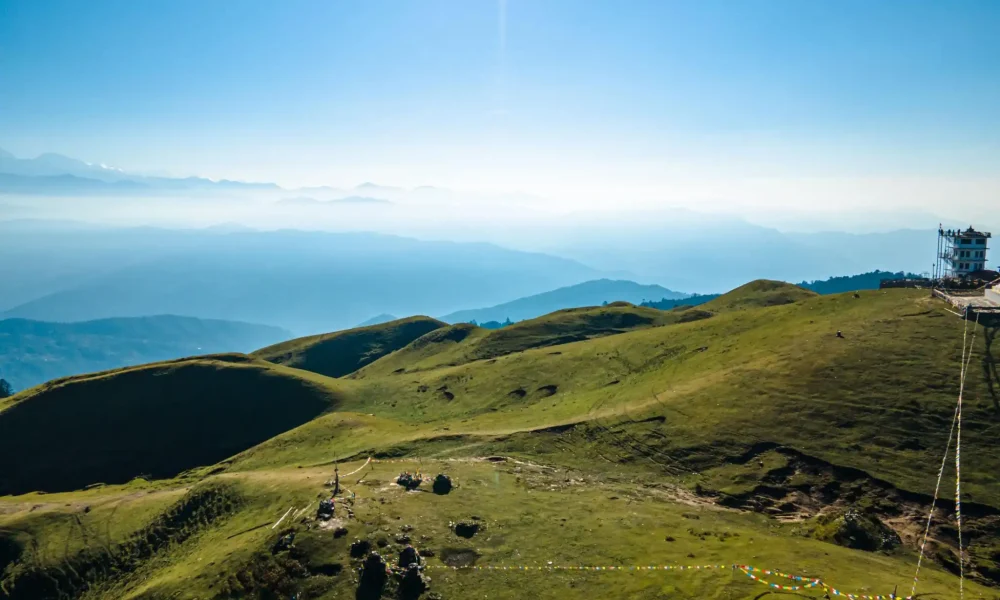
A few hours after you have left Pokhara, you will already be on the road, hiking through green forests, traditional villages and a beautiful system of valleys. The trip will involve nice accommodation, good meals, and hospitality throughout the trip.
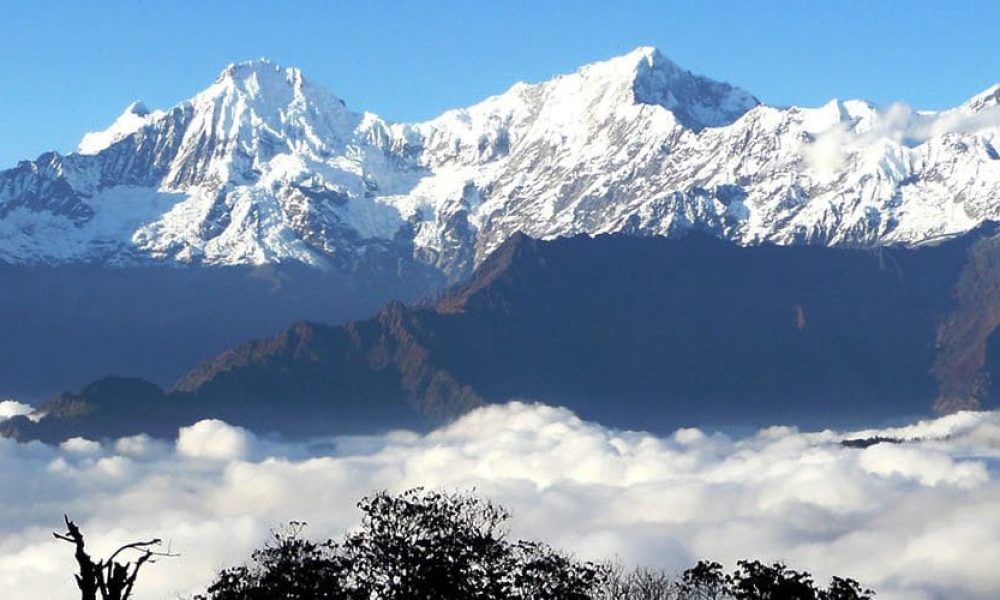
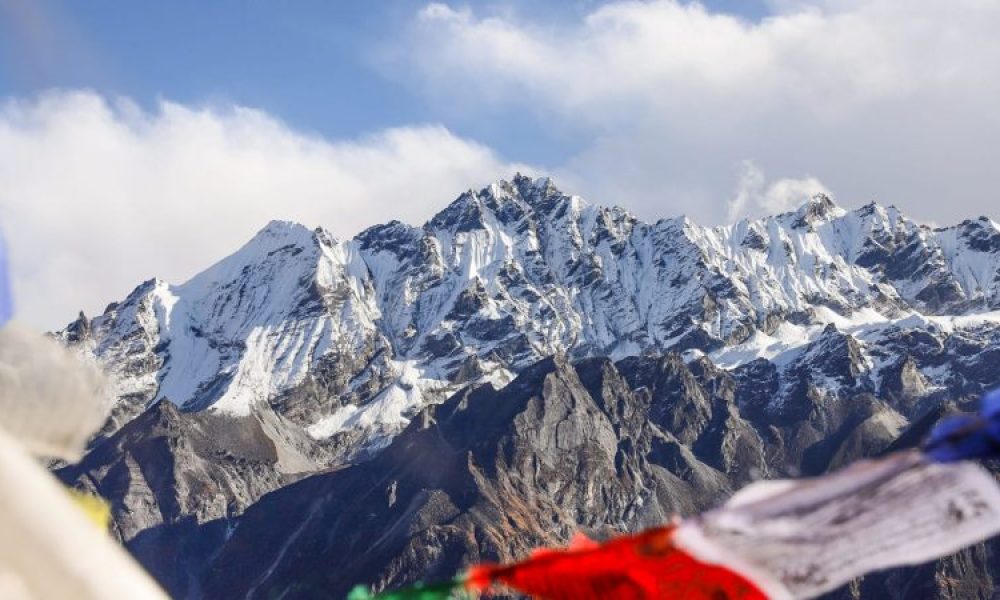
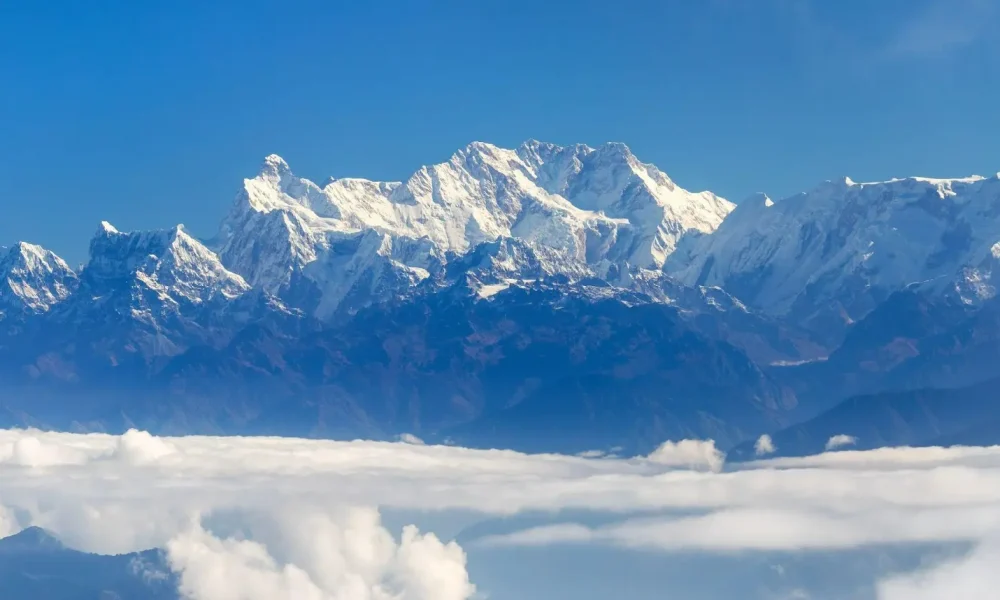
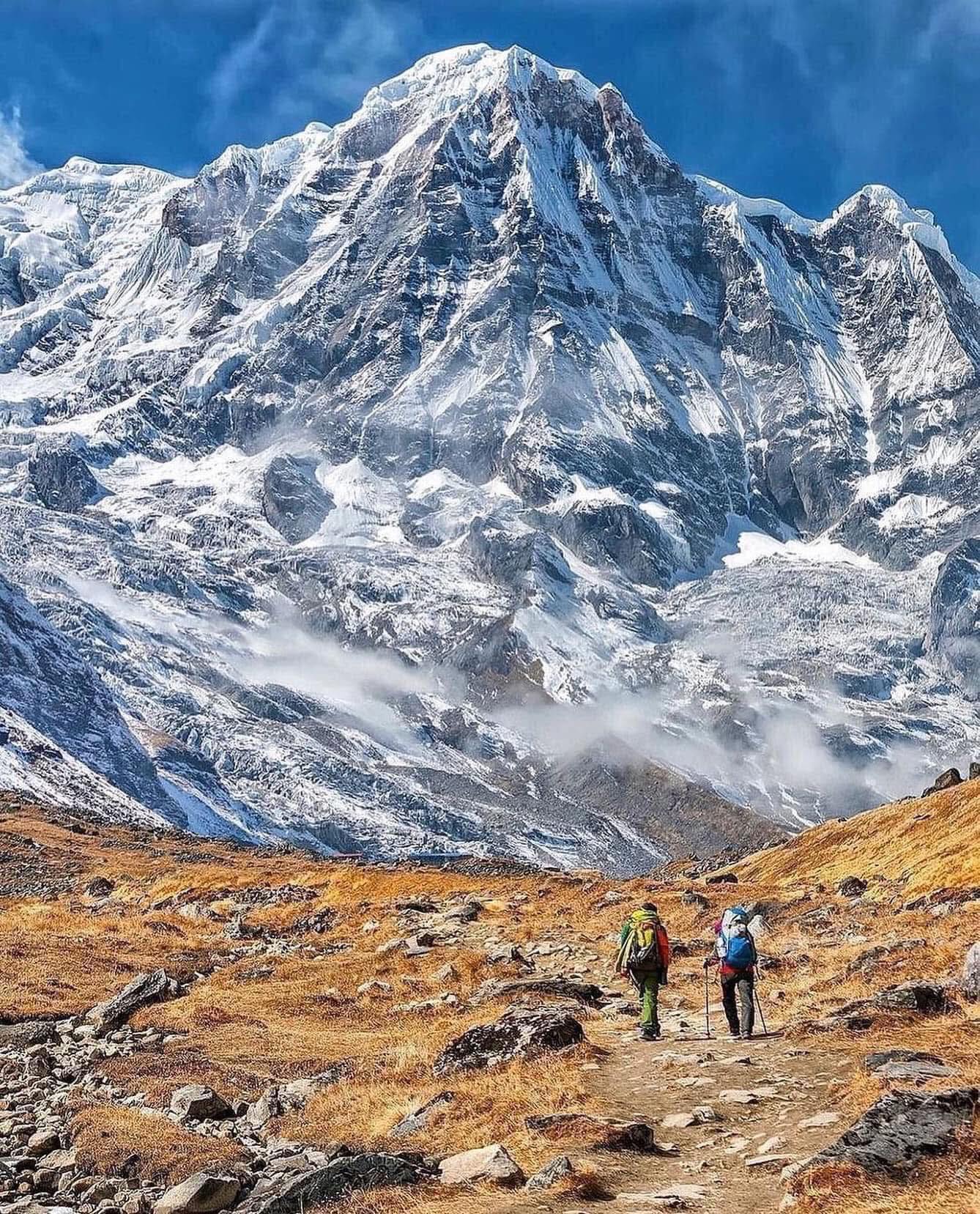
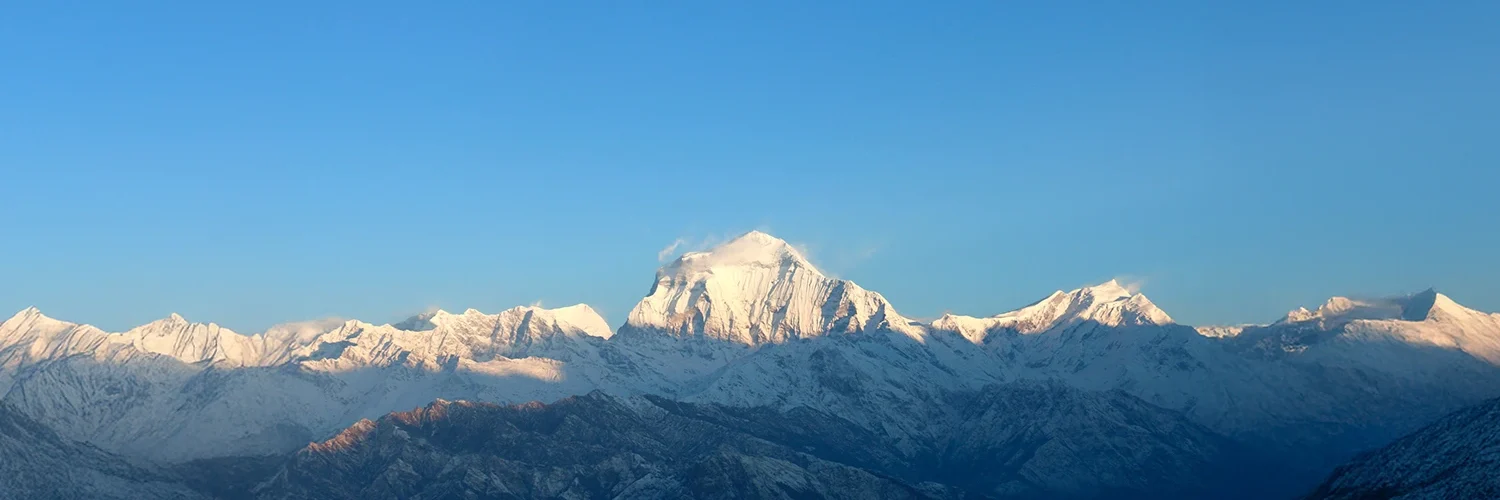
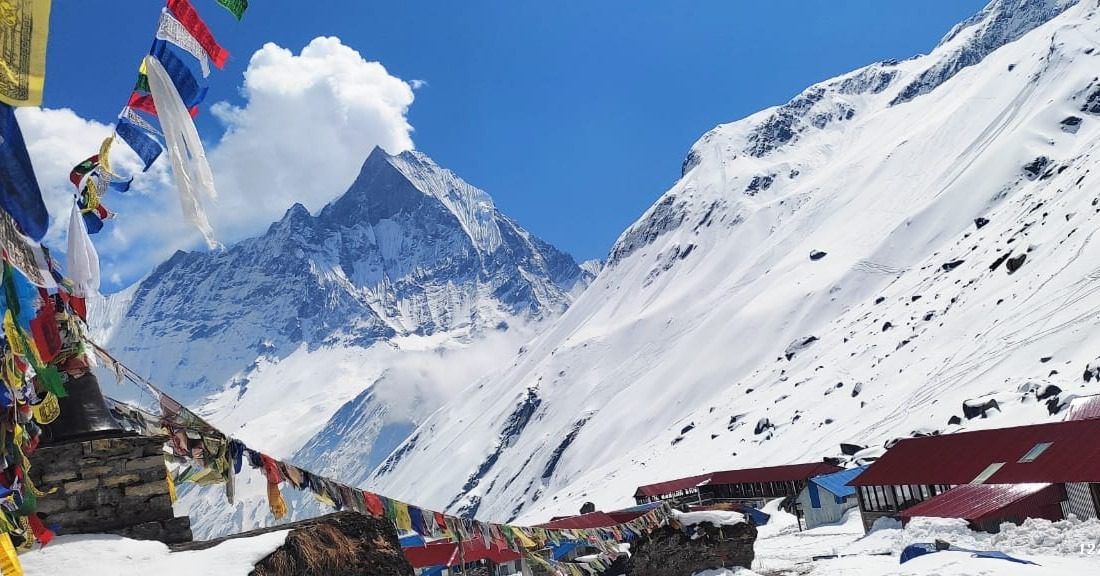
Annapurna Base Camp trek (ABC Trek) is regarded as one of the most scenic treks all over the world. It transports you to various climates, varied environments, and culturally rich settlements. Annapurna Base Camp is a great place where you can observe a stunning sight of Machhapuchre (Fishtail), Hiunchuli, the Annapurna Massif, Dhaulagiri, Tilicho Peak, Pisang Peak, Pungda Danda and many other mountains.
During trekking, trekkers often visit the famous poon Hill viewpoint and enjoy the natural hot springs at Jhinu Danda, utilising the route and creating the adventure more rewarding.
Our adventure towards Annapurna Base Camp begins as soon as you arrive at the Tribhuvan International Airport of Kathmandu. You will be met by one of the representatives of Explore Nepal Trails outside the terminal and taken to the hotel. You will then take a rest and finally gather around a traditional Nepali welcome dinner and a brief orientation on the trek, permits and preparations of the days to come.
Then you come to the picturesque city of Pokhara, Nepal, which leads to the Annapurna area.
After visiting Pokhara, you can enjoy Phewa Lake, a local cafe, or go for a rest before going on the trek.
Altitude: 1,540 m
Walking: 4 to 5 hours
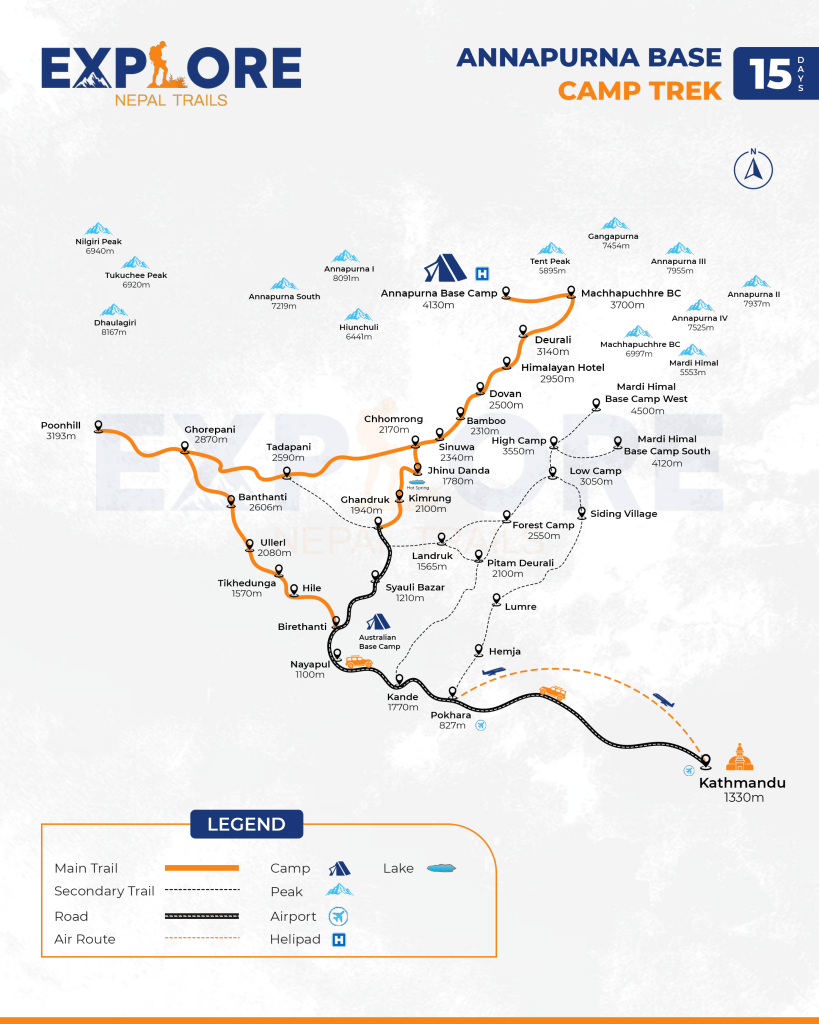
After breakfast, drive from Pokhara to Nayapul and begin your trek through beautiful countryside, terraced fields and traditional villages. The trail follows the Bhurungdi Khola and gradually climbs toward Tikhedhunga.
Overnight: Tikhedhunga
Highlights: Rural villages, terraces, suspension bridges and mountain scenery.
Altitude: 2,860 m
Walking: 6 to 7 hours
Today is one of the more challenging days as you climb the famous stone steps to Ulleri. Continue through beautiful rhododendron, oak and pine forests toward Ghorepani.
Overnight: Ghorepani
Highlights: Ulleri stone steps, rhododendron forest and first close Himalayan views.
Poon Hill: 3,210 m
Tadapani: 2,630 m
Walking: 5 to 6 hours
Early morning, hike to Poon Hill to enjoy a spectacular sunrise over Dhaulagiri, Annapurna South, Annapurna I, Machhapuchhre and Nilgiri. After breakfast, continue through beautiful forests to Tadapani.
Overnight: Tadapani
Highlights: Sunrise panorama, rhododendron forests and traditional mountain villages.
Altitude: 2,170 m
Walking: 5 to 6 hours
The trail descends through dense forest before climbing again toward Chhomrong, one of the most important Gurung villages on the route. From here, you get wonderful views of Annapurna South and Machhapuchhre.
Overnight: Chhomrong
Highlights: Gurung culture, terraced hillsides and magnificent mountain views.
Altitude: 2,600 m
Walking: 5 to 6 hours
Descend through stone steps to the Chhomrong Khola and then climb gradually through lush bamboo and rhododendron forests. The valley becomes narrower as you enter the Annapurna Sanctuary.
Overnight: Dovan
Highlights: Bamboo forest, waterfalls, Modi Khola valley and changing landscapes.
Altitude: 3,230 m
Walking: 5 to 6 hours
Continue along the Modi Khola valley, passing Himalaya and several waterfalls. As you gain altitude, the forest becomes thinner and the surrounding mountains become increasingly dramatic.
Overnight: Deurali
Highlights: Alpine landscape, waterfalls, Modi Khola gorge and mountain scenery.
MBC: 3,700 m
ABC: 4,130 m
Walking: 5 to 6 hours
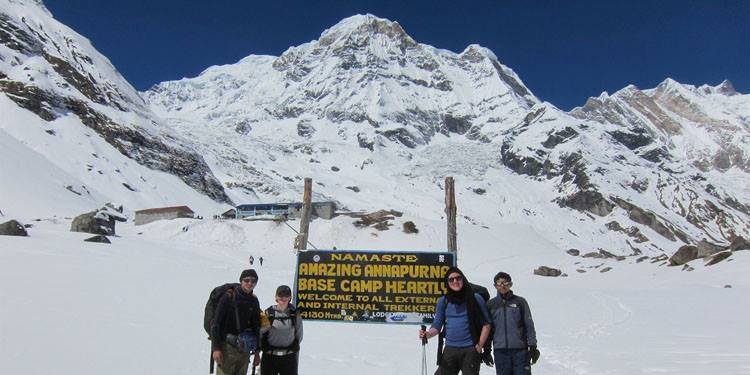
Today is the most exciting day of the trek. Walk through the spectacular Annapurna Sanctuary, passing Machhapuchhre Base Camp (MBC) before continuing toward Annapurna Base Camp (ABC).
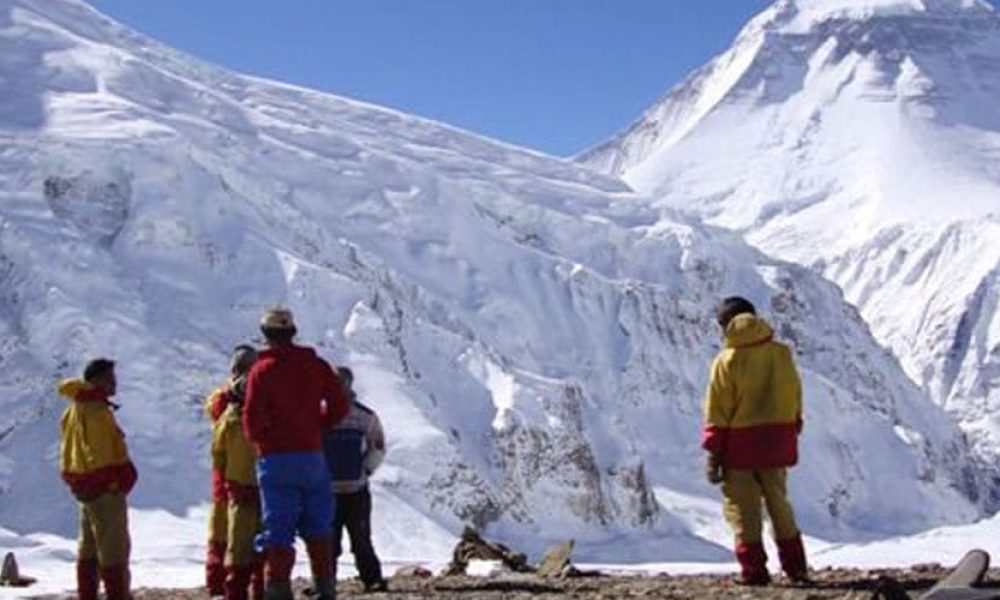
Surrounded by towering Himalayan peaks, you arrive at the legendary base camp and enjoy unforgettable views of Annapurna I, Annapurna South, Hiunchuli and Machhapuchhre.
Overnight: Annapurna Base Camp
Highlights: Annapurna Sanctuary, MBC, ABC and 360° Himalayan panorama.
Altitude: 2,310 m
Walking: 6 to 7 hours
Wake early to experience the spectacular sunrise over the Annapurna range. After breakfast, begin the long descent through the Sanctuary, passing MBC, Deurali and Himalaya before reaching Bamboo.
Overnight: Bamboo
Highlights: Sunrise at ABC, glaciers, massive mountain walls and forest trail.
Altitude: 1,780 m
Walking: 5 to 6 hours
Continue downhill through the forest to Sinuwa and Chhomrong. From Chhomrong, descend toward Jhinu Danda. In the afternoon, relax in the natural hot springs beside the Modi Khola.
Overnight: Jhinu Danda
Highlights: Forest trail, Gurung villages and relaxing natural hot springs.
Altitude: Pokhara 820 m
Walking: 3 to 4 hours + drive
Enjoy your final morning in the mountains before trekking toward the roadhead. From there, drive back to Pokhara and celebrate the successful completion of your Annapurna Base Camp adventure.
Overnight: Pokhara
Highlights: Final mountain views, countryside scenery and return to Pokhara.
You return to Pokhara and then either fly or drive back to Kathmandu. Once in the city, you can enjoy shopping, sightseeing, or a farewell dinner reflecting on your unforgettable trek.
A representative from Explore Nepal Trails will transfer you to the airport for your international flight. Your memorable Annapurna Base Camp trekking adventure comes to a close until next time.
The Annapurna Base Camp Trek is moderately difficult, with daily hikes of 5–7 hours and some steep climbs. It’s suitable for fit beginners with proper pacing and acclimatization.
The trek typically takes 12 to 17 days, depending on your itinerary and pace which is varies based on the package.
The Annapurna Base Camp Trek is easier than the Everest Base Camp Trek, with a lower altitude and less rugged terrain.
Yes, a beginner can do the trek if they are in good physical condition and take it at a manageable pace.
Yes, the Annapurna Base Camp Trek is considered safe, as long as you take proper precautions like acclimatization, staying hydrated, and using experienced guides.
The main health risks are altitude sickness and dehydration. It’s essential to acclimatize properly and drink plenty of water to reduce these risks.
It’s recommended to get vaccinations for diseases like Hepatitis A, Typhoid, and Tetanus before trekking to Annapurna Base Camp. Consult a healthcare provider for the latest guidelines.
To prevent altitude sickness, ascend slowly, stay hydrated, and rest when needed. If symptoms occur, descend to a lower altitude immediately.
In case of an emergency, contact your guide or the nearest lodge for help. Having a satellite phone or emergency evacuation insurance is highly recommended.
The main challenges include the steep terrain, fluctuating weather conditions, and the risk of altitude sickness. Proper preparation and a good pace can help manage these challenges.
There is limited mobile coverage along the Annapurna Base Camp Trek. You can find signal at lower altitudes, but the higher you go, the more intermittent it becomes.
Using digital wallets like eSewa, PayPal, or Khalti on the Annapurna Base Camp Trek can be a challenge! While some local businesses and trekking agencies accept these payment methods, you’ll find that many remote areas might not. Be prepared to carry cash for some parts of the trek, especially higher altitudes where digital payment options are limited.
There are no reviews yet. Be the first one to write one.

Explore Nepal Trails is your trusted partner for trekking, peak climbing, and mountaineering adventures in Nepal. From classic Himalayan treks to high-altitude expeditions and cultural journeys, we deliver safe, well-planned, and unforgettable travel experiences.
We Accept

Join our community of over 200,000 global readers who receive emails filled with news, promotions, and other good stuff.

WhatsApp us