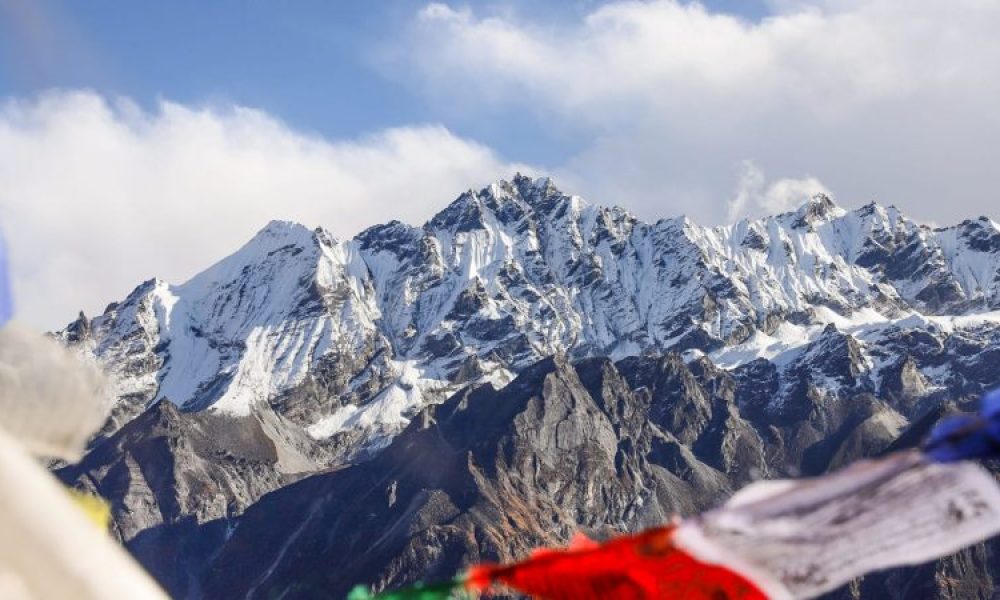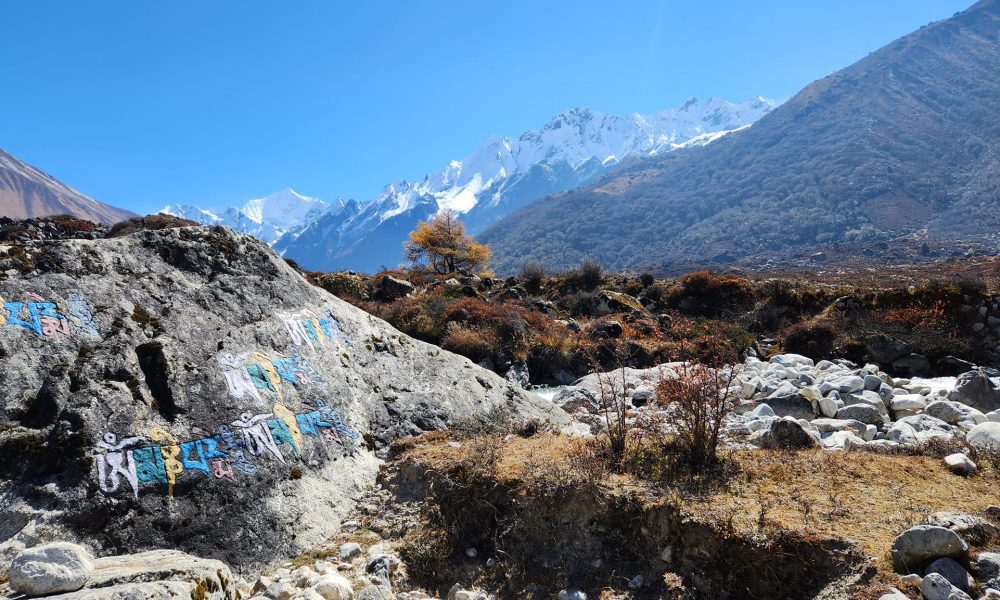
The Langtang Region is one of Nepal’s most spectacular Himalayan trekking destinations, located north of Kathmandu near the Tibetan border. Known for its breathtaking mountain scenery, ancient Buddhist monasteries, traditional Tamang villages, and diverse landscapes, Langtang Region trekking offers an authentic Himalayan experience within a short distance from the capital city.
From the famous Langtang Valley Trek to the sacred Gosaikunda Lake and culturally rich Tamang Heritage Trail, the region provides incredible opportunities for adventure, nature exploration, and cultural discovery.
The Langtang Region lies in Rasuwa District of Nepal, forming part of Langtang National Park, Nepal’s first Himalayan national park. The region stretches along the Himalayan range bordering Tibet and offers dramatic landscapes ranging from subtropical forests to alpine valleys.
The region is famous for:
The accessibility from Kathmandu makes it one of the most preferred trekking destinations for travelers seeking authentic Himalayan experiences.
The Langtang Region is a dramatic blend of high mountains, deep valleys, glaciers, and alpine landscapes. The terrain rises from subtropical forests at around 1,000 meters to snow-covered peaks above 7,000 meters. The region is dominated by the Langtang Himalayan range, including the stunning Langtang Lirung (7,227 m).
The landscape features glacier valleys, steep ridges, yak pastures, and high mountain passes. One of the most famous sacred areas in the region is Gosainkunda, a high-altitude alpine lake system considered holy by both Hindus and Buddhists.
The Langtang Region is rich in biodiversity due to its wide range of altitudes and climatic zones.
In spring, rhododendron forests bloom with vibrant colors, making the hills especially beautiful.
The region is home to a wide variety of wildlife, including:
The Langtang Region offers a mix of natural beauty, cultural heritage, and trekking adventure:
These destinations provide breathtaking views of peaks like Langtang Lirung, Dorje Lakpa, Ganesh Himal, and even glimpses of Tibetan landscapes.
The Langtang Region is primarily inhabited by the Tamang people, along with Tibetan-influenced communities in higher areas. Their culture is deeply connected to Tibetan Buddhism, which is reflected in monasteries, prayer flags, mani stones, and chortens found throughout the region.
Traditional Tamang villages feature stone houses, terraced farming, and yak herding as a major livelihood. Festivals such as Lhosar (Tamang New Year) are celebrated with traditional music, dance, and cultural rituals.
The people of Langtang are known for their hospitality, resilience, and strong cultural identity, especially after the region’s recovery from the 2015 earthquake.
The Langtang Region is a perfect combination of natural beauty, cultural richness, and Himalayan adventure. With its glaciers, forests, sacred lakes, diverse wildlife, and welcoming communities, it offers one of the most rewarding trekking experiences close to Kathmandu while still preserving a deep sense of wilderness and tradition.
Most Langtang treks take 7 to 14 days, making it ideal for trekkers with limited time.
It offers beautiful mountain scenery, glaciers, and Tamang culture, while being less crowded and close to Kathmandu.
Yes, the Langtang Valley Trek is moderate and manageable for beginners.
Some routes reach above 4,000 meters, requiring acclimatization.
A Langtang National Park Permit and a TIMS card are required.
Not mandatory, but recommended for safety and cultural understanding.
Teahouses and lodges are available along main trekking routes.
Simple Nepali meals and basic international dishes are offered.
Spring and autumn are ideal for trekking.
Yes, weather can change quickly at higher elevations.

Explore Nepal Trails is your trusted partner for trekking, peak climbing, and mountaineering adventures in Nepal. From classic Himalayan treks to high-altitude expeditions and cultural journeys, we deliver safe, well-planned, and unforgettable travel experiences.
We Accept

Join our community of over 200,000 global readers who receive emails filled with news, promotions, and other good stuff.

WhatsApp us