Trekking

Trekking

Introduction

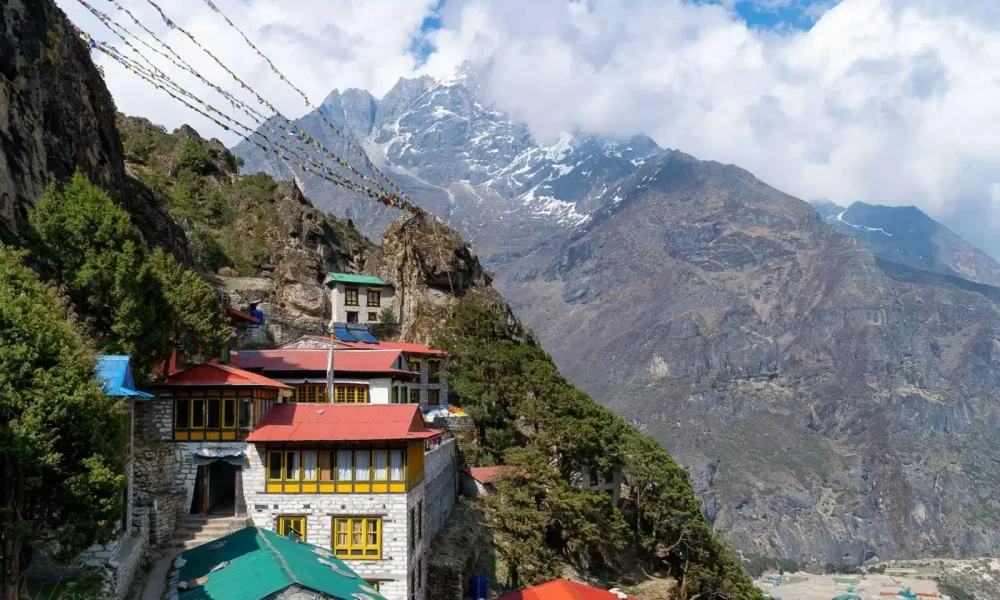
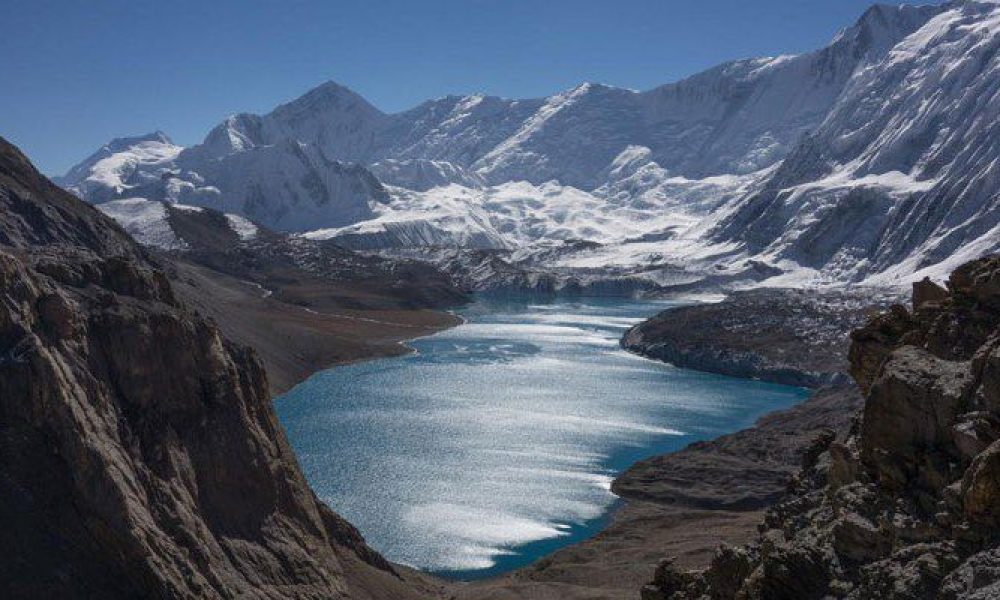
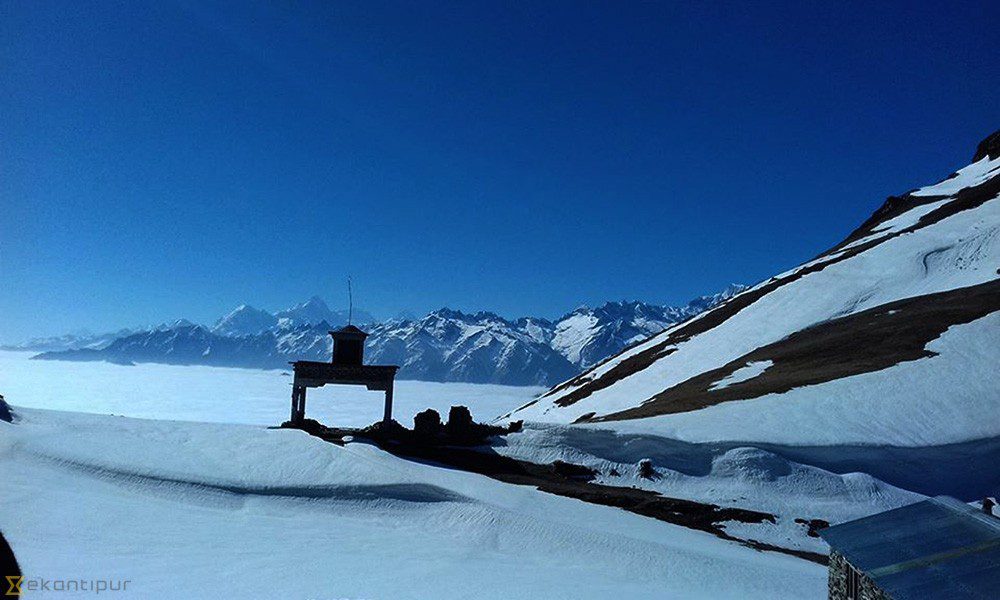
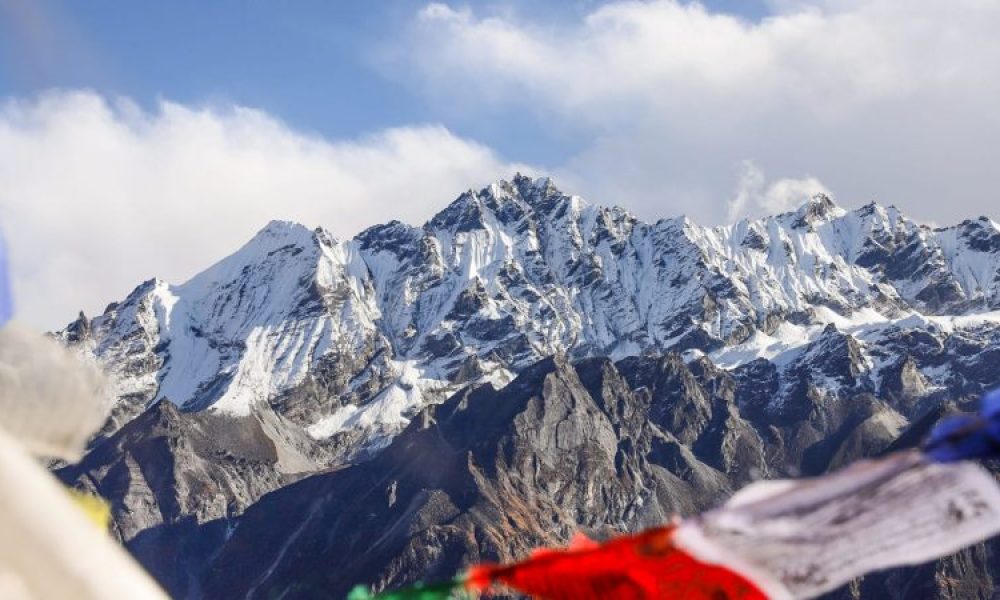
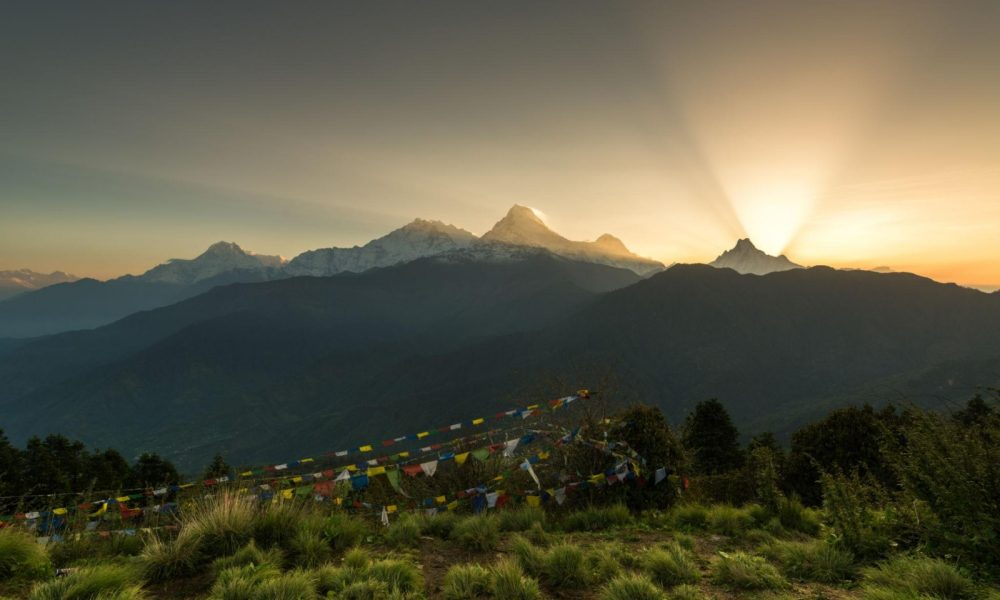
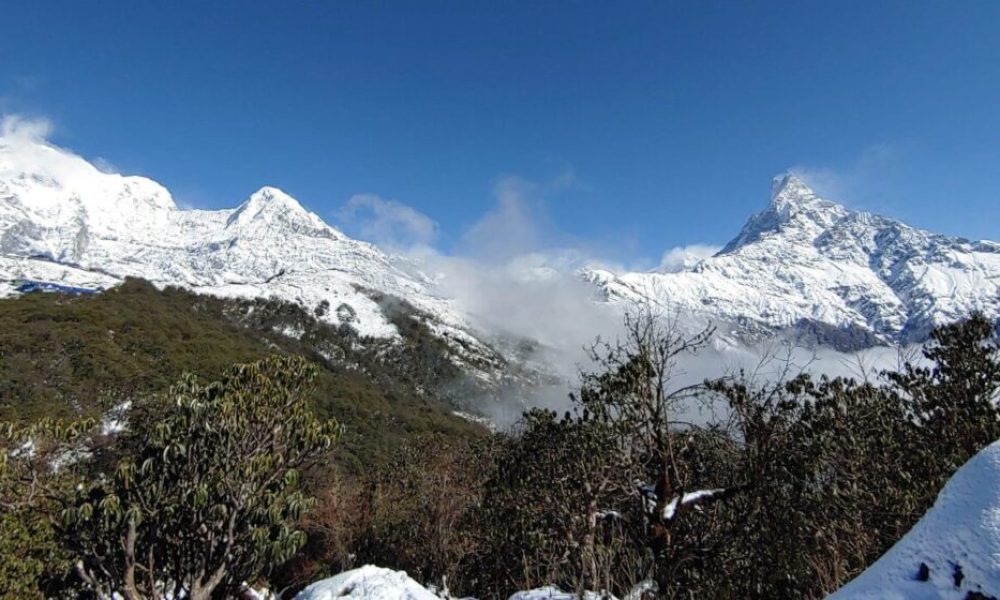
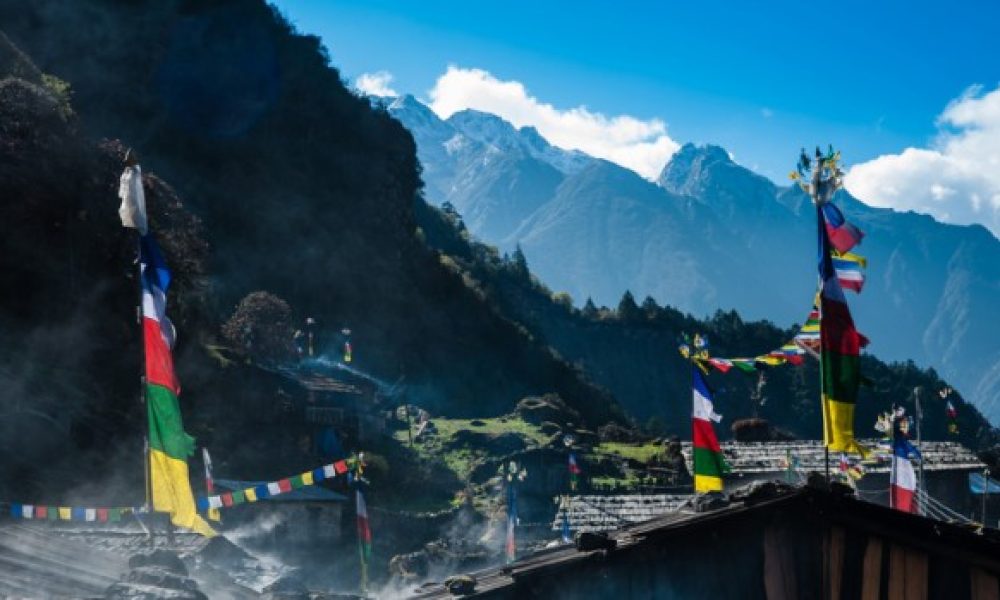
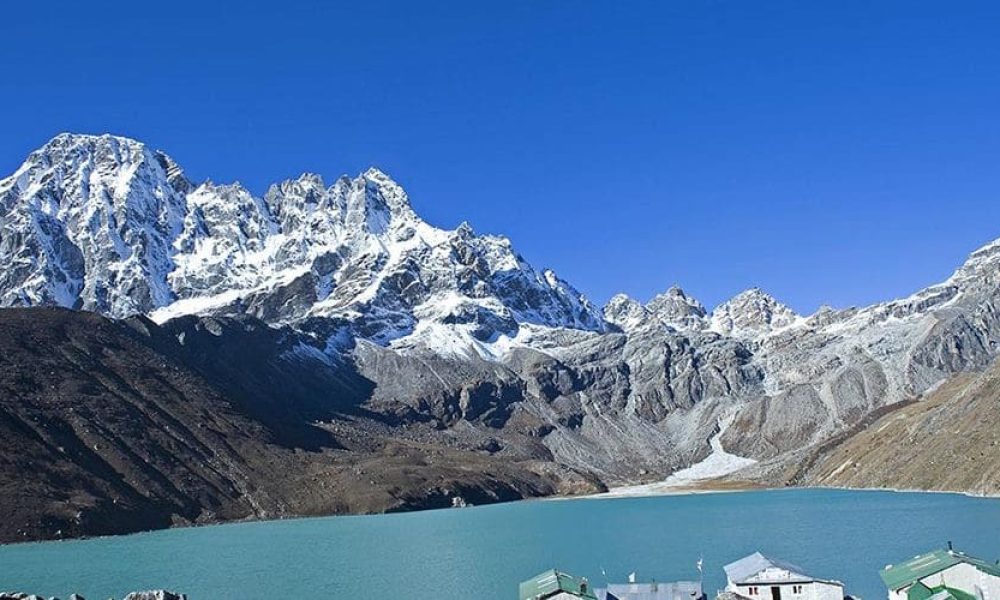
Nepal is one of the world’s finest trekking destinations, offering an exceptional blend of natural beauty, cultural richness, and Himalayan scenery. Trekking routes wind through traditional villages, terraced farmlands, forests, river valleys, and alpine landscapes, allowing trekkers to experience local lifestyles alongside breathtaking mountain views. From low-altitude cultural walks to high mountain passes, trekking in Nepal caters to a wide range of interests and fitness levels.

Trekking does not require technical climbing skills, making it accessible to beginners as well as seasoned hikers. Well-established trails, teahouse accommodation, and professional guides ensure a safe and rewarding journey. With proper acclimatization and planning, trekking in Nepal offers an unforgettable adventure that balances physical challenge with cultural discovery.

Trekking Destinations

Frequently Asked Questions

General Information

What are the different types of trekking?

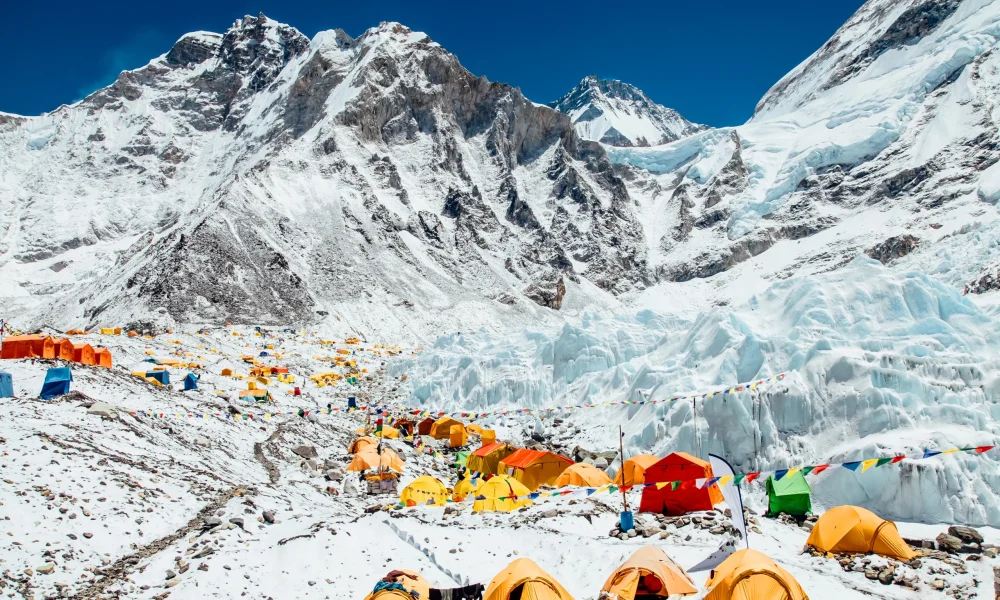
Trekking can be broadly categorized into several types based on terrain, altitude, comfort, and experience. Teahouse trekking is the most common type, where trekkers stay in local lodges along established trails, offering basic comfort and accessibility. Camping or fully supported trekking is used in remote areas without lodges, relying on tents and a support crew for food and accommodation. High-altitude trekking involves routes above 4,000 meters, often crossing high passes and requiring proper acclimatization. Cultural and village trekking focuses on exploring traditional communities, local lifestyles, and heritage rather than extreme elevations. Off-the-beaten-path trekking takes place in less-traveled regions, offering solitude and wilderness experiences with limited infrastructure. Additionally, luxury trekking provides upgraded lodges, better services, and added comfort for those seeking a premium experience in the mountains.

Who can join trekking programs?

Trekking is suitable for beginners, families, and experienced hikers, depending on the route difficulty and altitude.

Do I need prior trekking experience?

No prior trekking experience is required for most routes, though good physical fitness is recommended.

Permits & Logistics

What permits are required for trekking?

Most treks require national park or conservation area permits, and some regions require restricted-area permits.

Is a guide mandatory for trekking?

A guide is mandatory in restricted trekking areas and highly recommended for safety and local knowledge.

Health & Difficulty

Is altitude sickness a concern while trekking?

Yes, altitude sickness can occur on high-altitude treks. Proper acclimatization and gradual ascent reduce risks.

What type of accommodation is available during trekking?

Accommodation is mainly in teahouse lodges, with camping required in remote areas.

Come2theweb