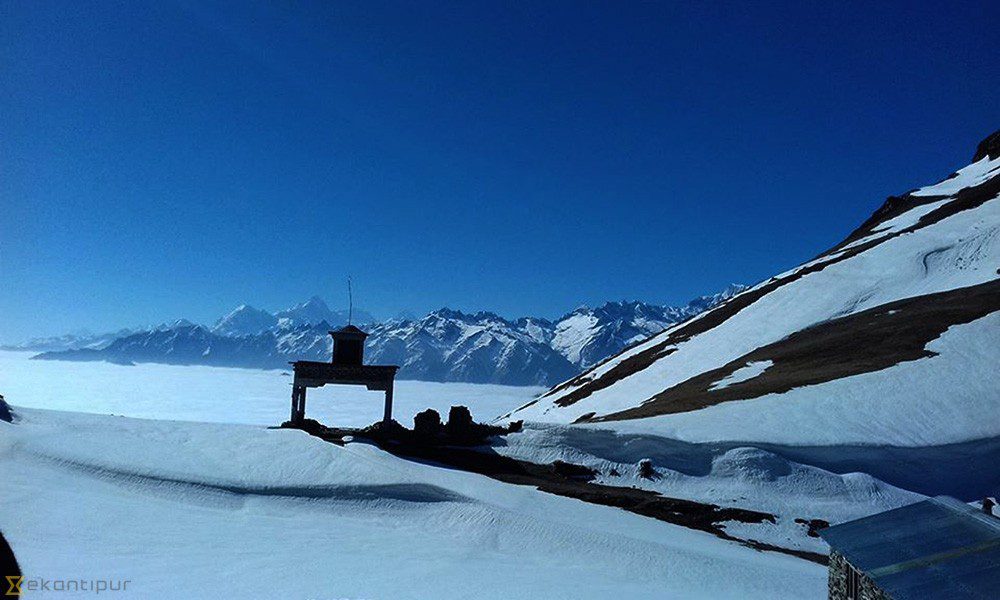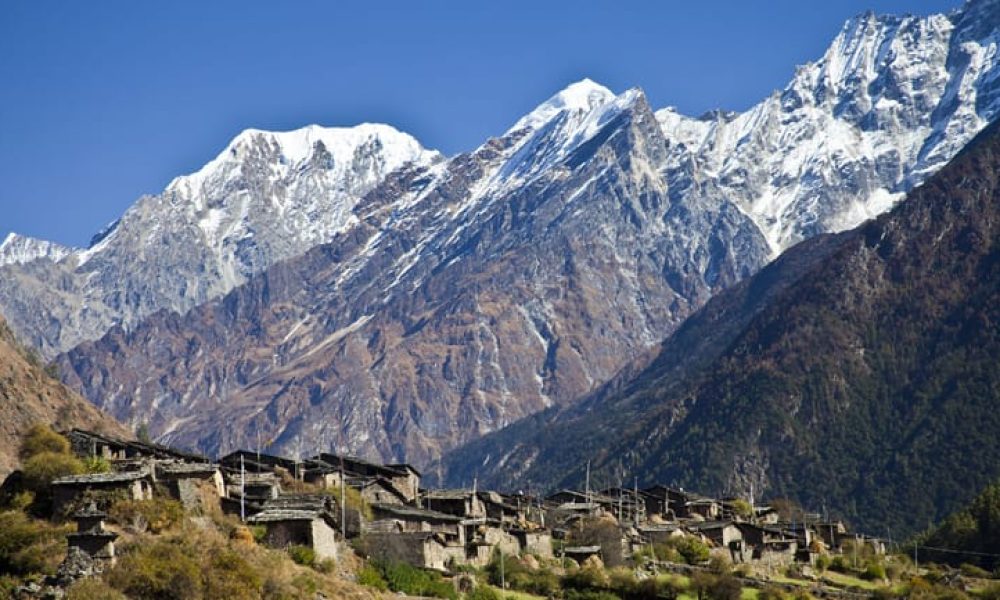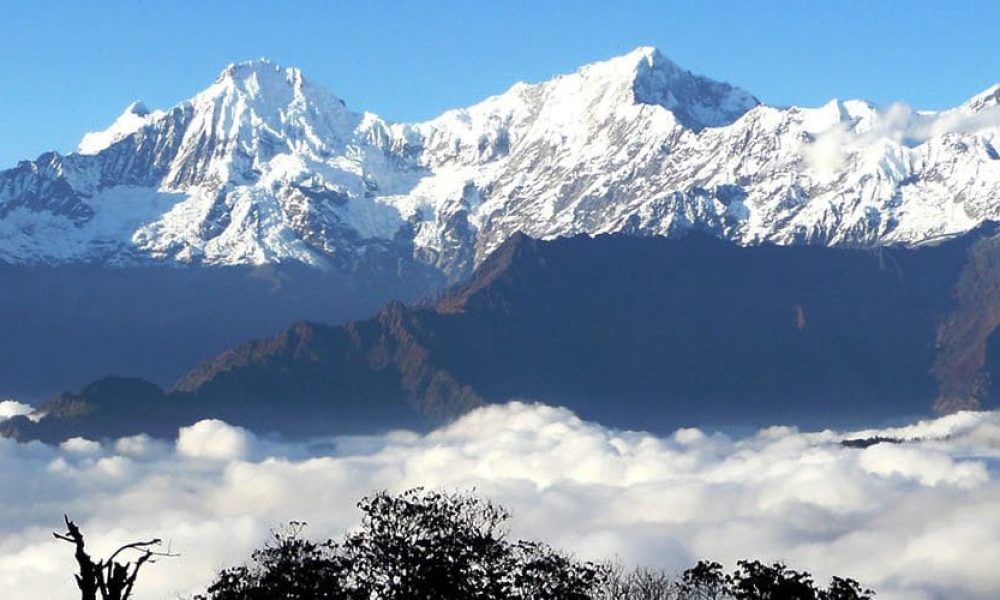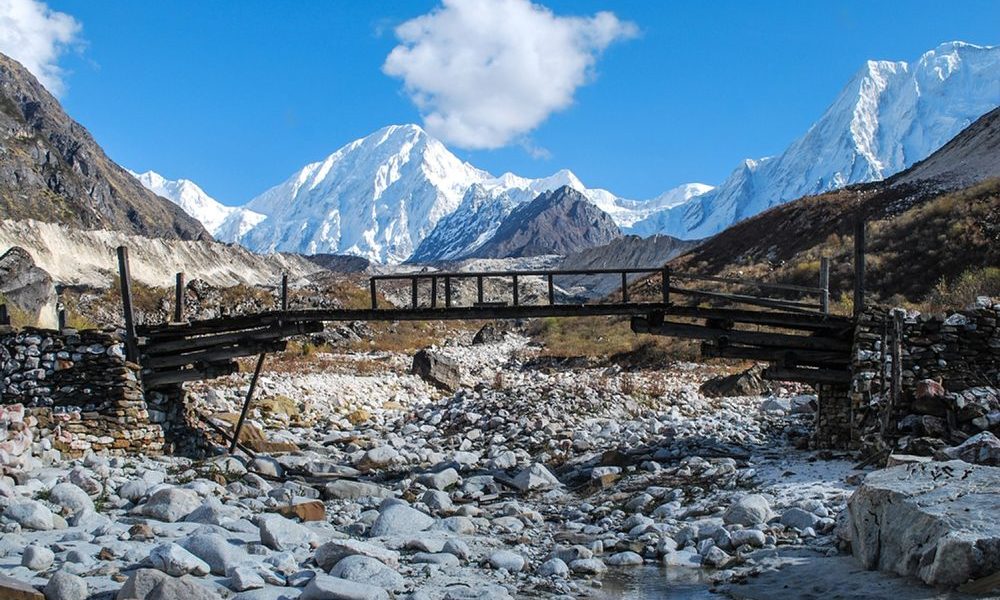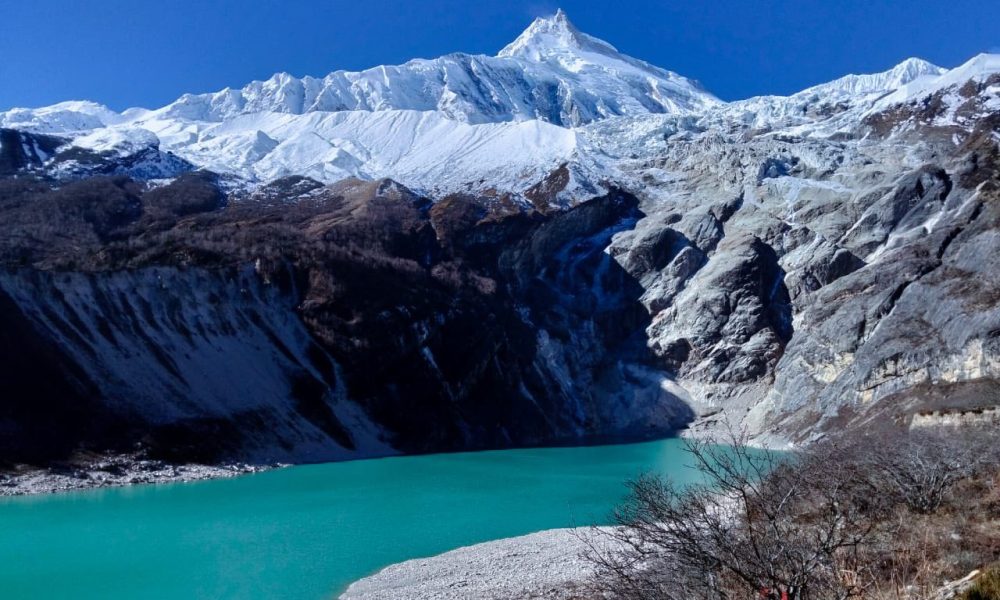
The Manaslu Region offers a remote and culturally rich trekking experience around Mount Manaslu, the eighth-highest mountain in the world. The region features dramatic gorges, high mountain passes, glacial rivers, and Tibetan-influenced villages. Trekking here feels adventurous and raw compared to more commercial routes.
The Manaslu Region is a restricted area, preserving its traditional lifestyle and pristine environment. Treks involve long walking days, high-altitude passes, and fewer facilities, making it ideal for experienced trekkers seeking solitude and authenticity. The Manaslu Circuit is widely regarded as one of Nepal’s most rewarding long-distance treks.
Manaslu and Tsum Valley regions are home to some of the most varied and spectacular scenery in the Himalaya. The elevation ranges from 600m to above 8,000m and includes lush, subtropical growth to the alpine meadows and glaciers. Deep gorges created by the Budhi Gandaki River and home to thick forests, are home to a variety of plant and animal species.
The Manaslu Circuit provides views of the high peaks of the Himalaya, including Manaslu and the surrounding peaks such as Himlung Himal and Annapurna II. The circuit also crosses Larkya La (5106m), which offers stunning views of the surrounding peaks, and also connects to the beautiful and wild Tsum Valley. In addition to high, unspoiled peaks of the Himalaya, the Tsum Valley is home to people of Tibetan descent and hosts a variety of wildlife, including the protected Musk deer and Tahuk Xhaka (Himalayan thar).
The Manaslu Conservation Area is home to remarkable biodiversity due to its wide range of elevations and climatic zones.
The region supports diverse vegetation, including:
During spring, colorful rhododendrons and wildflowers bloom across the hillsides, creating stunning landscapes.
The region provides habitat for numerous rare and endangered species, including:
These species thrive in the remote forests and alpine environments protected within the conservation area.
The Manaslu and Tsum Valley Region offers a unique blend of natural beauty, adventure, and cultural heritage.
Major Attractions
Trekkers enjoy spectacular mountain views, untouched landscapes, and opportunities to explore some of Nepal’s most authentic Himalayan communities.
The Manaslu and Tsum Valley Region is inhabited primarily by Nubri and Tsumba communities, whose culture closely resembles that of Tibet. The people follow Tibetan Buddhism and maintain centuries-old traditions that remain largely unchanged by modern development.
The region is dotted with ancient monasteries, mani walls, prayer wheels, chortens, and sacred caves. Buddhism influences every aspect of daily life, and local festivals are celebrated with traditional dances, rituals, and prayers.
The Tsum Valley is often referred to as a “Hidden Valley of Happiness” due to its peaceful atmosphere and strong spiritual heritage. Many villages still practice traditional farming, yak herding, and weaving, preserving a unique Himalayan lifestyle.
Visitors can experience the warm hospitality of local communities while learning about their customs, language, architecture, and religious beliefs.
The Manaslu and Tsum Valley Region offers one of Nepal’s most rewarding trekking experiences. With its towering Himalayan peaks, remote valleys, rich biodiversity, sacred Buddhist heritage, and authentic mountain culture, the region provides a perfect combination of adventure and cultural discovery. For trekkers seeking a less crowded alternative to Everest and Annapurna, the Manaslu and Tsum Valley Region remains one of the Himalayas’ best-kept secrets.
The Manaslu Circuit usually takes 14 to 18 days, including acclimatization.
It offers remote trails, Tibetan culture, dramatic landscapes, and fewer crowds.
Yes, it is moderate to challenging due to remoteness and altitude.
Yes, it crosses Larkya La Pass (5,160m).
Yes, special restricted-area permits are required.
Yes, a licensed guide is compulsory.
Basic teahouses are available along the route.
Meals are provided by teahouses, but options are limited at higher elevations.
Spring and autumn are best seasons for trekking in manaslu region.
No, it is recommended for experienced trekkers.

Explore Nepal Trails is your trusted partner for trekking, peak climbing, and mountaineering adventures in Nepal. From classic Himalayan treks to high-altitude expeditions and cultural journeys, we deliver safe, well-planned, and unforgettable travel experiences.
We Accept

Join our community of over 200,000 global readers who receive emails filled with news, promotions, and other good stuff.

WhatsApp us