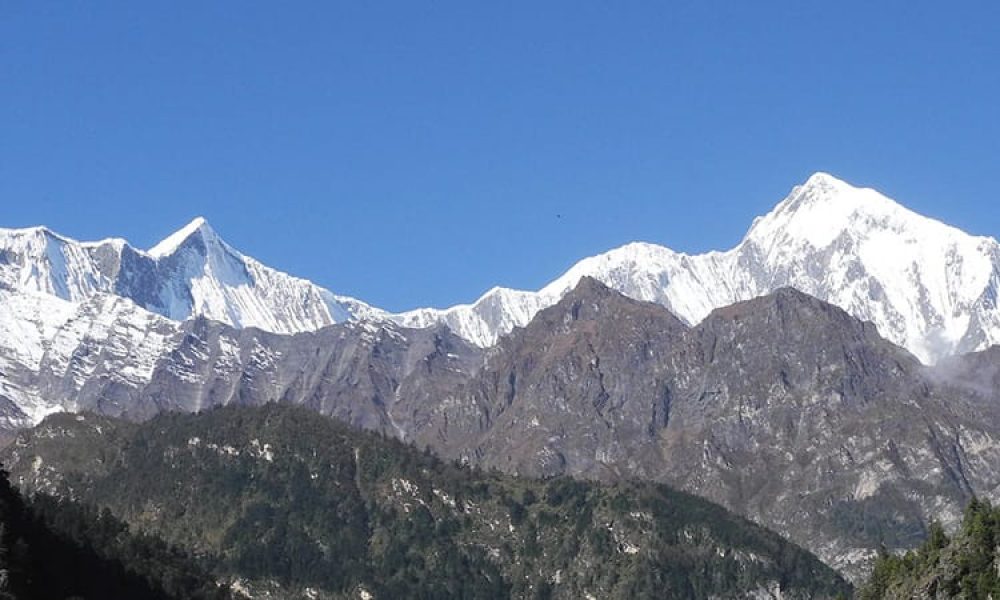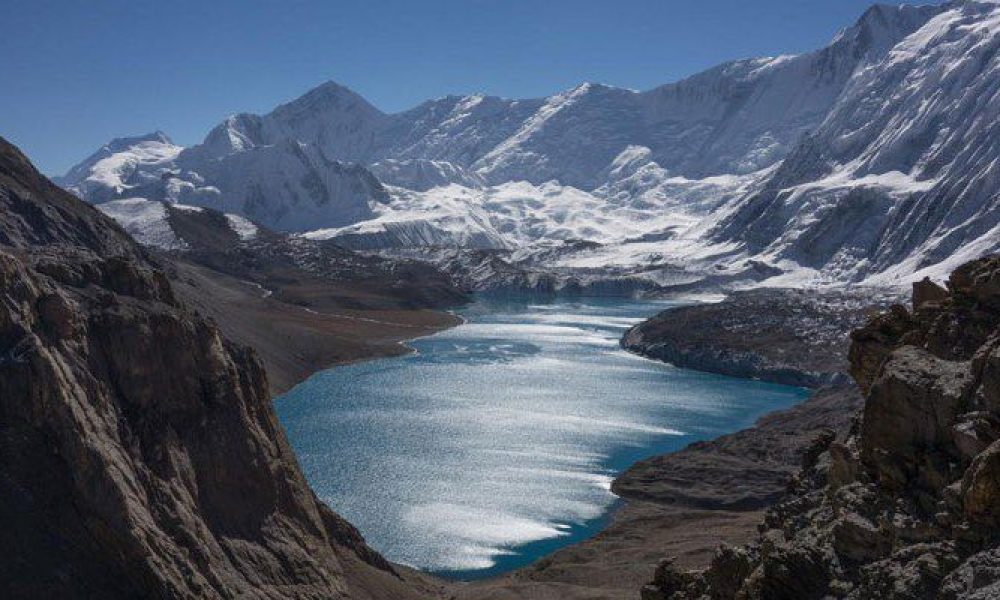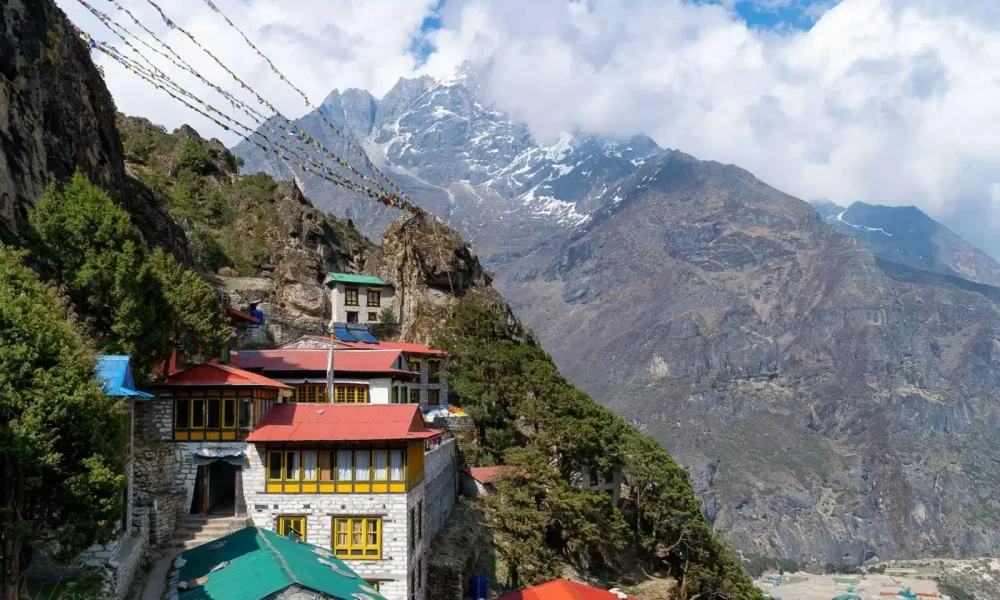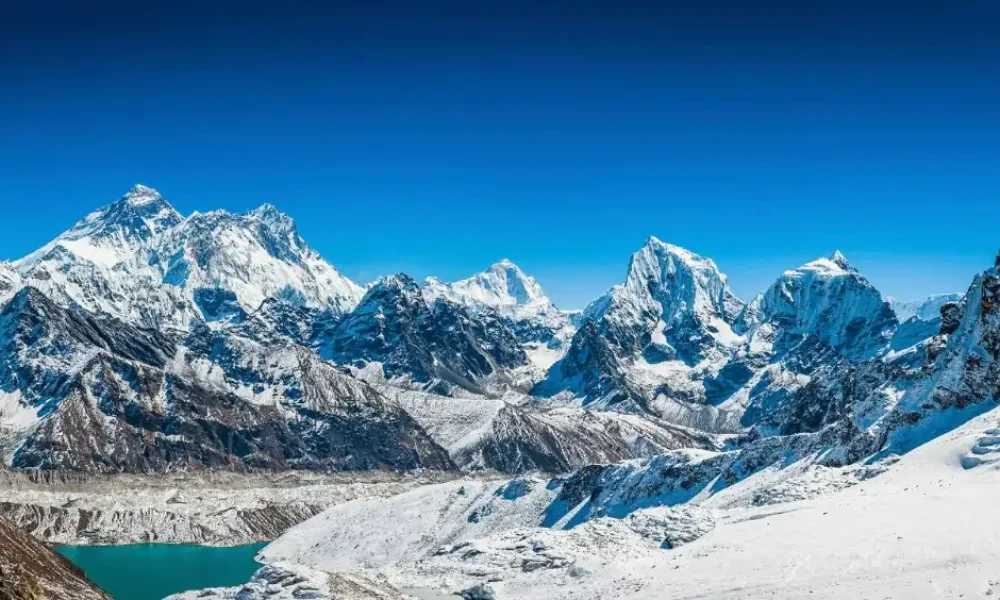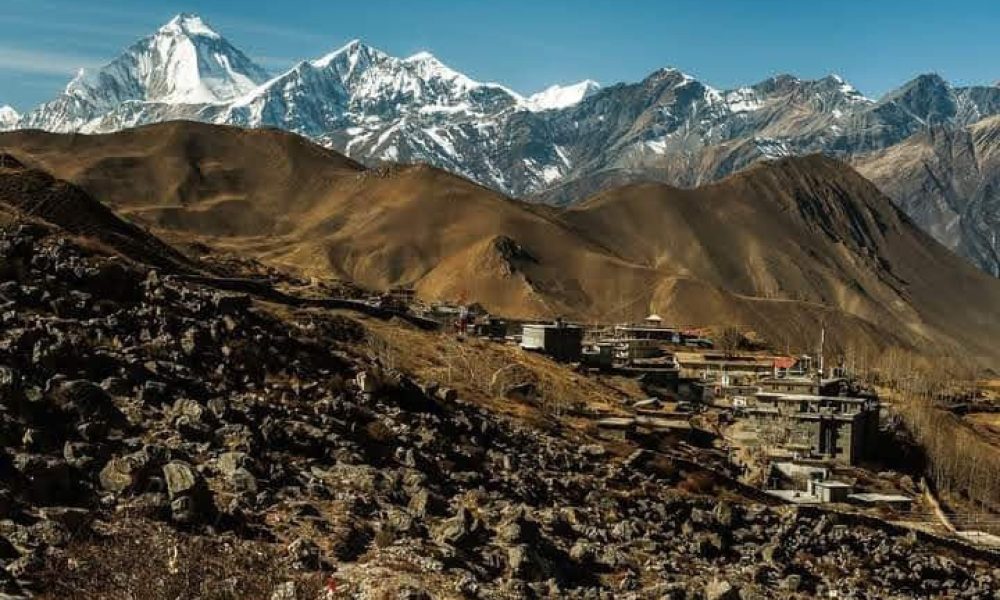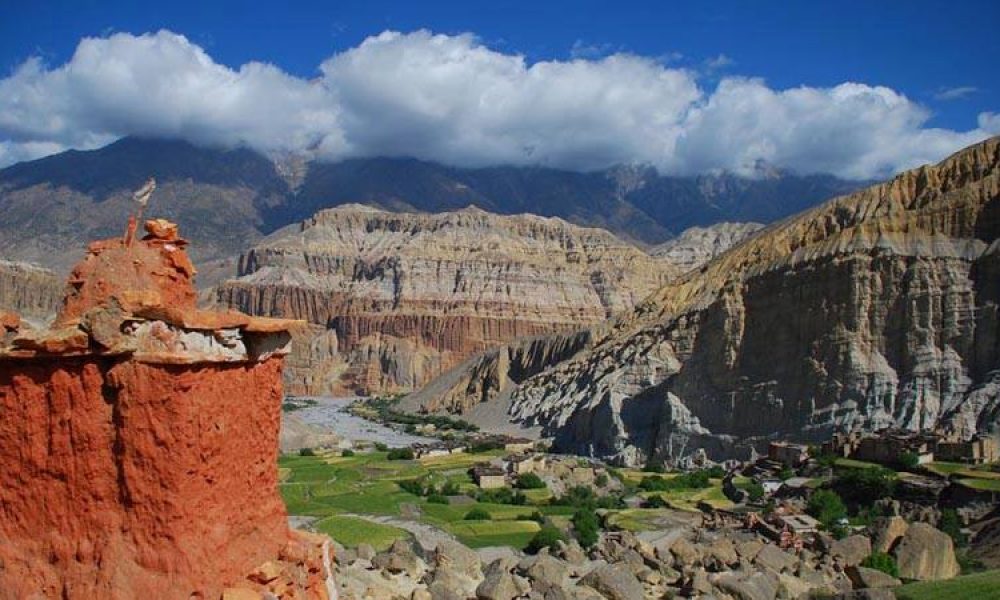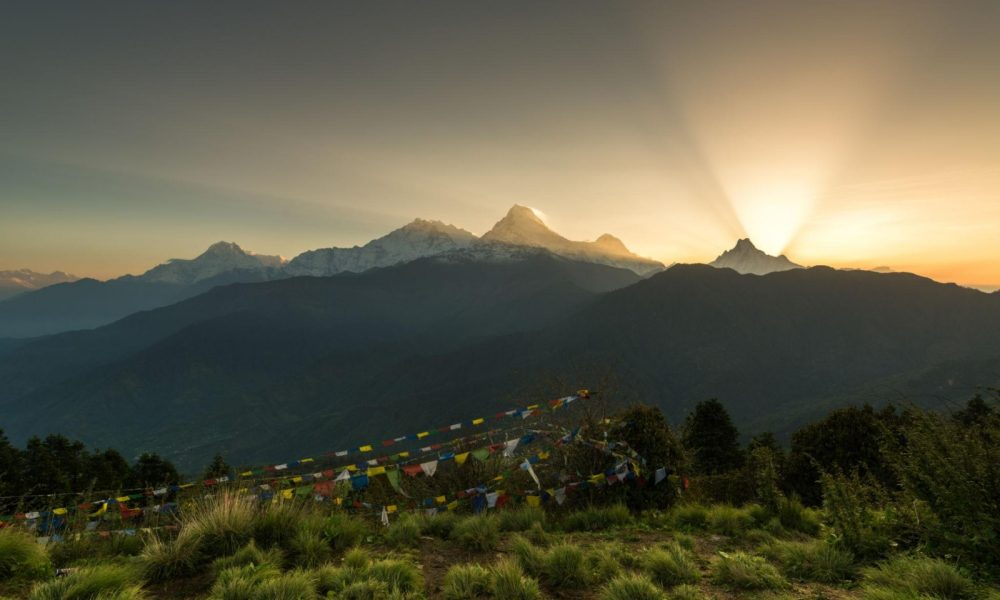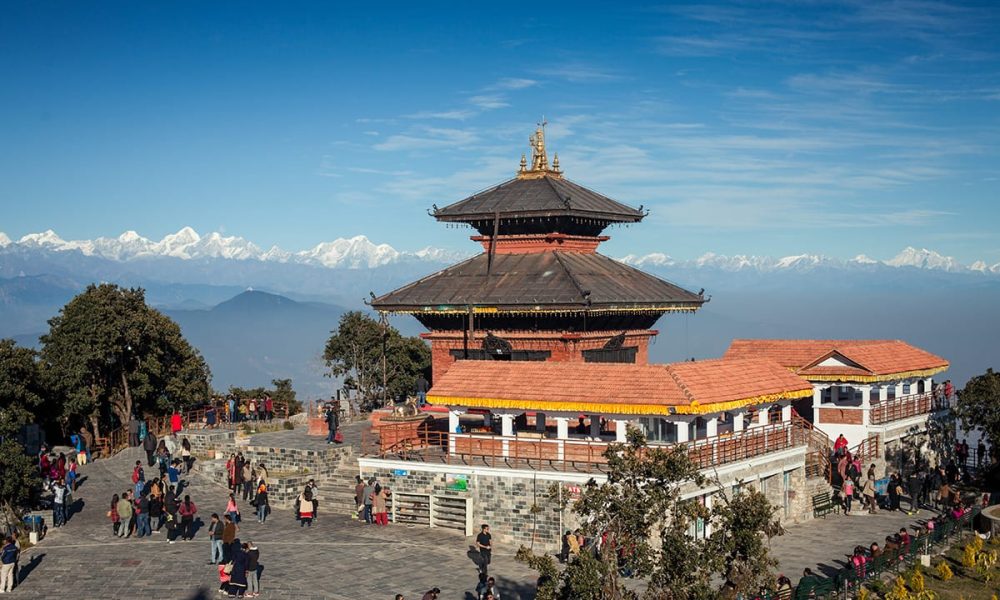
The Makalu Base Camp Trek is a challenging Himalayan adventure in eastern Nepal, leading to the foothills of Mount Makalu (8,485 m), the world’s fifth-highest mountain. Situated within Makalu Barun National Park in Sankhuwasabha, this remote trekking route offers spectacular mountain scenery, diverse ecosystems, and an authentic experience away from Nepal’s busiest trekking trails.
Our 20-day Makalu Base Camp Trek itinerary begins with a flight from Kathmandu to Tumlingtar, followed by travel through traditional villages, rhododendron forests, and the Arun and Barun valleys. Trekkers cross high mountain passes, including Shipton La and Keke La, before reaching Makalu Base Camp at approximately 4,870 meters.
Makalu Barun National Park is home to rich Himalayan biodiversity, including red pandas, snow leopards, Himalayan black bears, and hundreds of bird species, although sightings of rare wildlife are uncommon. With dramatic alpine landscapes and views of the Makalu massif, the trek is ideal for experienced travellers seeking a remote and rewarding Himalayan adventure.
Upon arrival in the Tribhuvan International airport, our representative will welcome you and will assist to transfer you in your hotel in Kathmandu. You may relax at your hotel or go around for shopping, visit nearby places or make friends perhaps.
At evening Wanderlust Adventure will organize welcome dinner for you in one of the tipical Nepalese restaurant in the heart of Kathmandu meanwhile briefing about your adventurous trip will take place. Overnight at Hotel.
A 50 minutes flight from Kathmandu landing on a bumpy grass airstrip at Tumlingtar. From Tumlingtar, about 3 hours jeep drive on a bumpy road takes to the first camp at Chichila.
A moderately paced walk through the picturesque villages and lush mountain forests. A ridge line with great views on both side and perched on the end is Num. Thunder and lightning make interesting displays in Num evenings.
A steep descent down through the forests and terraced plots of land takes to Arun Khola. Then winding ascends up the other side again. Often quite hot – the forest on the valley sides offer a bit of shade. Makalu National Park starts and we register our permits. Camping right at the top of the village.
Ascend the ridge bounded by the Ipsuwa Khola on the west and Kasuwa Khola to the east. Crossing the hillside through quiet villages and passing by small paddy fields, we reach the village of Tashi Gaon.
Trek upwards towards Khongma. Khongma is the last stop before crossing the Shipton La and dropping down into the upper sections of the remote Barun Valley. The green forests are replaced by scrub and rhododendrons that cover the lower reaches of the mountains.
Rest and acclimatization day allows our bodies to catch up with us before gaining more height. The following day we take on crossing of the Shipton La.
Climb towards the summit of the Shipton La which takes a few hours to reach. After the lake Kalo Pokhari, pass over the Keke La at 4,152m. Marvelous views of Chamlang 7,319m, Peak 6 (6,524m) and Peak 7 (6,758m). After crossing the Keke La pass, we descend down through the beautiful valley to Debotay. Climbing high and sleeping low gives the opportunity for acclimatization.
From Debotay, pass through the Rhododendron forest leads to the Baruni River and the upper reaches of the valley. A pleasant walk, gaining altitude slowly, until we arrive at Yangle Kharka situated at the base of the valley.
Today, we trek to Merek. Since we are gaining height beyond 4, 000 meters, be sure to allow your body the necessary time for acclimatization.
Now we climb up the valley, through yak pastures and boulder fields. On approaching Shersong the south east ridge of Mount Makalu comes into view. Campsite at Shersong.
Make sure that you acclimatize well before walking up to Makalu Base Camp. Enjoy the superb views of the Himalayan mountains throughout the day. Return back to Shersong.
Descend back down the valley and take our last glimpse of Makalu before turning the corner and eventually reaching Yangle Kharka.
Continuing with our descent through the rockfall. Then climb up the rock gully to Mumbuk. We will be again greeted by the greeneries below.
Initial steep climb from Mumbuk through a forest of firs and rhododendrons. Cross the Keke La, Shipton La and Ghungru La. Descend to Khogma again.
Today, we continually descend down to Tashigaon. The descent will be a long and steep one. Cutting across the hillside to eventually reach the Sherpa town of Tashi Gaon.
We are retracing the same path that we came by. We exit the Makalu Barun Camp. Descend down to Arun Khola and Seduwa again. Then another hike through the forest to Num. We follow our footsteps all the way back down to the river. Climb back up the opposite side of the valley to Num.
Again we retrace our steps to Chichila. The final return leg of the trek will see us overnight at Tumlingtar, ready for an early departure to Kathmandu the following day. Transfer to Tumlingtar.
We complete the journey with a flight to Kathmandu. We will return to the welcome haven of the Hotel. Once back in Kathmandu, Himalayan Glacier will host an evening barbecue to celebrate the expedition and as a farewell party to thank the Sherpas for their support and friendship.
Today the journey comes to an end. There’s nothing to do but trade emails with your new friends, organize all your photos and finally depart from Nepal. If departing, you’ll be transferred to the International Airport for your departure flight to your onwards destination. Or get ready for the next adventure.
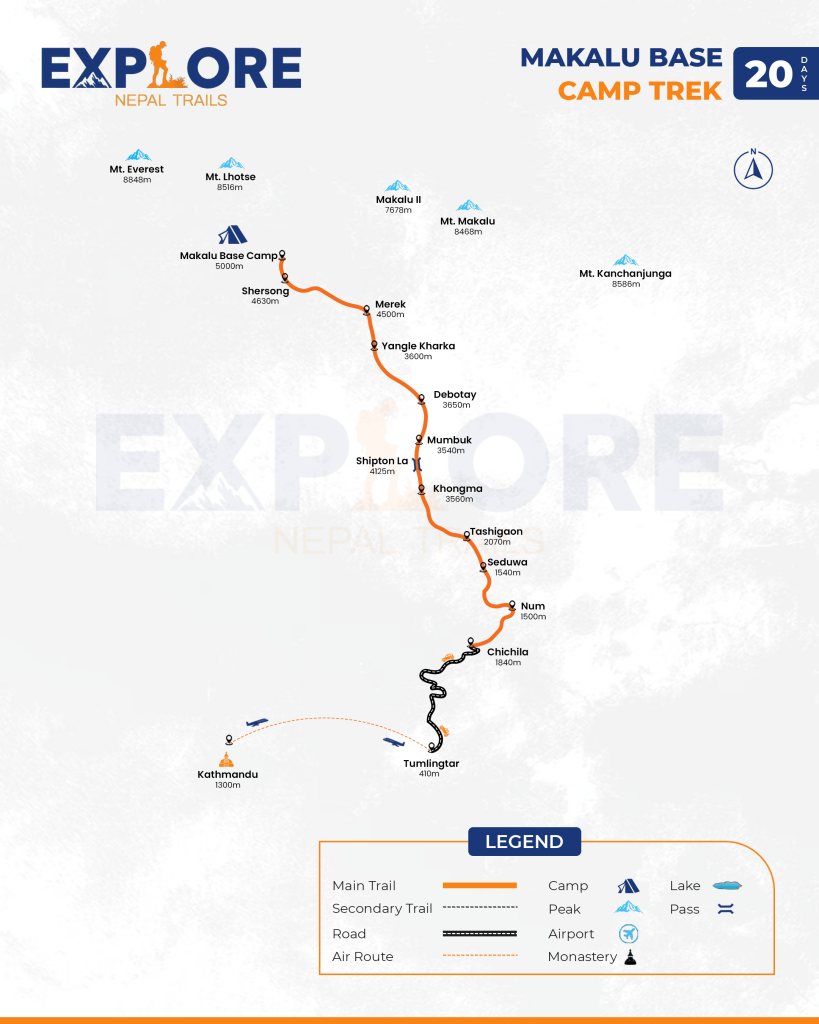
The Makalu Base Camp Trek route begins with a flight from Kathmandu to Tumlingtar, followed by road travel towards Chichila. The trail continues through Num, Seduwa, Tashigaon, and Khongma, crossing Shipton La and Keke La before descending towards Dobato and entering the Barun Valley.
Trekkers then ascend through Yangle Kharka and the upper valley towards Shersong and Makalu Base Camp, at approximately 4,870 meters. The route combines steep ascents, remote villages, forested hillsides, alpine terrain, and striking Himalayan scenery.
The journey is considered demanding due to its high-altitude passes, rugged terrain, and limited facilities. Nepal Tourism Board recommends the Makalu-Barun trek for experienced trekkers.
Key Route Highlights:
The trek follows a well-established path through eight main villages and settlements before reaching Makalu Base Camp at 4,870m. The route strategically gains altitude gradually, allowing for proper acclimatization while showcasing the region’s incredible biodiversity and cultural richness. Unlike the crowded trails of Everest or Annapurna, the Makalu Base Camp trek route offers solitude and an authentic wilderness experience.
The Makalu Base Camp trek route is generally well-marked, though not as clearly as more popular routes. Stone cairns, occasional signposts, and prayer flags guide the way. However, hiring an experienced guide is highly recommended for several reasons:
Trail Surface: The path varies from well-maintained stone steps in villages to rough, rocky trails in higher elevations. Expect river crossings on suspension bridges, steep ascents and descents, and glacial moraine walking near base camp.
The best time for the Makalu Base Camp Trek is during spring (March–April) and autumn (October–November). Spring offers blooming rhododendron forests, pleasant daytime temperatures, and beautiful Himalayan scenery. Autumn generally provides clearer skies, excellent mountain visibility, and favourable trekking conditions. Winter brings freezing temperatures and snowfall at higher elevations, while the monsoon season makes trails slippery and more challenging.
Tumlingtar (1,010m): Small airport town, starting point of the trek Num (1,500m): Traditional village with panoramic valley views Chichila (1,920m): Charming village with Buddhist monastery Seduwa (1,540m): Agricultural village with terraced fields Tashigaon (2,170m): Last permanent settlement, permit checkpoint Khongma Danda (3,560m): High ridge with first major mountain views Shipton La (4,216m): Named after legendary mountaineer Eric Shipton Barun Valley: Pristine glacial valley, heart of the national park Makalu Base Camp (4,870m): Destination with stunning mountain panorama
The total trekking distance from Num to Makalu Base Camp and back is approximately 110-120 kilometers. Daily trekking times vary:
These times depend on your fitness level, weather conditions, and acclimatization needs. It’s essential not to rush this trek, as altitude gain must be gradual to prevent altitude sickness.
The attached Makalu Base Camp trekking map provides a clear visual representation of the entire route. Key features include:
Most trekkers return via the same route, which typically takes 6-7 days from Makalu Base Camp back to Num. The descent is faster but requires attention to avoid knee injuries on steep downhill sections. Some experienced trekkers choose the challenging high pass route via Sherpani Col and West Col, eventually connecting to the Everest region, but this requires technical mountaineering skills and takes an additional 12-15 days.
The Makalu Base Camp trek route has limited infrastructure compared to mainstream trails. Tea houses are basic, offering simple rooms with twin beds and communal dining areas. Electricity is scarce above Tashigaon, with solar panels providing limited power. Cell phone coverage is sporadic, with Ncell network available in some lower villages. There are no ATMs beyond Tumlingtar, so carry sufficient cash for the entire trek.
This route remains one of Nepal’s hidden gems, offering adventure seekers an opportunity to experience Himalayan trekking as it was decades ago authentic, challenging, and spectacularly beautiful.
The Makalu Base Camp trek typically takes 18 days to complete, including travel days from Kathmandu. The actual trekking days are around 14-15 days, with 8-9 days ascending to base camp and 5-6 days returning. This duration allows for proper acclimatization and ensures your safety at high altitudes. Shorter 14-day itineraries are available for experienced trekkers, while some prefer adding extra acclimatization days for a 20-day journey.
The Makalu Base Camp trek cost varies depending on group size and services included:
The cost typically includes permits, guide and porter services, accommodation, meals during the trek, and ground transportation. International flights, travel insurance, personal expenses, and tips are extra.
Yes, the Makalu Base Camp trek is considered very difficult and is recommended for experienced trekkers only. Here’s why:
You should have previous trekking experience at 3,500m+ before attempting this trek.
While technically possible, it is strongly not recommended to trek to Makalu Base Camp without a guide. Here’s why:
Additionally, many tea houses prefer booking through agencies, and solo trekkers may face accommodation challenges during peak season.
The best times for the Makalu Base Camp trek are:
Spring (March to May)
Autumn (September to November)
Avoid: Monsoon (June-August) due to leeches, landslides, and poor visibility. Winter (December-February) brings extreme cold and heavy snow above 3,500m.
You need to be in excellent physical condition. Recommended preparation:
If you can comfortably hike 6-7 hours daily with elevation gain for consecutive days, you’re ready.
Yes, you need multiple permits for the Makalu Base Camp trek:
These permits can be obtained in Kathmandu through registered trekking agencies. You’ll need your passport, passport-sized photos, and travel insurance documents.
Yes, but tea houses are basic and limited compared to popular routes:
Camping is an alternative for those preferring more comfort and flexibility. Many organized treks use a combination of tea houses and camping.
You need standard high-altitude trekking gear including sturdy boots, warm layered clothing, a down jacket, trekking poles, and a cold-rated sleeping bag.
No, technical equipment like ropes, harnesses, ice axes, or crampons is not required as it is a trekking route, not a climbing expedition.
They are usually not necessary, but microspikes can be useful during snowy or icy conditions near high passes.
Yes, a sleeping bag rated around −15°C to −20°C is recommended due to very cold temperatures at higher altitudes.
There are no reviews yet. Be the first one to write one.

Explore Nepal Trails is your trusted partner for trekking, peak climbing, and mountaineering adventures in Nepal. From classic Himalayan treks to high-altitude expeditions and cultural journeys, we deliver safe, well-planned, and unforgettable travel experiences.
We Accept

Join our community of over 200,000 global readers who receive emails filled with news, promotions, and other good stuff.

WhatsApp us