The Annapurna Region is one of Nepal’s most diverse trekking destinations, offering a remarkable variety of landscapes, climates, and cultures.
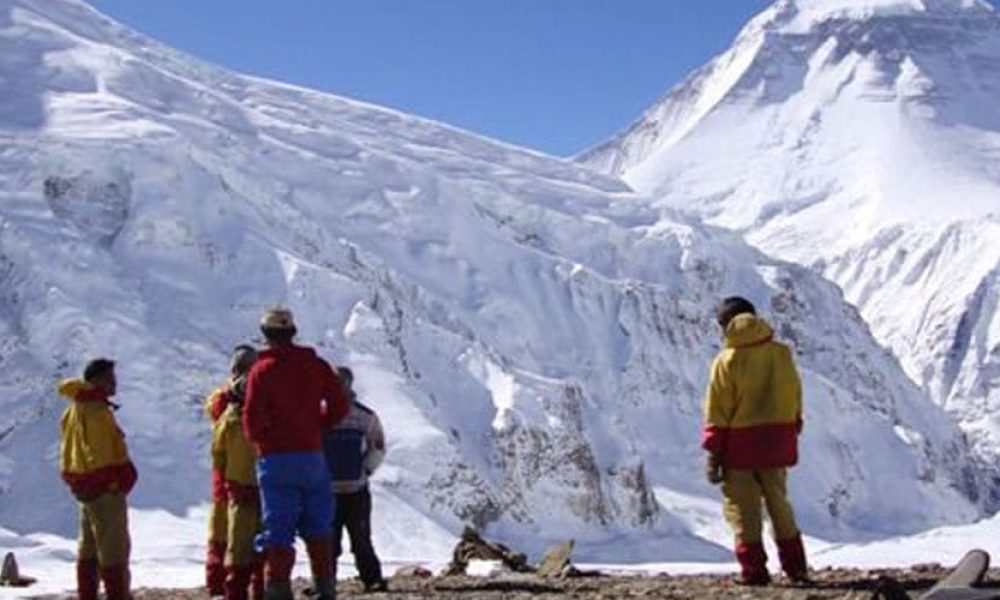
Treks begin in lush subtropical valleys, pass through terraced farmlands and traditional villages, and ascend into alpine terrain with towering Himalayan peaks. The region is home to Annapurna, Dhaulagiri, Machhapuchhre, and several other iconic mountains.
This region is highly flexible and suitable for all trekking levels, from short scenic hikes to long, challenging high-pass treks. With excellent teahouse networks, easy road access, and diverse trekking options, the Annapurna Region is ideal for beginners, families, and seasoned trekkers alike. Cultural diversity, ranging from Gurung and Magar villages to Tibetan-influenced communities, adds depth to the trekking experience.
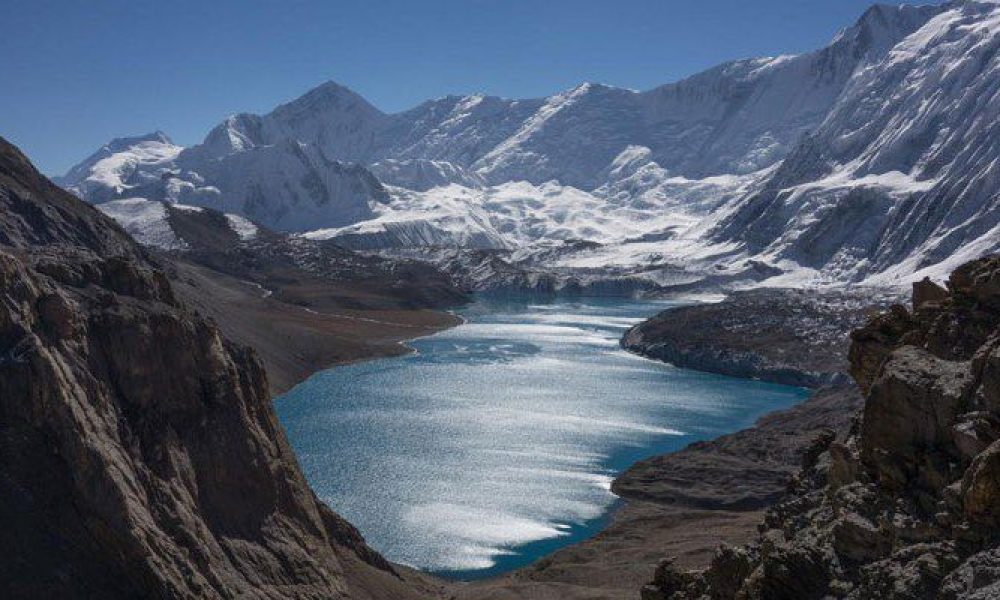
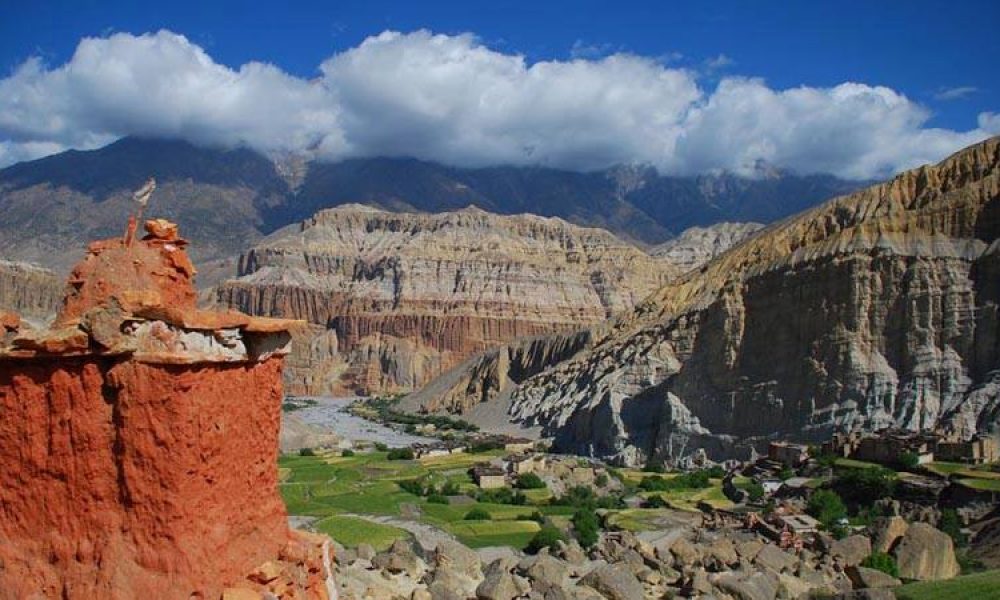
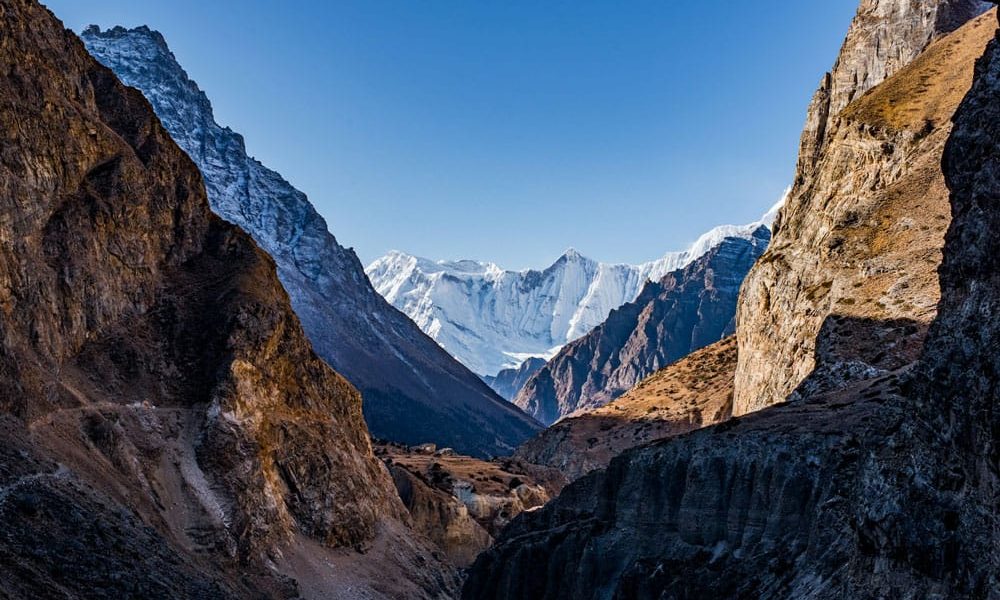
The Annapurna Region is characterised by extraordinary geographical diversity. Elevations range from subtropical valleys at around 790 meters to towering Himalayan peaks exceeding 8,000 meters. The landscape includes lush forests, terraced farmlands, deep river gorges, alpine meadows, glacial valleys, and high mountain deserts.
One of the region’s most remarkable features is the Kali Gandaki Gorge, considered one of the deepest gorges in the world. The region experiences diverse climatic zones, from warm subtropical conditions in the lower hills to alpine and arctic environments in the higher elevations.
The Annapurna Region is exceptionally rich in biodiversity due to its wide range of altitudes and ecosystems.
During spring, the forests burst into color with blooming rhododendrons, Nepal’s national flower.
The region supports a variety of wildlife, including:
The Annapurna Region offers numerous world-famous attractions:
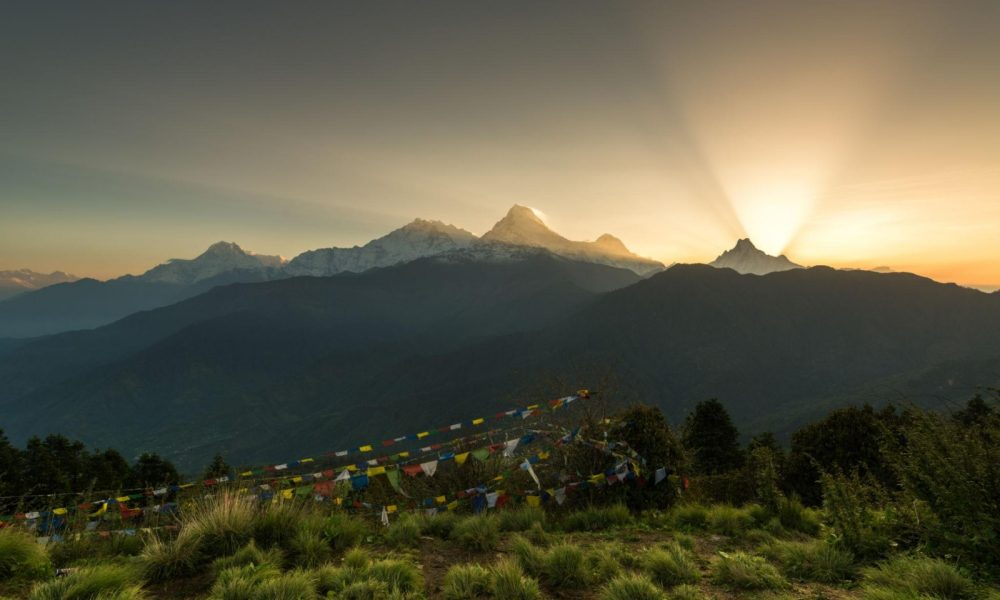
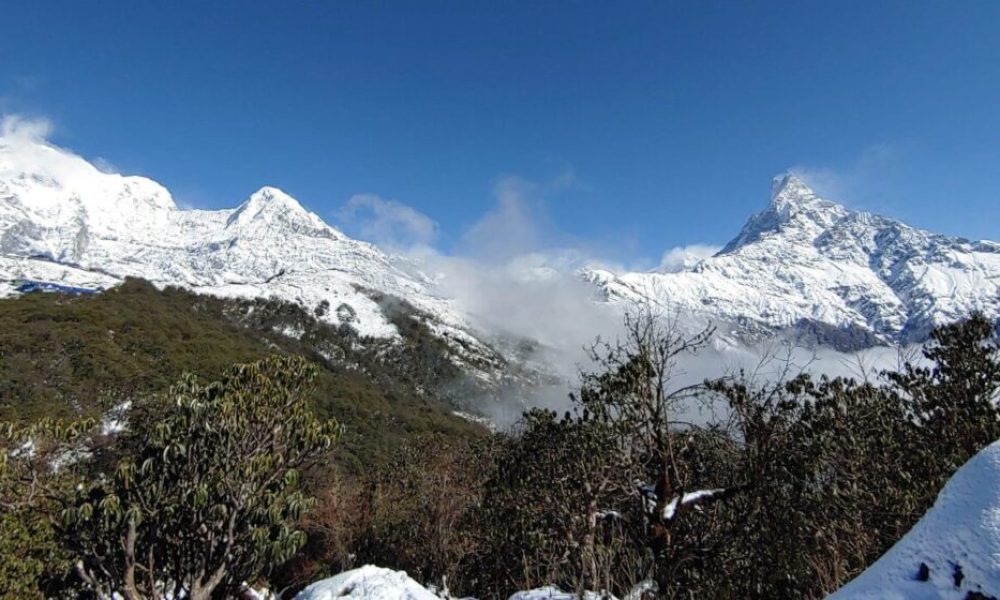
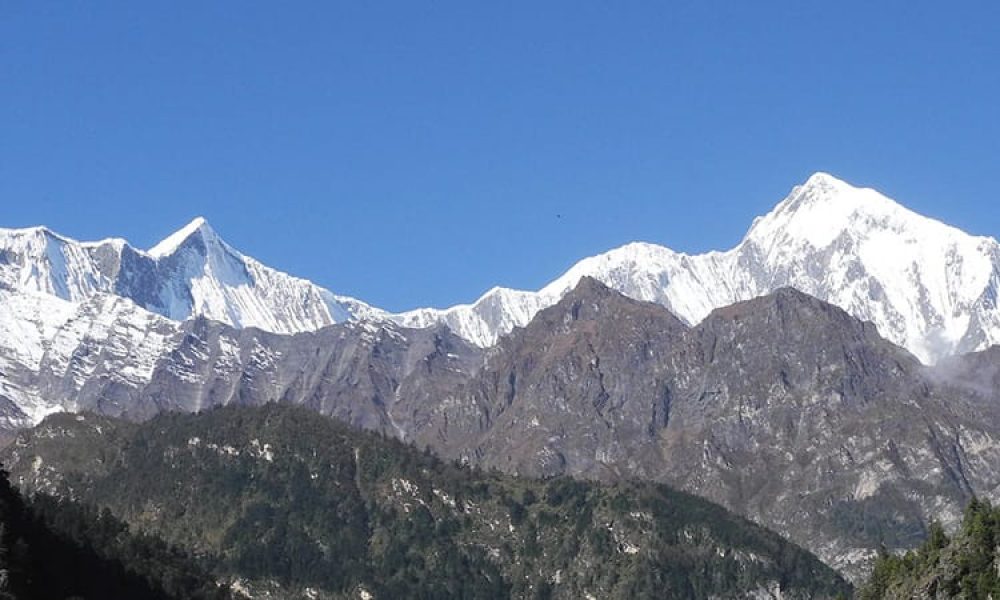
Visitors are rewarded with breathtaking views of Annapurna, Dhaulagiri, Machhapuchhre, Hiunchuli, Nilgiri, and many other Himalayan peaks.
The Annapurna Region is home to diverse ethnic communities, each with unique traditions, customs, and lifestyles. Major ethnic groups include the Gurung, Magar, Thakali, Manangi, and Tibetan-influenced communities of the higher Himalayas.
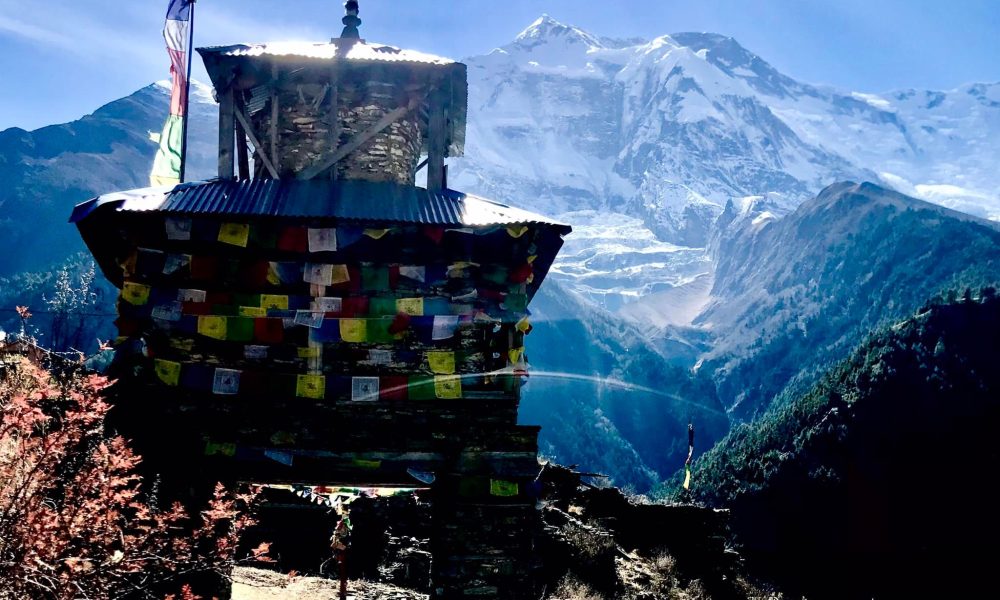
The region showcases a rich blend of Hindu and Buddhist cultures. Visitors encounter ancient monasteries, prayer wheels, chortens, traditional stone villages, and colorful festivals. The local people are known for their warm hospitality and strong cultural identity.
Traditional farming, animal husbandry, and tourism remain important aspects of daily life. Villages such as Ghandruk, Ghorepani, Manang, Marpha, and Muktinath provide excellent opportunities to experience authentic Himalayan culture.
The Annapurna Region is famous for offering some of the most diverse trekking experiences in the world. From lush forests and traditional villages to high mountain passes and dramatic Himalayan landscapes, the region combines natural beauty, cultural richness, and adventure. Its accessibility, variety of trekking routes, and stunning mountain views make it one of Nepal’s most popular destinations for trekkers, nature lovers, and cultural explorers.
Treks in the Annapurna Region range from 5 to 21 days, offering both short scenic hikes and long high-altitude adventures.
It is known for its diverse landscapes, cultural villages, accessibility, and wide choice of trekking routes suitable for all experience levels.
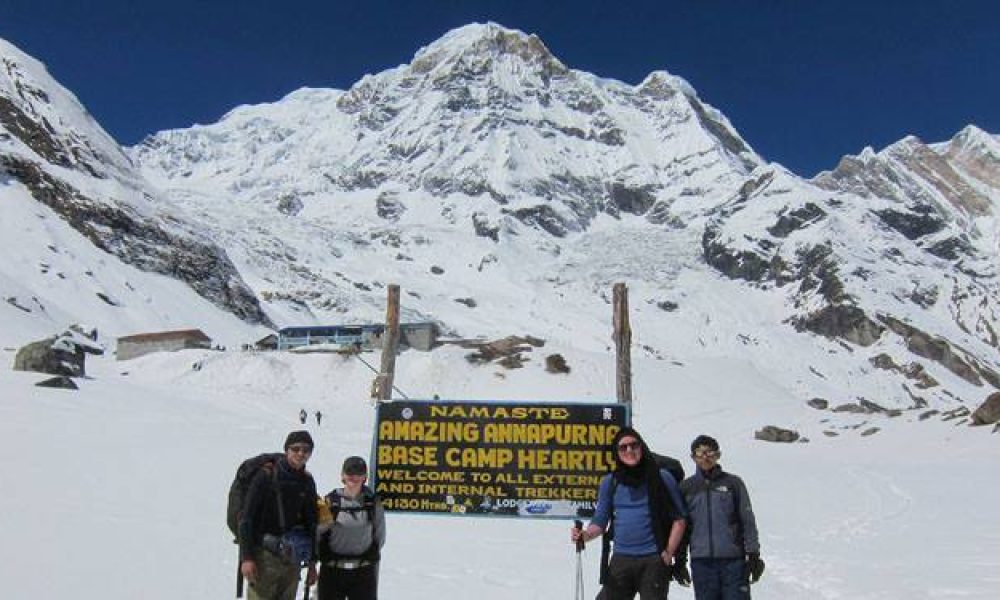
Yes, many treks such as Ghorepani Poon Hill and Annapurna Base Camp are ideal for beginners with basic fitness.
Yes, the Annapurna Circuit includes Thorong La Pass (5,416m), which is physically demanding.
You need Annapurna Conservation Area Permit (ACAP) and TIMS card.
A guide is not mandatory but is recommended for safety and route flexibility.
Comfortable teahouses and lodges are widely available throughout the region.
Yes, vegetarian food is easily available.
Spring and autumn are the best seasons for stable weather and views.
Yes, it is one of the safest regions, though trekking with a guide is advised.

Explore Nepal Trails is your trusted partner for trekking, peak climbing, and mountaineering adventures in Nepal. From classic Himalayan treks to high-altitude expeditions and cultural journeys, we deliver safe, well-planned, and unforgettable travel experiences.
We Accept

Join our community of over 200,000 global readers who receive emails filled with news, promotions, and other good stuff.

WhatsApp us