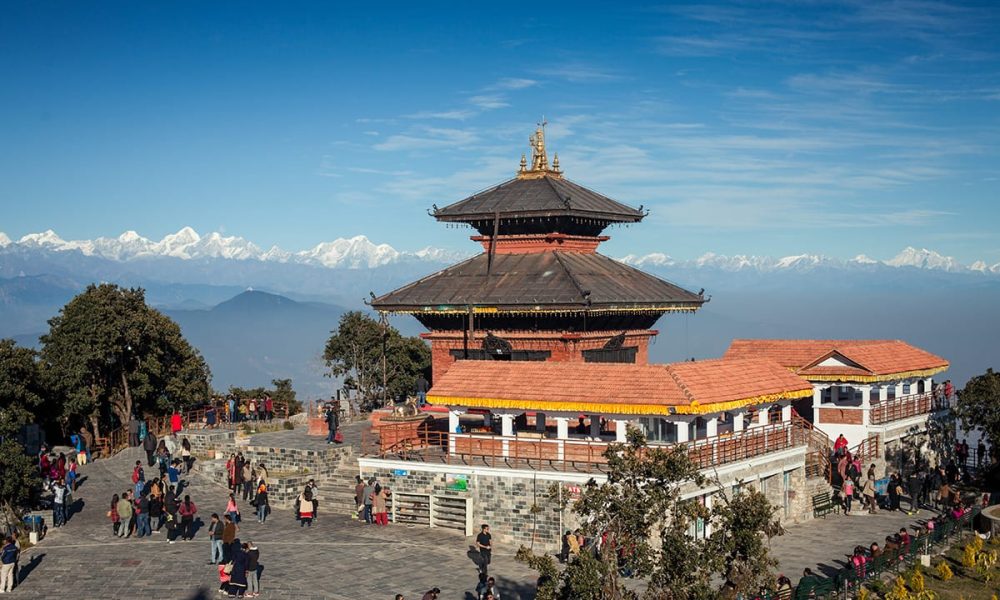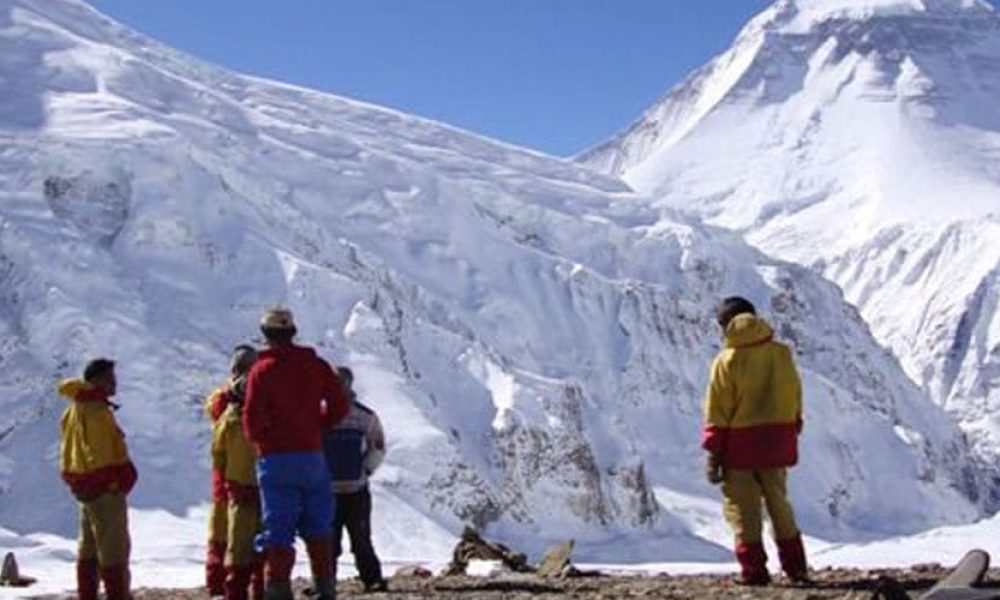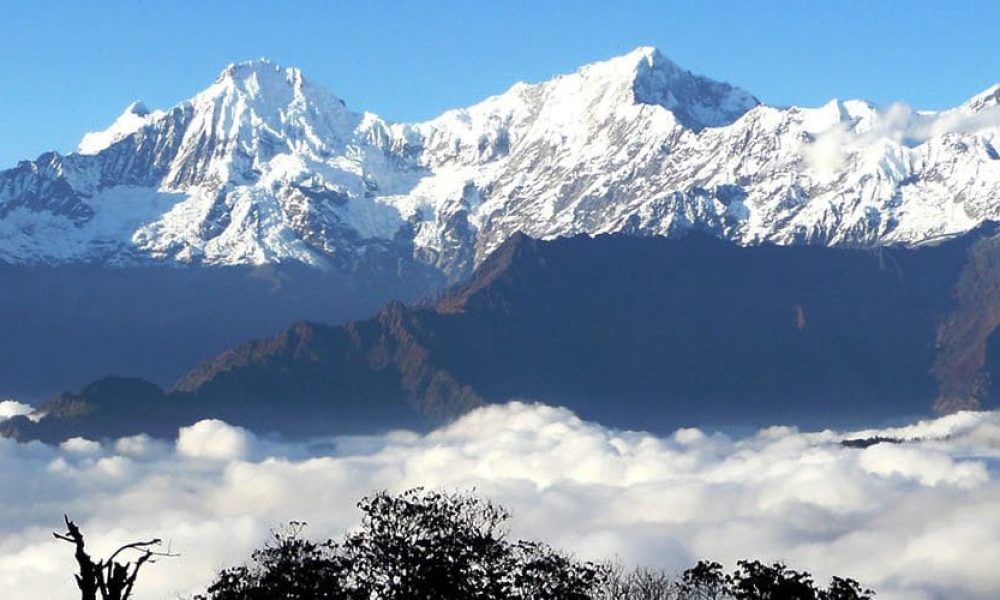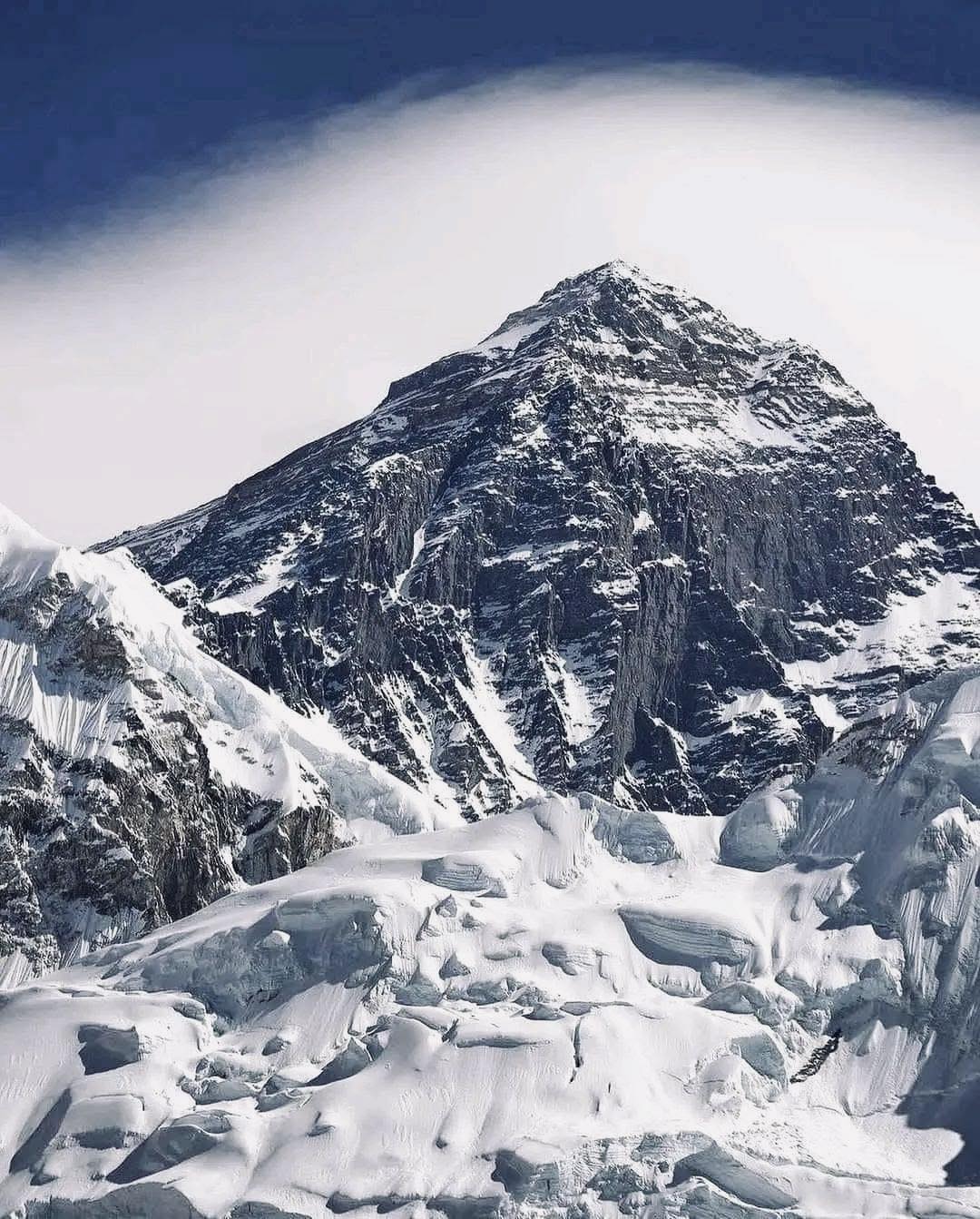
Everest Three High Pass Trek links the Everest Base Camp and Gokyo Lake trek with two additional trails to the east and west routes of this region. It includes the three high passes of Everest, each with an elevation of over 5,300m. There is also the possibility of poor weather conditions, which require acclimatization through slow, steady ascents, making this a long and demanding 7-day trek. The Everest Three High Pass Trek can also be tackled in a clockwise (highly difficult) or the less challenging, anticlockwise direction.
After arrival at the Tribhuvan International Airport (TIA) in Kathmandu, the Explore Nepal Trails staff will pick you up from the airport and take you to the hotel. You can take a well-deserved rest there.
After breakfast, we embark on a tour of four amazing UNESCO World Heritage Sites. These include the architecturally rich Durbar Square, the sacred Hindu temple of Pashupatinath, the interesting ‘Monkey Temple‘ (Swayambunath), and the Bouddhanath Stupa, which is one of the largest stupas in the world.
After completing our tour late in the afternoon, we will drive to Himalayan Glacier’s office for a brief meeting about our trek and get to know our team leader (guide) and fellow travelers.
All treks to Everest begin from Lukla, where we will fly in the early morning, right after breakfast. The flight will be an interesting one since we will be flying amidst the grand Himalayas in a Twin Otter airplane. We begin our short trek to Phakding immediately after landing. After an hour’s gradual descent, we will be at a Cheplung village from where we have a glimpse of Mt. Khumbila (18900ft), a sacred mountain which has never been climbed. From Cheplung, we continue descending to Phakding and spend the night.
We begin our trek on uphill and downhill trails, with multiple crossings over Dudh Koshi River and a magnificent view of Mt. Thamserku (21,675ft) from the Benkar village. We cross more bridges and reach the entrance of Sagarmatha National Park at Monjo, where our trekking permits are checked.
We walk further and pass through Jorsale village before reaching Namche Bazaar. From here, we enjoy stunning views of the Himalayas, including Everest, Lhotse, Makalu, and others.
This is the first of the three scheduled rest days, which will help us acclimatize to the high altitude. Since experts believe it is better to stay active even on rest days for a better trekking experience, we will spend the day enjoying small hikes in and around Namche Bazaar.
We hike up to the Everest View Hotel to enjoy the admirable views of the Himalayan vista. On our way back to Namche, we also tour the Khumjung Monastery (which houses a yeti scalp) and the Hillary School.
Our guide can also take us to the Tourist Visitor Center near the headquarters of Sagarmatha National Park, where we can observe various items related to the first Everest ascenders and Sherpa culture. We can also learn about the different plant and animal life in the Everest region at the center. We will spend the night in Namche Bazaar.
We begin today’s trek on an easy trail to Phunki Thanga. From here we ascend towards Tengboche village, which is home to the largest monastery in the Everest region.
The monastery is situated within the Sagarmatha National Park and offers panoramic views of the world’s highest mountains, including Everest, Ama Dablam, Thamserku, Nuptse, and Lhotse. We then aim to reach the monastery by 3:00 pm and may even witness a religious Buddhist ceremony. We will spend the night in Tengboche.
We begin today’s trek by walking downhill and passing through the lush forests filled with birch, conifers, and rhododendron trees. We continue our trek with views of Mt. Everest, Lhotse, and Ama Dablam to keep us company. The picturesque trail then descends to Debuche, crosses the Imja River, and takes us to Pangboche.
While walking the upper Pangboche trails, we get a more pristine view of the Himalayas and Pangboche Monastery. We move ahead towards the Imja Valley, Lobuche River, and ultimately climb up to Dingboche. The village is a beautiful, windy settlement overlooked by chortens and prayer flags. We will then spend our night in Dingboche.
Dingboche is a popular stop for trekkers and climbers en route to Mt. Everest, Ama Dablam, or Imja Tse. The village is beautiful with an array of fields enclosed by stone walls to protect barley, buckwheat, and potatoes from the cold wind and grazing animals.
We will spend a day at Dingboche for acclimatization. We may also take a day hike to Nagarjun Hill for stunning views of Makalu, Lhotse, Cholatse, Tawache, and Ama Dablam.
Our trail passes through stone-walled fields and the Imja Khola valley before entering glacier moraines amidst towering Himalayas. The trail continues to Bibre, a place where yak herders reside. From here, directly across the valley, is the fantastic Ama Dablam and the Amphu Labsa mountains.
Icy streams intersect our trails ahead. We continue our walk for around half an hour and reach Chhukung. After lunch, we begin our trek towards Chhukung Ri. The climb to Chhukung Ri involves some easy scrambling near the summit.
From the top, we can look directly across the valley for a fantastic view of Ama Dablam and Amphu Labcha peaks. We descend back to Chhukung to spend the night.
We begin today’s trek very early in the morning to reach the highest point of the entire trip: the Kongma La pass. We can either take a trail over a hill to the northwest of Chhukung, which leads over the Nuptse Glacier moraines, or we can walk back to Bibre and trek on the trail above the Niyang Khola.
Cairns and Buddhist prayer flags mark the top of the pass. The final descent from the pass is the most difficult part of today’s journey. After climbing the moraine on the far side, the trail turns north through Khumbu Glacier, which leads to Lobuche, where we stay the night.
Our trail moves along the lateral moraine of the Khumbu Glacier. Ahead on the trail, we see the crest of the north ridge of Everest along with Pumori, Mahalangur, Lingtern, Khumbutse, Nuptse, and other mountains.
A small ascent takes us to Thangma Riju. From here, we will take in the panoramic views of the Himalayan vista. We ascend on a steep trail up to the top of Changri Glacier. As we reach Gorak Shep, we are surrounded by the Himalayas.
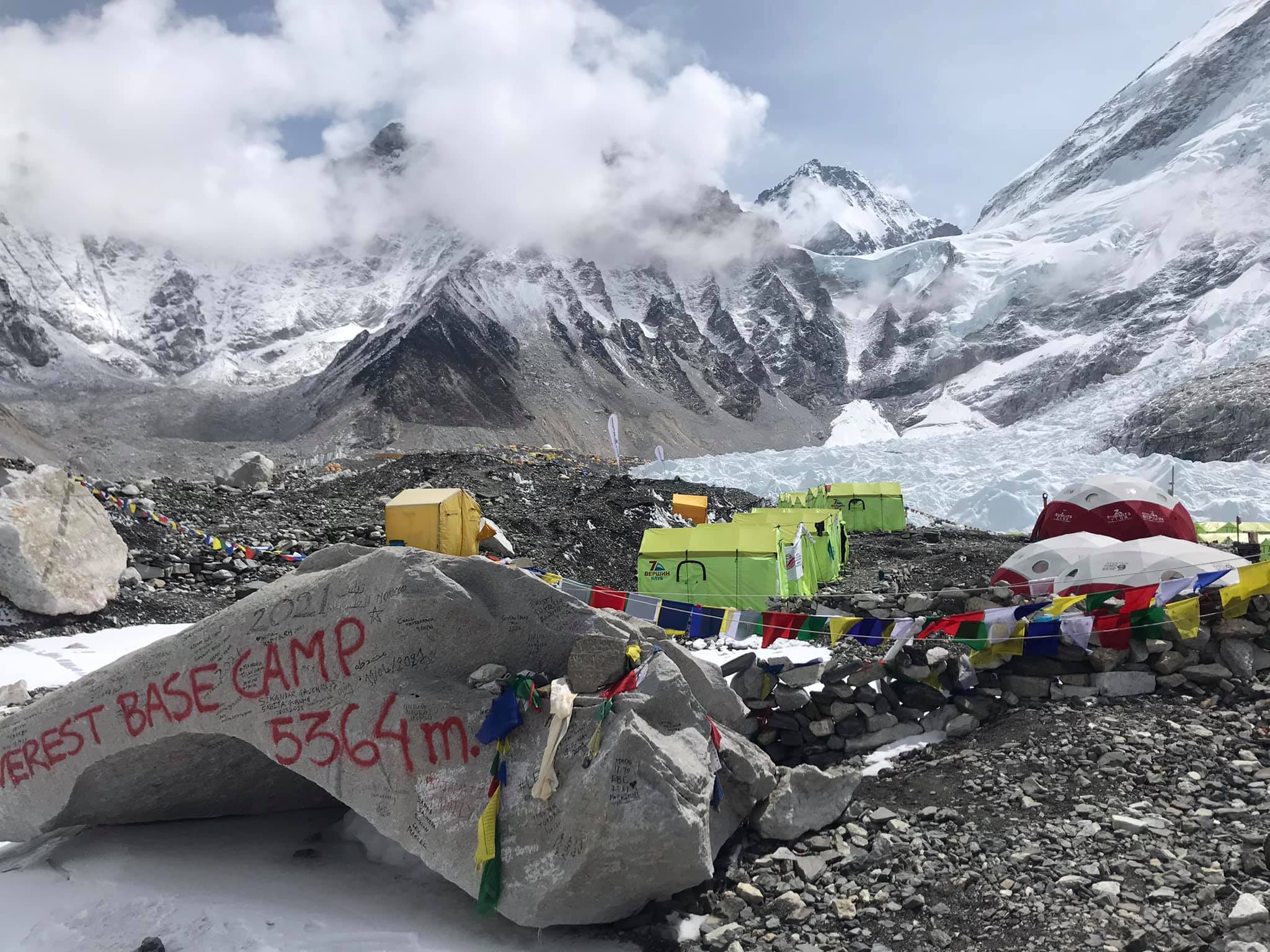
After resting for a short while, we continue to Everest Base Camp. We pass through rocky dunes, moraines, and streams before reaching the base camp of the world’s tallest mountain, Everest. From here, we admire the Nuptse, Khumbuste, and Pumori mountains. We trek back to Gorak Shep and spend the night.
We begin our trek to Kala Patthar early in the morning to catch the remarkable views of the first light of the sun shining on Mt. Everest. However, we need to be prepared for trekking in the dark and cold temperatures (the temperature varies according to the season).
Furthermore, there is always a chance for chilly winds, which are quite common. As we continue our trek, familiar peaks such as Lingtren, Khumbutse, Changtse, Everest, and Nuptse will tower above us. After several hours of ascent, we will be at the top of Kala Patthar.
The close-up view of Mt. Everest and other Himalayan peaks from Kalapathar is amazing. We will enjoy the stunning Himalayan vista and descend to Lobuche, where we will spend the night.
From Lobuche, we will trek downhill, along the trails of Khumbu Glacier. Our trail will split into two, and we will pick the trail on our right. On the way, we can take in the view of the looming Awi Peak.
We pass through a stupa and tombstones in the distance. After walking for a while, we begin to ascend. During the ascent, we see Chola Tsho Lake nearby. We will continue and pass another lake, which is significantly smaller than the Chola Tsho Lake.
We cross the Chola Khola on a bridge before reaching Dzongla. We then spend the night in Dzongla.
As we gain height, the Cho La Lake will come into our view. The Ama Dablam can be seen residing over a range of mountains to the south, and Cholatse soars to the west. Climbing this incline will not be easy, as it is steep, but made worse by boulders over some of which we will have to scramble.
The final climb to the Cho La can be a little tricky as the trail curves around a crevasse. The top of the pass is marked by prayer flags and cairns. The scenery of majestic peaks in all directions is breathtaking. Although long, the path leading down to Thangnak is not difficult.
Our trail leads us to the edge of the Ngozumpa Glacier, which is the longest glacier in Nepal. Reaching the other side of the glacier, we see the second Gokyo Lake in the series of six lakes. A short distance away, we can also see the third Gokyo Lake. On the edge of this lake stands the Gokyo Village, where we will spend the night.
We climb Gokyo Ri today and enjoy the view of the incredible mountain vista. We can also tour the fourth Gokyo Lake today, which is only 3km north of the Gokyo Village. Next, we will continue trekking to the 5th lake.
The view from ‘Scoundrel’s Viewpoint’, located at the edge of the 5th lake, is astonishing. We will spend the day admiring the views of Cho Oyu, Gyachung Kang, Everest, Lhotse, Nuptse, and the Makalu mountains, as well as the vast Ngozumba Glacier. We will trek back to Gokyo and spend the night.
We will start the day early in the morning to complete the long day’s trek ahead. Our trail moves alongside Dudh Pokhari (lake) for a while. We walk for around two hours before descending towards the Renjo La pass. On the way, we are rewarded with extravagant views of the Himalayan and Rolwaling ranges.
Views from the Renjo La pass are similar to those from Gokyo Ri, beneath the gray smear of the Ngozumpa Glacier. We also get outstanding views of Mt. Everest from the top of the pass. Continuing from the pass, our trail winds down a stone staircase and then traverses a loose scree to reach the south bank of Angladumba Tsho Lake. The presence of ice on the trail while descending can make our descent a bit hazardous.
Along the way, we will see Relama Tsho and Renjo Lake. We will walk down a narrow valley full of giant boulders to Lumde, where a support lodge is located, but often closed. We will walk for almost an hour from Lumde to get to Marlung on the east bank of the Bhote Koshi River. Overnight at Marlung.
The descent from Marulung to Thame follows a traditional route that Tibetan traders have used for centuries. We will cross the Bhote Koshi River and descend to Taranga. The trail continues to descend, and we will cross two bridges before reaching Thame.
Overlooking Thame is its famous Gompa, situated on a hill to the west. From here, we will descend gradually on a trail that passes through a few small villages before reaching Namche Bazaar, which is probably the biggest town in the Everest region. Overnight in Namche Bazaar.
We begin our trek with a descent. As we continue our trek, we cross several bridges over the fast-flowing Dudh Koshi River and its tributaries. Now the trail has become more level and natural. On our trek, we will enjoy walking on open plains, through rhododendron and pine forests, and take in the distant views of the snow-covered peaks.
We will walk through Sherpa villages, taking note of their impressive faith in Buddhism and the culture of prayer stones and prayer flags. After reaching Lukla, we will stretch those sore legs and recall the experiences of the last couple of weeks. Our long trek to the mountain and its high passes comes to an end today. Overnight in Lukla.
Flights to Kathmandu are typically scheduled in the morning for safety purposes. After reaching the capital city, we have the rest of the day off to spend as we please. We could take a rest in our hotel room or shop for souvenirs for your loved ones. In the evening, there will be a farewell dinner to celebrate the successful completion of your journey to the mountains. Overnight in Kathmandu.
Our amazing journey in the Everest region, which includes the trek to Mt. Everest’s base camp and crossing high passes, comes to an end today. A company representative will pick you up from your hotel and drop you off at the airport 3 hours before our scheduled flight
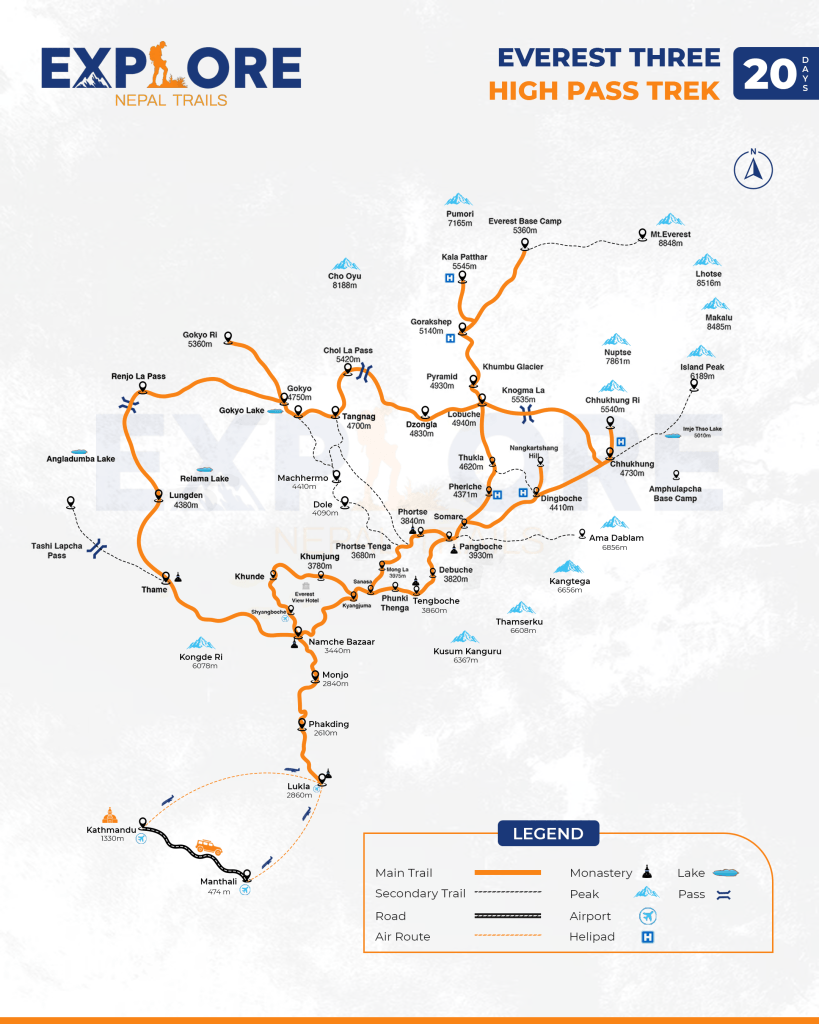
Choosing the right season is essential for a safe and enjoyable Three High Pass experience. Weather conditions directly impact visibility, trail stability, and the safety of crossing the high passes.
Best Seasons:
Spring (March to May):
Mild temperatures and stable weather
Blooming rhododendron forests
Some snow may remain on early-season pass crossings
Beautiful mountain views with moderate crowds
Autumn (September to November):
The best overall season
Clear skies and excellent visibility after the monsoon
Ideal conditions for high pass crossings
Comfortable daytime temperatures, cold nights
Not Recommended:
Winter (December to February)
Freezing temperatures
Heavy snowfall can close the passes
Only suitable for very experienced trekkers
Monsoon (June to August):
Rain, clouds, leeches, and slippery trails
Flights to Lukla are often delayed
High passes may become too risky to cross
Spring and autumn offer the safest and most enjoyable trekking experience, with the best mountain views and trail conditions.
The Everest Three High Pass Trek is considered one of the most challenging yet rewarding treks in the Everest region. It combines long trekking days, steep climbs, and high-altitude challenges, making it ideal for trekkers seeking a serious Himalayan adventure.
Key Difficulty & Fitness Notes:
Very Challenging Trek: You will cross three major high passes: Kongma La (5,535 m), Cho La (5,420 m), and Renjo La (5,360 m). Each pass involves steep ascents, rocky paths, and potential snowy sections.
High Altitude Exposure: Much of the trek takes place above 4,500 m, where oxygen levels are low and acclimatization becomes crucial.
Long Trekking Days: Expect 6 to 10 hours of hiking on most days, often including long ascents and descents.
Who It’s For: Best suited for experienced trekkers, or fit beginners who have trained seriously and are prepared for demanding conditions.
Fitness Required: Good cardiovascular endurance, strong legs, and the ability to carry your daypack for extended hours will ensure a safer and more enjoyable experience.
Mental Preparedness: Weather in the high passes can shift quickly, and the terrain is rugged determination and a positive mindset go a long way.
Who It’s For:
This trek is ideal for experienced trekkers who have previously done high-altitude routes, or for determined beginners who are physically fit, have trained well, and are willing to acclimatize properly. If you’re comfortable hiking long days, navigating high passes, and handling altitude, this is a rewarding challenge.
The Everest Three High Pass Trek takes approximately 18 to 22 days to complete. The trek involves crossing three high passes like Kongma La, Cho La, and Renjo La, making it a challenging and rewarding adventure.
The best seasons for the Everest Three High Pass Trek are spring (March to May) and autumn (September to November). During these months, you’ll experience clear skies, moderate temperatures, and favorable weather conditions, which are ideal for crossing the high passes.
The Everest Three High Pass Trek is not recommended for beginners due to its high altitude and physically demanding nature. It is best suited for experienced trekkers who are physically fit and have prior experience with high-altitude treks.
The three high passes are:
Kongma La (5,535 meters / 18,159 feet) – the first high pass of the trek.
Cho La (5,420 meters / 17,782 feet) – the second pass that connects the Everest region with the Gokyo Lakes.
Renjo La (5,360 meters / 17,585 feet) – the final pass that offers incredible views of the Everest massif.
To minimize the risk of altitude sickness, ensure you acclimatize properly by spending extra days in key locations like Namche Bazaar, Dingboche, and Gokyo. Stay hydrated, eat high-energy foods, and avoid ascending too quickly. A slow, steady pace is key to managing altitude well.
Packing for this trek is crucial. Essentials include:
Warm and layered clothing (down jackets, fleece, base layers)
Trekking boots and gaiters (for crossing snow)
A good sleeping bag (appropriate for cold weather)
Sunscreen, sunglasses, and a hat
A camera (for the stunning mountain views)
First aid kit and medications (for altitude sickness or minor injuries)
Trekking poles (for stability on rocky or snow-covered paths)
Cash in Nepali rupees for any extra expenses.
The biggest challenges of this trek are the high altitudes and the physical demands of crossing three high passes. The trek involves long days of walking, sometimes in difficult conditions, with significant elevation gains. You’ll need a good level of fitness, mental resilience, and prior experience with high-altitude trekking.
There are no reviews yet. Be the first one to write one.

Explore Nepal Trails is your trusted partner for trekking, peak climbing, and mountaineering adventures in Nepal. From classic Himalayan treks to high-altitude expeditions and cultural journeys, we deliver safe, well-planned, and unforgettable travel experiences.
We Accept

Join our community of over 200,000 global readers who receive emails filled with news, promotions, and other good stuff.

WhatsApp us