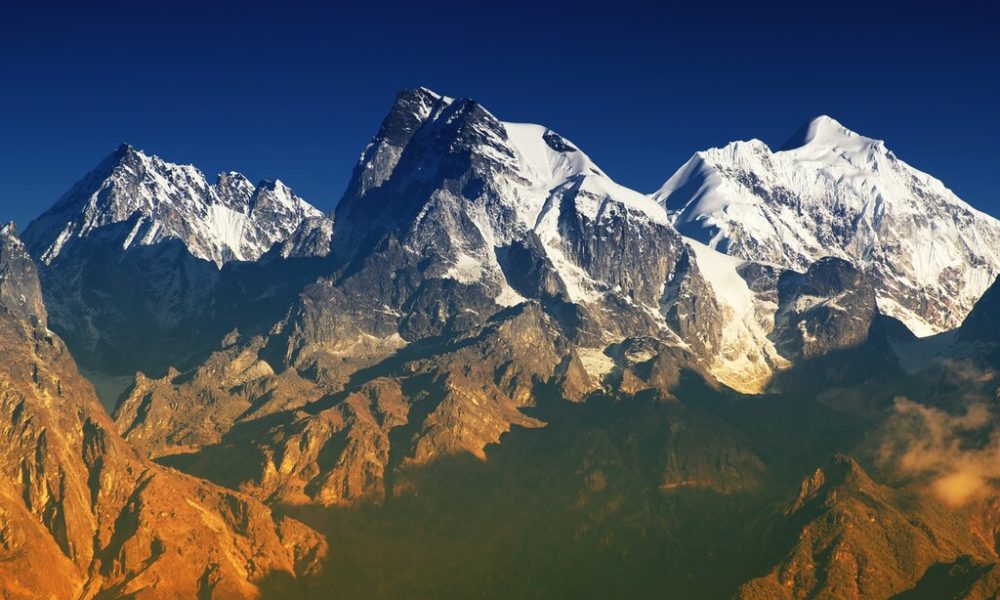
Peak climbing in Nepal combines high-altitude trekking with the challenge of reaching a Himalayan summit. It is an ideal progression for experienced trekkers who want to move beyond conventional trekking routes and develop practical mountaineering skills under the guidance of trained climbing professionals.
A typical peak climb involves several days of trekking, planned acclimatization, climbing preparation, a base camp or high camp and a final summit attempt. Depending on the selected peak and route conditions, climbers may travel across snow, ice, glaciers and steep alpine terrain. Equipment such as crampons, climbing harnesses, ice axes, ropes, helmets and mountaineering boots may be required.
Explore Nepal Trails offers guided peak-climbing packages in the Everest and Annapurna regions. Options include Mera Peak Climbing, Everest Base Camp and Island Peak Climbing, Everest Base Camp and Lobuche East Peak Climbing and Chulu East Peak Climbing.
Peak climbing is positioned between high-altitude trekking and a full-scale Himalayan expedition. Unlike a normal trek, reaching a climbing summit can require the use of technical equipment, rope systems and movement across snow or glaciated terrain.
A peak-climbing itinerary commonly includes:
Although some trekking peaks are described as non-technical, no Himalayan climb should be considered easy. Altitude, cold temperatures, changing weather, snow conditions and long summit days make physical preparation and responsible decision-making essential.
| Peak | Elevation | Region | General suitability | Current trip length |
|---|---|---|---|---|
| Mera Peak | 6,476 m | Everest/Makalu-Barun | Fit trekkers beginning mountaineering | 17 days |
| Island Peak | 6,189 m | Everest | Trekkers wanting EBC plus a summit | 21 days |
| Lobuche East | 6,119 m | Everest | Climbers seeking a more technical objective | 19 days |
| Chulu East | 6,584 m | Annapurna | Strong trekkers with alpine ambitions | 17 days |
Difficulty can change according to snow, ice, weather and route conditions. Elevation alone does not determine how technically difficult a peak climb will be.
Peak climbing is ideal for trekkers who want to advance into mountaineering and gain high-altitude climbing experience.
Most trekking peaks range between 5,500 and 6,800 meters.
Peak climbing trips typically last 12 to 22 days, depending on the peak and acclimatization.
A climbing permit, along with national park or conservation area permits, is required.
Yes, a licensed climbing guide is mandatory for safety and permit regulations.
Peak climbing is considered moderate to challenging, mainly due to altitude rather than technical difficulty.
Previous trekking experience is recommended. Basic mountaineering training is usually provided during the trip.

Explore Nepal Trails is your trusted partner for trekking, peak climbing, and mountaineering adventures in Nepal. From classic Himalayan treks to high-altitude expeditions and cultural journeys, we deliver safe, well-planned, and unforgettable travel experiences.
We Accept

Join our community of over 200,000 global readers who receive emails filled with news, promotions, and other good stuff.

WhatsApp us