The Ruby Valley Trek is a 12-day journey through Nepal’s Ganesh Himal region, combining mountain scenery with village stays and cultural encounters. This itinerary visits Gatlang, Somdang, Tipling, Shertung and Chalish, with a crossing of Pangsang La Pass.
Explore Nepal Trails’ package includes an acclimatization day at Somdang and a hot-spring visit. Review the daily itinerary, accommodation arrangements and package inclusions below to decide whether this route suits your trekking plans.
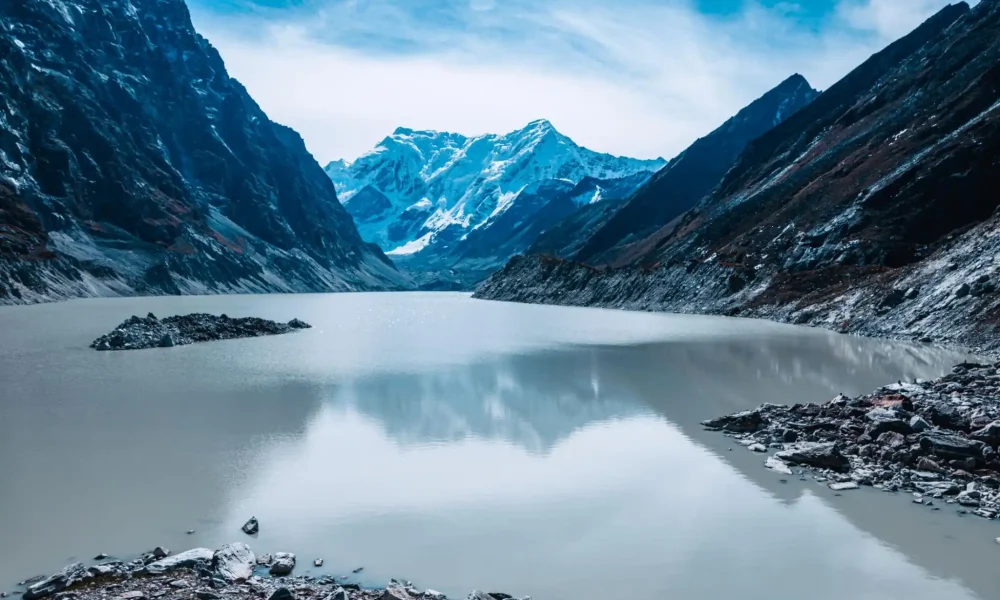
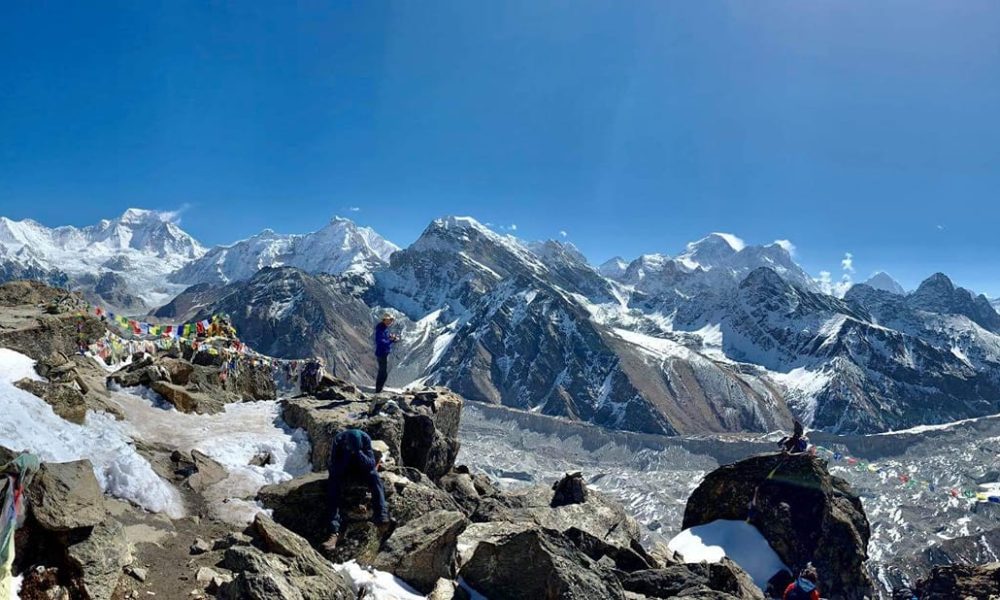
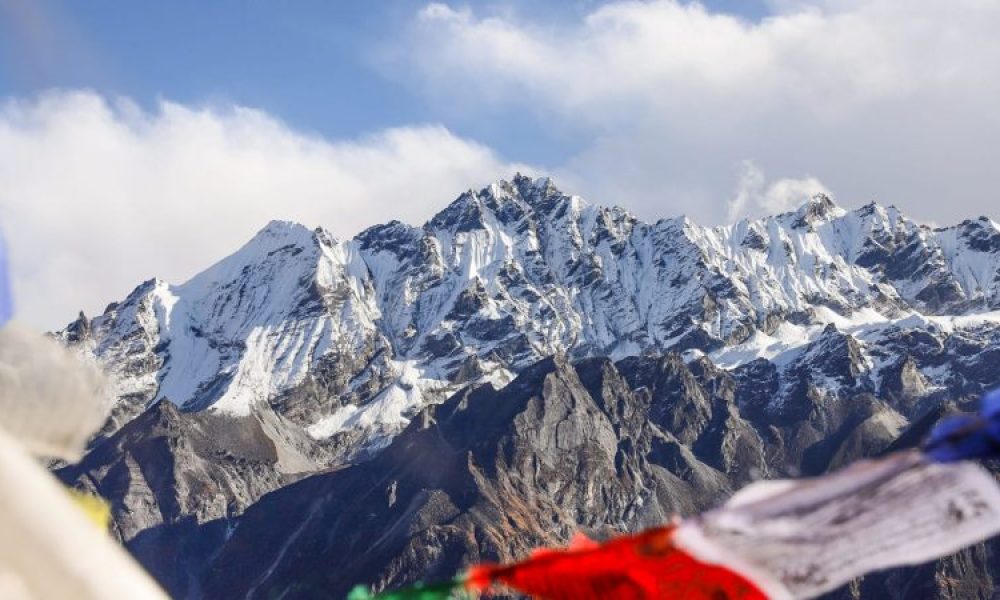
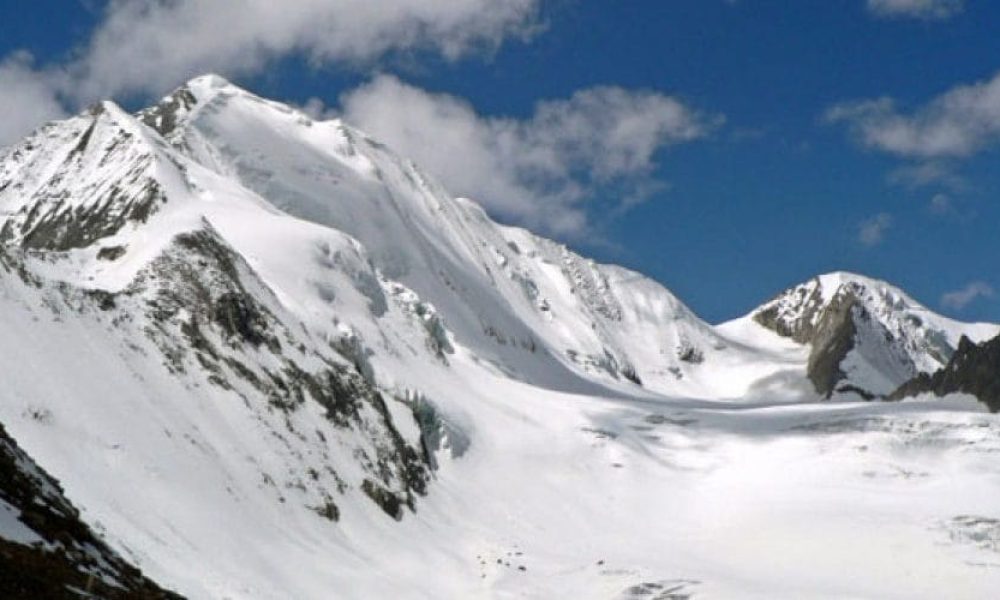
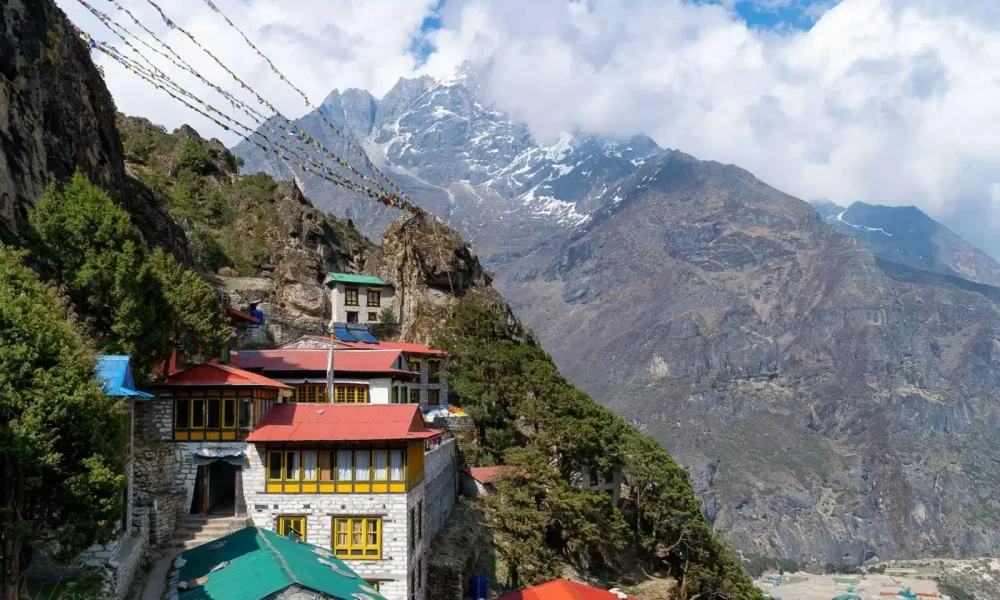
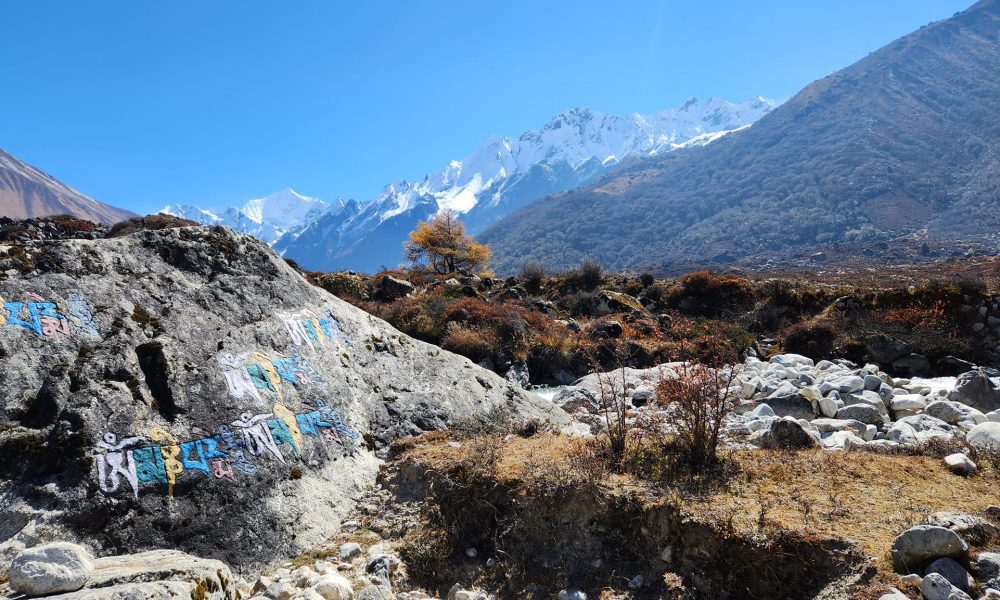
Escape the crowded trails and discover one of Nepal’s best-kept secrets, the Ruby Valley Trek. Imagine walking through vibrant rhododendron forests, crossing suspension bridges above rushing rivers, and waking up to jaw-dropping sunrises over snow-draped peaks like Ganesh Himal, Langtang Lirung, and Manaslu. Every step through the Ruby Valley brings you closer to nature, culture, and peace.
What sets Ruby Valley apart is its deep cultural immersion. You’ll stay in welcoming homestays, taste organic local meals, and witness traditional Tamang and Gurung customs untouched by mass tourism. The warmth of the people, the simplicity of life, and the purity of the environment create a soulful journey unlike any other in Nepal.
From scenic high passes like Pangsang La (3,850m) to natural hot springs and ancient monasteries, the trek is a perfect mix of natural wonder and spiritual richness.
Upon your arrival at Kathmandu International Airport, you’ll be greeted by the vibrant energy of the city. A representative from Explore Nepal Trails will be waiting to whisk you away to your hotel.
Today marks the beginning of your adventure. After a hearty breakfast, embark on a scenic drive to Syabrubesi. Enjoy the changing landscapes and get glimpses of the local life along the way. Syabrubesi, nestled at an altitude of 1460m, serves as the gateway to the Langtang Valley.
Get ready for your first trekking day. The trail to Gatlang will take you through picturesque landscapes and charming villages. Immerse yourself in the local culture and enjoy the warmth of the people in Gatlang.
As you ascend further, the terrain transforms, offering breathtaking views. Reach Somdang, a serene spot at 3271m. Take in the beauty of the surroundings and prepare for an acclimatization day tomorrow.
Give your body the time it needs to acclimatize to the higher altitude. Explore the surroundings, and perhaps take short hikes to nearby viewpoints. Use the day to rest and recharge for the upcoming trek.
Challenge yourself with a trek to Tippling, passing through the Pangsang Pass La at 3850m. The panoramic views from the Pass are a reward for your efforts. Descend to Tippling for a well-deserved rest.
Continue your journey to Shertung, a charming village with a unique cultural identity. Experience the hospitality of the locals and immerse yourself in their traditions.
Take a detour to the rejuvenating hot springs, a perfect way to relax your muscles. After soaking in the warmth, trek back to Chalish Gaon, surrounded by lush greenery.
As you ascend to Jharlang, the landscape becomes more rugged. The higher altitude brings a different charm to the surroundings. Enjoy the journey and the changing scenery.
Descend to Darkha Gaun, witnessing the transition from alpine to subtropical landscapes. The lower altitude brings a change in flora and fauna, adding diversity to your trekking experience.
The final trekking day takes you to Darkha Phedi. From there, embark on a scenic drive to Kathmandu via Dhading Besi. Reflect on your journey and savor the memories as you return to the bustling city.
Your unforgettable journey comes to an end. After breakfast, you’ll be transferred to Kathmandu International Airport for your departure. Take with you the memories of the breathtaking landscapes, the warmth of the people, and the sense of accomplishment from this trekking adventure. Safe travels!
The Ruby Valley Trek is well suited to travellers who value the experience of the journey as much as reaching a viewpoint. Walking between settlements creates opportunities to observe local farming, village architecture and community life.
A flexible attitude is important when travelling through remote areas. Accommodation, meal choices and everyday comforts may differ from those available in Kathmandu. Before booking, review the overnight arrangements with our team so that the experience matches your expectations.
If cultural encounters are a priority, you can also explore our Tamang Heritage Trail Trek as another village-focused trekking option.
Ruby Valley Trek is located between the comparatively more popular Lantang and Manaslu and is popular for several reasons:
Choose the Ruby Valley Trek if village experiences and a quieter trekking atmosphere are important parts of your Himalayan journey. Before booking, consider how comfortable you are with consecutive walking days and simple accommodation.
Review the daily walking schedule, available facilities and transport arrangements with our team. Sharing your previous trekking experience and travel preferences helps us assess whether the itinerary suits your expectations.
When comparing Ruby Valley Trek packages, consider what the quoted price covers as well as the total cost. Review the inclusions and exclusions below for accommodation, meals, transportation, guide services and permit arrangements.
Contact Explore Nepal Trails with your preferred dates and group size for a confirmed quotation. Before booking, request clarification about porter services, single-room supplements, personal expenses and any changes to the standard itinerary.
The Ruby Valley Trek usually takes 10 to 12 days, depending on the route, side trips, acclimatization days, and starting/ending points. It can also be customized as a shorter or longer trek.
The Ruby Valley is located between the Langtang and Ganesh Himal regions, north of Kathmandu. It is a remote and culturally rich area known for ruby deposits and traditional villages.
The highest point of the trek is around 3,800 meters, depending on the itinerary and passes crossed, making it a relatively moderate-altitude trek compared to other Himalayan routes.
The trek is special for its off-the-beaten-path experience, authentic Tamang and Gurung culture, untouched landscapes, and quiet trails with very few trekkers. It offers a deep cultural experience rather than high-altitude mountaineering.
An agency-issued TIMS card is required, while any additional entry permits depend on the exact route and protected areas visited.
Yes, Nepal Tourism Board lists the Ganesh Himal-Ruby Valley Trek among routes requiring a licensed trekking guide and an agency-issued TIMS card.
Accommodation is mainly in local homestays and basic teahouses. This trek strongly emphasizes community-based tourism, offering close interaction with local families.
The Ruby Valley Trek is considered moderate. It involves daily walks of 5–7 hours on varied terrain but does not require technical skills or extreme altitude adaptation.
Altitude sickness risk is low to moderate, as the trek remains below 4,000 meters. However, gradual ascent and proper hydration are still important.
Yes, the Ruby Valley Trek is suitable for beginners with reasonable fitness. It is a great choice for trekkers seeking a cultural and scenic Himalayan experience without extreme difficulty.
There are no reviews yet. Be the first one to write one.

Explore Nepal Trails is your trusted partner for trekking, peak climbing, and mountaineering adventures in Nepal. From classic Himalayan treks to high-altitude expeditions and cultural journeys, we deliver safe, well-planned, and unforgettable travel experiences.
We Accept

Join our community of over 200,000 global readers who receive emails filled with news, promotions, and other good stuff.

WhatsApp us