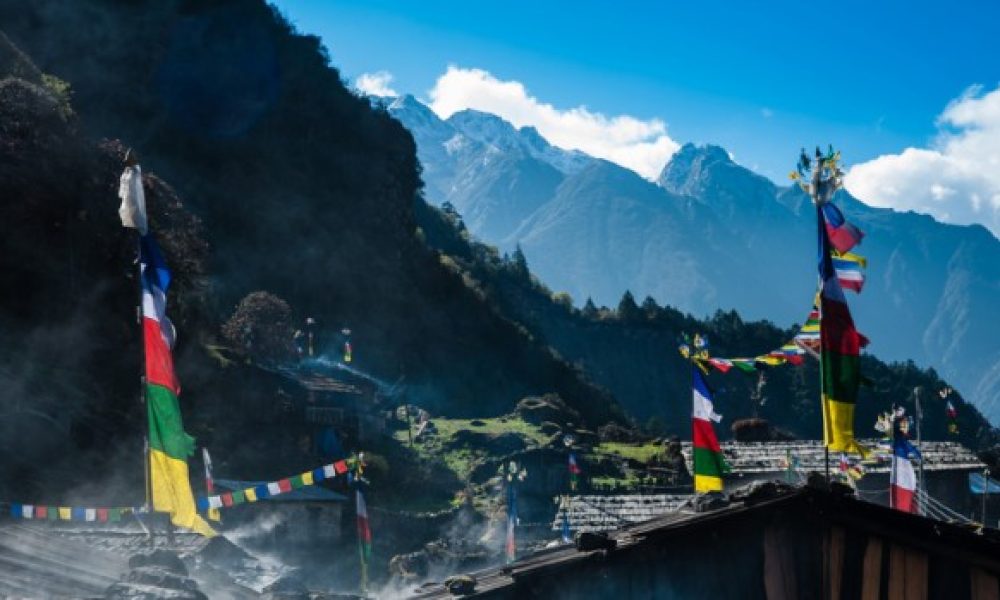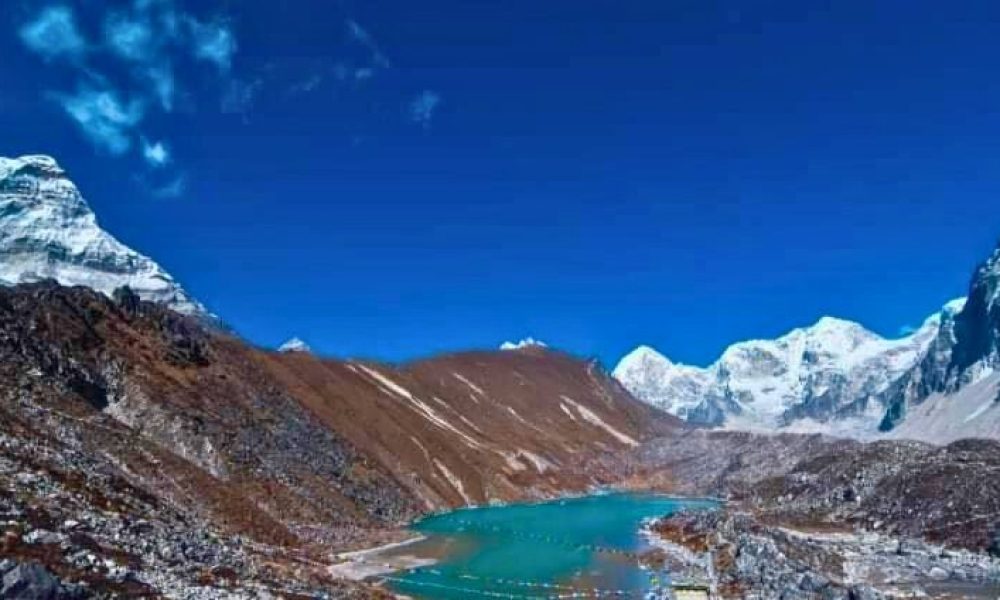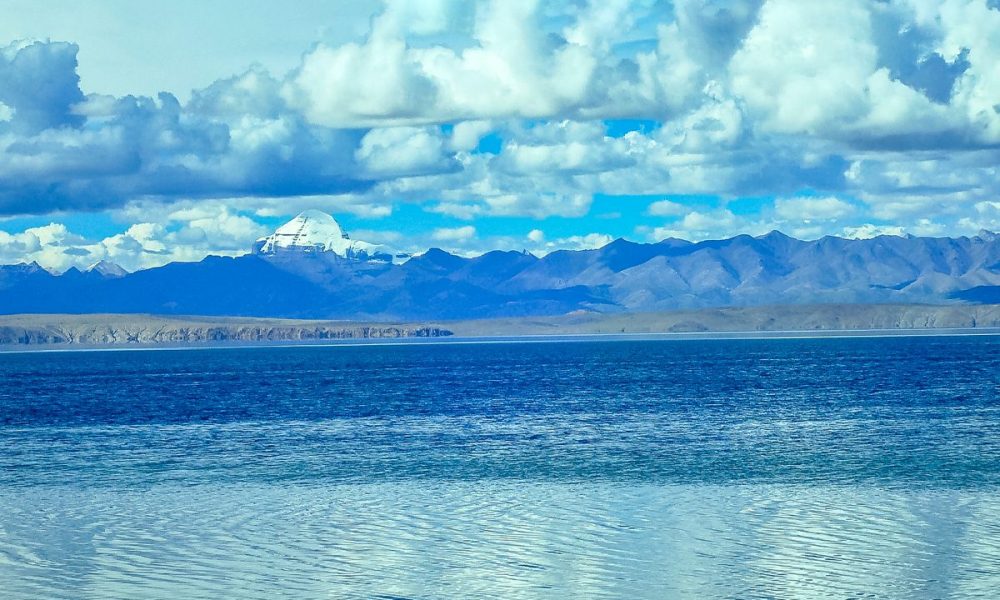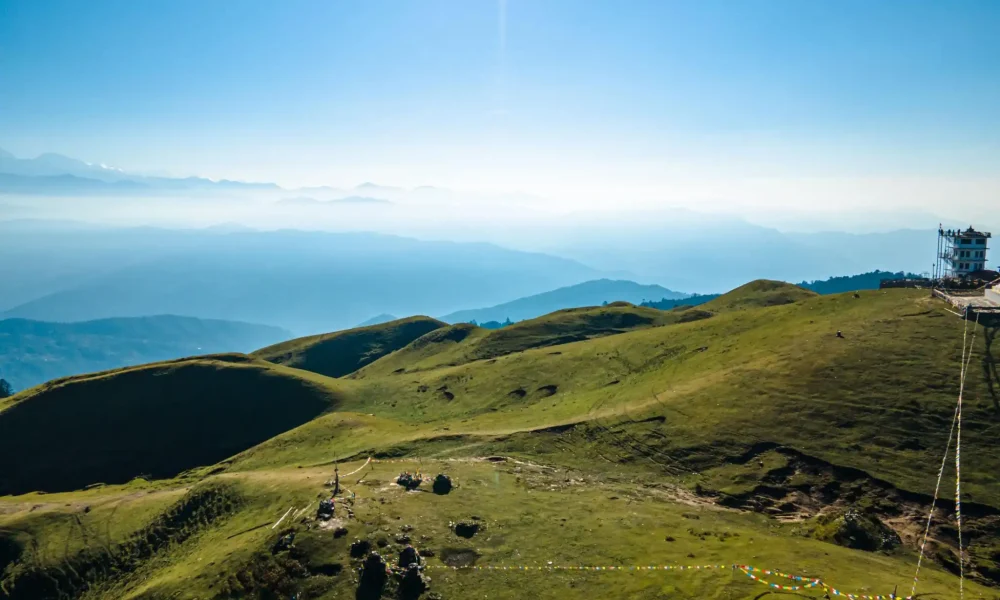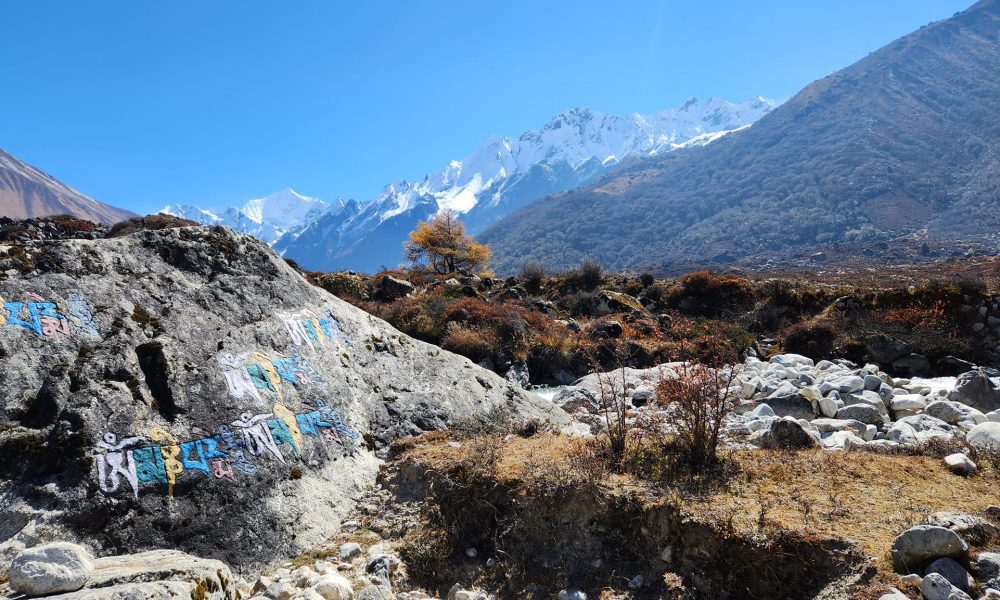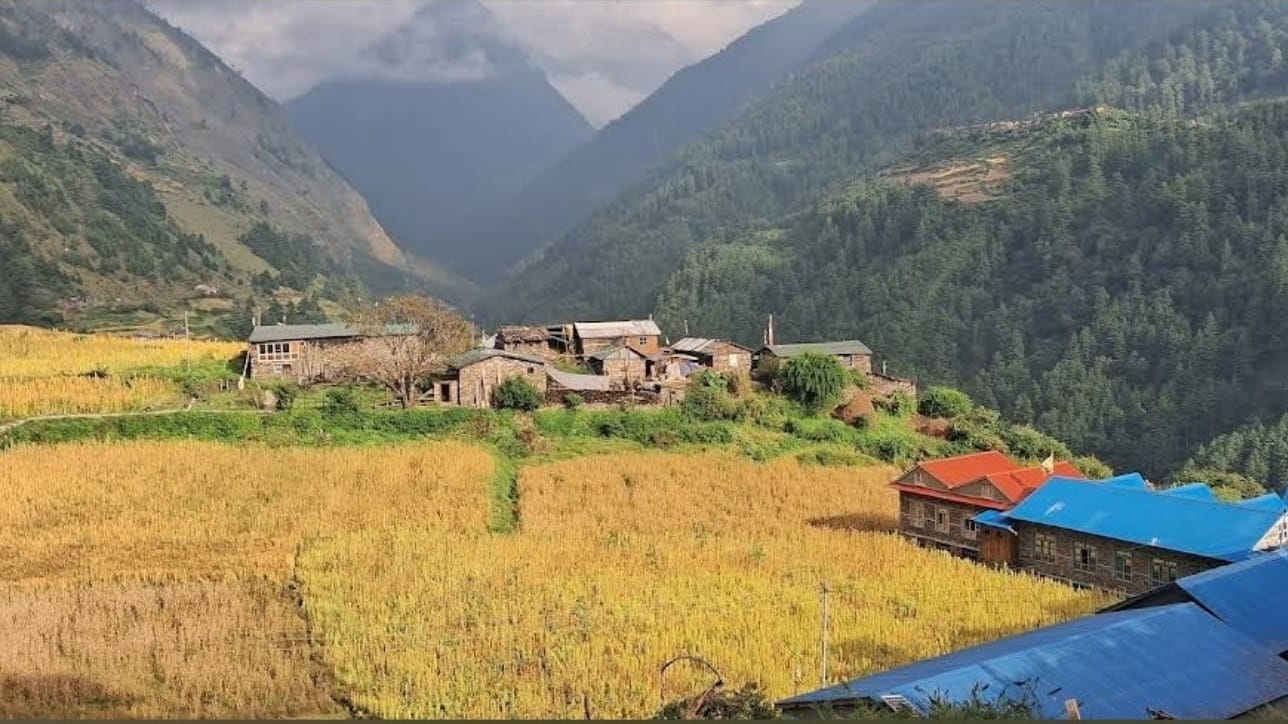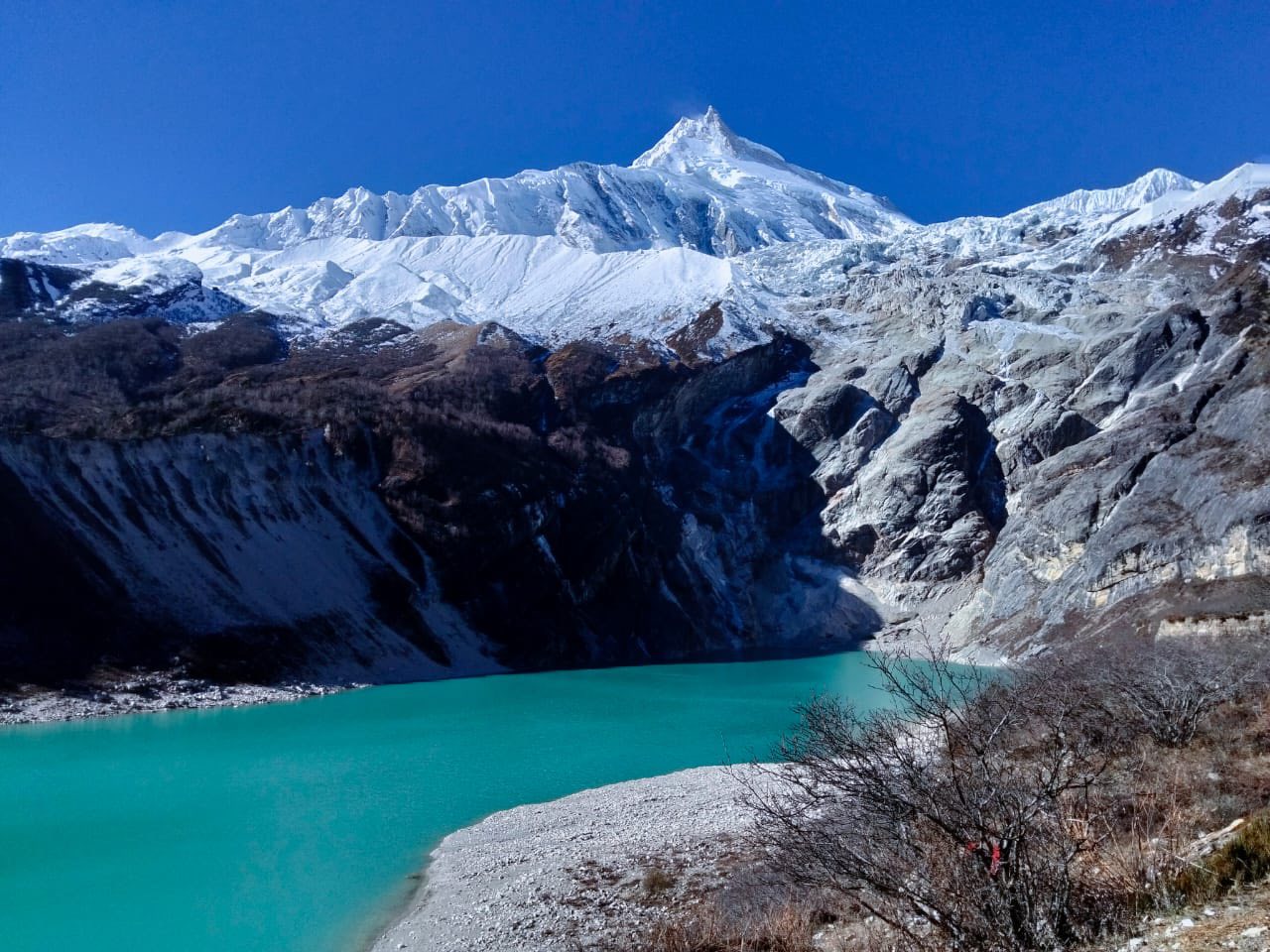
Tsum Valley with Manaslu Circuit Trek takes you into one of Nepal’s most secluded Himalayan valleys, where Tibetan-influenced monasteries, prayer flags, and ancient traditions meet spectacular mountain views, before continuing onto the Manaslu Circuit and its dramatic Larkya La Pass (5,106m). This combination offers deep cultural immersion, pristine nature, and a true off-the-beaten-path adventure across two of Nepal’s most rewarding Himalayan routes in a single journey.
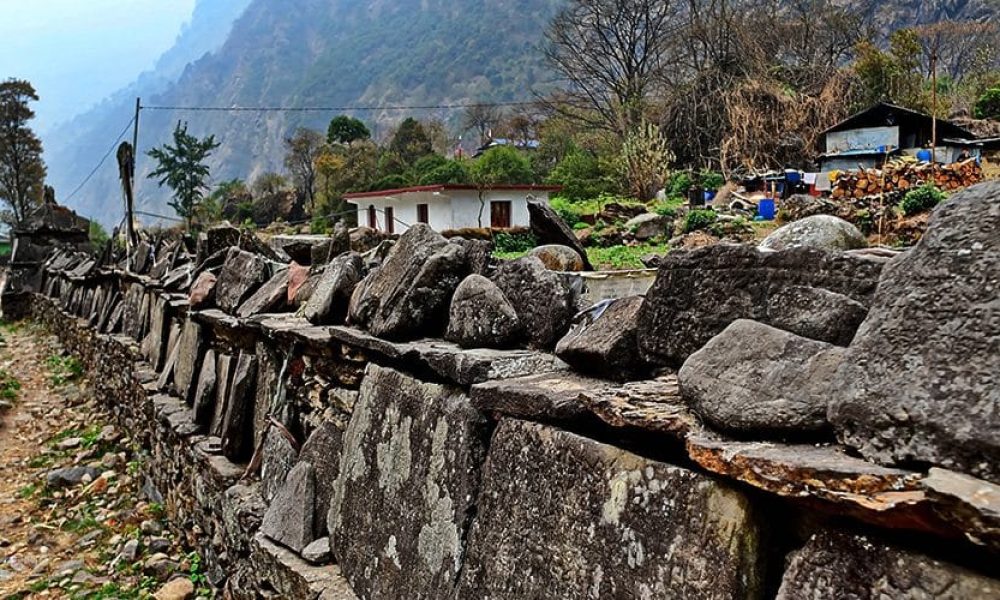
Tsum Valley, also known as the Hidden Valley is a land of monasteries and hamlets with a predominantly Tibetan population which lies on the northern flank of Manaslu along the Nepal-Tibet border, and remained a restricted area until 2008. Although the region lies within Nepal, this Buddhism-influenced valley feels like a world of its own; traditionally, Tsum was considered a distinct territory, separate from both Nepal and Tibet. The valley remains far less exposed than more popular trekking regions, with genuinely untouched trails. Local family life here can also surprise outsiders. The Tsum people traditionally practice fraternal polyandry, where brothers in a family share a single wife. Combined with the neighbouring Manaslu region, the area is rich in towering peaks, high passes, deep gorges, hidden hamlets, gompas, chortens, and mani walls.
Tsum Valley is a sacred Himalayan pilgrimage site situated in northern Gorkha, Nepal. The name “Tsum” comes from the Tibetan word “Tsombo,” meaning vivid. Traditionally, the valley was a distinct geographical territory called “Tsum Tso Chuksum,” meaning “thirteen provinces,” ruled as a single region. Set against the majestic backdrop of the Ganesh Himal, Sringi Himal, and Boudha Himal ranges, this serene valley is rich in ancient art, culture, and religion, with local communities mostly of Tibetan origin who speak their own dialect. Elevation on the Tsum side ranges from 1,905m at Lokpa to over 5,093m at Ngula Dhojyang Pass on the Tibetan border and once combined with the Manaslu Circuit, trekkers go on to cross Larkya La Pass at 5,106m, the trek’s highest point, before descending toward Bimthang and back to Kathmandu.
If you’re deciding between our standard Manaslu Circuit Trek and this combined Tsum Valley itinerary, here’s how they compare:
| Manaslu Circuit Trek | Tsum Valley with Manaslu Circuit | |
|---|---|---|
| Duration | 18 days | 26 days |
| Price | From $1,995 per person | From $3,455 per person |
| Highest point | Larkya La Pass (5,106m) | Larkya La Pass (5,106m) + Ngula Dhojyang Pass area (5,093m) |
| Restricted areas | Manaslu Conservation Area | Manaslu Conservation Area + Tsum Valley Restricted Area |
| Cultural focus | Tibetan-influenced villages along the main circuit (Samagaon, Samdo, Lho) | Everything in the standard circuit, plus the isolated Tsum Valley, considered one of the last untouched Tibetan Buddhist enclaves in Nepal |
| Crowd levels | Quiet, less crowded than Everest or Annapurna | Even quieter, Tsum Valley only opened to trekkers in 2008 and sees a fraction of Manaslu’s own traffic |
| Best for | Trekkers who want the classic Manaslu experience: Larkya La Pass, Manaslu views and moderate cultural immersion in a shorter window | Trekkers who want deeper cultural immersion, ancient monasteries like Rachen Gompa and Mu Gompa, and are willing to add 8 extra days for a genuinely off-the-beaten-path detour |
In short: The standalone Manaslu Circuit gives you the mountain, the pass, and a real taste of Tibetan Buddhist culture in a more time-efficient package. Adding Tsum Valley extends the trip by roughly 8 days and $1,460, but trades a busier trail experience for one of the most secluded, sacred valleys left in the Nepal Himalaya including monasteries, hamlets, and traditions that most trekkers in the region never see.
If you’re short on time or budget, the Manaslu Circuit Trek alone delivers the core experience. If cultural depth and true solitude matter more than trip length, the Tsum Valley combination is worth the extra week.
Upon your arrival in the Kathmandu airport (TIA) you will be greeted by a representative from Explore Nepal Trails, after completing your custom formalities.
Today after breakfast we start a guided tour to several of the most historical and spiritual attractions in Kathmandu. Some of these landmarks are considered as World Heritage Sites; including the historic Durbar Square, the sacred Hindu temple of Pashupatinath, the famous ‘Monkey Temple’ (Swayambhunath) and Buddhist shrine (Bouddhanath) which is one of the large Stupas in the world. In the afternoon, there will be a pre-trip discussion where we can meet our trek leader and other team members Home of trek briefs us regarding our trek as well as provides us opportunity to ask any questions we may have regarding our upcoming adventure.
A 6 hours’ drive from Kathmandu into the western mountains takes us to Gorkha, the Capital of Medieval Nepal. We drive Kathmandu to Baluwa, and then take a local jeep to Barpak village which is situated upon the hilltop. Barpak is also home to Gaje Ghale, the 2nd World War veteran who also received Victoria Cross from the Queen of Britain.
We trek through the mountains in an easterly direction into the main valley of the Budhi Gandaki River. A few hours of climb takes us to the pass of Gupsi Dada (3000m). The Gupsi Dada pass Laprak from Barpak, Enjoy the panoramic views of Buddhi, Shringi, Ganesh Himal and the Langtang range. From there, we descend down to Laprak, a beautiful Gurung village.
Trek further east to Manaslu main valley of the Budhi Gandaki river. We descend from Laprak and cross a suspension bridge. Then a steep climb around hillside. Pass the village of Singla while enjoying the magnifiscent views of the Manaslu Himal, and other Himalayas. Descend down to Kholrabeshi.
After a few more ups & downs, we reach to Tatopani. From the Hot spring we climb over another ridge, then cross the Budhi Gandaki on a suspension bridge. Climb on over a ridge to Dobhan. Crossing a suspension bridge over the Dobhan Khola, the trail climbs on a rugged trail to Duman. Crossing a suspension bridge over the Yaru Khola we climb the stone stairs and then drop to the river and again climb more stone stairs to Tharo Bharyang. Trek along the Budhi Gandaki river then climb towards the village of Jagat.
Climb over a rocky ridge to Salleri, and then descend to Setibas. The valley widens a bit as the trail continues up to Ghatta Khola. Continue upstream to a long suspension bridge. Climb up to Philim, a large Gurung village.
Walk past Philim to the north across a forest with the views of the narrowing valley. After Ekle Bhatti cross the gorge, and enter the pine tree forests. Descend down to trail going to the Tsum Valley. Climb through pine and rhododendron forests. Enjoy the views of Himalchuli mountains. Pass Lokpa, climbing further north through pines and rhododendrons. Climb down to Ghumlong, and climbing up to Ripchet. Crossing the Shiar Khola, finally arrive at Chumling. Visit the old Chumling gompa, and the stone streets of the village
Cross the suspension bridge onto the opposite bank. Enjoy the great views of Ganesh Himal. Walk past Rainjham to Serpu Khola. Now we enter the hidden valley of Tsum. Another steep climb takes us to the village of Chhokangparo. Weather permitting, enjoy the views of Himalchuli at 7893 meters
While climbing above Chokhangparo, better to be careful of altitude problems. Walk past Lamagaon to the Rachen Gompa. Climb up to the Milarepa’s Cave. Then we cross the Shiar Khola. Continue walking through the villages of Phurbe and Pangdun. After crossing the village of Chhule, climb upstream and cross the bridge to finally arrive at Nile.
We are now almost close to the Tibetan border. Walk to the west bank of the valley through the Tibetan landscapes. Climb up to the Mu Gompa. From Mu Gompa, climb further up to Bhajyo and We are quite close to Tibet and get a good view of the Tibetan peaks as well as the Ganesh Himal range. Bhajyo is a remote area there is not any local houses. Only we can see some yak farm house. After having the lunch we will explore the area.
We take rest at Bhajyo both for acclimatization and sightseeing. Discover the highland around Bhajyo. If the weather is clear, you can also enjoy the magnificent views of Ngula Dhojyang pass as well the glaciers of the Yamdro Valley.
From Bhajyo, we descend down to Rachen Gumba. Established in 1905 AD, the Rachen Gumba is a nunnery in the Shiar Khola Valley. The nunnery is one of largest in the region is of great importance. The interior of the Gumba is splendidly painted with Buddhist mural paintings.
Continue south until a bridge crosses to the west bank then descend again to Chhokangparo. Drop below Chhokangparo on the previous trail for about 2hrs, until a small gompa is reached at Gho (2485m). Then taking the northern route in the lower Tsum Valley, we finally arrive at Chumje via Yaju.
From Chumje, we continue on the northern route in the lower Tsum Valley. Pass the village of Dorjon Kharka just before reaching Rana. Crosss the large suspension bridge in the main valley of the Manaslu Budhi Gandaki River. If interested, walk further up to the village of Bihi.
The initial part of today’s trek is on a relatively flat terrain. Soon, the trail moves uphill through the forest path. Thus we arrive at Namrung while enjoying at the same time the magnifiscent views of Manaslu, among others.
From Namrung, we again enter the Buddhism influenced region. Climb through the forest to Lihi. Enjoy the spectacular rise of the Ganesh Himal. Descend to Sho. Another steep climb takes us to our today’s campsite on a ridge.
The Budi Gandaki is far down but we follow a small tributary instead. Walking in the shady fir forest is very enjoyable. A short climb to a plateau and the village Shyala. Huge mountains surround us, Himal Chuli and Peak 29 (Ngadi Chuli) to the left, Manaslu and large glaciers straight ahead, other snow summits to the right, at the far end of the valley we have just come from stands Ganesh Himal. At the far end of the village, overlooking the valley stands the well-known monastery of Sama. Sama Gaon is a village inhabited mainly by the Tibetans and lies at the foot of Manaslu.
Descend to the Budi Gandaki, that has turned north, and follow it to a bridge over a side stream. The trail to the left leads to the Manaslu Base camp. The Larkya la Trail passes several mani walls as the valley begins to widen. It is an easy trail on a shelf above the river passing the juniper and birch forests of Kermo Kharka. We drop off the shelf, cross the Budhi Gandaki on a wooden bridge and climb steeply onto a promontory between two forks of the river. From a stone arch we can see a large white kani, finally passing through the kani we find Samdo.
We continue our walk down the edge, cross the wooden bridge over Budi Gandaki and begin walking upward. Cross two streams and witness the Larkya Glacier. Go around the valley of the Salka Khola and climb up again and come to the stone guest house (4450 m) which is not a lodge but a kind of shelter called Dharmshala, also known as Larkya Phedi. We camp here today and have a rest to prepare for tomorrow’s crossing of the famous and most awaited Larkya Pass. After a short climb, we reach the ablation valley on the North side of the Larkya Glaciers.
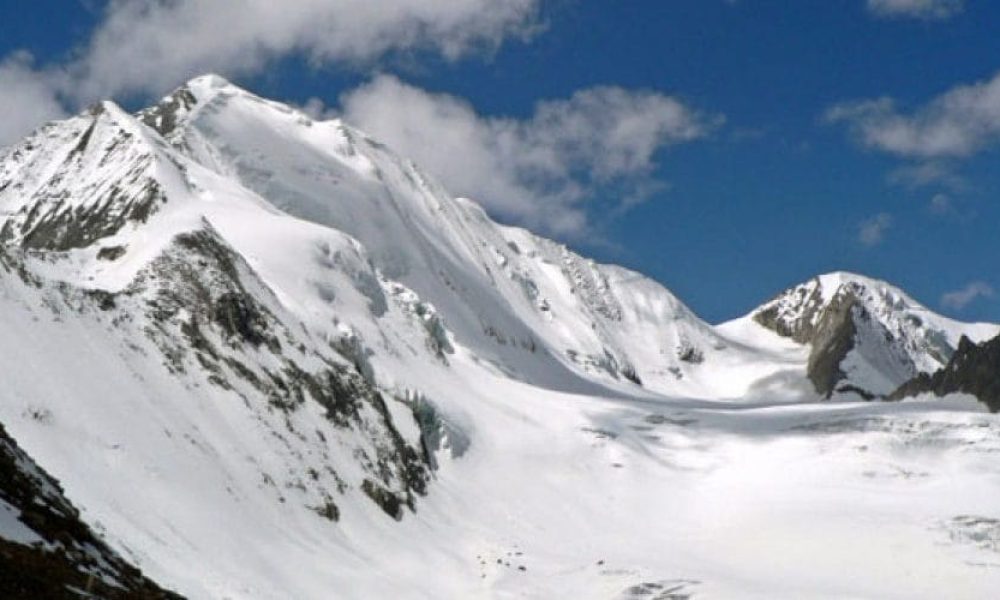
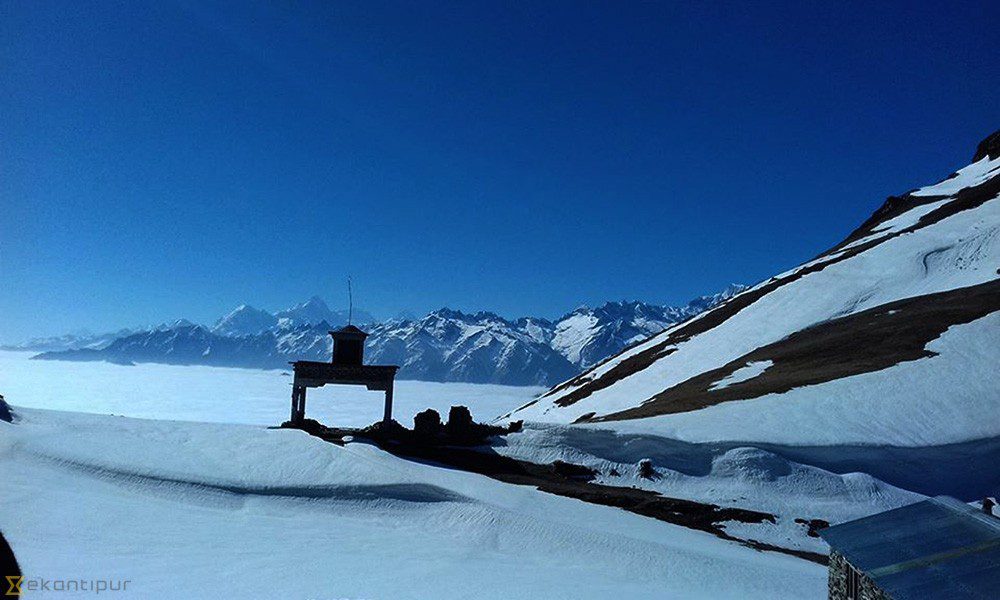
After an early start, we soon walk across the moraines of the glacier, making a gradual ascent which becomes steeper only in the last section to the pass. From the pass, there are outstanding views of Himlung Himal, Cheo Himal, Kangguru and the huge Annapurna II. Savor the spectacular views from the top of the pass. It is a longer day then usual to Bimtang, but to walk into these low pastures with the evening mist coming in and Manaslu; it’s an experience not to be missed.
We have been trekking incessantly for more than 2 weeks. Still one more week to trek in the mountains. Therefore, a rest day would prove a blessing for the tired muscles. Also discover the area surrounding Bimthang as well the cultural life of the mountain people.
We will descend a great height today. Initially, from the valley of Burdin Khola, through rhododendron forests, to Karche, the highest cultivating place in the valley. Then we descend to the village of Gho. While staying on the north bank of the river, we trek into Tilje. Leave the Tilje Village, and cross the Dudh Khola. Cross a wooden bridge back to the northern side of the Dudh Khola. Continue to Dharapani.
From Dharapani, you begin a long but scenic jeep drive back to Kathmandu. The route follows the Marsyangdi River valley, passing terraced fields, rural villages, and winding mountain roads. As the altitude gradually decreases, you’ll notice the landscape shifting from alpine terrain to lush hills and bustling towns. Upon arrival in Kathmandu, check into your hotel and enjoy a well-earned rest after completing the remote and culturally rich Tsum Valley adventure.
This day is reserved for leisure and personal exploration. You can stroll around popular areas like Thamel for souvenir shopping, handicrafts, prayer flags, singing bowls, pashmina shawls, and local artwork. If you wish, you may explore nearby cultural sites, get a traditional massage, or simply unwind and reflect on your trekking experience.
According to your flight schedule, you will be transferred to Tribhuvan International Airport for your final departure. As you leave Nepal, you carry unforgettable memories of the sacred Tsum Valley, its ancient monasteries, warm-hearted communities, dramatic Himalayan landscapes, and a journey that blends adventure with deep cultural immersion.
The Tsum Valley Trek typically takes 18 to 26 days, depending on the itinerary, acclimatization days, side trips, and whether it is combined with the Manaslu Circuit. A relaxed itinerary allows better altitude adaptation and cultural exploration.
The best time for the Tsum Valley Trek in Nepal is during spring (March–May) and autumn (September–November), when skies are clear and trails are dry.
The Tsum Valley Trek is special for its untouched Tibetan Buddhist culture, ancient monasteries, mani walls, prayer flags, and remote Himalayan villages. The valley is considered sacred and remains less crowded than other trekking routes in Nepal.
Yes, the Tsum Valley is a restricted area. Trekkers require a Tsum Valley Restricted Area Permit along with the Manaslu Conservation Area Permit (MCAP). These permits must be arranged through a licensed trekking agency in Nepal.
Yes, hiring a licensed guide is mandatory for the Tsum Valley Trek due to its restricted status. Solo trekking is not allowed, and a minimum of two trekkers is required for permit issuance.
Accommodation is mainly in local teahouses and homestays. Rooms are simple but clean, usually with twin beds. Facilities become more basic as you go higher, and hot showers or electricity may be limited.
The trek is considered moderate. It does not involve technical climbing, but daily walks of 5–7 hours, uneven trails, and gradual altitude gain require good physical fitness.
Yes, altitude sickness can occur as the trek reaches elevations above 3,700 meters. Proper acclimatization, slow walking, hydration, and a well-planned itinerary significantly reduce the risk.
Yes, beginners with good fitness and preparation can complete the trek successfully. Prior hiking experience is helpful but not compulsory when trekking with a guide and following a gradual ascent plan.
There are no reviews yet. Be the first one to write one.

Explore Nepal Trails is your trusted partner for trekking, peak climbing, and mountaineering adventures in Nepal. From classic Himalayan treks to high-altitude expeditions and cultural journeys, we deliver safe, well-planned, and unforgettable travel experiences.
We Accept

Join our community of over 200,000 global readers who receive emails filled with news, promotions, and other good stuff.

WhatsApp us