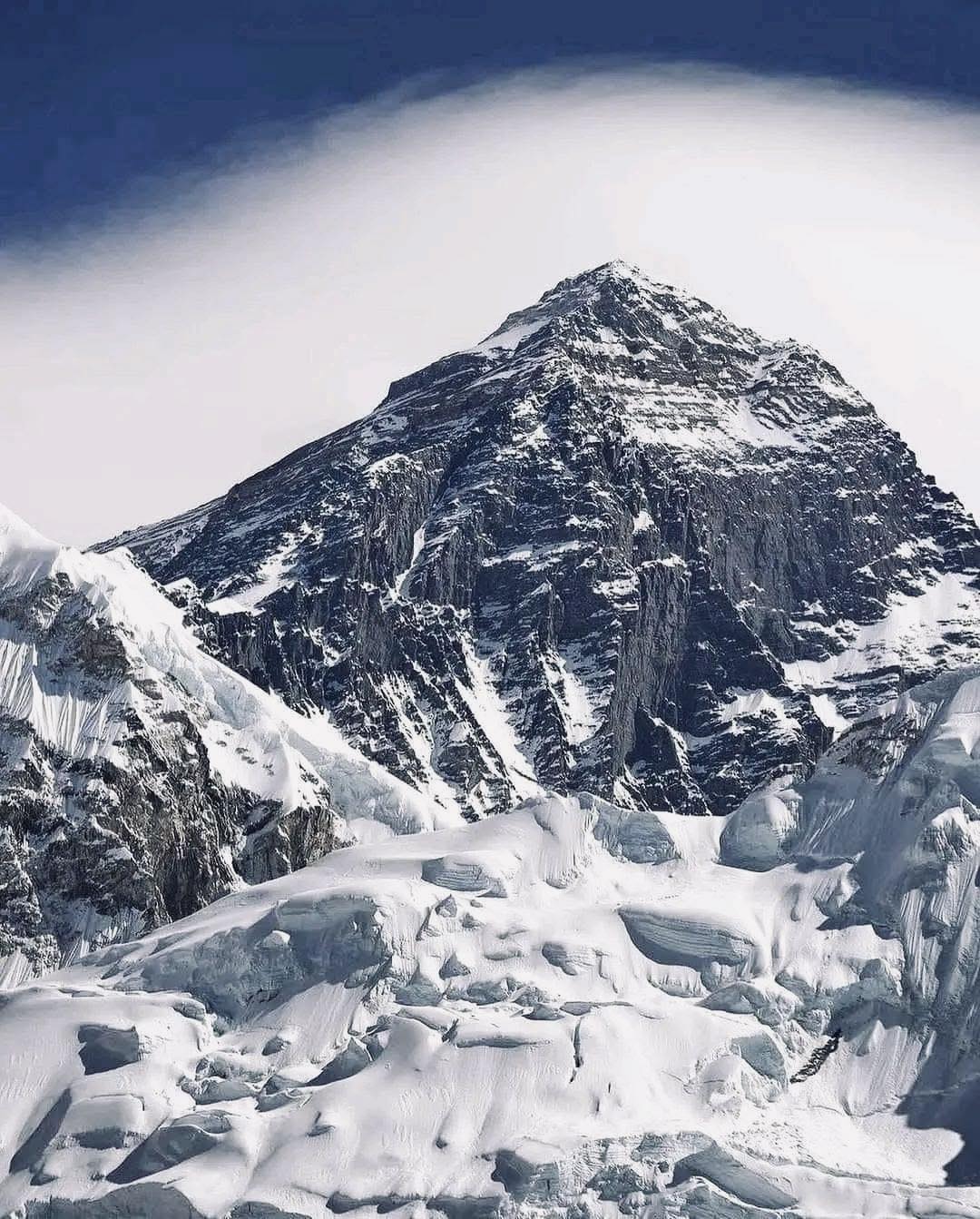
The Everest Base Camp Trek is one of the most prestigious adventure expeditions in the world, attracting trekkers from every corner of the world to the heart of the Himalayas.
This 17-day legendary journey offers more than just the opportunity to stand beneath the tallest mountain on Earth, it offers an immersive experience of Sherpa culture, dramatic landscapes and the natural beauty of Nepal’s Khumbu region.
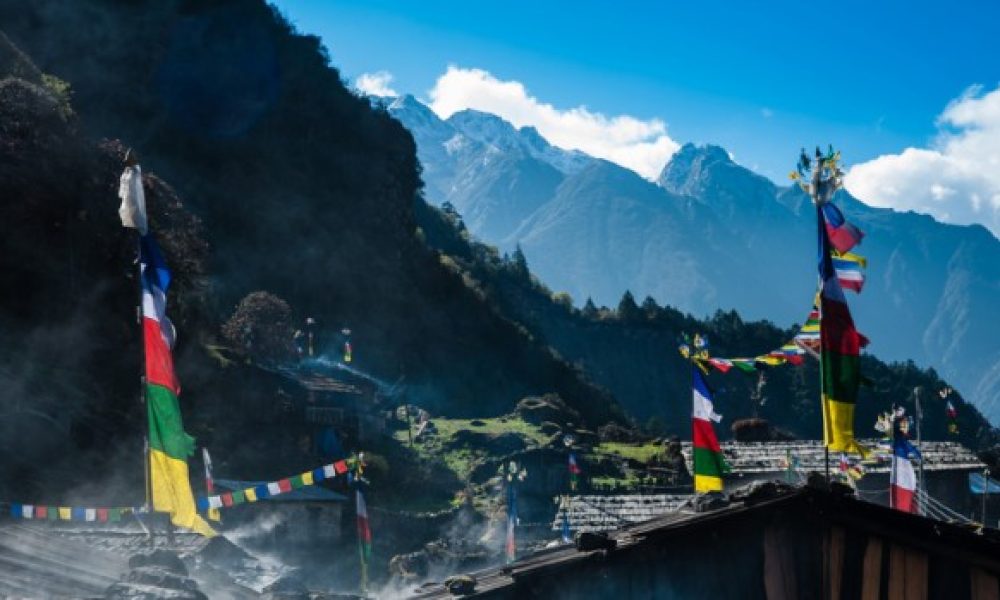
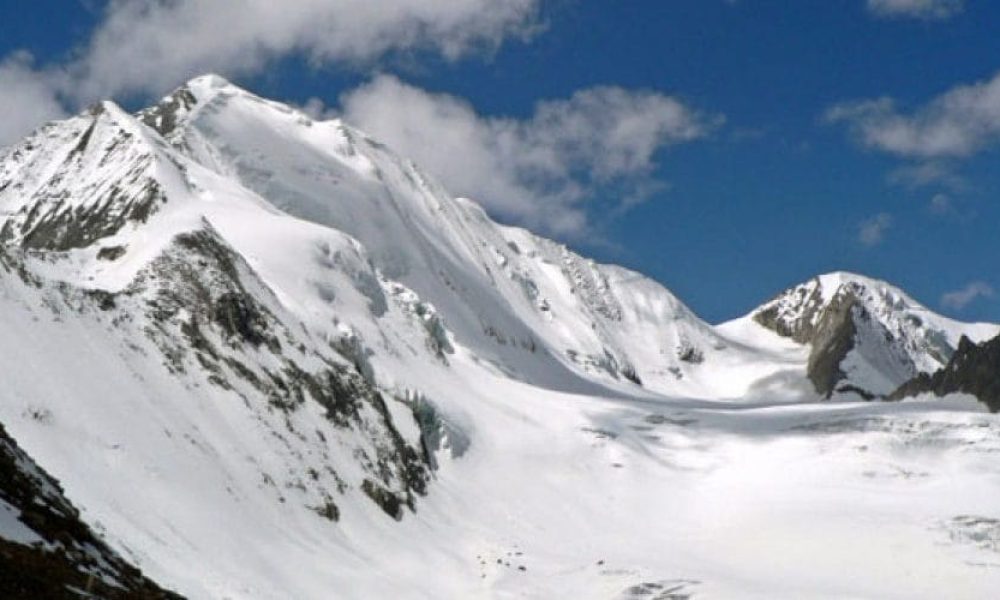
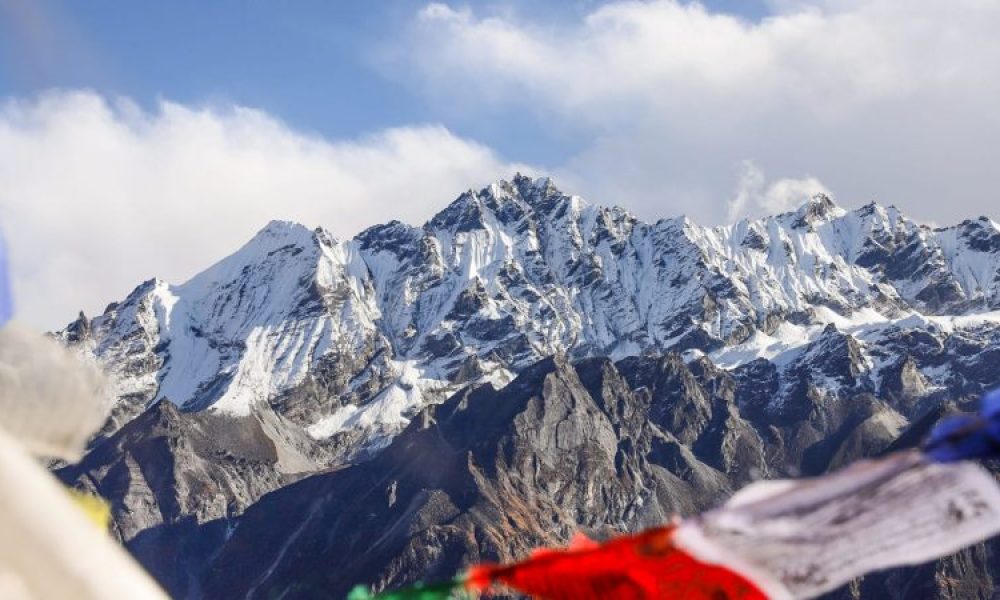
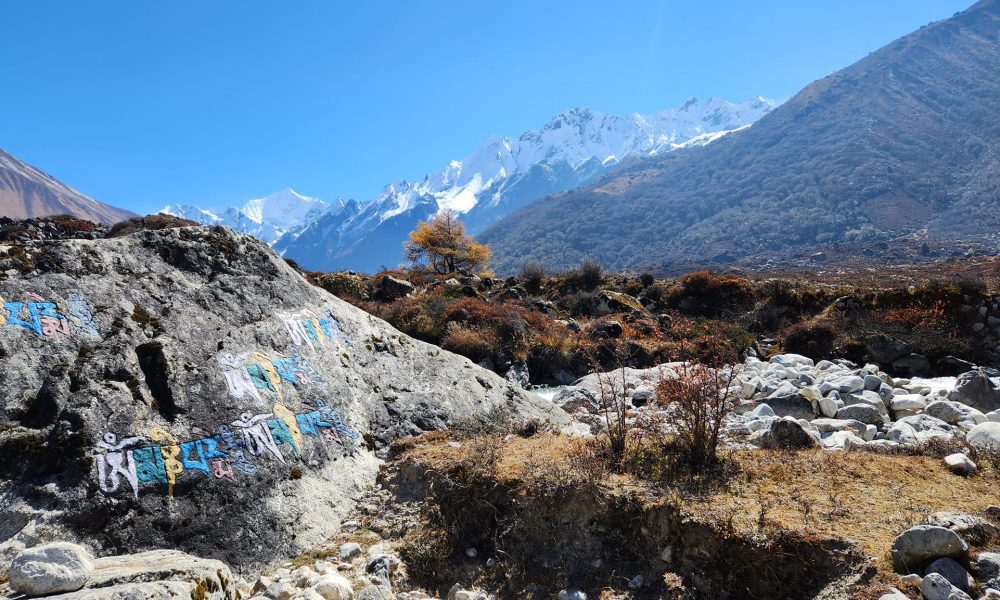
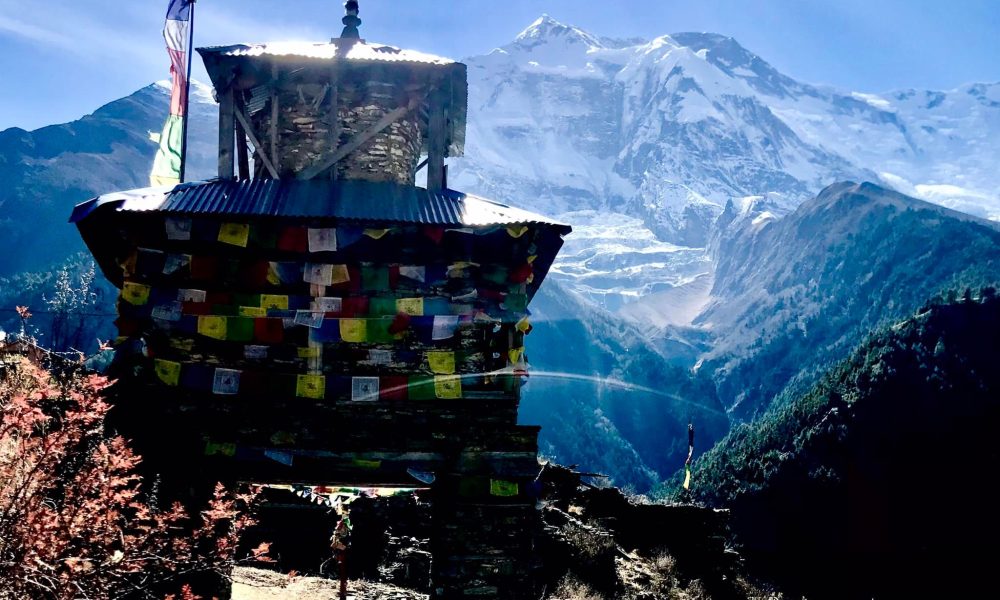
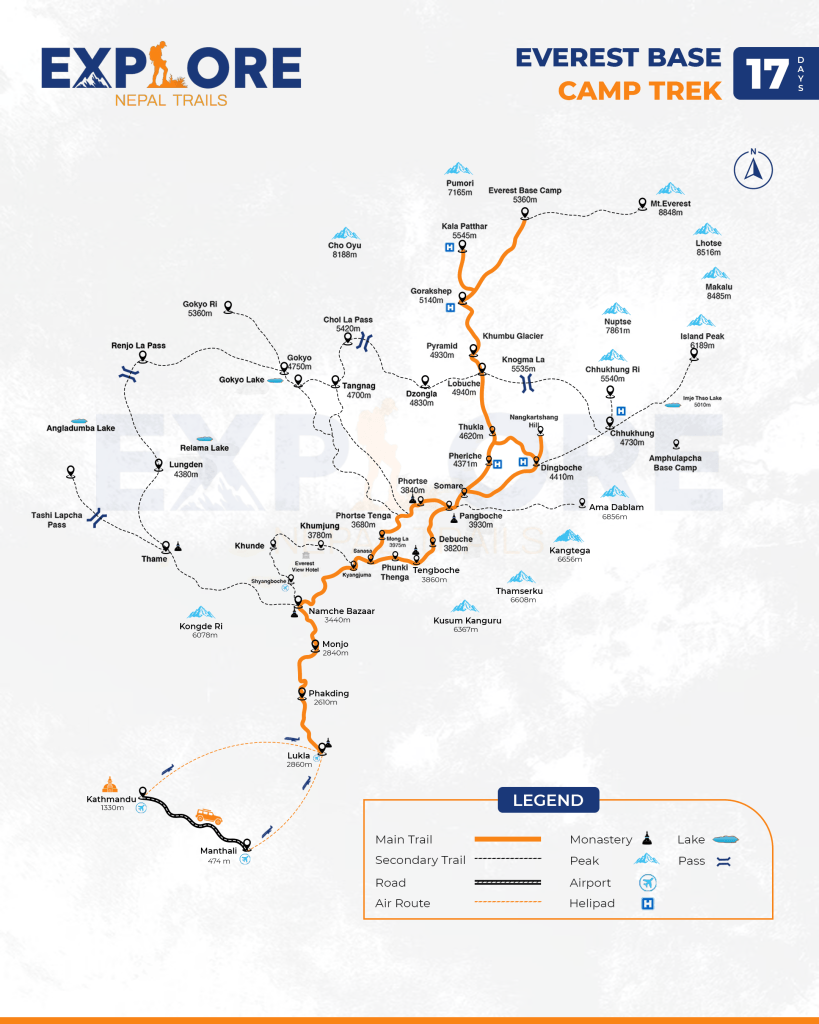
The route to Everest Base Camp passes through ancient Sherpa villages, vibrant monasteries, and deep river valleys surrounded by high peaks, including Ama Dablam, Lhotse, Nuptse, and Thamserku.
Watching out the scenic view, from the thrilling flight to Lukla to the colourful markets of Namche Bazaar, every step builds with anticipation for the moment you reach the base of Mount Everest. As you climb higher, the landscape changes to rugged alpine terrain, offering increasingly spectacular views and a deep sense of accomplishment.
Upon our arrival in Kathmandu, a representative from Explore Nepal Trails will pick you up from the airport and take you to our hotel. Will be resting for the day.
After breakfast, in the afternoon, there will be a pre-trip discussion where we can meet our trek Guide and other team members.
We will start the Q/A session and use this time to ask any questions about our trip to the trek Guide. Free evening, take a rest or walk around the city.
During the 40-minute flight from Kathmandu to Lukla (9,186ft), we enjoy one of the most beautiful air routes in the world, culminating on a hillside surrounded by high mountainous peaks. After that, we meet our other crew members and begin packing and arranging with them.
From Lukla, we start trekking. At one hour’s gradual descent, we will be at a Cheplung village from where we have a glimpse of Mt. Khumbila (18900ft), a sacred mountain which has never been climbed. From Cheplung, we then gradually descend until we reach Phakding and spend the night.
Walking through a beautiful pine forest, we follow the trail north up the valley of Benkar. Then, we cross the Dudh Koshi River and go on passing Chumoa to Monjo, the entrance to Everest National Park. Crossing a suspension bridge, we pass Jorsale village and walk alongside the Dudh Koshi and Bhote Koshi rivers.
A steep ascent brings us to the prime heartland of Sherpa village Namche Bazaar. At one hour’s distance from reaching Namche Bazaar, if the weather permits, we can view the sights of Mt. Everest and Mt. Lhotse. Overnight in Namche Bazaar.
Acclimatization Day Namche Bazaar is the main centre of the Khumbu region and has government offices which offer more technology, ATMs, Internet cafes, shops, restaurants, and a colourful market. Some places also offer a digital wallet service if needed for any online transactions during the trek.
Our guides can take you to explore the real charm of Namche Bazaar. Hiking to Sagarmatha National Park rewards trekkers with a sunrise view and the views of Mount Everest, Lhotse, Nuptse, Ama Dablam, Thamserku, Kongde and so on. If we are interested in a day hike, we trek to Khumjung village (12401ft), a beautiful village with a Sherpa settlement.
In exploring Namche Bazar, we observe traditional Sherpa life, Khumjung Hillary School, and enjoy the flora and fauna found at such an altitude. Overnight in Namche Bazaar.
Starting the day, we head trek to the famous descent to the Dudh-Koshi River and the equally famous ascent along the rhododendron forests to Tengboche.
While descending to Dudh Koshi River, we enjoy the views of mountain tops like Mount Everest, Lhotse, Nuptse, Ama Dablam, Thamserku, Kongde and so on.
Upon reaching Tengboche, we visit Tengboche monastery largest monastery in the region and soak in the views of Everest, Ama Dablam and other peaks. Ending our day by staying overnight in Tengboche.
On the seventh day, we pass through forests with a variety of lush green trees, conifers and rhododendrons. On the way, we got stunning views of Mount Everest, Lhotse and Ama Dablam. The route descends to Devuche, crosses the Imja River, and takes us to Pangboche. The elevated path at Pangboche offers a clear view of the Himalayas and the Pangboche Monastery.
After this, the journey continues towards the Imja Valley and the Lobuche River, eventually climbing to Dingboche. In Dingboche, we see beautiful fields surrounded by stone walls, which protect crops like barley, grains and potatoes from cold winds and grazing animals. We spend the night in Dingboche.
On Day 08 of the trek, you will spend the day in Dingboche for acclimatization. Dingboche is a popular stop along the route to the Everest Base Camp Trek and is situated at an altitude of 4,410 meters (14,469 feet).
Dingboche is a popular stop for trekkers and climbers headed to Mt. Everest, Ama Dablam or Imja Tse. The village is beautiful with an array of fields enclosed by stone walls to protect barley, buckwheat and potatoes from the cold wind and grazing animals. We spend a day at Dingboche for acclimatization.
We take day hikes to either Nagarjun Hill or Chukkhung Valley for great views of Makalu, Lhotse, Chalotse, Tawache and Ama Dablam.
We start the day with a gradual climb to Duglha at the end of the terminal moraine of the Khumbu Glacier.
From here, we climb up a steep trail to Chupki Lhara, where we find an array of stones with prayer flags used as memorials to Scott Fischer (American mountaineer) and 10-time Everest submitter Babu Chiri Sherpa (Nepali mountain guide), who perished on a mission to climb Everest.
Next, we continue to the Khumbu Glacier moraine and find ourselves facing several great peaks, Khumbutse, Lingtren, Pumori and Mahalangur Himal. The trail then eases off as we follow the valley to Lobuche. Overnight in Lobuche.
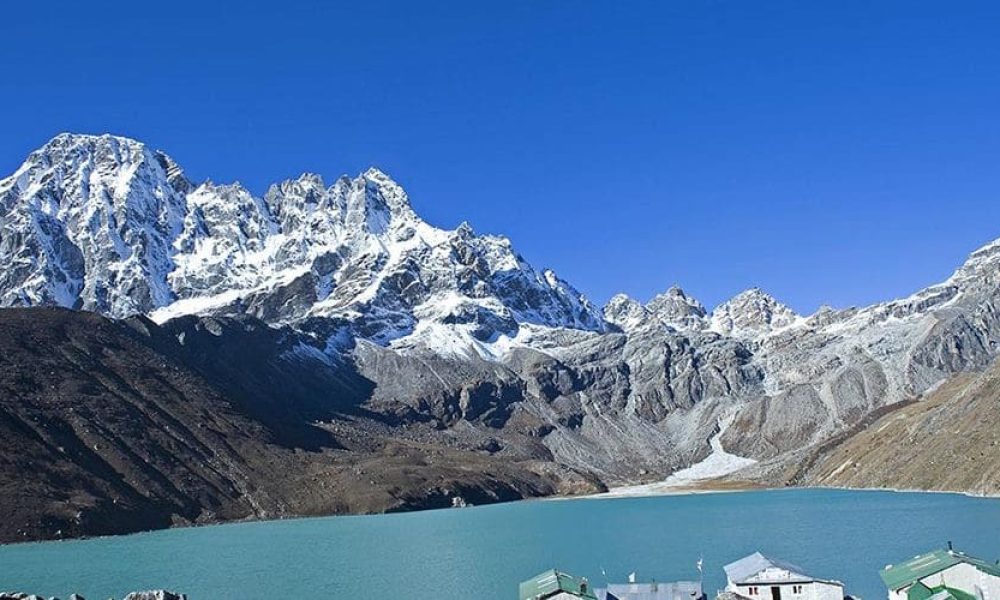
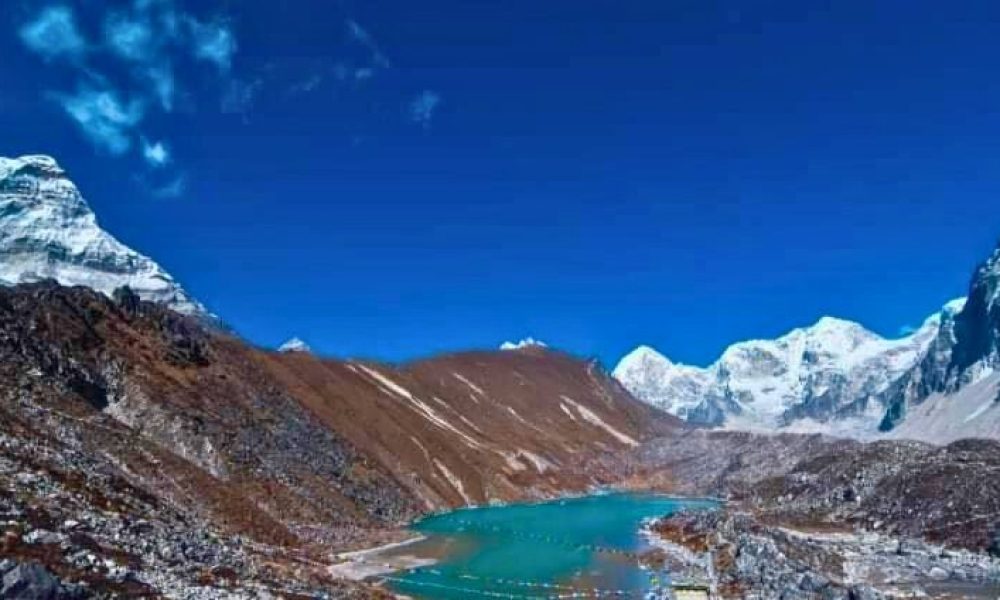
We take the trail of the Everest Base Camp Trek through the once vast Gorak Shep Lake. Continuing straight ahead, we come across the Indian army mountaineers’ memorials. The path from here can be misleading; hence, it is important that we follow our lead Sherpa diligently.
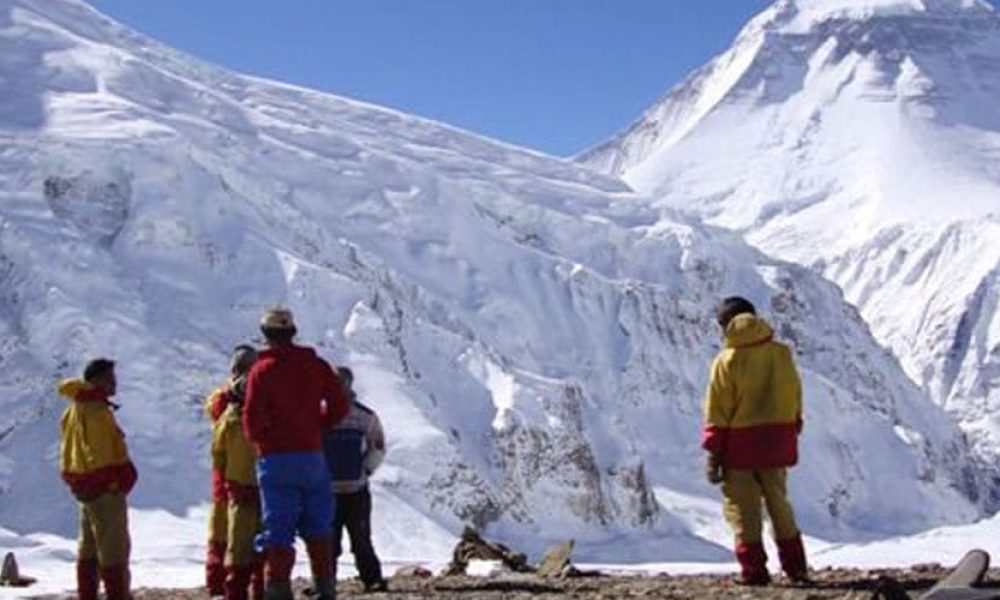
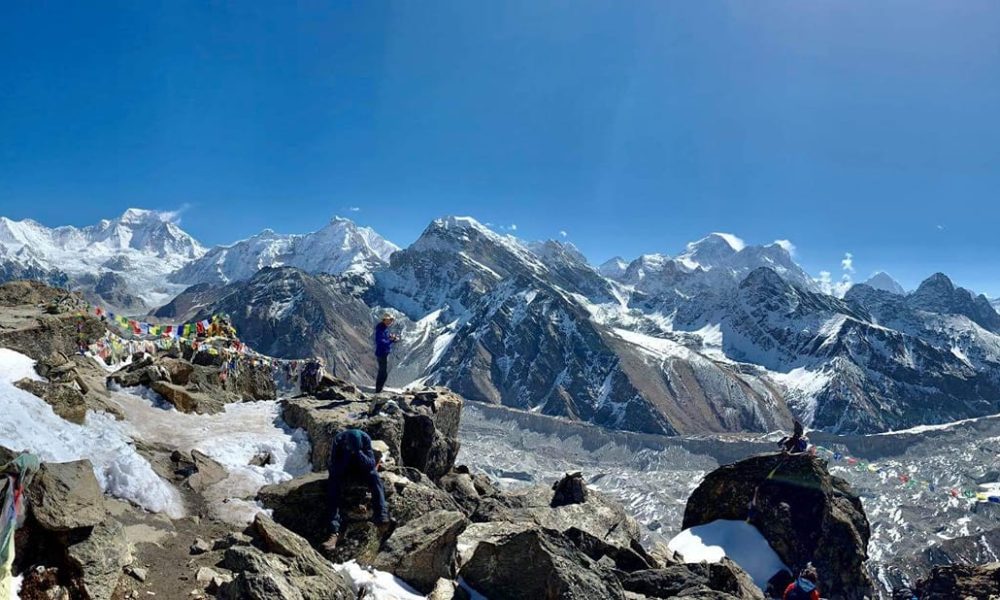
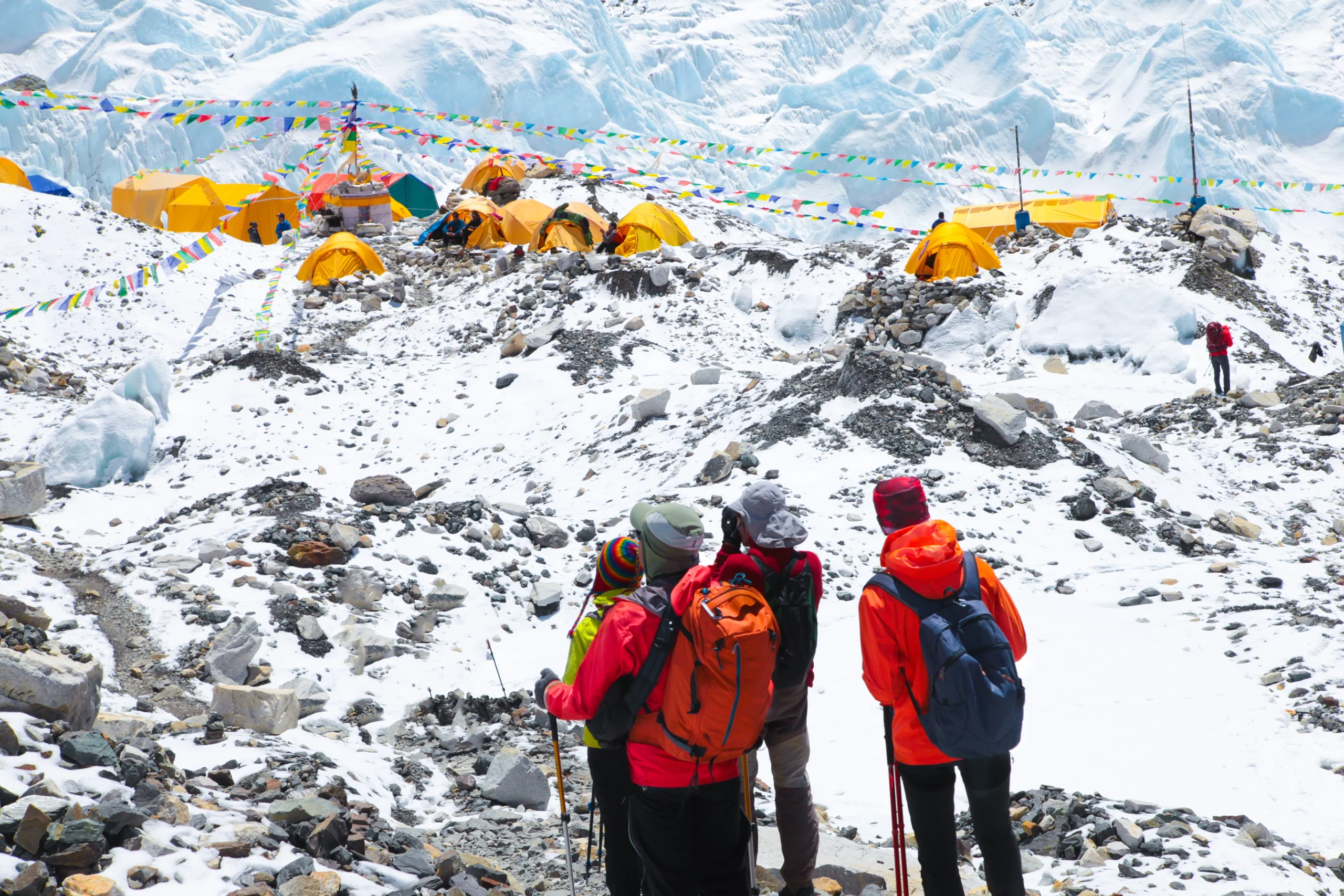
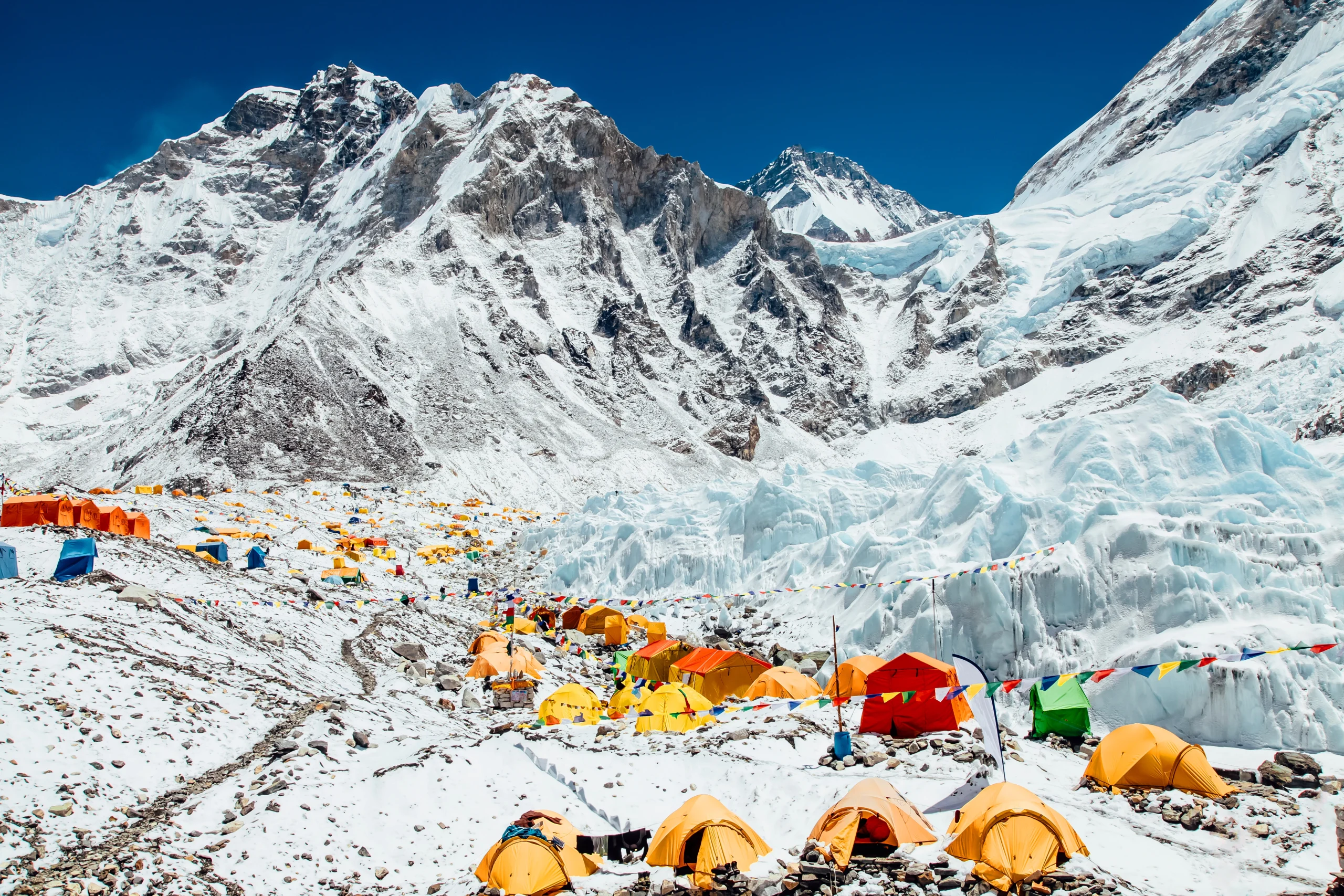
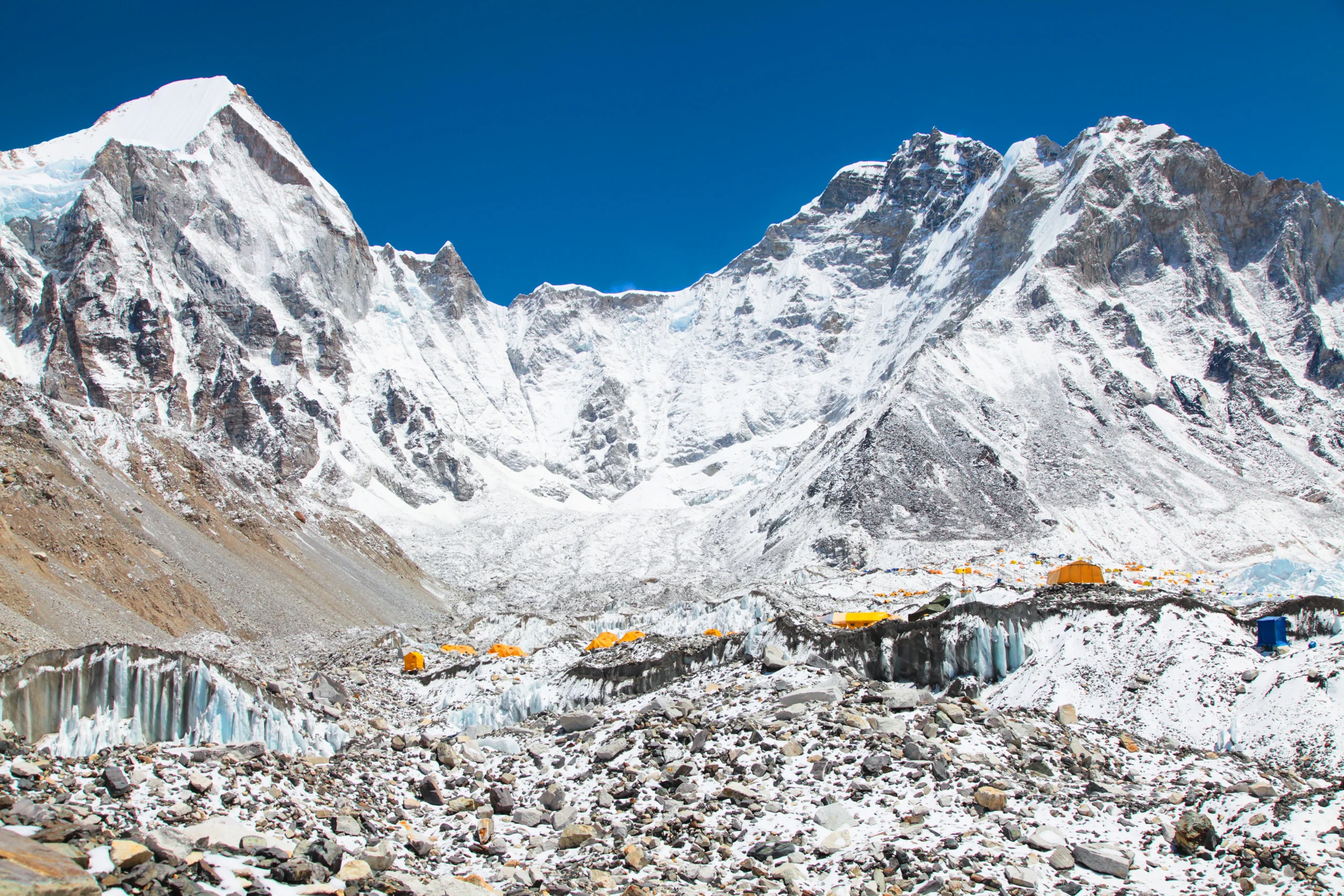
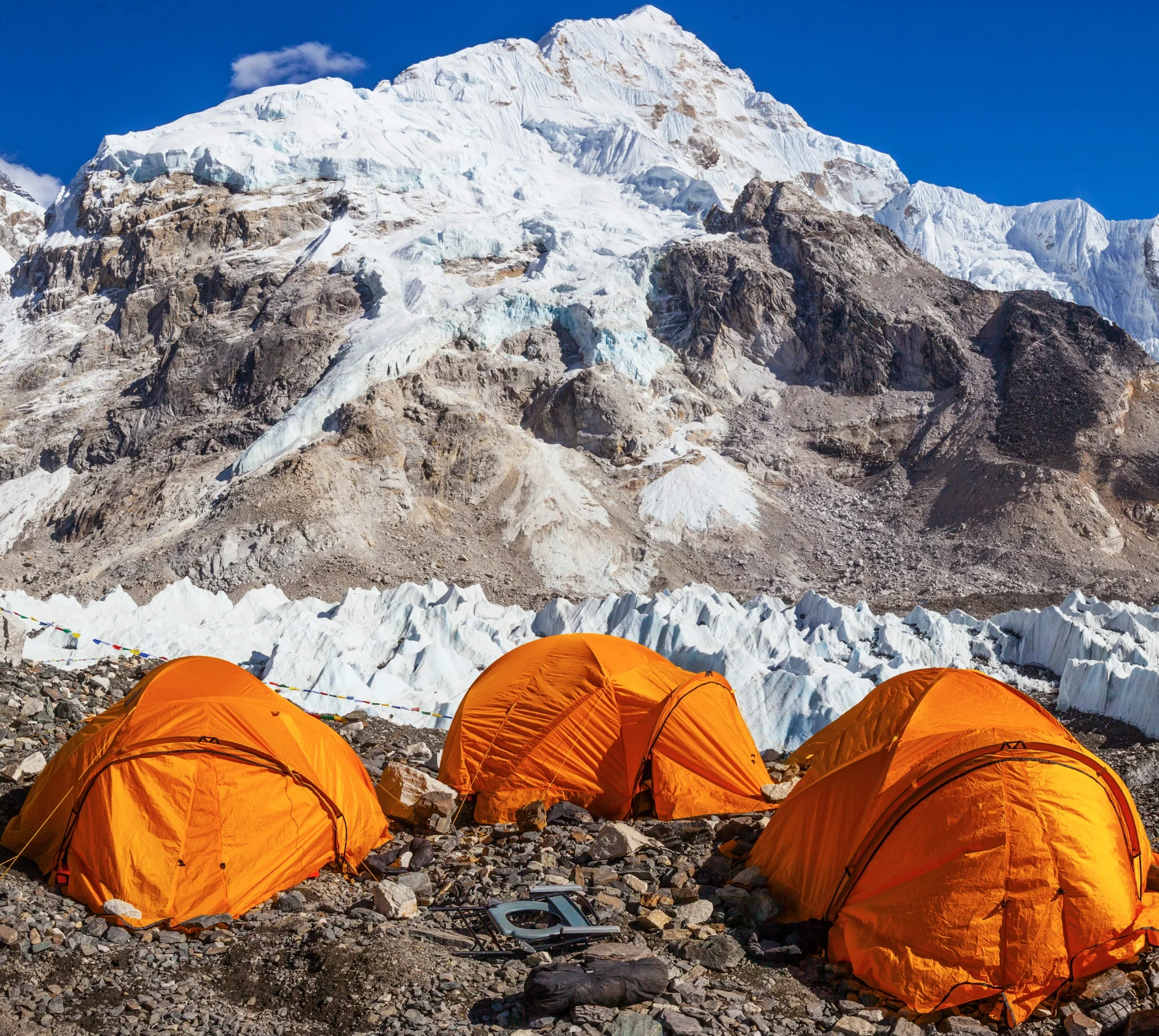
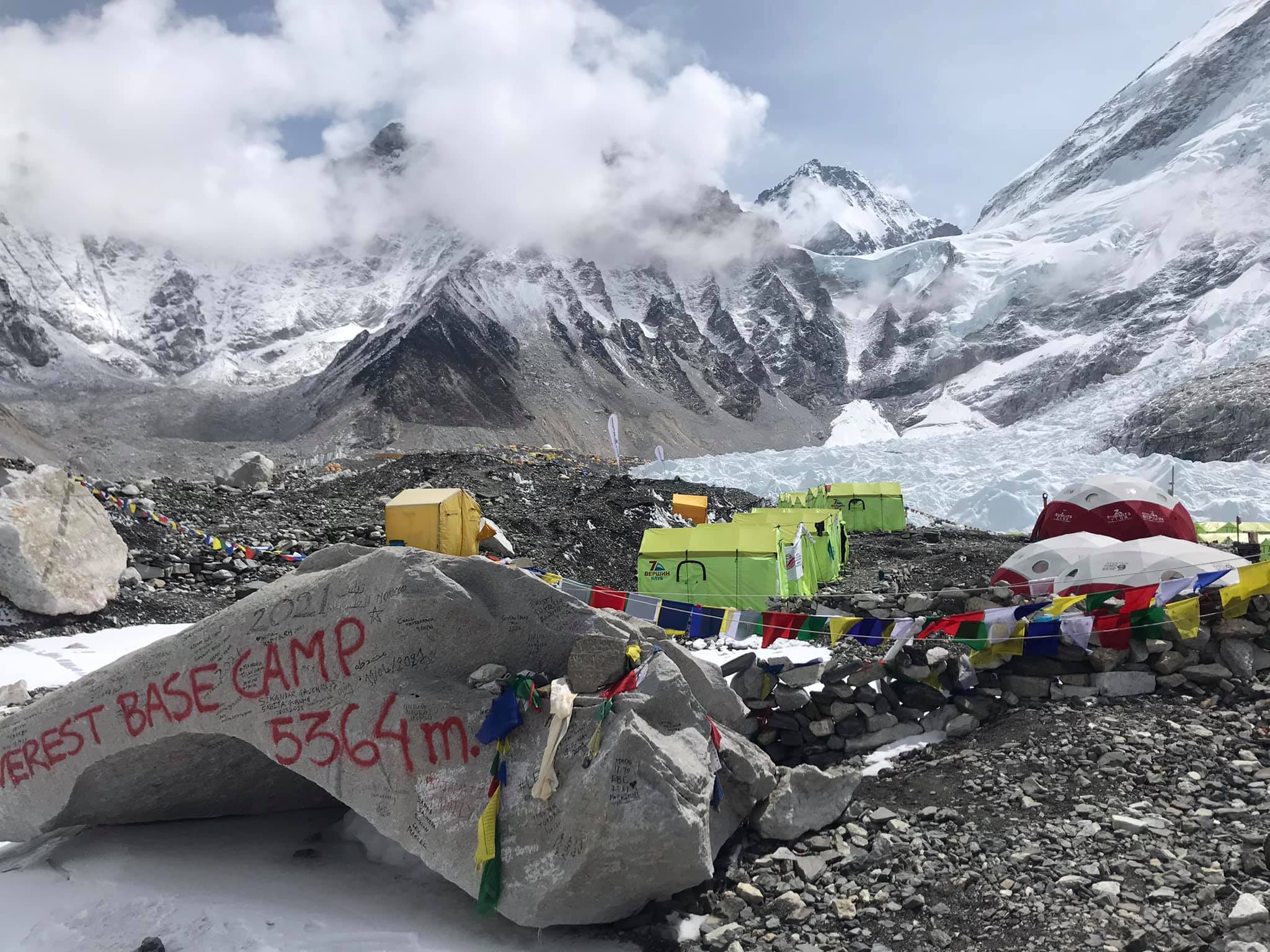
The walk is strenuous due to the thin air at high altitude. We pass through rocky dunes, moraine and streams before reaching the Everest Base Camp. After completion of the Everest Base Camp Trek, we see tents of mountaineers that stand out in bright colours against the monotony of gray surroundings (especially in the spring).
Nuptse, Khumbuste and Pumori are the mountains we can view from the base camp. We get back to Gorak Shep for a good night’s rest. Overnight in Gorak Shep.
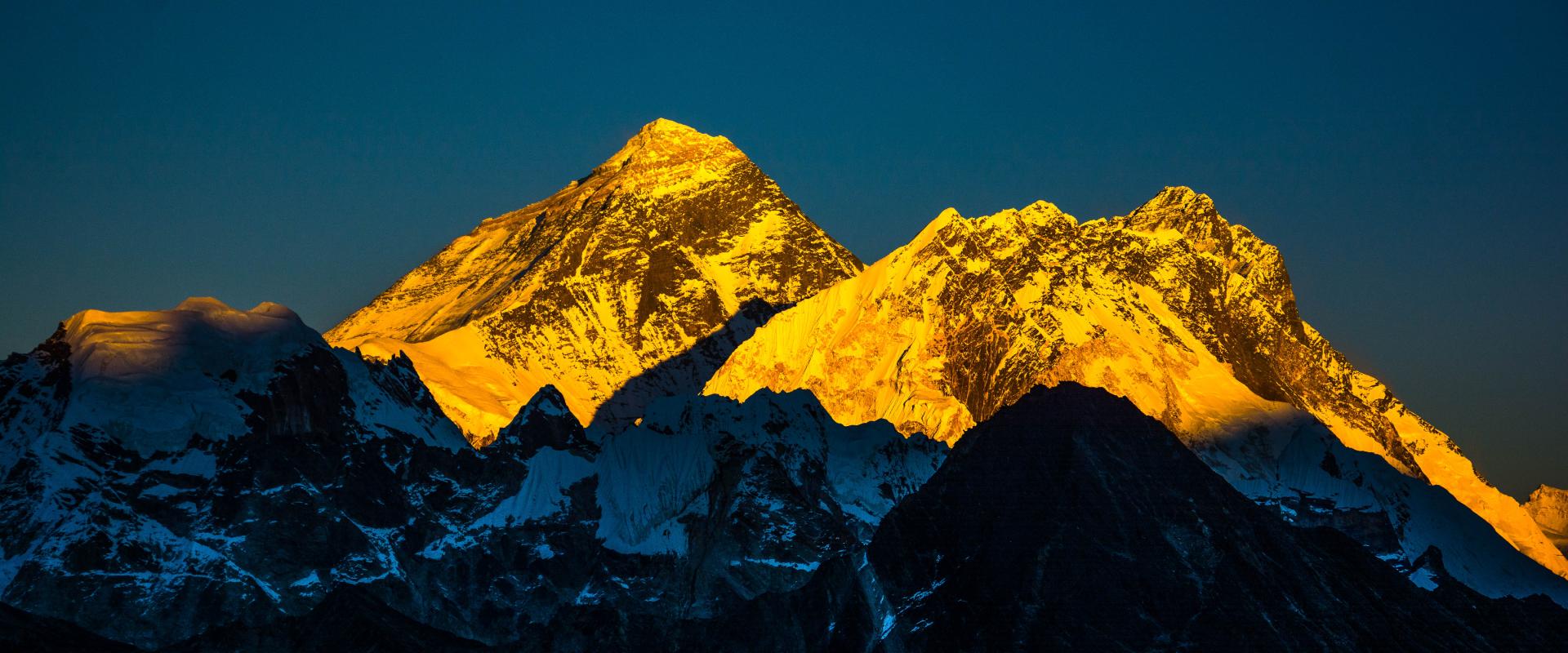
However, the sunset view from Kala Patthar is more admirable than the sunrise view, so it is recommended that we visit Kala Patthar today during sunset. As the setting sun’s rays strike the snow-capped mountains, the resulting scenery is incredible. Therefore, for those trekkers who wish to continue to Kala Patthar today instead of the next day please inform your guide and he/she will coordinate accordingly
We prepare for an early morning departure, amid pre-dawn darkness and cold temperatures (-10 to -14 C). Plus, there is always the potential for chilly winds, which are quite common. Familiar peaks such as Lingtren, Khumbutse, and Changtse tower to the east even as Everest begins to reveal itself.
But it is upon reaching Kala Patthar that we get to see 360-degree up-close and formidable views of Mt. Everest. We take pictures, enjoy the magnificent mountain panorama, and then return back to Lobuche for a good night’s rest. Overnight in Lobuche.
Those participants who will start the Everest Base Camp Trek today will have an early breakfast to start early, as the Everest Base Camp hike takes longer than the hike to Kala Patthar. After returning to Gorak Shep, both groups will have lunch together; the afternoon is spent descending to Pheriche for a good night’s rest.
We trek down through the hillside blanketed by rhododendron and juniper trees. After crossing the prayer-flag festooned bridge over the Dudh Koshi River, our trail follows the Dudh Koshi gorge descending rapidly through pine forests.
In the forest, we may come across colorful pheasants and mountain goats. The path eventually reaches Sansa from where we can enjoy views of Ama Dablam, Thamserku and Nuptse mountains.
We also pass winding trails through a forest before reaching Namche Bazaar. Overnight in Namche Bazaar.
The trail descends steeply downward, so we need to walk cautiously as our shaky legs continuously battle the rocky terrain.
After crossing the suspension bridges over the fast-flowing Dudh Koshi and its tributaries, the trail becomes more level and natural.
After our arrival in Lukla, we stretch those sore legs and recall the experiences of the last couple of weeks. Overnight in Lukla.
We catch an early morning flight to Kathmandu after our long mountain journey. After reaching Kathmandu, we can take a rest or do some souvenir shopping.
If we want to explore any other areas of Kathmandu, we may do that today. Our guides can help you with both souvenir shopping and sightseeing. There will be a farewell dinner in the evening to celebrate the successful completion of our journey.
This day is typically reserved for relaxing after your trek, allowing you to recover and explore the cultural and historical richness of Nepal’s capital city.
It’s a perfect opportunity to unwind, shop for souvenirs, and immerse yourself in the local culture before heading home.
Your adventure trek to Everest Base Camp in Nepal comes to an end today! There is nothing to do but trade emails with your travel companions and organize your photos.
A representative from Explore Nepal Trails will take you to the airport, approximately 3 hours before your scheduled flight. On your way home, you’ll have plenty of time to plan your next adventure in the wonderful country of Nepal.
Book your seats Today!
The best season for trekking to the Everest Base Camp (EBC) is determined by the weather, the view and the state of the trail. The Himalayas have accelerating climate conditions and the advantage of planning a trek is seemingly obvious.
Spring Season (March to May):
This is another prime season for trekking.
What Makes this Season Great:
Temperatures
Autumn Season (September to November):
This is also a great season for trekking.
What Makes this Season Great
Other Seasons (Least Recommended)
Winter (December to February):
Monsoon (June to August):
After a long time of thinking and careful planning, you’ve finally made the decision to book your Everest Base Camp Trek. Now it’s time to turn your dream into reality.
Planning your Everest Base Camp trek isn’t just about choosing travel dates; it’s about booking early enough to secure flights, permits, experienced guides, and comfortable accommodation in one of the world’s most challenging trekking regions.
We recommend booking 3–6 months in advance, especially during peak seasons, to make your journey smooth and stress-free.
If You Book Your Everest Base Camp Trek Too Late, You Risk:
Our advice: Book your Everest Base Camp Trek early to secure your preferred dates, enjoy a smoother journey, and prepare for the adventure of a lifetime
Your Everest Base Camp journey deserves expert care, local knowledge, and personal attention. With 25+ years of Himalayan trekking experience, Explore Nepal Trails is committed to making your adventure safe, comfortable, and unforgettable.
Your dream, our passion, your Himalayan adventure.
Are you ready? Because getting to Everest Base Camp (EBC) requires a flight, trek, and acclimatization in the Khumbu region of Nepal. Most treks are done from Kathmandu and follow the Sherpa village route.
Step 1: Travel to Kathmandu (Nepal)
Most trekkers fly to Kathmandu, the capital of Nepal, before beginning their journey. From there you organize your trekking gear and book your flight to the mountains.
Things you will need:
Step 2: Flight to Lukla (Gateway to Everest)
The next step on most treks is a short but terrifying mountain flight to:
On this flight, it takes about 30 to 35 minutes to land on one of the world’s most dangerous runways.
During Peak Season:
Best Alternative: Helicopter to Everest Base Camp
For those less inclined to trek:
The majority of accommodation along the Everest Base Camp (EBC) trek is with the Sherpa families as they run local mountain lodges, or teahouses. These are basic but comfortable lodges, especially considering the high altitude and remote location.
What you can expect:
Food is available at all teahouses and surprisingly given the location, display a good amount of menu options. Meals are cooked and simple.
Common Food Options
Trekker favourite meals (available with unlimited refills at many of the restaurants):
Other Food Options From Around The World
Soups & “Light Meals”
Drinks
Important Notes
Avoid overpacking. Most trekkers aim for 10-12 kgs in their daypack or porter bag. Layering is preferable over heavy clothing.
The road to the Everest Base Camp Trek is tough and challenging due to the elevated altitude, ascending and descending of weather. Nevertheless, it does not involve mountain climbing experience. To be successful in the trek, it is desirable to be properly acclimated and prepared.
The price of the Everest Base camp Trek varies depending on the time spent on the trek, trekking package used (budget, standard and luxury), and other extra expenses like guides, porters and permits. The average cost of a typical package is between 1, 500 and 2,000 dollars not including flights to Kathmandu and flights back to Kathmandu.
The 2pm rule is a climber and trekker safety rule of Everest. According to it, climbers must turn back before 2pm when climbing up the mountain to avoid getting trapped in any harmful situations and not wasting time.
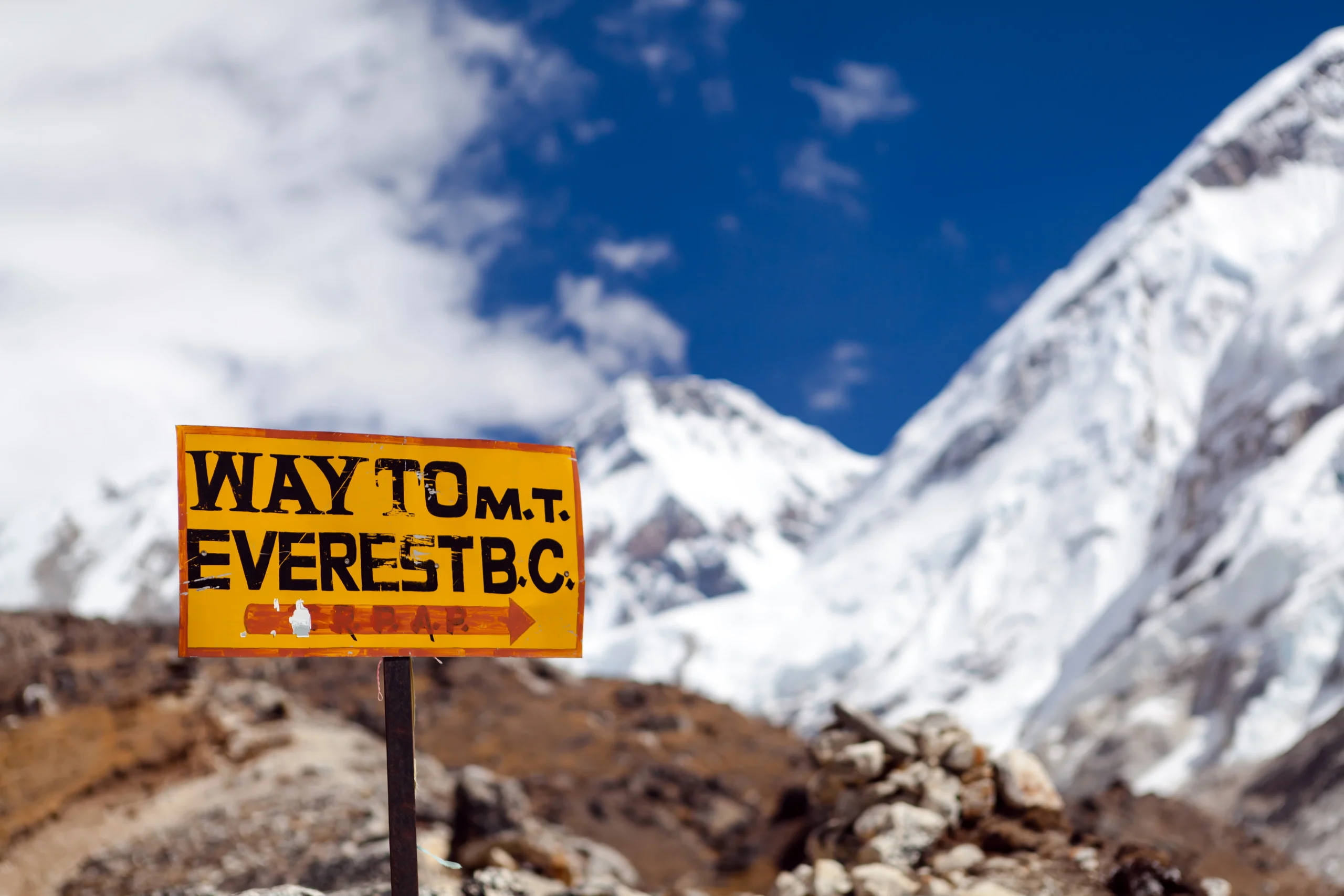
Currently Everest base camp, the camp stands at an elevation of about 5,364 meters (17,598 feet) above the sea level.
The trek is considered moderately difficult.
No technical climbing required
Long daily walks (5–7 hours)
Main challenge: high altitude (up to 5,364 m / 17,598 ft)
With the right physical conditioning, careful acclimatization, and thorough preparation, even a beginner can complete the Everest Base Camp (EBC) trek. Although it is demanding, it does not involve technical climbing, and first-time trekkers can handle the challenge if they train properly and take appropriate measures to prevent altitude sickness.
K2 is often called “The King of Mountains,” “The Mountaineers’ Mountain,” and “The Mountain of Mountains,” a nickname made popular by Italian climber Reinhold Messner in his book about the peak. Although Mount Everest is taller, K2 is generally regarded as a more difficult and hazardous climb.
Top three highest peak in the world are Mt. Everest, K2 and Kanchenjunga.
Everest Base Camp trek can be said to be a moderately difficult trek, yet it does not involve mountaineering skills. Nevertheless, the level of fitness is good because of the elevation, long hours of walks daily and sharp slopes.
Here’s the detailed fitness plan for mountain trekking.
Everest Base Camp trek needs an early requirement of basic preparation:
The classic Everest Base Camp trek is rated level 7, so you’ll need good hill-walking fitness and be prepared to hike 6–7 hours a day on consecutive days.
Everest Base Camp (17,600 ft) has roughly 50% less oxygen than sea level. At the summit of Mount Everest, oxygen levels drop even further, to about 33% of what’s available at sea level.
As, everest base camp is a very mentally challenging trek which is not just like walking around the park its a technical climb. You need to prepare mentally, physically, you’re as just eligible to the challenge.
Diamox without a prescription in Kathmandu, Lukla, and Namche Bazaar. One strip of Diamox contains ten 250 mg tablets costs around 150 – 200.
It’s physically demanding but manageable for people with good fitness.
Key challenges include:
Altitude sickness risk
Cold weather
Steep and uneven terrain
The spring (March to May) and fall (September to November) seasons are the most appropriate periods to hike. The weather is mostly dry and mild in these months and the chances of snowfall are minimal hence trekking is more comfortable and safer during these months.
Yes, but conditions are more challenging. Monsoon brings rain and clouds, while winter is cold with possible snow and flight delays.
Trekkers require two types of permits, that is, the Sagarmatha National Park Entry Permit and the Khumbu Pasang Lhamu Rural Municipal Permit. These two may be either acquired in Kathmandu or Lukla via a certified trekking agency in Nepal.
Try, to locate the proper weather forecasting news and also check the authorized government website for the 100% real news like Nepal Tourism Board
Permits are mandatory for all trekkers who wish to trek towards EBC which costs around NPR 3,000 per person for the entry permits.
I went trekking to a base camp with the Explore Team and a group of four, including me. I just want to say they provide what they say and perfect accomodation with a quality food along the trip. Thanks from our group to the team and Bhim Sir for making this possible.

To help you decide if Everest Base Camp Trek is for you we have provided information on flight details, trek difficulty and best time to visit. Each section also has a video to help you plan your trip smoothly.
If you are still unsure if this trek is for you then email or WhatsApp us. We will get back to you within 24 hours to answer any more questions.To help you decide if Everest Base Camp Trek is for you we have provided information on flight details, trek difficulty and best time to visit. Each section also has a video to help you plan your trip smoothly.
If you are still unsure if this trek is for you then email or WhatsApp us. We will get back to you within 24 hours to answer any more questions.

You arrive in Kathmandu, the vibrant city of Nepal. As you step out of the plane, our airport representative will be waiting for you just outside the arrival gate.
You will be transferred to your hotel in a private vehicle and can rest and refresh after your journey. This day is kept free and flexible so you can relax, walk around the nearby areas or take care of any last minute shopping for your EBC trek.
Later in the day we will have pre-trek briefing. This is when you will meet your guide and fellow trekkers, go through the itinerary, check your gear and get essential information about the trail. It’s a great opportunity to ask questions and get prepared.

Explore Nepal Trails is your trusted partner for trekking, peak climbing, and mountaineering adventures in Nepal. From classic Himalayan treks to high-altitude expeditions and cultural journeys, we deliver safe, well-planned, and unforgettable travel experiences.
We Accept

Join our community of over 200,000 global readers who receive emails filled with news, promotions, and other good stuff.

WhatsApp us