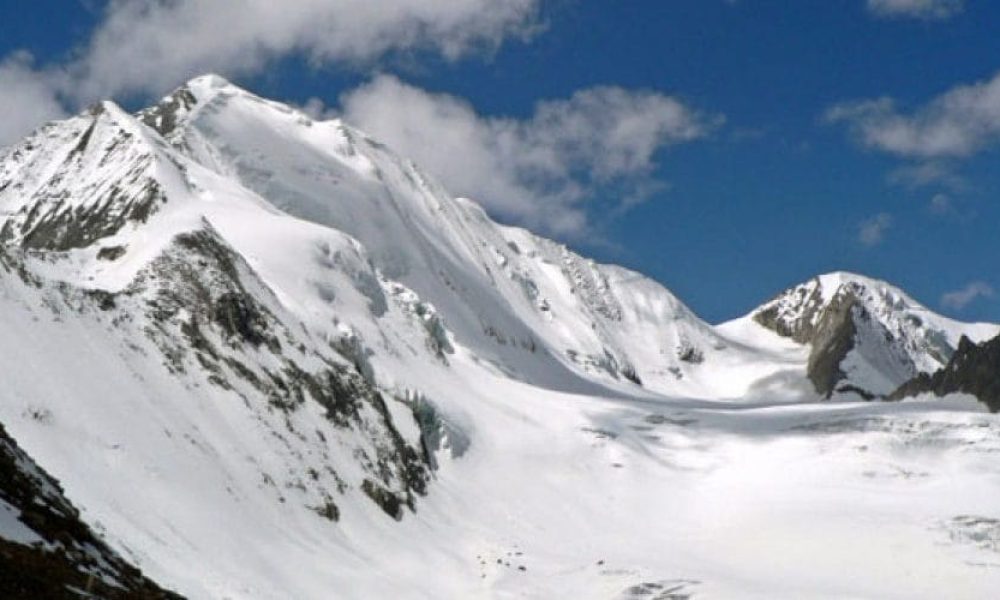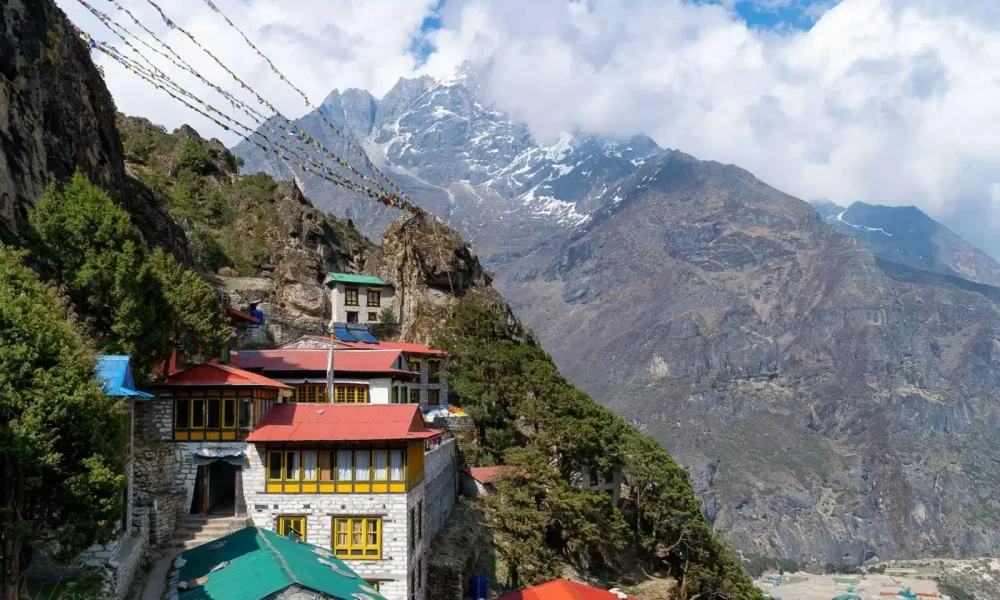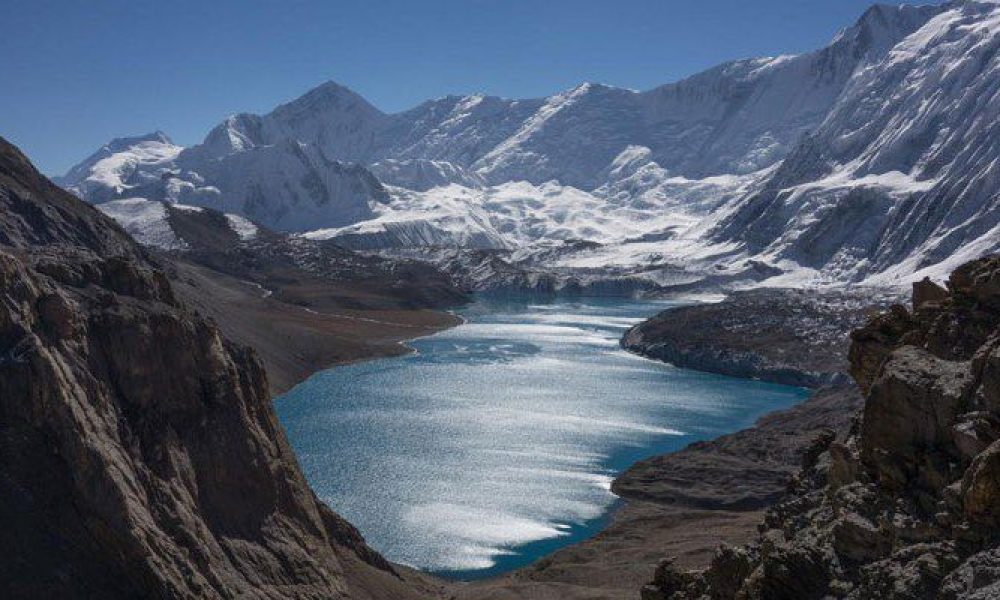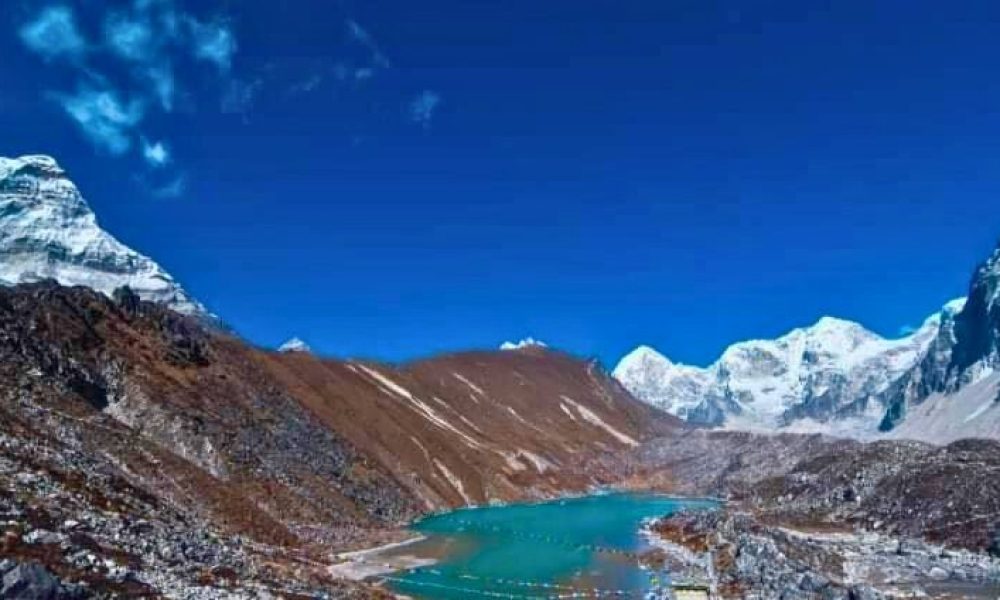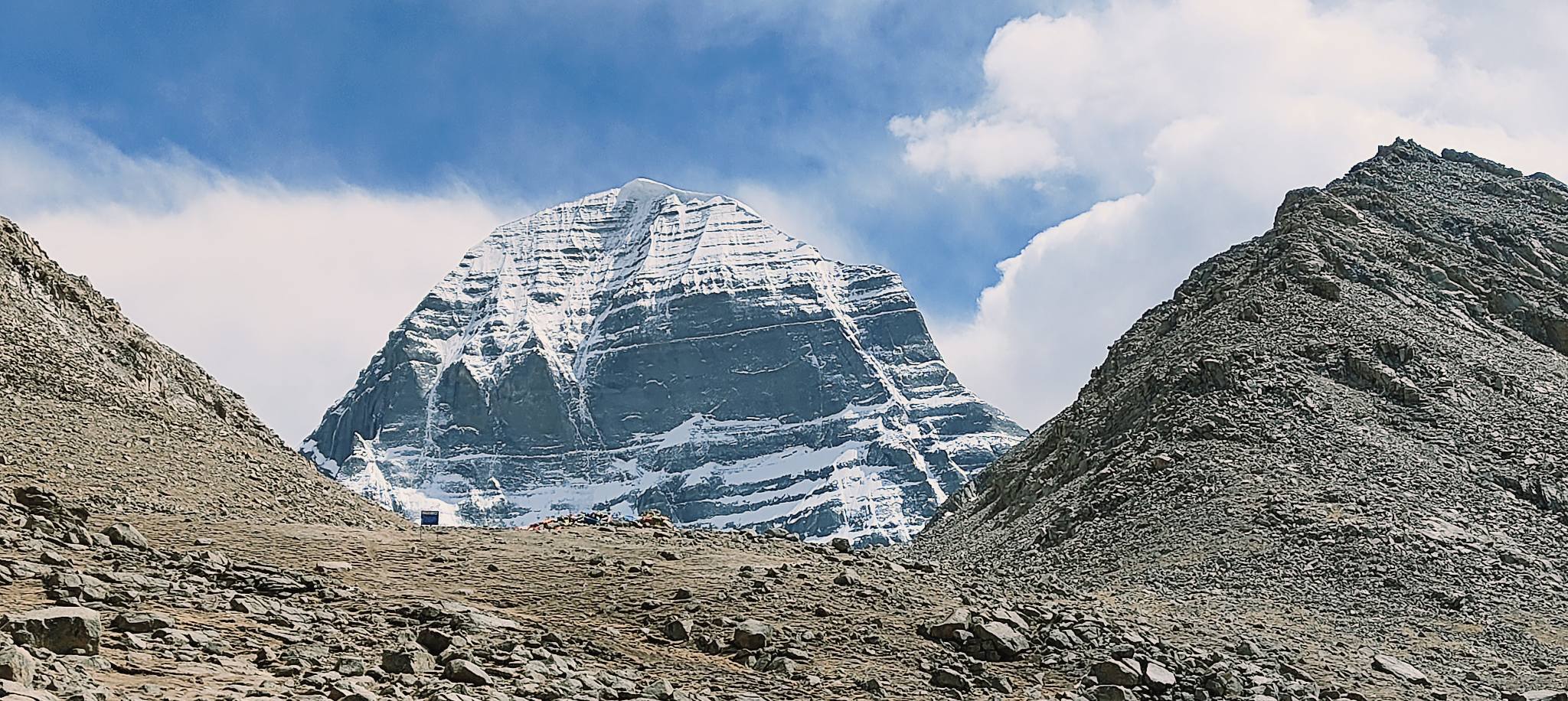
Mt. Kailash, as a highlight of this spiritual journey, is considered a sacred mountain in four religions: Hinduism, Jainism, Bon, and Buddhism. Hindus believe the mountain to be the abode of God Shiva living with his consort, Parvati, and the spiritual center of the universe, Mt. Meru, around which all else revolves. Jain calls the mountain Astapada as they believe their Saint Rishabanatha achieved spiritual liberation.
Kailash Mansarovar tour via Kerung Border is another alternative among other routes to reach Mt. Kailash and holy Lake Mansarovar. Thousands of Hindu pilgrims and travelers take part in this 3-day Kora trek around Mt.Kailash, circling the sacred mountain and taking a ritual bath to expunge all mortal sins and pave the way to heaven.
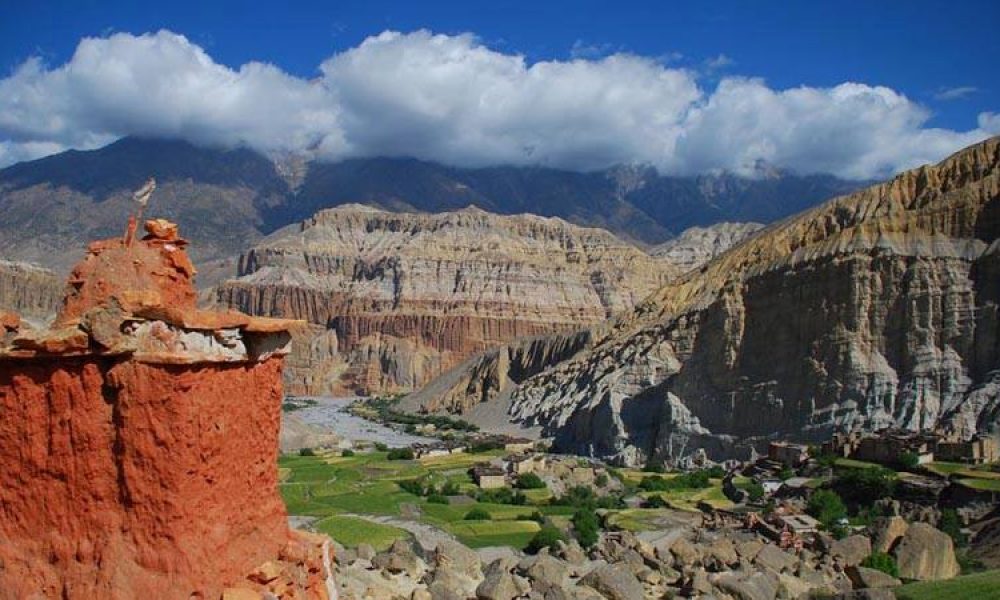
The two weeks journey initiates at Kathmandu, advancing towards the Trans-Himalaya in Tibet China by rigorous driving and trekking through remote western Tibet, circumnavigating Mt. Kailash, and a visit to the holy Lake Mansarovar, and exit to Nepal the same way back. Ancient salt trademark to Nepal from Tibet, the Kyrong valley is spectacular though some canon and farming land of Tibet crossing … pass… meters from where Massive mountain Xisa-pangma.
Tibetans believe that it is the residence of Demchog, a fierce-looking tantric deity who lives there with his consort, Dorje Phagmo. As for Buddhists, the mountain is a terrestrial projection of the cosmic mandala of Dhyani-Buddhas and Boddhisattvas. The holy mountain is near to the source of some of the longest rivers in Asia which follows its path to the Indian Ocean such as Sutlej, Brahmaputra, Karnali, and the Indus.
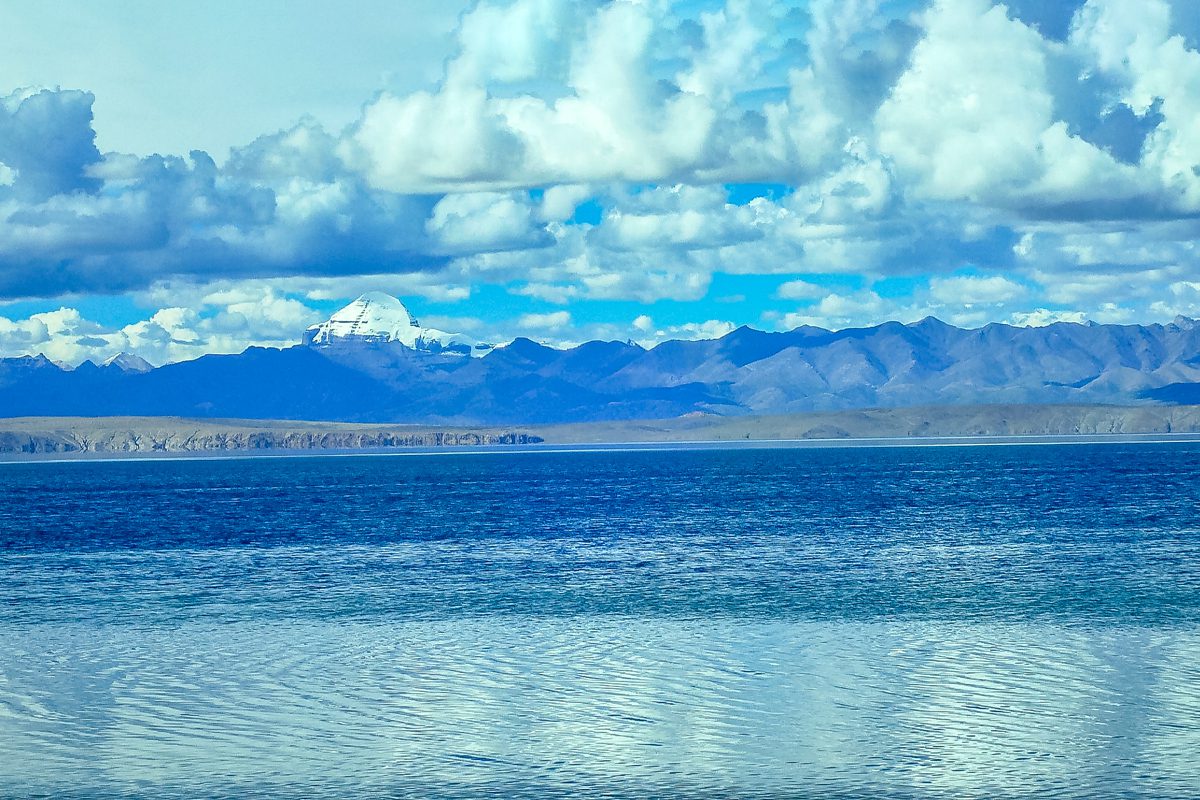
Sprawling below is the sacred lake of Mapam Yumtso or Mansarovar, where Pilgrims come to take ceremonial baths in the ethereal waters of the holy lake to relinquish the sins of a hundred lifetimes and drink of its waters that will deliver a pilgrim to Brahma’s paradise. According to Hindu and Buddhist epics, the four great rivers of the Indian Sub-continent: Gaga, Stujel, the Indus, and the Brahmaputra arise from Mansarovar. Legends have that Mayadevi, the mother of Buddha was bathed at Mansarovar by Gods before giving birth to her son.
Despite the difficulties and challenges, the testing terrains of Kailash Mansarovar are now accessible with the modern road system and transportation facilities making it easily accessible for the Pilgrims and travelers from around the world. Four famous monasteries, Seralung, Thrugo, Gosul, and the Chiu Gompa are located around the Manasarovar lake where was meditated by Milarepa, Padma Shambhava at different times.
All equipment and luggage will be transferred by vehicles and animals around the Kailash trek and will be supported by a Nepalese and Tibetan team with a cook.
When you arrive in Kathmandu, our representative will meet you at the airport. Get assistance for transfer and escort to the Hotel.
After breakfast start to Katmandu sightseeing including Pashupatinath and Budha Neelkanth Darshan, back to the hotel, and the rest of the day is free for shopping & packing essential equipments for the tour.
Our Kailash Mansarovar tour starts from Kathmandu city early in the morning. You will be picked up by our guide from your hotel in Kathmandu and taken on a long but scenic drive along the bank of the Trishuli River. After reaching the Nepal-Tibet border, we will meet our Tibetan guide and finish our immigration formalities.
Second day will be our rest day in Kerung/Kyirong/Gyirong to acclimatize to the high-altitude with Tibetan environment and subtropical mountain monsoon climate before further adding the Kailash-Mansarovar journey. Kerung is located at an elevation of 2850 meters near the China-Nepal border in the southern part of Gyirong County in Tibet.
We’ll set the journey towards Kailash-Mansarovar, after having early breakfast in Kerung. We’ll drive to Saga via Labung-La Pass, which will be the first long drive across desert-like landscape, rural countryside and high mountain roads. We’ll take a lunch and refreshing break during our today’s drive.
We’ll see a panoramic view of the Turquoise, Lake Peikutso, and the expansive Yarlung Tsangpo or Brahmaputra River while driving towards Saga. When we arrive at the Labung-La Pass at 5,050 meters, we can see glimpses of Himalayan peaks including Gaurishakar, Shishapangma and Langtang Himal.
Today’s drive covers 232 km in around 6 hours, and we’ll arrive at the Tibetan town of SAGA (4600 meters). We’ll stay overnight in Saga to recover and prepare for the next leg of the journey.
As usual, after an early breakfast, our journey starts from Saga to the Sacred Lake Mansarovar through the small towns of Zhonga and Paryang as well as Dargyeling Monastery. After a 450 km-long journey, we’ll be fortunate with the first glimpses of the holy Mount Kailash and the tranquil lake Mansarovar.
After 7 to 8 hours of journey, while taking breaks in between, we will reach Kailash Mansarovar Lake. Lake Mansarovar is the highest freshwater lake, located at an elevation of 4558 meters Mansarovar Lake is surrounded by Mount Kailash, Mount Gurla Mandhata/Naimonanyi Peak, and Lake Rakshash.
As per Hindu Mythology, Lake Mansarovar is the resting place of Lord Vishnu. And Lake Rakshash was created by Devon Ravana. If we drive closer, we can be privileged with the majestic view of Mt. Kailash and Mt. Mandhata in the distance. Further, we can see Chiu Monastery, from where we can observe a vantage point to view Mt. Kailash.
Our day will start with a serene and spiritual morning at the shores of Lake Mansarovar, in front of the majestic Mt. Kailash. You can perform morning Yogas, Havans, and Puja/adoration to cleanse sins and grant inner peace. This is because Lake Mansarovar is revered as the lake of compassion, tranquility and divine bliss.
Then, we’ll begin Parikrama/circumambulation of Lake Mansarovar by jeep. The journey includes a possible visit to Chui Gompa monastery. Thereafter, we’ll resume about 40km drive to Darchen, which takes around 1 hour. Darchen is a small settlement near the foothills of Mt. Kailash, so it serves as the base camp for the Kailash Parikrama.
Darchen becomes a vibrant camp town in the pilgrimage season. That’s where you can get a direct view of the west face of Mt. Kailash (the holiest mountain in Asia). Our overnight stay will be in Darchen. We’ll provide all the meals for you.
The sixth day will be the first and spiritually significant day of Mt. Kailash tour because of Circuit (Kora), which is a three-day hike around the sacred Mt. Kailash. After having breakfast, we’ll drive from Darchen to Tarboche/Darboche, about 5-6 km that takes around 10 minutes. It is the starting point of the Kora, which will be decorated with vibrant prayer flags. Then, we’ll pass Yama Dwar-Gate of the Lord of Death, which is a sacred threshold through which every pilgrim will have to pass to start their spiritual journey.
Tarboche is surrounded by the stunning Himalayas, like Gurla Mandhata (7728m) to the southeast. From Tarboche, we’ll start with about a 12km hike to Dira-Phuk, walking along rocky cliffs and cascading waterfalls as well as Chukku Monastery. As we walk, the north face of Mt. Kailash gradually reveals.
Now, we’ll arrive at Dira-Phuk (4765m) after 6 to 7 hours of trek. Dira-Phuk is nestled exactly beneath the mighty north face of Mt. Kailash, which is the best place to view and photograph. We’ll stay overnight in Dira-Phuk.
Note: Pilgrims who are not joining the Kora/circuit will stay at Darchen in the Hotel, until the rest of the team returns.
Early in the morning, we’ll begin a 2 hours steep uphill trek from Dira-Phuk, while passing symbolic sites Yamastha and Shiva Stal. This will be the most challenging yet spiritually profound trekking, as we cross Dolma-la Pass (5,630m) – the highest and holiest point of the pilgrimage. We’ll be greeted by vibrant prayer flags and sacred statues like a shrine dedicated to Green Tara at the summit of the Dolma-La Pass.
From the steep descent from the Dolma-La pass, we’ll witness the holy Gauri Kunda (Lake of Goddess Parbati). Along the trail, we may have small tea shops for refreshments.
We will trek around 8 to 9 hours, which covers 22 km distance. By the late afternoon, we’ll reach Cave of the Miracle or Zutul-Phuk (47,00m).
After reaching Zuthul Puk, we’ll stay overnight at a tented camp with meals.
Today is the final day of our sacred Mt. Kailash Circuit (Parikrama). After having a breakfast, our Parikrama will begin with a comparatively easy 8 km trek, which will end in about 2 to 3 hours. Now, we’ll have a more pleasant and gentle walk, with no-steep climbs, passing through a scenic river and narrow canyons.
Thereafter, we will reach in Darchen, where the vehicle will be waiting to pick up us. We’ll commence our long drive back to Saga, which will take around 470km. Along the drive, you can enjoy your last views of Lake Mansarovar and Chiu Gompa Monastery. Our overnight stay will be at a guesthouse in Saga.
After having breakfast in Saga, we’ll begin our return journey towards Kerung. We’ll further enjoy our return journey to Kerung city from Mt. Kailash and Lake Mansarovar while passing through a panoramic scene of the rugged Tibetan landscape.
We can also observe the high-altitude villages, Tibetan nomads, pristine valleys and river gorges on the way. We’ll aim to arrive in Kerung by the afternoon, then we’ll check into a comfortable hotel.
On the last day of our sacred Kailash journey, we began our return journey toward the Rasuwagadhi border, after having breakfast in Kerung. Then, we’ll complete the Chinese exit
formalities after reaching the border of the Chinese side. After crossing the Border Bridge, we’ll be at Rasuwagadhi, Nepal. From Rasuwagadhi, we’ll complete another Nepali immigration and customs procedures.
Then, we’ll drive through the scenic hilly roads of Rasuwa and Nuwakot districts. Then, passing through the rural villages, river valleys and terraced fields, we’ll take a rest for lunch at a local restaurant along the way. By the evening, we’ll arrive in Kathmandu and transfer to your hotel.
At thi day, we check out from the hotel. Get assistance for transfer to the airport. Depart for home or the next destination rejuvenated with the blessings of Lord Shiva and the absolving pilgrimage to Kailash Mansarovar.
The Kailash Mansarovar Tour via Kerung is an overland pilgrimage route that enters Tibet from Nepal through the Kerung (Gyirong) border. It is one of the most popular routes due to better road conditions and gradual altitude gain.
The Kerung route is preferred because it allows better acclimatization, shorter daily travel distances, and comparatively comfortable road conditions compared to other routes.
Mount Kailash is considered sacred in Hinduism, Buddhism, Jainism, and Bon religion. It is believed to be the abode of Lord Shiva and a powerful spiritual center.
Lake Mansarovar is regarded as one of the holiest lakes in the world. Pilgrims believe that bathing in its waters cleanses sins and brings spiritual purification.
The parikrama (circumambulation) of Mount Kailash is optional but highly significant for pilgrims. Those unable to complete it can still gain spiritual merit by visiting Mansarovar.
The tour is considered moderate, but the Kailash Parikrama involves walking at high altitude, especially while crossing Dolma La Pass (5,630m).
Yes, many elderly pilgrims successfully complete the tour, but good health, medical clearance, and proper acclimatization are essential.
The tour requires a Chinese Group Visa, Tibet Travel Permit, and other regional permits, which are arranged by the tour operator.
No, travelers receive a group visa issued by the Chinese Embassy as part of the tour arrangement.
Yes, solo travelers can join fixed departure groups, as permits are issued for group travel.
Transportation is provided by private vehicles or tourist buses within Nepal and Tibet, depending on group size and road conditions.
The Kerung border is generally open during the pilgrimage season but may close temporarily due to weather or political reasons.
There are no reviews yet. Be the first one to write one.

Explore Nepal Trails is your trusted partner for trekking, peak climbing, and mountaineering adventures in Nepal. From classic Himalayan treks to high-altitude expeditions and cultural journeys, we deliver safe, well-planned, and unforgettable travel experiences.
We Accept

Join our community of over 200,000 global readers who receive emails filled with news, promotions, and other good stuff.

WhatsApp us