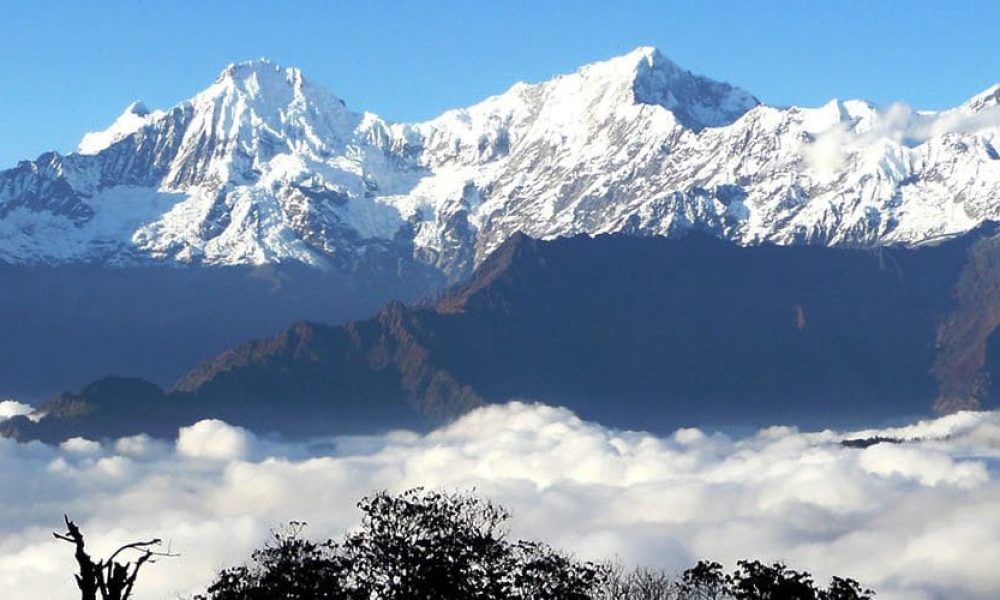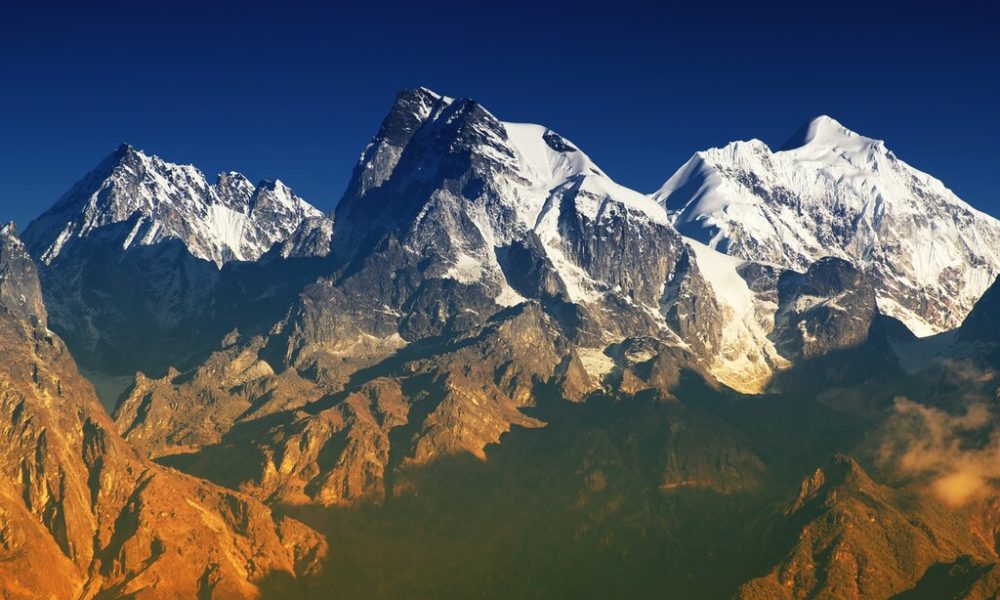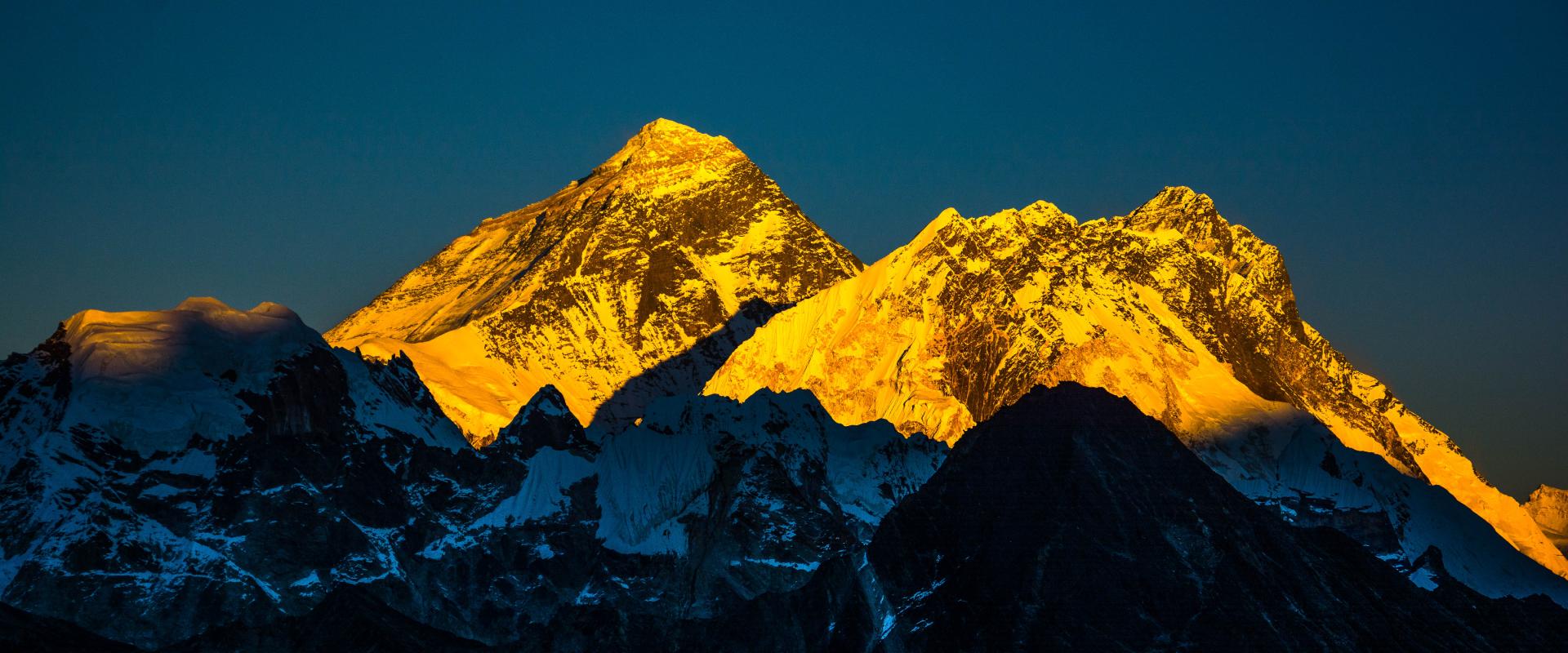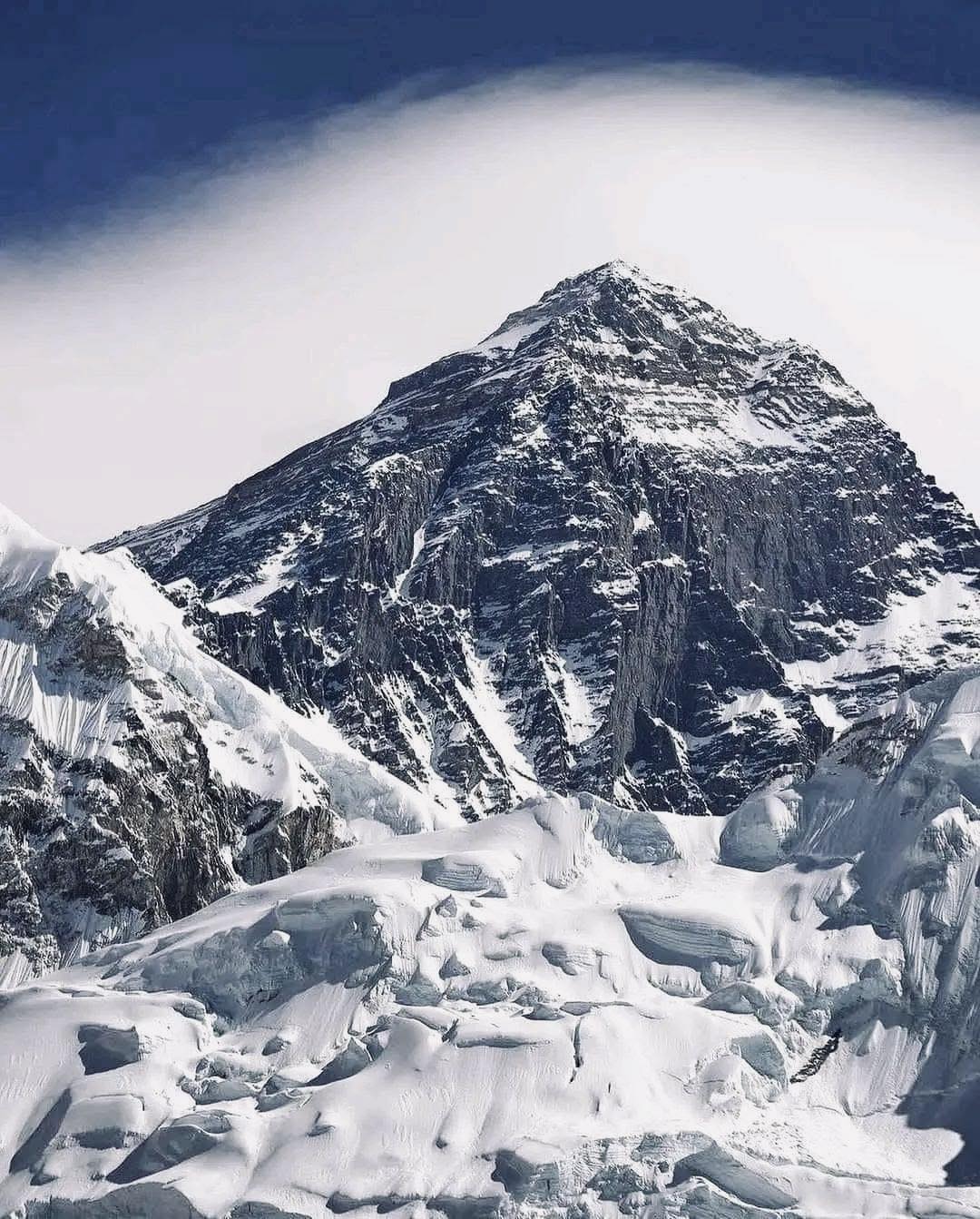
Mount Everest, known as Sagarmatha in Nepal and Chomolungma in Tibet, stands at a breathtaking 8,848.86 meters (29,031.7 ft) and represents the pinnacle of mountaineering achievement and is also called the highest peak of the world. For many climbers, attempting the Mount Everest Expedition is more than a dream it’s a life‑defining challenge that pushes the limits of physical endurance, skill, and mental strength.
The First Successful Ascent of Mount Everest. Sir Edmund Hillary from New Zealand and Tenzing Norgay Sherpa from Nepal made the first successful ascent of Mount Everest on 29 May 1953. They took the South (Southeast Ridge) route from Nepal, marking an important achievement in mountaineering history and Himalayan exploration.
Climbers will arrive in Kathmandu for an afternoon gear check and check into their hotel. The team will also enjoy a welcome dinner. Those intending to arrive a day early should inform our office so that we can assist with additional accommodations.
We fly to Lukla. In Lukla, we meet and join our Sherpa staff, load equipment, and begin the ascent to Base Camp. Our first day is an easy walk and an introduction to the landscape just above the village of Phakding, located on the Dudh Kosi river.
We follow the Dudh Kosi through Himalayan pine and Deodar cedar forests to the celebrated village of Namche Bazaar. The village of Namche is an historic trading post where Nepalese and Tibetan traders exchanged salt, dried meat, gold and textiles. Namche remains the central trading post in the Khumbu, attracting Himalayan and lowland merchants. Our group will spend two nights in Namche, affording us the opportunity to acclimate, visit a local market, and spend time with friends in town. We’ll capture our first glimpses of Everest and neighboring peaks on our hike to Namche.
In the morning we’ll take an acclimatization hike, gaining 1,000 feet to take in the amazing mountain vista. We’ll spend the remainder of the day visiting sights in Namche Bazaar, including the local marketplace and monastery. We also participate in a Puja Ceremony, a spiritual ritual in which climbers ask Chomolungma (Tibetan name) for safe passage to her summit.
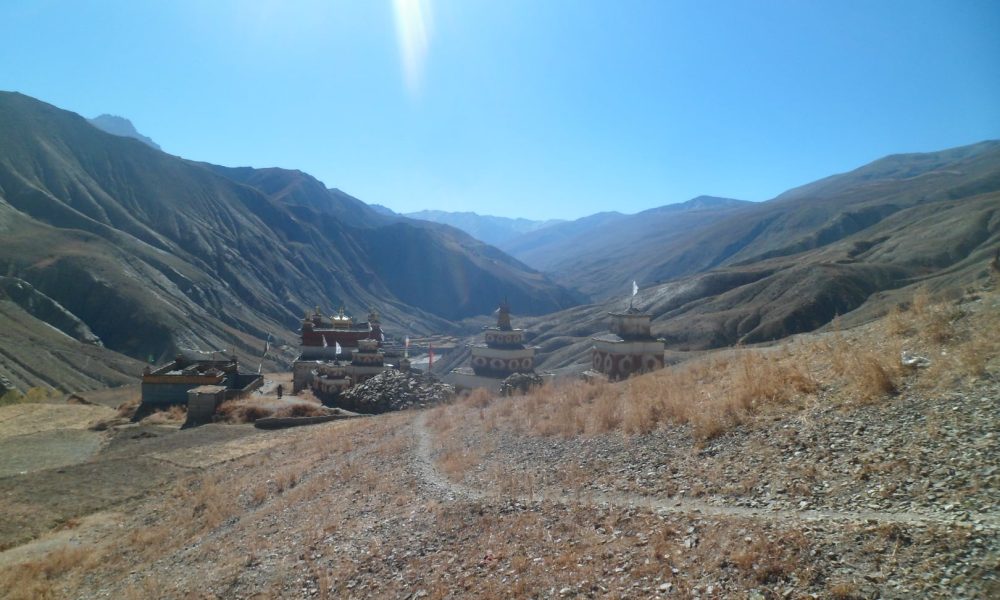
We’ll travel to the village of Thame off the main trekking path. A number of famous climbing Sherpa have come from the vicinity of Thame, as do many of Alpine Ascents’ local staff. We will try to visit one of their traditional homes, giving us an intimate view of Sherpa culture. The Thame experience is one rarely afforded international travelers. We climb to the Thame monastery and further explore local Buddhism. We’ll tour a 400 year-old gompa (monastery) and learn about its inner workings and the lives of its monks. As we view the monastery, we’ll discuss the wall paintings and artifacts that are central to Buddhist practice.
Climbers participate in another Puja Ceremony in the village of Thame while they adjust to the altitude.
We soak in the beauty of the Himalayas as we climb from Thame to Lungden, a small village with a few quaint tea houses.
Climbers leave Lungden and travel up and over the Renjo La Pass, reaching a peak elevation of approximately 17,600 ft. We end the day at Gokyo, a beautiful village at the base of Gokyo Lake. By travelling Renjo La Pass, we reach an elevation slightly above Everest Base Camp, and ease our bodies into higher elevations.
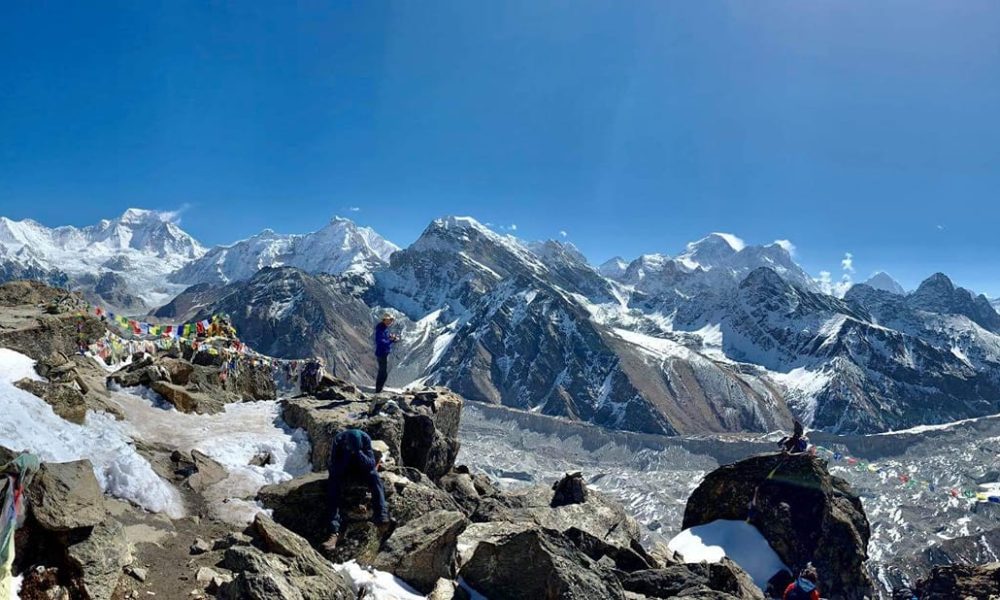
Climbers will climb above the elevation of Everest Base Camp for the second time with a short hike up to Gokyo Ri. This famous viewpoint offers panoramic views of the Everest range. We descend across the glacier to Thagnag for the night.
We leave Thagnag and travel Cho La Pass to Dzongla. This is the third and final time our two-pass trek reaches heights above 17,000 ft before arriving at basecamp, a philosophy that allows for greater acclimatization. Our climbers feel strong upon arrival at Base Camp!
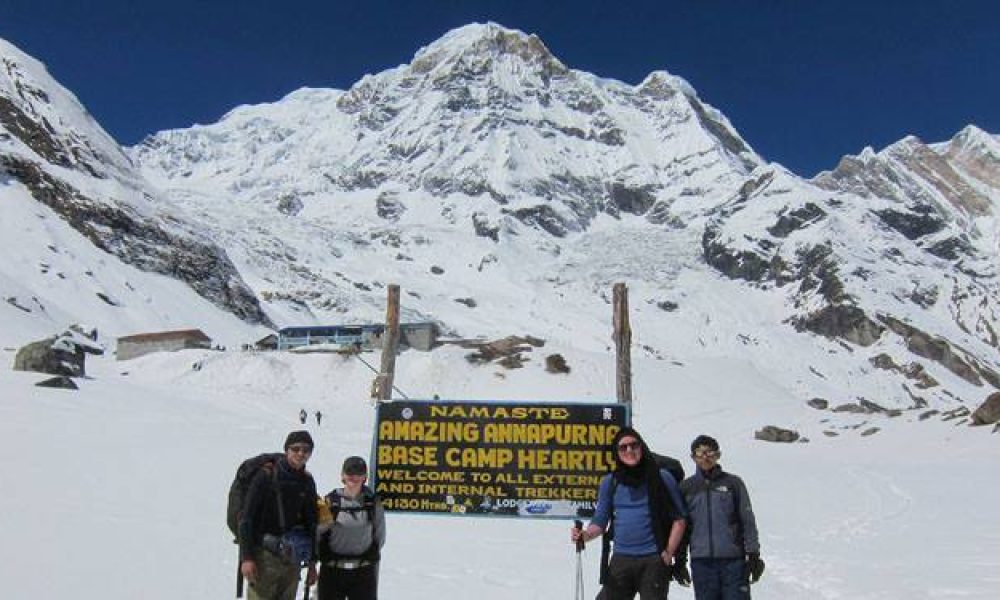
For the final day of the trek to basecamp, climbers travel from Dzongla to Basecamp. Upon arrival, Basecamp is abuzz with activity as climbing teams prepare for their ascents.
Climbers spend several days adjusting to life and elevation at basecamp. Typically, climbers will complete a tour of the Himalayan Rescue Association and visit the Everest ER in the first few days after arrival. We also spend these acclimatization days reviewing skills and techniques we’ll use while climbing. We join another Puja Ceremony with the full team at basecamp.
Speed ascent climbers will join the main team prior to our attempt of Lobuche East
We travel to Lobuche Village to practice our skills and test our bodies at altitude.
We spend two days climbing Lobuche East to reach a new high point and sleep at 18,500 ft. We ascend as high as we can, aiming to test our bodies at roughly the elevation of Camp I on Everest.
We return from our Lobuche acclimatization to Everest Base Camp to relax and recuperate before beginning our acclimatization rotation on the mountain. We review skills on the fixed lines of the lower icefall and give our bodies time to adjust and prepare.
We embark on a several day long rotation up Everest to acclimatize and dial in our climbing technique. We begin by travelling the Khumbu icefall to Camp I, where we spend two nights.
We leave Camp I and travel the Western Cwm to Camp II, our advanced base camp.
We leave Camp II and climb up Lhotse Face to “tag” Camp III. We return to Camp II for the night.
We wake early to descend from Camp II and complete our acclimatization rotation. After several days at higher elevations, the thick air at basecamp helps us recover quickly.
We spend several days at Basecamp recovering from our acclimatization rotation and monitoring weather. We’ll work closely with a meteorologist to balance promising weather windows with “traffic” or busy days on the mountain. These additional days at basecamp allow for stronger, well-adjusted climbers, less congestion on the mountain, and the flexibility to select the most optimal weather window for our climb.
When our Lead Guide and Sirdar have selected the appropriate weather window, we begin our ascent with a climb to Camp I.
We move from Camp I to Camp II via the Western Cwm.
We spend 1 day resting at Camp II before continuing to climb.
We climb Lhotse face to Camp III.
We leave Camp III and ascend to Camp IV, South Col. This is considered High Camp on Mount Everest.
We confirm weather conditions from Camp IV and select our summit day. The timing of the push is highly dependent on weather conditions and is determined between our Lead Guide, Climbing Sirdar, and team meteorologist.
Climbers intending to summit Everest and Lhotse will depart for their second peak following the Everest summit attempt
After allowing our bodies to rest at Camp IV we continue our descent.
We return to the comforts of basecamp and celebrate our expedition with the entire crew.
Climbers take a morning flight back to Kathmandu and enjoy final celebrations with the group before departing for home.
If additional days are left, we can explore different places in kathmandu before heading home.
Souvenir – A memento to remember the adventure.
Suggested Tipping Amounts:
Sherpas: $200–$500 per Sherpa
Porters: $100–$200 per porter
Guides: $100–$200 for the lead guide
Base Camp Staff: $50–$100 for cooks and helpers
Climbing Mount Everest is one of the toughest mountaineering challenges worldwide. As, Sherpa people were valuable to early Himalayan explorers as guides at extreme altitudes through the region’s peaks and passes, particularly for Mount Everest Expedition. The main challenges include:
Climbers need previous high-altitude climbing experience, strong physical fitness, mental resilience, and proper acclimatization. Most climbers rely on supplemental oxygen above Camp
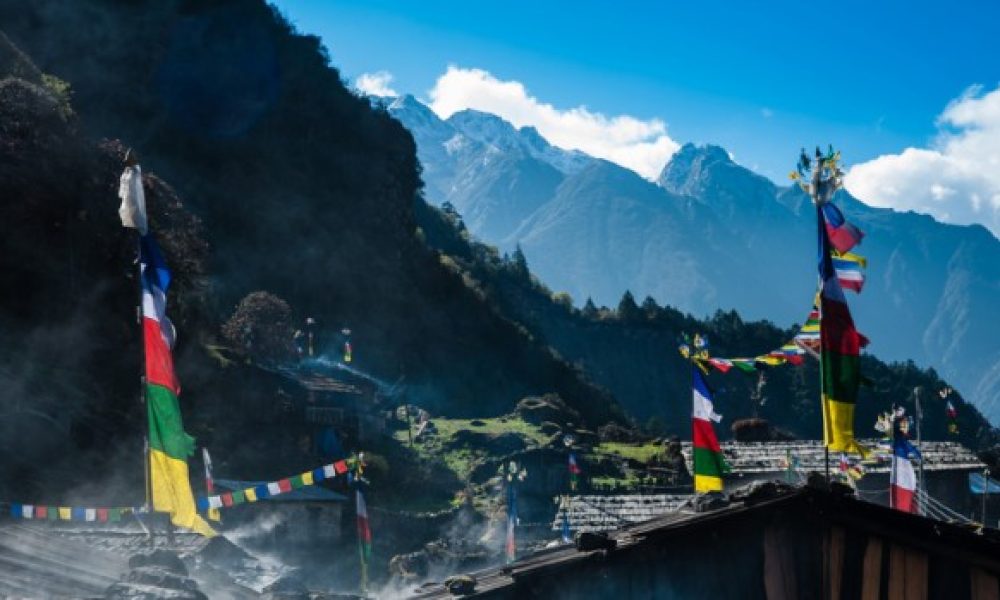
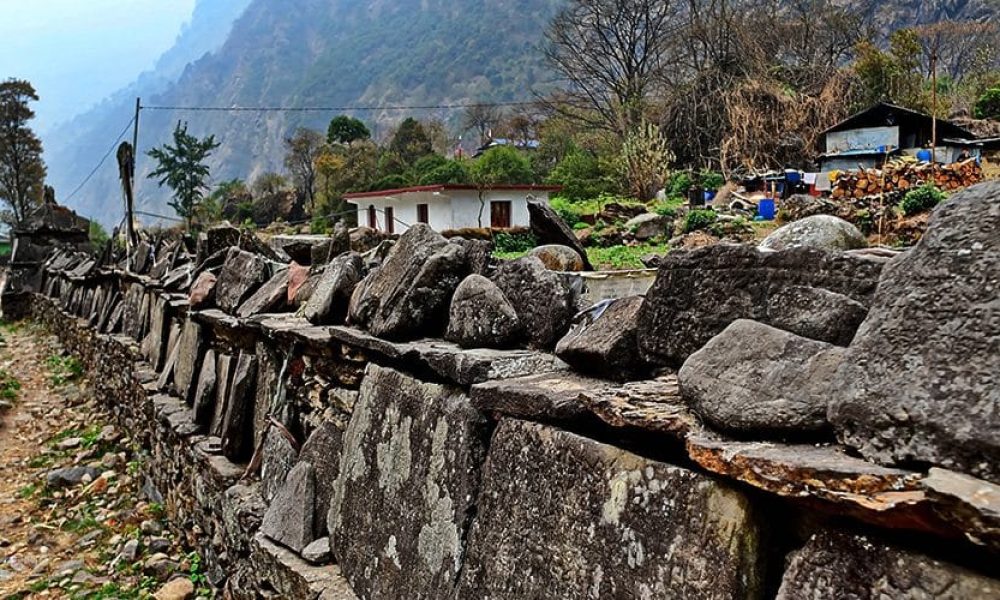
The Everest region is home to the Sherpa people, known for their high‑altitude expertise, warm hospitality, and rich mountain culture. Their lifestyle and traditions are shaped by life in the Himalayas and reflected in:
The local way of life is simple and closely tied to nature, with people engaged in farming, yak herding, trade, and tourism.
🌿 Plant Life
🐾 Notable Wildlife
Mount Everest is not just the highest peak on Earth; it is also a place of stunning natural beauty, rich culture, and thrilling adventure. From the famous Everest Base Camp trek to the challenging summit climb, the area provides unforgettable experiences for both trekkers and climbers.
After providing the challenges, here is the list to learn how to conquer highest peak of the world in seven steps:
The Mount Everest Expedition is a full-scale high-altitude mountaineering journey to reach the summit of Mount Everest (8,848.86m). It involves weeks of acclimatization, multiple high camps, and a carefully planned summit push under professional expedition leadership.
A typical Mount Everest Expedition takes 55 to 65 days, including acclimatization rotations, weather waiting days, and the final summit attempt.
The most popular route is the South Col route via Nepal, which includes Base Camp, Khumbu Icefall, Western Cwm, and South Col.
Only highly experienced mountaineers with prior 7,000–8,000 meter peak experience, strong physical fitness, and technical climbing skills should attempt Everest.
Yes, climbers must have extensive experience in high-altitude mountaineering, including ice climbing, rope work, and expeditions in extreme environments.
Climbing Everest is extremely challenging, requiring exceptional endurance, technical skill, mental resilience, and the ability to withstand extreme cold, altitude, and long exposure.
Major challenges include altitude sickness, extreme cold, crevasses, avalanches, the Khumbu Icefall, and unpredictable weather conditions.
While Everest is inherently dangerous, safety is maximized through experienced guides, Sherpa support, fixed ropes, weather forecasting, and strict expedition protocols.
Climbers follow a structured acclimatization schedule involving rotations between Base Camp and higher camps, allowing the body to adapt gradually to altitude.
Yes, altitude sickness is one of the biggest risks. Proper acclimatization, medical monitoring, and experience are critical to reducing danger.
I went trekking to a base camp with the Explore Team and a group of four, including me. I just want to say they provide what they say and perfect accomodation with a quality food along the trip. Thanks from our group to the team and Bhim Sir for making this possible.


Explore Nepal Trails is your trusted partner for trekking, peak climbing, and mountaineering adventures in Nepal. From classic Himalayan treks to high-altitude expeditions and cultural journeys, we deliver safe, well-planned, and unforgettable travel experiences.
We Accept

Join our community of over 200,000 global readers who receive emails filled with news, promotions, and other good stuff.

WhatsApp us