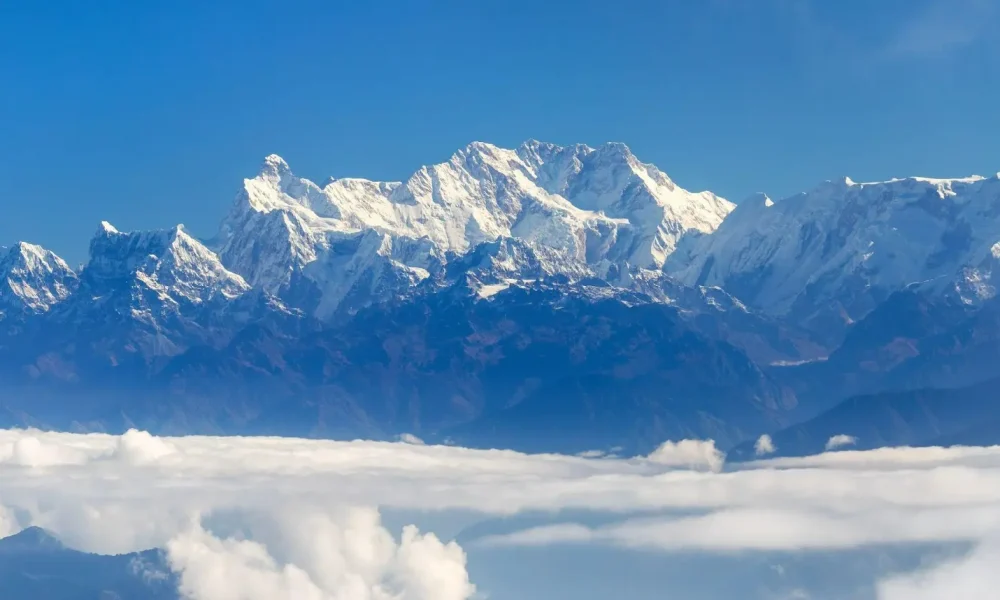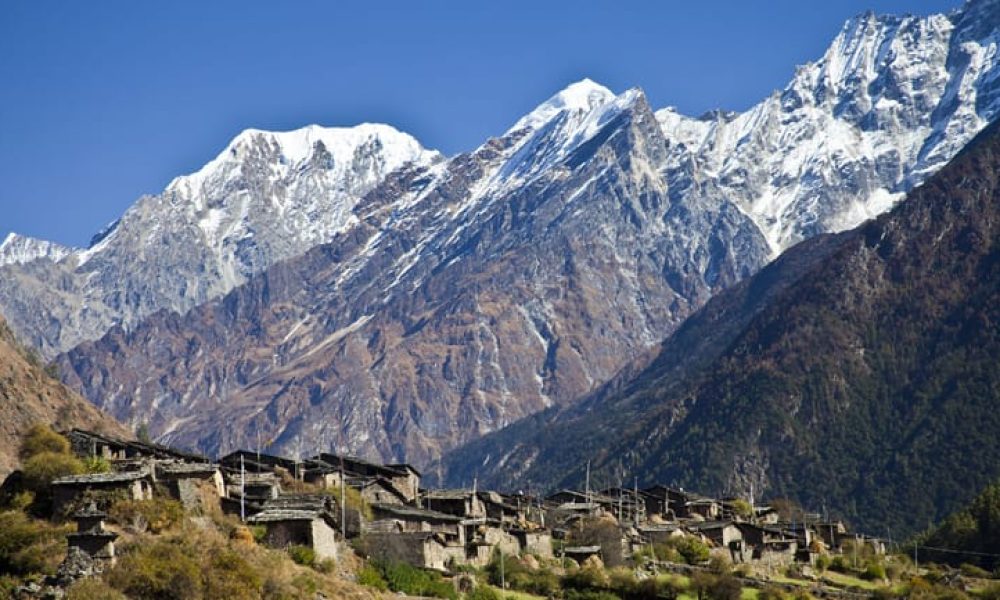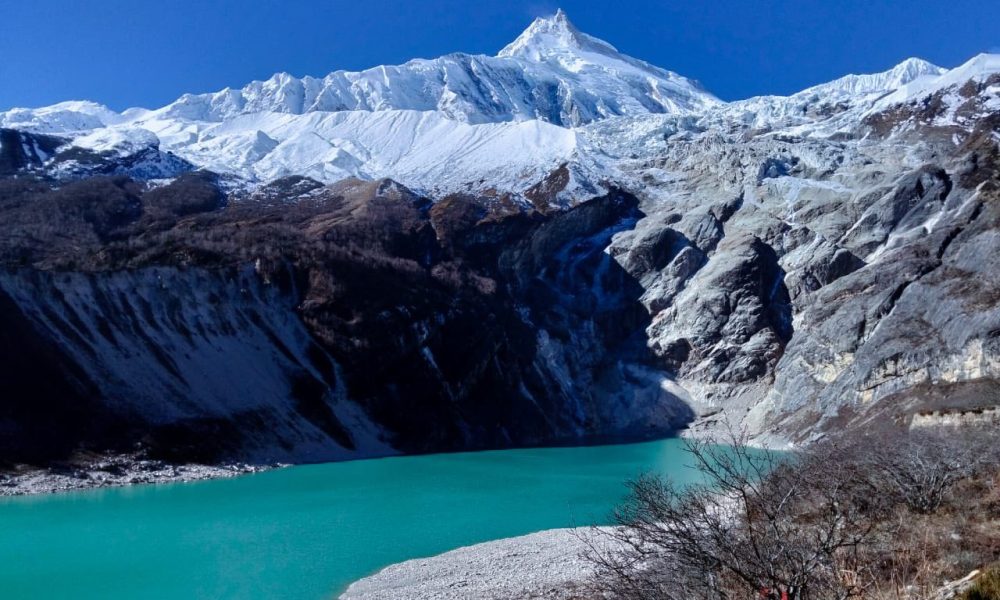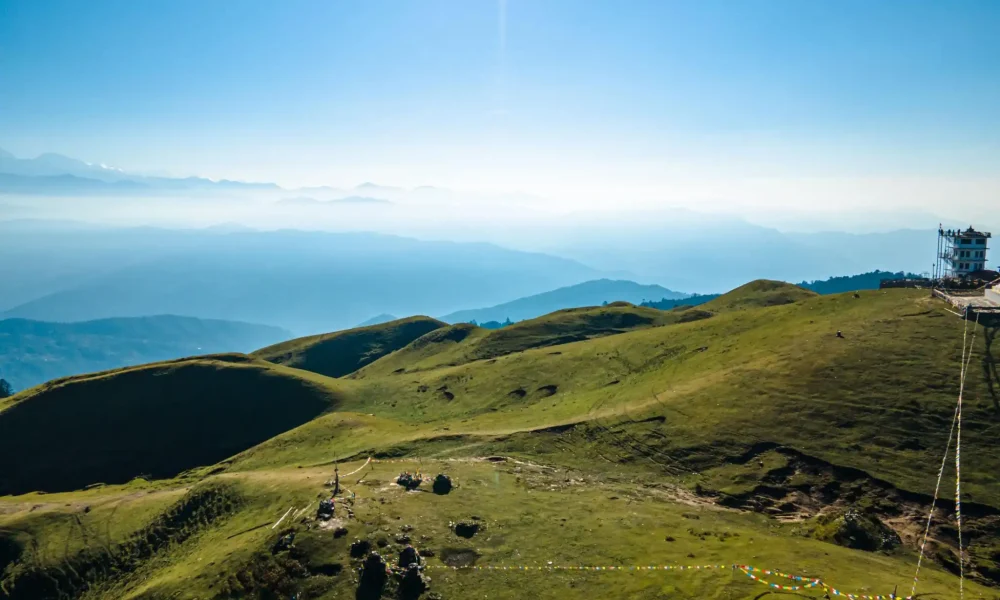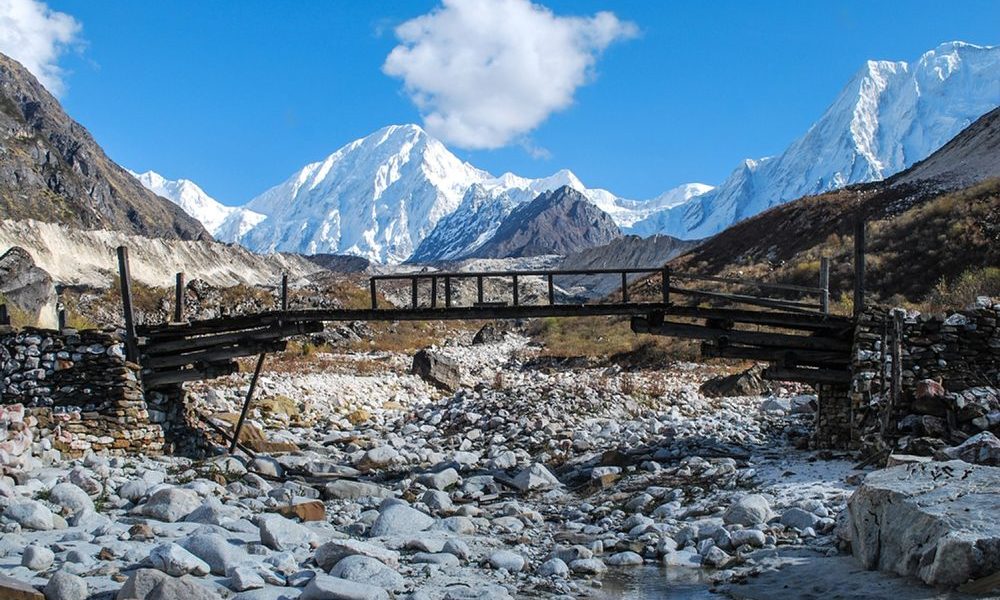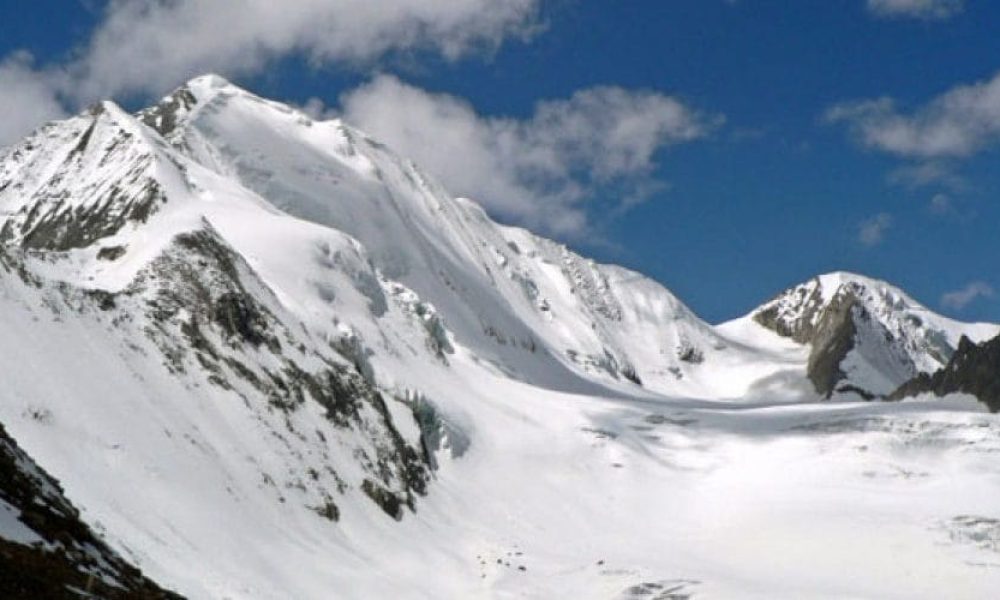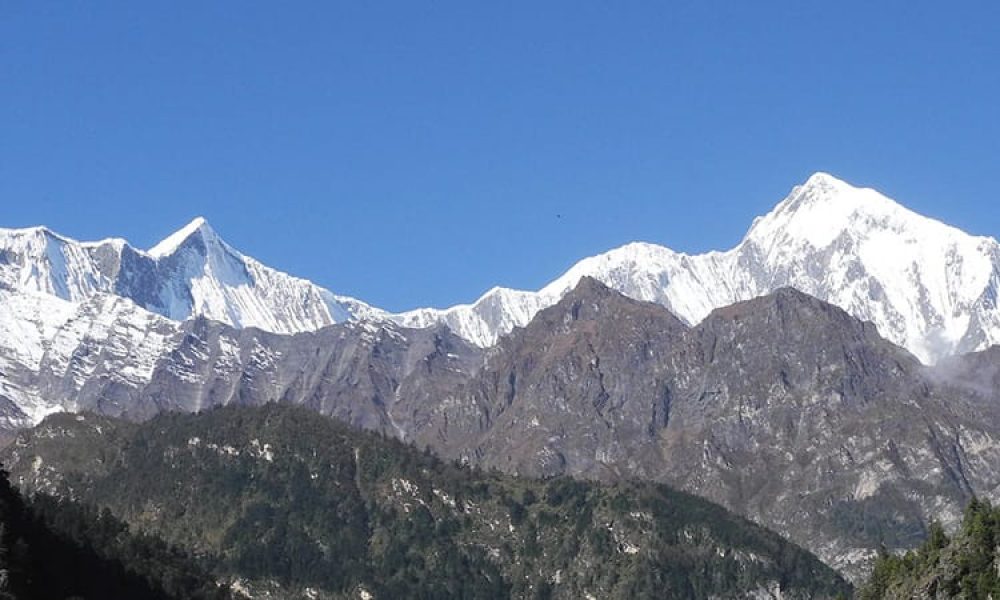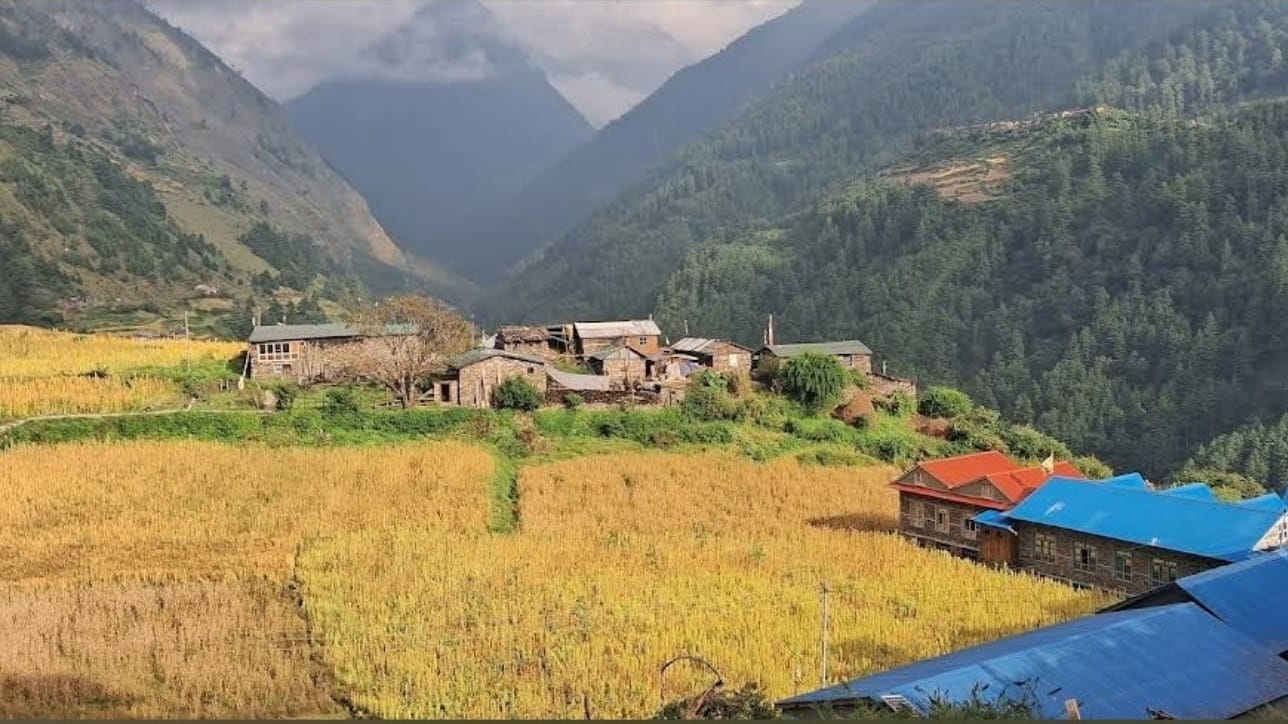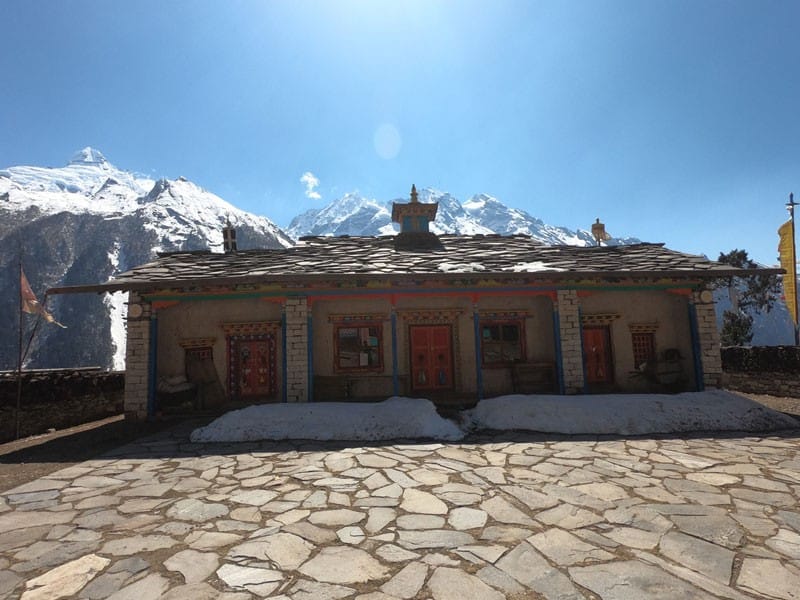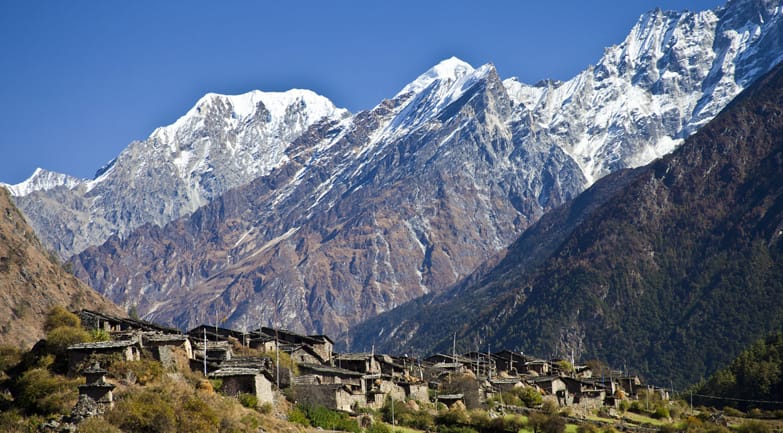
Tsum Valley Trek is one of the famous off-the-beaten-path treks located in the Manaslu Region, which is on the border of Nepal and Tibet. This is a beautiful valley with the backdrop of mountains, including Shringi Himal, Langju Himala and Ganesh Himal range in the Tibetan and Nepali cultural regions.
This trek is good for those who would prefer to avoid altitude sickness since this trek takes you to the highest point, which is at Mu Gumba, where the altitude is 3700m.
The Tsum Valley is divided into two distinct sections: Lower Tsum Valley covers the areas between Lokpa and Chumling while the Upper part covers Chhekampar to Nile and Chule. This hidden paradise is famous for its relatively quiet area and is often called ‘The Last Tibetan Village of Gorkha.
Previously, the Tsum Valley was closed to foreigners until the year 2008. However, what has blown the minds of many trekkers is its natural beauty which has made it to become so popular recently.
Tsum valley trekking begins from the capital city Kathmandu by using the means of the transportation up to Seti Khola or Machha Khola which is known to be the initial point of this trek.
Trekkers can either hire a private jeep or ride the local bus from the Gongabu bus station to reach Machha Khola. Lack of any airport in this specific area makes it impossible to travel via airlines, so the only mode of transport is by ground transport.
After arriving at Soti Khola or Machha Khola, you will be following the well-maintained dirt paths to rocky and uneven terrain of Budhi Gandaki river for several days with beautiful villages like Khorlabesi, Tatopani, Dovan, Yaru Bagar, Philim, Tekle Bhatti, Chisapani and Lokpa.
At Lokpa, the trail diverges: the lower trail offers one of the world’s popular treks- Manaslu Circuit Trek while the upper trail takes you to the isolated Tsum Valley. Along this fabulous trail, you get to cross through the dense forests, use several suspension bridges and a rock-suspended cantilever bridge before reaching Lokpa, Chumling and finally to Chhokampar.
Chhekampar is the doorway of the Upper Tsum valley which comprises Leru, Lama Gaon, Burji, Phurbe, Chule, and Nile, that deserve cultural tourism due to the cultural practices as well as the scenic view of the Himalayan mountains.
A representative from Explore Nepal Trails Trek with the company’s display board will greet you outside the arrival terminal and transfer you to your hotel.
A full day guided tour to several of the historical and spiritual attractions listed under the World Heritage Sites. The trek leader will meet the group for a meeting and provide a detailed briefing on the trek. All the required information regarding the trek would be provided.
We leave early in the morning for Sotikhola via Arughat. We stay on a highway in the morning, but most of the driving is done on the dusty, newly built roads. We camp at Machha Khola (9 to 10 hours’ drive)
The trail stays relatively easy in the morning and goes through Khorlabesi. A brief stop at Tatopani, to check out the hot spring, is followed by a steep climb through Dobhan. The trail drops down into the banks of the Yaru Khola at Yaru Beshi, followed by a couple of good climbs until Jagat, a small village by the banks of the Budhi Gandaki River. (5-6 hours)
The trail once again enters the sandy banks for a brief period. The path gets steep near Sirdibas, and after crossing a dramatic suspension bridge, another good climb leads to the beautiful village of Phillim. The trail steadily loses height and enters the Tsum valley. A relatively comfortable path follows and a final brief climb ends at Lhokpa. Ganesh Himal (7422 meters) and Shringi Himal (7161 meters) appear in opposite directions at Lhokpa. (5-6 hours)
After crossing the suspension bridge in the morning, a steep ascent follows for the rest of the day. At the end of the day, the ascent starts to turn into a gradual, nice walk and reaches Chumling. It is a short day as the trek enters higher elevations. (4 hours)
The day’s trek is relatively on an easy terrain as the trek heads higher into Tsum Valley. The trail follows one of the tributaries of the Budhi Gandaki River and follows it for most of the day. After passing a small monastery, the trail crosses another tributary and slowly starts to ascend. The climb ends at Chhokangparo, the biggest settlement of Tsum Valley. Several mountains can be viewed from this village. (6 hours)
An easy trek leads through several small villages of Leru, Ngakyu, and finally Lamagaun. After a brief visit to the Milarepa Cave, the trail continues on the riverbed and passes the villages of Lar, Phurbe, Pangdun, and reaches the twin village of Chule and Nile. Still staying with the river, the trail now starts to slowly climb through a narrow valley. A final brief steep climb leads out of the valley and ends the day at Mu Gompa. (6-7 hours)
The trek retraces back on the same route until the village of Lar and then takes a different route back to Chhokangparo via Rachen Gompa. However, the terrain is similar to that of the day before. (5-6 hours)
The trail now descends down to the village of Dumje, and a long, steep climb in a different valley follows. The terrain slowly turns easier but still continues to climb and only ends at Gumba Lungdang. Ganesh Himal (7422 meters) stands tall and close to the monastery, adding an edge to the already serene environment. (5 hours)
Trek toward to Ganesh Himal Base Camp through pristine pines and rhododendrons on a ridge, bearing left to two rude stone huts beside a large boulder in a kharka. The track continues between the huts and up, veering to the left, The track is clear through cut silver pines then into birches and up the true right of a birch-lined dry creekbed. Eventually you emerge into grassy flats behind the lateral moraine of the Torogumba glacier. Continue climbing past seasonal yak huts and you will find several tracks on the moraine wall that give superb views of the cirque of mountains and it is a most beautiful Camping spot stay overnight at Camp. (5 hours)
After breakfast, hike along the Torogumba Glacier toward Ganesh Himal I (Yangra) for a closer view. Explore around and back to Camp, stay overnight at Camp.
Trek back to Gumba Lungdang following the same trail we walked on our way up to Ganesh Himal Base Camp. Arrived at Gumba Lungdang in the evening, attended regular puja in the monastery, and stayed overnight at Camp.
The trek once again retraces back on the previously travelled route back to Chumling via Dumje. Still continuing on the same route, the day’s trek finally ends at Lhokpa. (6 hours)
The trek continues to return via the same route taken before. (6-7 hours)
The trek continues to return via the same route taken before. (5-6 hours)
We drive back to Kathmandu (7-8 hours drive) check in the hotel, have an evening cultural dinner, and stay overnight at the hotel.
A representative from Explore Nepal Trails. will check your flight tickets and transfer you to the airport two hours before your flight, with the hope of seeing you again in the future.
The best seasons for the Tsum Valley with Ganesh Himal Base Camp Trek are:
These seasons offer the best trekking conditions and scenic views.
To undertake this trek, you will need:
Tsum Valley Trek is a remote Himalayan journey in the Manaslu region, known for its untouched landscapes, Tibetan culture, and peaceful trails away from crowded routes.
Tsum Valley lies in northern Nepal near the Tibetan border, surrounded by mountains like Ganesh Himal and Shringi Himal
The highest point of the trek is Mu Gompa at around 3,700 meters, making it a moderate-altitude trek compared to other Himalayan routes
You need:
These are mandatory for all trekkers
The trek begins with a drive from Kathmandu to Machha Khola or Soti Khola via road transport, as there is no airport in the region
Yes, since it is a restricted area, trekking with a licensed guide is required.
Yes, the Annapurna Conservation Area Permit (ACAP) is mandatory as Muktinath lies in the Annapurna region of Nepal.
The trek is considered moderate. It includes long walking days, uneven terrain, and gradual altitude gain but is manageable with basic fitness.
The risk is lower compared to high-altitude treks since the maximum elevation is around 3,700m, but proper acclimatization is still important
A good level of physical fitness is recommended, as trekkers walk 5–7 hours daily on varied terrain.
There are no reviews yet. Be the first one to write one.

Explore Nepal Trails is your trusted partner for trekking, peak climbing, and mountaineering adventures in Nepal. From classic Himalayan treks to high-altitude expeditions and cultural journeys, we deliver safe, well-planned, and unforgettable travel experiences.
We Accept

Join our community of over 200,000 global readers who receive emails filled with news, promotions, and other good stuff.

WhatsApp us