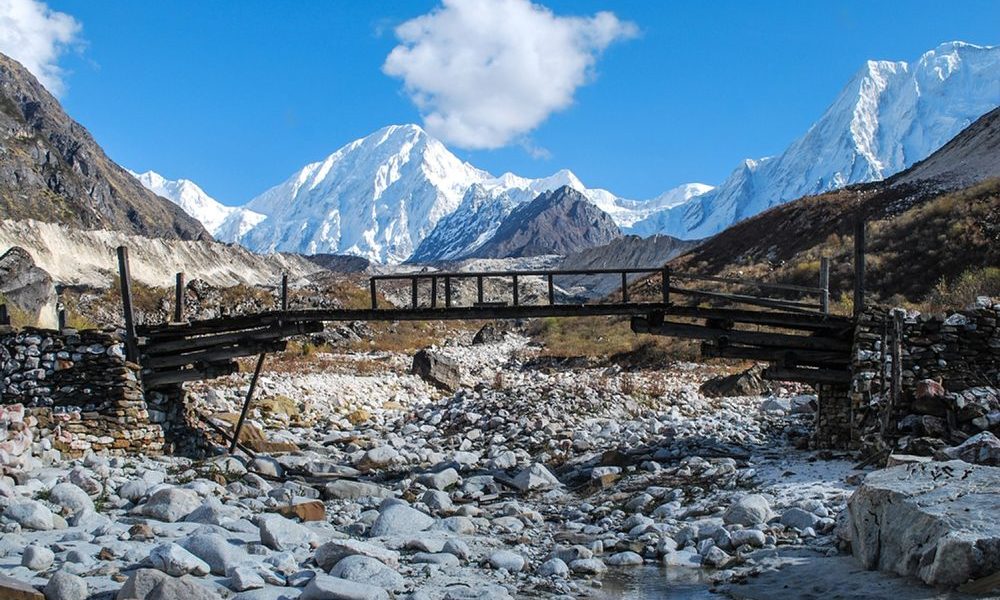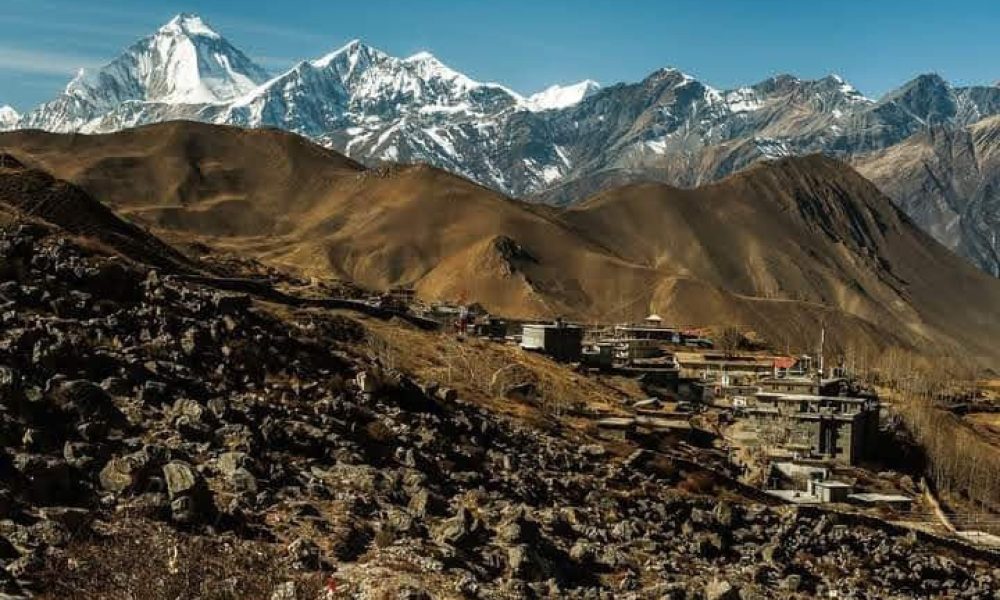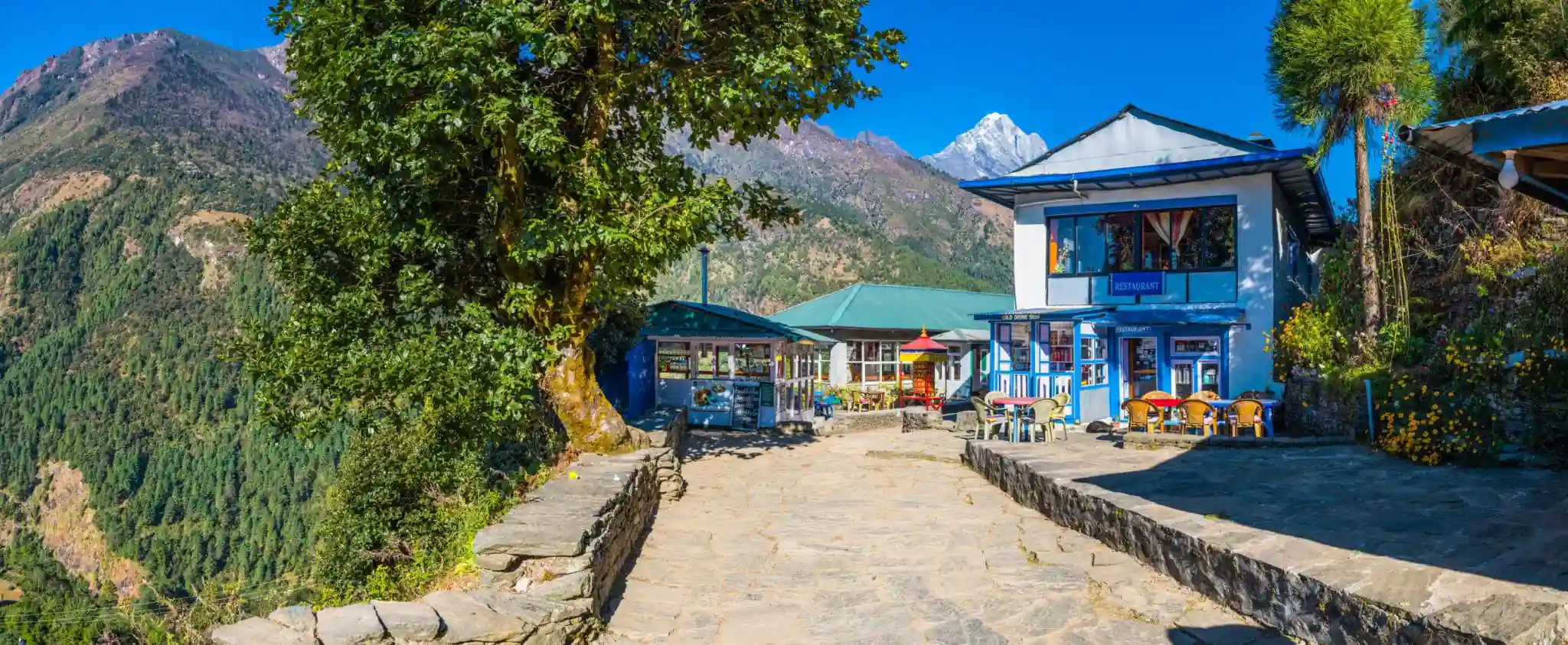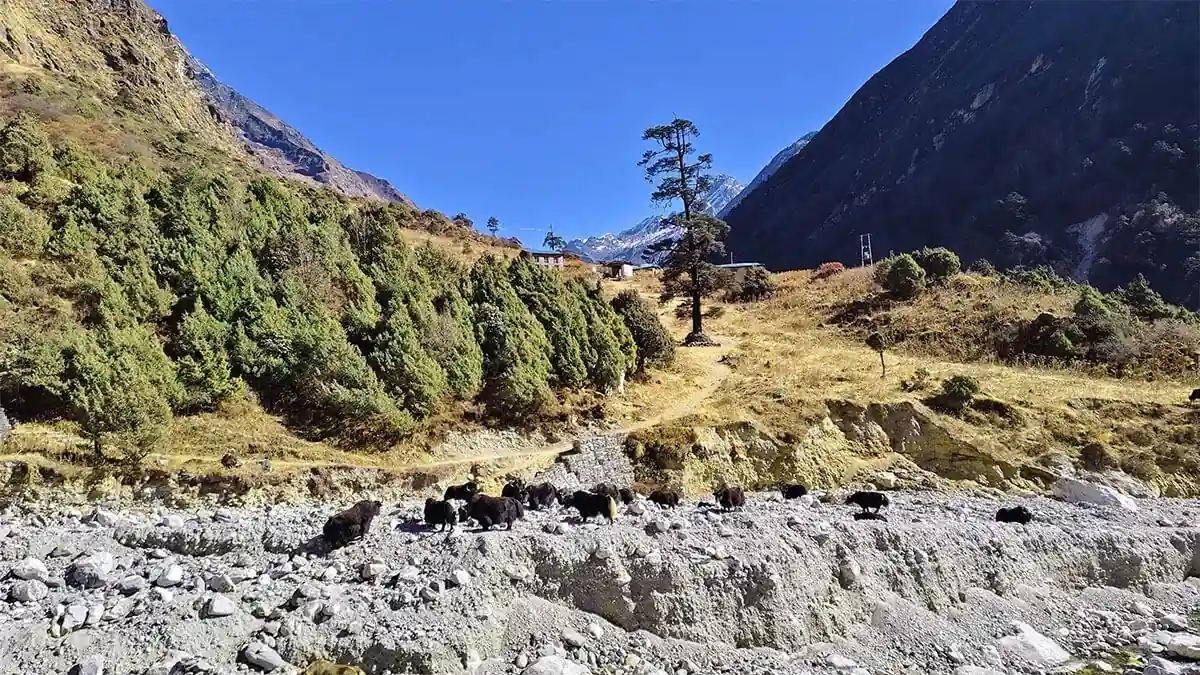
The Rolwaling Valley Trek is a cool adventure in Nepal. It is one of the remote and least explored treks. The Rolwaling Valley is located between the Everest and Langtang regions in Nepal. This valley is a Himalayan area with many tall snow-capped mountains, old glaciers, secret monasteries, lakes and traditional Sherpa villages. The Rolwaling Valley Trek is different from the Everest Base Camp or Annapurna Base Camp treks. It offers natural beauty, quiet trails and a genuine mountain culture.
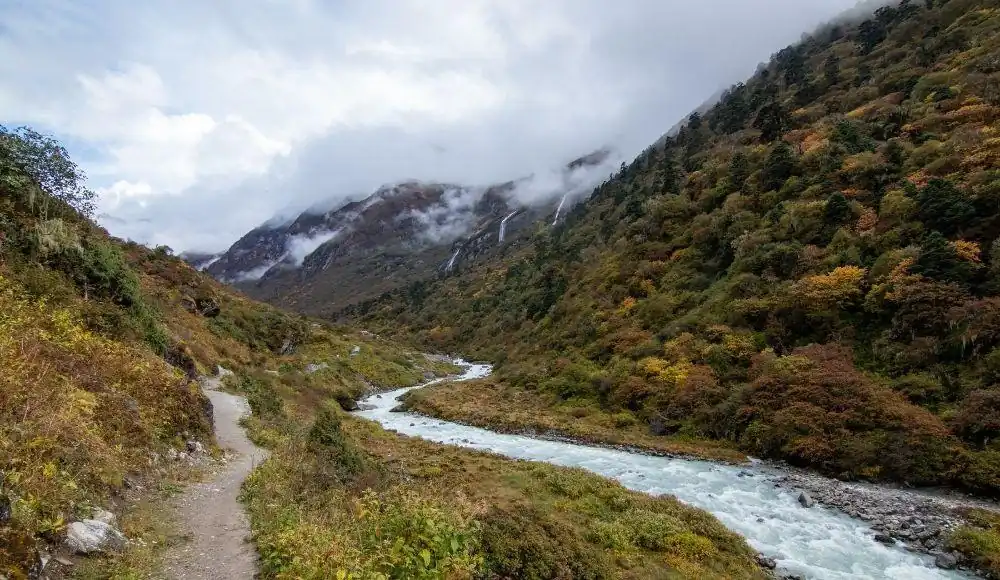
The Rolwaling Valley is under the Gaurishankar mountain. The Rolwaling River flows through the valley. Passes through thick forests, waterfalls, yak grazing areas and small villages like Beding and Na. During the Rolwaling Valley Trek you can see different landscapes. These range from hills to icy glaciers and high Himalayan terrain. Many trekkers do the Rolwaling Trek with the Tashi Lapcha Pass. The Tashi Lapcha Pass connects the Rolwaling Valley with the Khumbu Everest region. The Rolwaling Valley Trek is an option for those looking for a less crowded and more adventurous trek. The trek offers a chance to experience the beauty and culture of the Rolwaling Valley.
The Rolwaling Valley Trek is famous for its untouched beauty, spiritual atmosphere, and adventurous wilderness experience. It is considered one of Nepal’s hidden gems because very few trekkers visit the region each year compared to Everest or Annapurna.
1. Remote and Off-the-Beaten-Path Adventure: Rolwaling is ideal for trekkers seeking solitude and authentic Himalayan exploration. The trails remain peaceful, natural, and largely untouched by commercialization. Many parts of the route feel wild and isolated, creating a true expedition atmosphere.
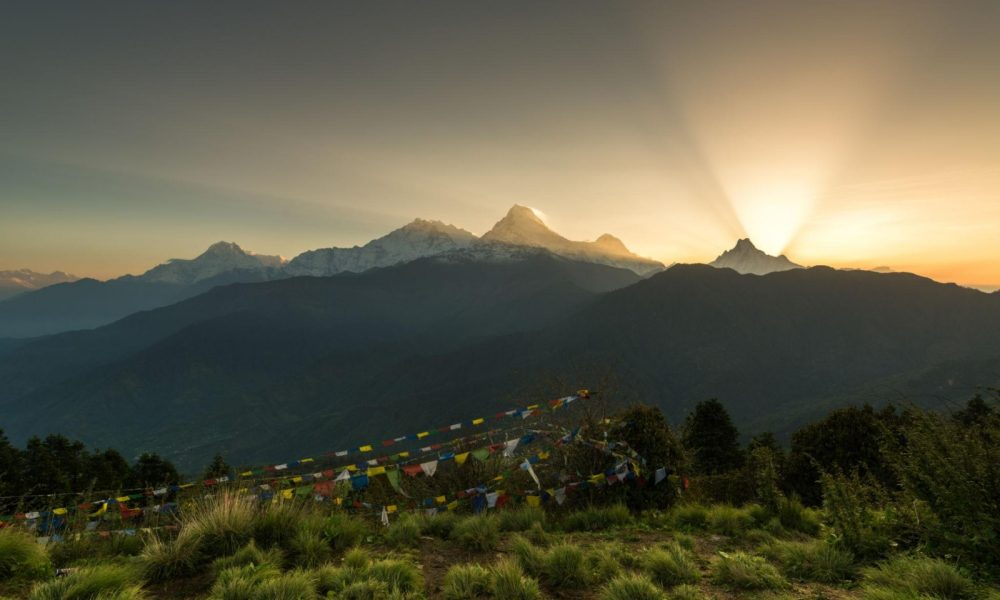
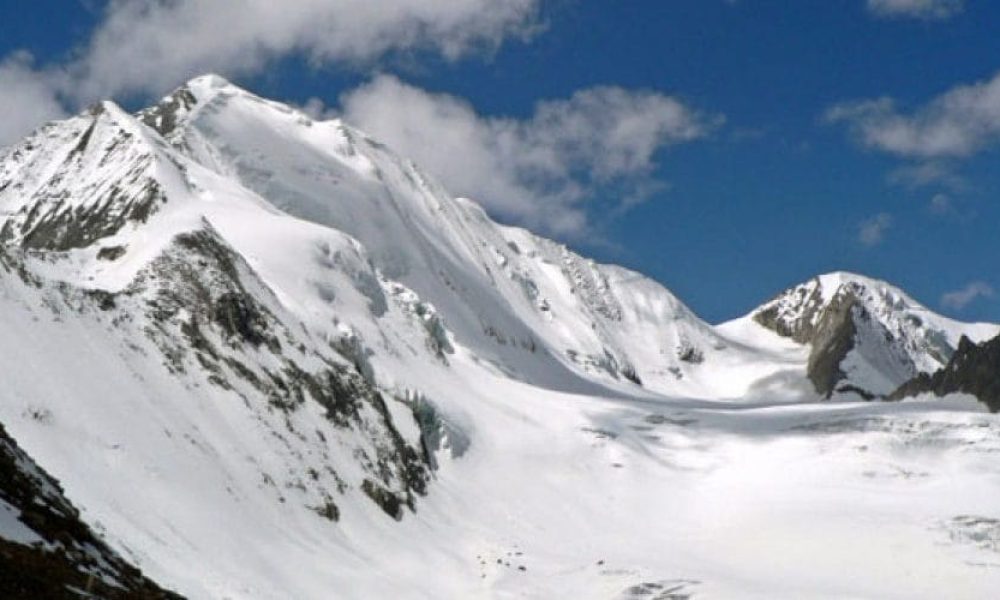
2. Spectacular Mountain Views: The trek offers breathtaking views of giant Himalayan peaks including:
The sunrise and sunset views over these snow-covered mountains are unforgettable.
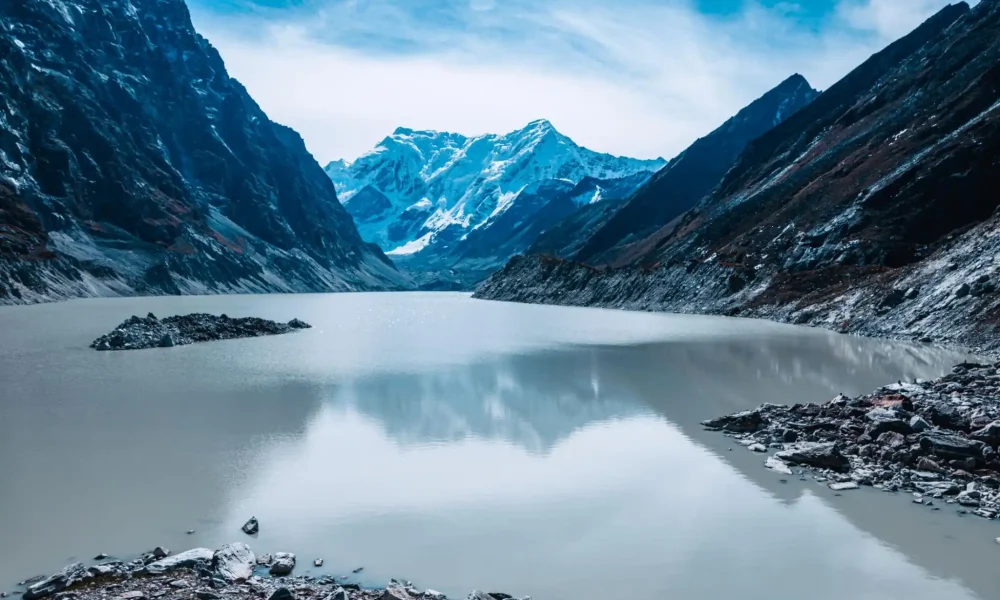
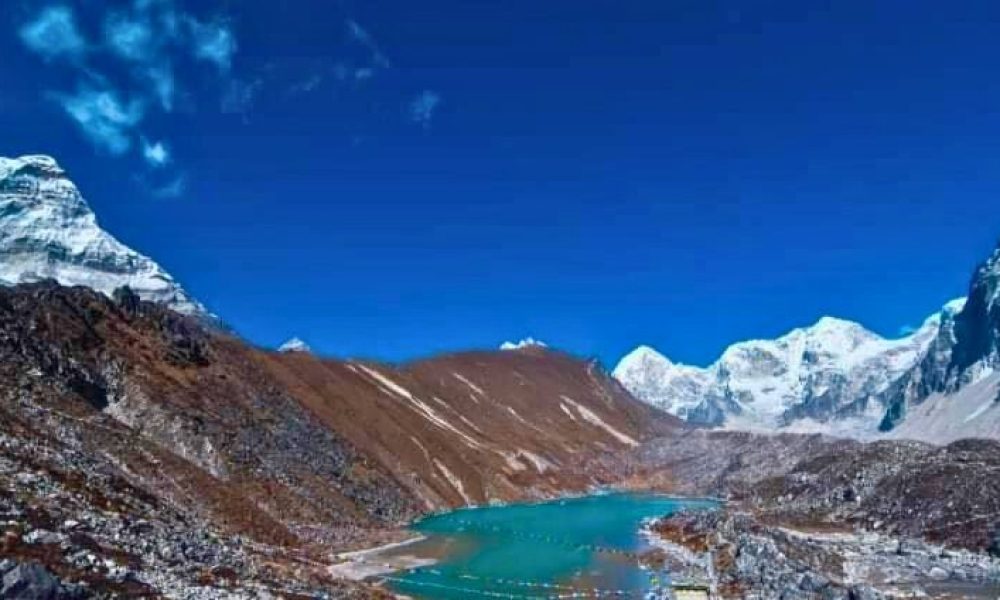
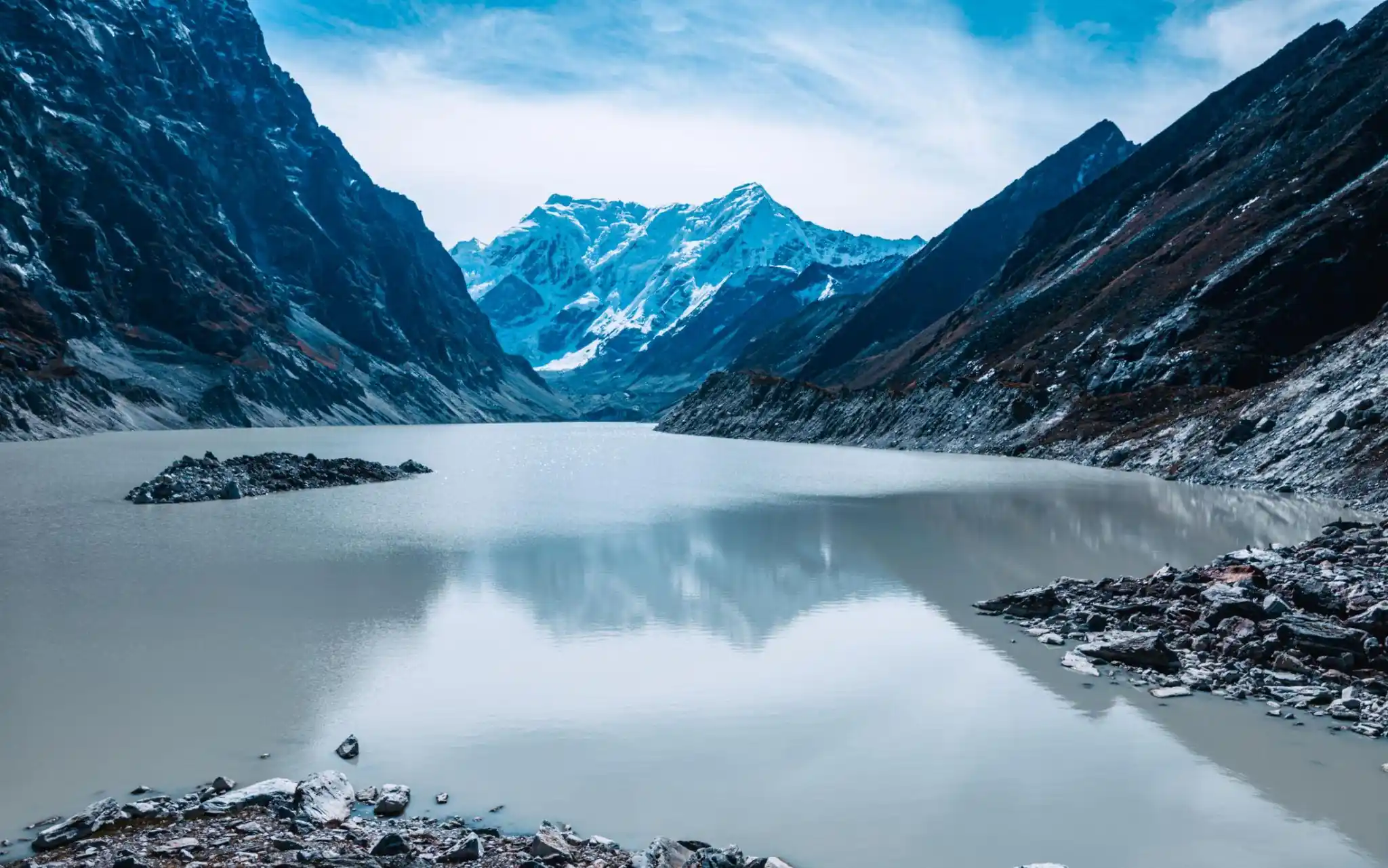
3. Tsho Rolpa Glacial Lake: One of the biggest highlights is the stunning Tsho Rolpa Lake, one of Nepal’s largest glacial lakes. Surrounded by glaciers and icy peaks, the turquoise lake creates one of the most dramatic Himalayan landscapes in Nepal.
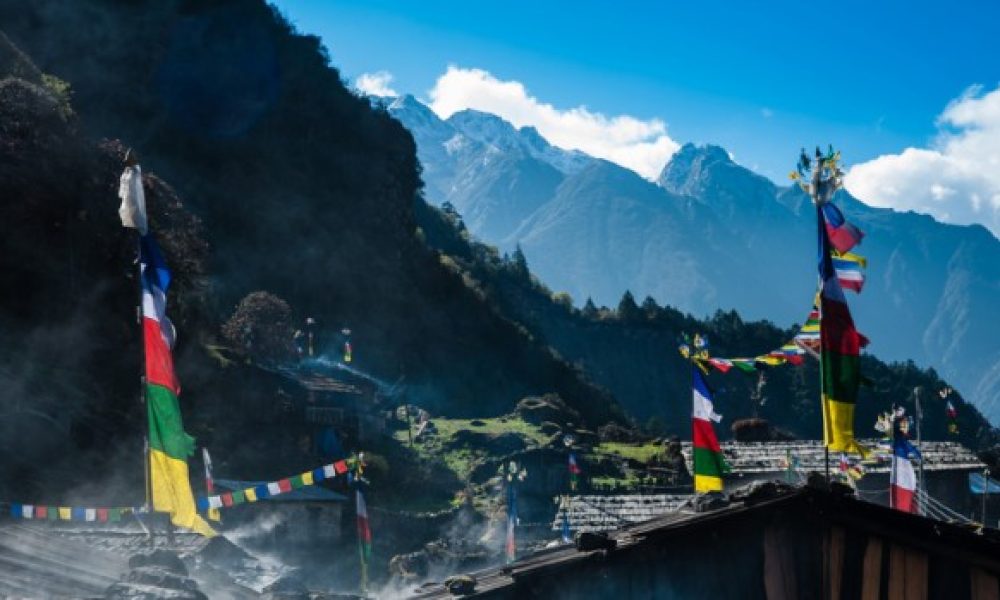
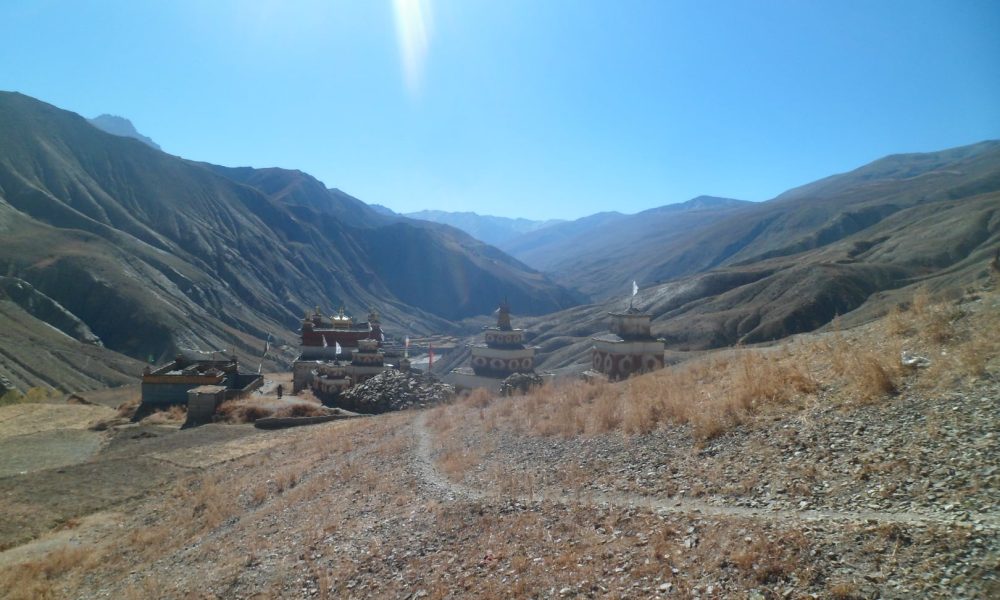
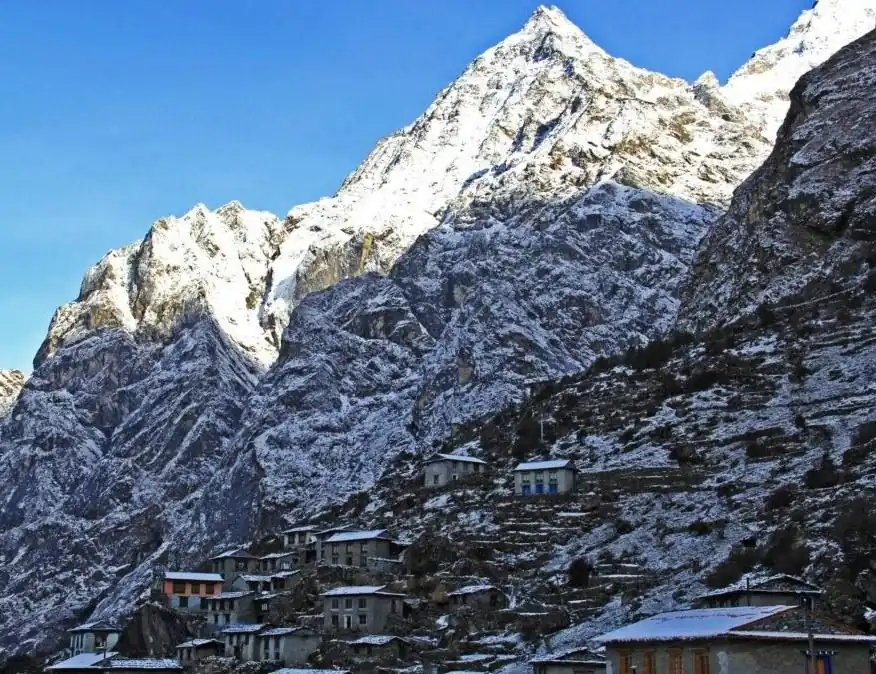
4. Rich Sherpa and Buddhist Culture: The Rolwaling Valley is deeply influenced by Tibetan Buddhism. Ancient monasteries, mani walls, prayer flags, chortens, and traditional stone villages create a spiritual atmosphere throughout the journey. The people of Rolwaling have preserved their traditions for centuries.
5. Yeti Legends and Mysticism: Rolwaling is often connected with stories of the legendary Yeti. Many local people believe the hidden valleys and glaciers are home to mysterious Himalayan creatures. This folklore adds a unique mystical identity to the trek.
The best seasons for the Rolwaling Valley Trek are:
Accommodation in Rolwaling is simpler than in commercial trekking regions like Everest or Annapurna. The route mainly offers traditional teahouses, local lodges, and homestays.
Teahouses and Lodges
Most villages provide basic mountain lodges with:
In remote villages like Beding and Na, accommodation can be very basic but warm and welcoming.
Camping Option: For trekkers crossing Tashi Lapcha Pass or visiting remote glaciers, camping may be necessary in higher areas.
Hospitality: The local Sherpa families are known for their kindness and hospitality. Staying in mountain villages allows trekkers to experience authentic Himalayan life and culture.
The food on the trek is simple, nutritious, and freshly prepared.
Common meals include:
Dal Bhat is the most popular meal because it provides energy for long trekking days. In higher villages, food variety becomes more limited because supplies must be carried by porters or yaks.
The Rolwaling Valley contains extraordinary biodiversity due to its changing elevations and isolated environment.
Forests and Vegetation
Lower regions are covered with:
Higher elevations feature:
During spring, the hills explode with colorful rhododendron flowers.
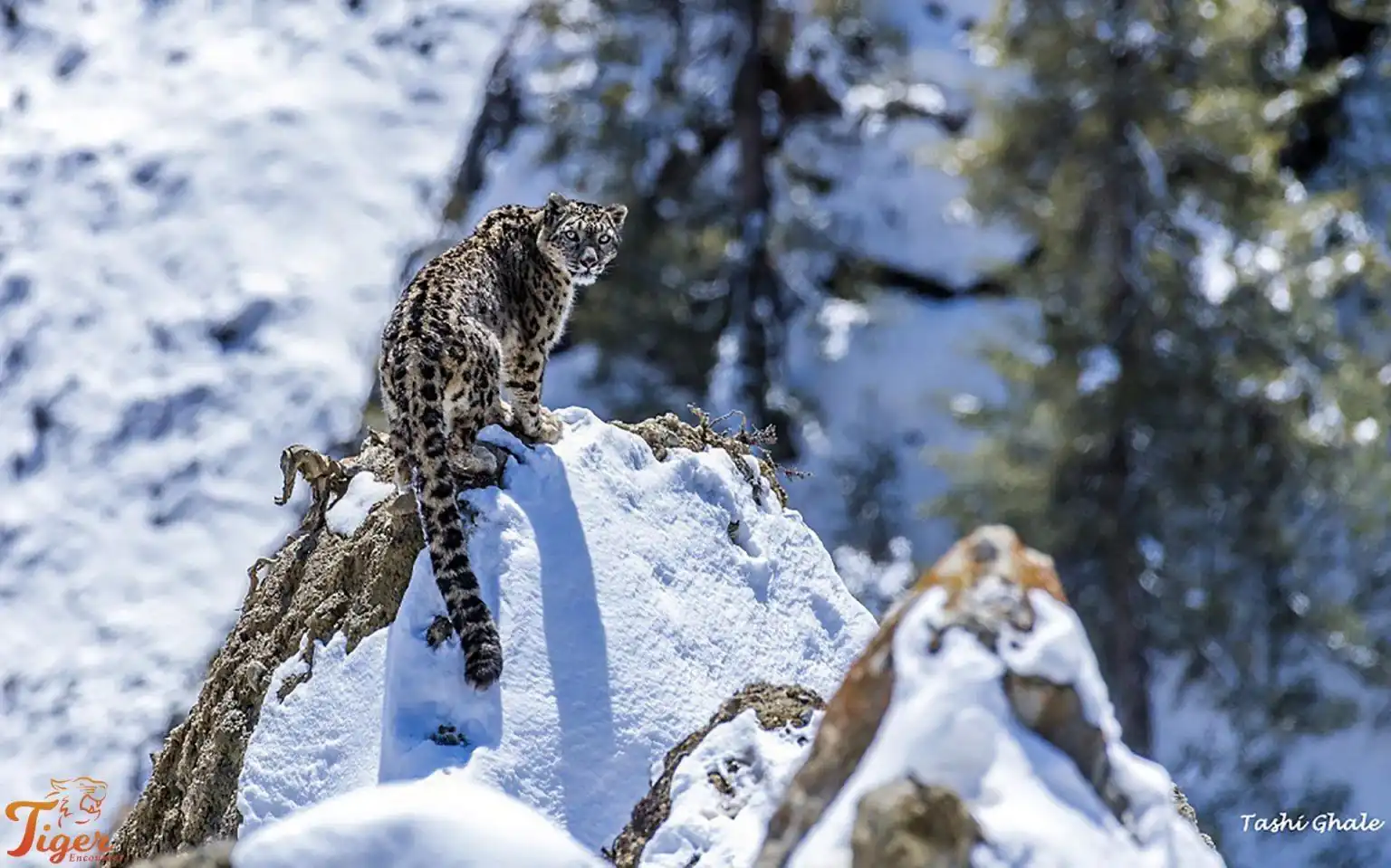
The isolated wilderness supports many rare Himalayan animals and birds. Wildlife found in the region includes:
Bird lovers can also spot:
The peaceful forests and remote alpine landscapes make Rolwaling a paradise for wildlife enthusiasts.
The Rolwaling Valley is home mainly to Sherpa and Tamang communities whose traditions are strongly connected to Tibetan Buddhism. Life in these mountain villages remains deeply traditional and spiritual.
Sherpa Culture:
The Sherpa people are famous worldwide for their mountaineering skills and mountain lifestyle. In Rolwaling, the Sherpa communities continue ancient customs including:
Villages are decorated with prayer flags, mani stones, chortens, and monasteries.
Buddhism and Spirituality:
The valley is considered sacred in both Buddhist and Hindu traditions. Many believe Rolwaling is a hidden spiritual valley blessed by Guru Padmasambhava.
Important religious sites include:
Traditional Lifestyle:
The people live simple Himalayan lifestyles heavily influenced by nature and seasonal migration. Agriculture, yak farming, and tourism are the main livelihoods.
Trekkers often describe the local hospitality as one of the most memorable parts of the journey because visitors are treated like family in many villages
Explore Nepal Trails, a representative will pick you up from the International airport to the hotel
You will drive from Kathmandu around 5:30 AM towards Dhulikhel and continue to Chhet-Chhet via Dolakha. The total distance from Kathmandu is around 180 km, usually taking 8-9 hours. From Chhet-Chhet, take the trekking trail on the right towards the suspension bridge. Just after crossing the bridge, the trekking trail begins a long and rapid zigzag ascent on the cemented stone steps and takes you to a small settlement called Simigaon. It usually takes 3 hours from Chhet Chhet to your lodge at Simigaon.
Today, we will be trekking from Simigaon to Dongang. The trail begins at the lodge and veers right, passing through the rhododendron forest. After half a kilometre, the trail climbs gently and drops down to the river bank, where you can see the suspension bridge that takes you to Riku village. Without crossing the bridge, continue on the right and continue your ascent to Surmuche, where you will stop for lunch. The trial is mostly zigzagged, wired stone steps. After a couple of uphill climbs, you will reach Kyalche, where only one lodge exists. From Kyalche, walk straight and descend to the village of Dongang, just beside Rolwaling Khola. Again there are only two lodges available here!
Today’s trek will take you through the Rolwaling Valley, home to some of the most beautiful scenery in Nepal. You’ll start in Dongang at the confluence of two rivers: the Rolwaling Khola and the Tsho Rolpa. From there, you’ll head upriver until you reach Thangdingma, where you’ll stop for lunch at a teahouse. After lunch, your trek takes you further upriver, past Nyamare village, which was destroyed by an earthquake in 2015. The trail then follows a gentle climb from Nyamare to Changmi Kha Gateway, where you’ll see giant trees that used to be part of a canopy forest before it was destroyed by logging. From Changmi Kha Gateway, it’s just about 45 minutes until you reach Beding.
Today we will retrace the trail toward Nyamare until you see the giant tree in the area and a Kani gateway. From there, take the narrow trail on the right towards the right side of the waterfall. Then, climbing sharply above the waterfall, follow the River towards the corner of the mountain where the Dolma Khang BC is located. The hike is about 6.83 km, taking 5-6 hours from Beding to Dolma Khang, BC, and back to Beding.
You’ll be hiking to Naa village from Beding, which will take about 3-4 hours and will have countless gentle switchbacks on the left side of a roaring Rolwaling Khola (also known as River) flowing from Cho-Rolpa Lake. Along the way, you’ll encounter prayer flags surrounding what is said to be the most significant rock in Rolwaling. And if you look uphill to your left, you’ll see a painting of Guru Rimpoche painted on that rock.
The day hike of today will be an adventurous and tiring hike that will take between 5 and 6 hours to discover the splendor of Rolwaling Valley. This hike is the best part of the trek when we visit two renowned lakes, The holy Lake Omi Tso (milk lake) and the famous glacier Lake Tso Rolpa. After breakfast in the lodge, we’ll take a packed lunch from the lodge and head out to these magnificent lakes. We will be able to see not only the lakes but also the beauty of the Himalayas and enjoy an air of freshness and mountain breeze. Holy Lake Omi Tso is a sacred spot for locals, and the globally renowned glacier lake Tso Rolpa is a popular tourist spot. There will be ample time to visit these beautiful lakes, snap photos, and take our lunch somewhere in the wilderness. The day’s hike will be unforgettable, and we’ll return to the lodge at night with lasting images of this beautiful valley.
Today we will be trekking from Beding to Dongang (2800m). Today is more extended than usual regarding distance covered, but the trekking is easy downhill along the Rolwaling Khola. After a couple of leisurely hours, we reach Beding and continue for another 2-3 kilometres. We pass through several hamlets and isolated farms along the way. The route stays on the north side of the river until just before Thangdingma, when it crosses to the south side. We may stop for lunch at Thangdingma before returning to complete our day’s walk to Dongang.
We begin by skirting above the Rolwaling Khola, passing the isolated lodge at Kalche, and descending via several long sections of stone steps towards Simigaon.
From Simigaon, we descend to the bridge over the Tama Kosi River and cross it. Then, we continue to Chetchet, where we’ll board our vehicle for our 8-hour journey back to Kathmandu. We arrive in Kathmandu by late afternoon.
Today is an extra day on the program, allowing you to explore the vibrant city of Kathmandu. We offer both individual and group sightseeing tours upon request. There are many popular places to visit, including the Pashupatinath Temple, Boudhanath Stupa, Swayambhunath Stupa, Kathmandu Durbar Square, Patan Durbar Square, and Bhaktapur Durbar Square. Each of these locations offers a unique insight into Nepal’s rich cultural and religious history.
At the end of your program, we will arrange for transportation to the airport, and your guide will go to see you off. Flight check-in times vary based on the airline but are typically three hours before flight time.
The Rolwaling Valley is located in eastern Nepal between the Everest and Langtang regions in the Dolakha district
The trek is considered moderate to challenging due to its remote trails, long walking hours, and high-altitude terrain.
The standard Rolwaling Valley Trek usually takes around 12 days including arrival and departure in Kathmandu.
The trek reaches around 4,199 meters at Na Gaon and nearby hiking areas like Tsho Rolpa Lake.
The trek is suitable for physically fit trekkers with some hiking experience. Beginners should prepare properly before the trek.
Spring (March to May) and Autumn (September to November) are the best seasons for trekking in Rolwaling Valley
Yes, but winter brings heavy snow and freezing temperatures, making the trek more difficult
Monsoon season is less recommended because of rainfall, slippery trails, and cloudy mountain views.
As, Rolwaling Valley lies in GSCA (Gaurishankar Conservation Area). We need GSCA(Gaurishankar Conservation Area Permit) and a Rolwaling Restricted Area Permit (Special permit) for the trek.
The trek begins with a drive from Kathmandu to Chhet-Chhet via Dolakha.
As it is a remote mountainous region, it includes traditional teahouses, mountain lodges, and local homestays with basic but comfortable facilities.
Accommodation in remote villages are simple and basic, but the hospitality is warm and welcoming.
Dal Bhat is the most popular meal because it provides enough energy for long trekking days, along with some local foods of that region.
There are no reviews yet. Be the first one to write one.

Explore Nepal Trails is your trusted partner for trekking, peak climbing, and mountaineering adventures in Nepal. From classic Himalayan treks to high-altitude expeditions and cultural journeys, we deliver safe, well-planned, and unforgettable travel experiences.
We Accept

Join our community of over 200,000 global readers who receive emails filled with news, promotions, and other good stuff.

WhatsApp us