Standing at 6,812 metres in Nepal’s Everest region, Ama Dablam is one of the most distinctive and technically demanding Himalayan peaks. The Ama Dablam Expedition combines high-altitude mountaineering with steep rock, snow and ice climbing, fixed-rope sections and exposed ridgelines. It is best suited to experienced climbers who have previously climbed above 6,000 metres and are confident using crampons, an ice axe, ascenders, descenders and other technical climbing equipment.
The Ama Dablam Expedition in Nepal follows a carefully planned acclimatisation programme through the Khumbu region. The journey includes preparation in Kathmandu, trekking through Sagarmatha National Park, acclimatisation at Namche Bazaar, and an Island Peak climb before the main Ama Dablam summit attempt. A dedicated climbing period provides time for technical training, load carries, camp rotations, rest, weather monitoring and the summit push.
Explore Nepal Trails provides support from an experienced expedition leader and certified Sherpa guides throughout the journey. The package includes climbing permits, domestic flights, trekking accommodation, meals during the trekking and climbing period, porter support, group climbing equipment, Base Camp services and emergency oxygen for group use. With a well-paced itinerary and contingency days, the expedition is designed to give qualified climbers the preparation and support required for a safe and organised summit attempt.
Climb one of the most beautiful peaks in the world
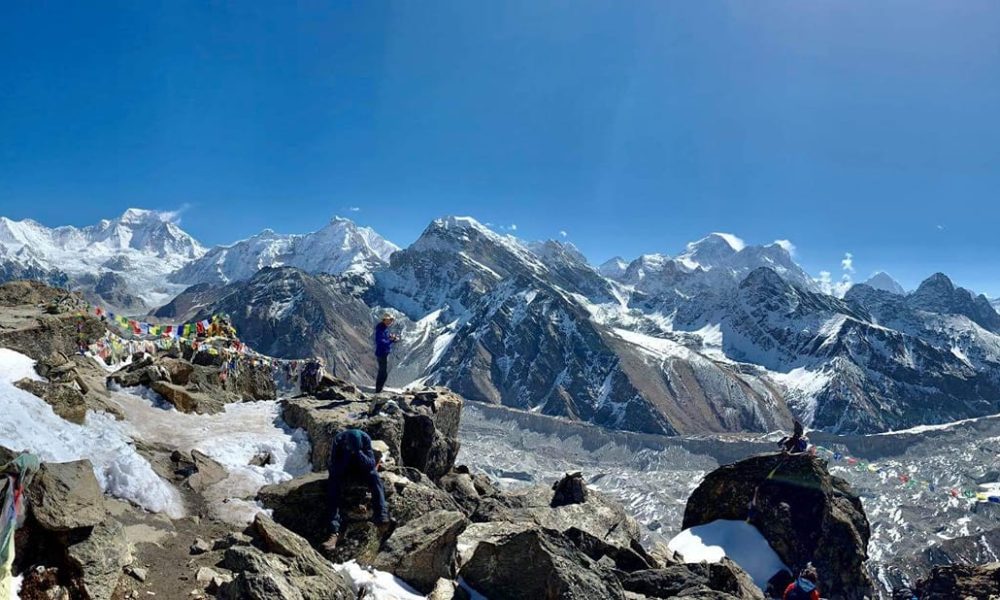
Spectacular views of Everest, Lhotse, Makalu, and Cho Oyu
Technical alpine climbing on exposed ridges
Professional expedition leader and Sherpa support
Acclimatization climb of Island Peak
Traditional Sherpa Puja ceremony
Small-group, high-success expedition approach
UNESCO-listed Sagarmatha National Park trek
Upon arrival in Kathmandu, our team welcomes you and transfers you to your hotel. The day is for rest and recovery after your international journey.
A full day dedicated to gear inspection, final logistics, and an in-depth briefing with the expedition leader. Any missing equipment can be rented or purchased in Kathmandu.
A scenic mountain flight takes you to Lukla, followed by a trek through villages and forests to Monjo, entering Sagarmatha National Park.
Cross suspension bridges along the Dudh Koshi River and climb steadily to Namche Bazaar, the main trading hub of the Khumbu region.
A crucial acclimatization day with short hikes and preparation. Optional walks offer views of Everest, Lhotse, and Ama Dablam.
A less-crowded high trail leads to Phortse village, offering magnificent views of Ama Dablam and surrounding peaks.
Descend through forests and climb to Tengboche, home to the famous monastery, with dramatic Himalayan panoramas.
The trail ascends the Imja Valley, passing alpine landscapes and glaciers before reaching Chukung.
Trek to Island Peak Base Camp for further acclimatization and high-altitude exposure.
A demanding summit day used as part of acclimatization and technical training before Ama Dablam. Return to Chukung after summit success.
Descend to Pangboche, a traditional Sherpa village close to Ama Dablam Base Camp.
Move to Ama Dablam Base Camp. These days include:
Puja ceremony
Technical training
Load carries and acclimatization rotations
Climbing via Camp 1, Camp 2, and possibly Camp 3
Summit push based on weather and conditions
Contingency and rest days
After the expedition, descend safely back to Namche Bazaar.
Final trekking day through Sherpa villages to Lukla.
Morning flight followed by a scenic drive back to Kathmandu.
After breakfast, our representative will transfer you to Tribhuvan International Airport according to your international flight schedule. Your Ama Dablam Expedition concludes with unforgettable memories of climbing in Nepal’s Everest region.
Hotel accommodation in Kathmandu (B&B basis)
Domestic flights (Kathmandu/Ramechhap–Lukla–return)
Trekking permits & national park fees
Ama Dablam climbing permit
Expedition leader and certified Sherpa guides
High-altitude climbing Sherpa (as per ratio)
All meals during trekking and climbing period
Group climbing equipment (ropes, tents, ladders, fixed lines)
Base Camp services (kitchen, cook, dining tent)
Medical kit & emergency oxygen (group use)
Porter support during trek
Island Peak climb (permit & logistics)
International airfare
Nepal visa fee
Personal climbing gear
Travel & rescue insurance
Personal oxygen use (if required)
Summit bonus for Sherpa staff
Extra nights in Kathmandu
Personal expenses (laundry, phone, Wi-Fi, tips)
The standard Ama Dablam climbing route follows the Southwest Ridge. After completing the acclimatisation programme, climbers establish themselves at Ama Dablam Base Camp and begin rotations through the higher camps.
The route begins across moraine and rocky terrain before ascending towards Camp I. Climbers use this rotation to become familiar with the route, equipment and higher-altitude conditions.
This section becomes increasingly technical, involving exposed rock climbing, fixed ropes and the well-known Yellow Tower. Climbers must be comfortable using ascenders, descenders and safety systems on steep terrain.
The Ama Dablam Expedition is a highly challenging and technical climb and is not suitable for beginners. The route involves steep rock, snow and ice climbing, fixed-rope ascents, exposed ridges, rappelling and demanding high-altitude conditions.
Climbers should have previous experience above 6,000 metres and be confident using crampons, an ice axe, ascenders, descenders, harnesses and fixed-rope systems. Strong physical fitness, mental resilience and the ability to climb safely in cold and exposed conditions are essential.
Above Camp II, the route continues through mixed rock, ice and snow terrain. The final summit push depends on acclimatisation, weather, route conditions and the expedition leader’s safety assessment.
After reaching the summit, climbers descend carefully through the same technical sections to the lower camps and eventually return to Base Camp.
Only publish camp arrangements and route details that match the company’s actual expedition operations.
Alcoholic and soft drinks
Emergency evacuation costs
The Ama Dablam Expedition costs USD 8,455 per person based on the services listed in the package. The price includes domestic flights, climbing and trekking permits, trekking accommodation, meals during the trekking and expedition period, Base Camp services, an expedition leader, Sherpa support, porter services and group climbing equipment.
The final cost may vary depending on the group size, departure date, additional Sherpa support, personal oxygen requirements, hotel upgrades and customised services. Contact our expedition team for an updated quotation and available departure dates.
Ama Dablam is considered a highly technical and challenging expedition, requiring strong mountaineering skills, previous 6,000m+ experience, and excellent fitness.
Ama Dablam stands at 6,812 meters, making it one of Nepal’s most iconic technical peaks.
No. Ama Dablam requires previous technical mountaineering and high-altitude climbing experience.
Most expeditions use the Southwest Ridge, which includes technical rock, snow and ice sections and exposed fixed-rope climbing.
The complete itinerary takes approximately 26 days, including arrival, preparation, trekking, acclimatisation, the Island Peak climb, Ama Dablam climbing days and departure.
Yes. Climbers require an Ama Dablam climbing permit, Sagarmatha National Park permit, and TIMS card.
Most climbers do not use supplemental oxygen, but it can be arranged upon request.
Success depends on weather, fitness, acclimatization, and conditions. Our itinerary includes ample acclimatization and contingency days to maximize success.
Climbers should have comprehensive insurance covering high-altitude mountaineering, emergency helicopter evacuation, medical treatment and trip cancellation.
The best seasons are spring (April–May) and autumn (September–October).
While popular, it is less crowded than Everest, and strict permit controls limit numbers.
There are no reviews yet. Be the first one to write one.

Explore Nepal Trails is your trusted partner for trekking, peak climbing, and mountaineering adventures in Nepal. From classic Himalayan treks to high-altitude expeditions and cultural journeys, we deliver safe, well-planned, and unforgettable travel experiences.
We Accept

Join our community of over 200,000 global readers who receive emails filled with news, promotions, and other good stuff.

WhatsApp us