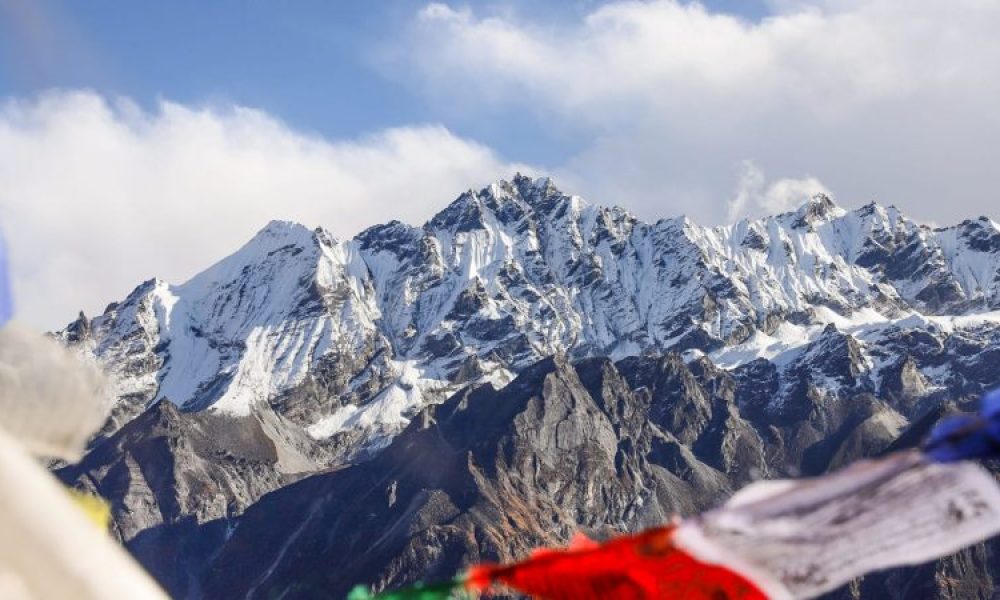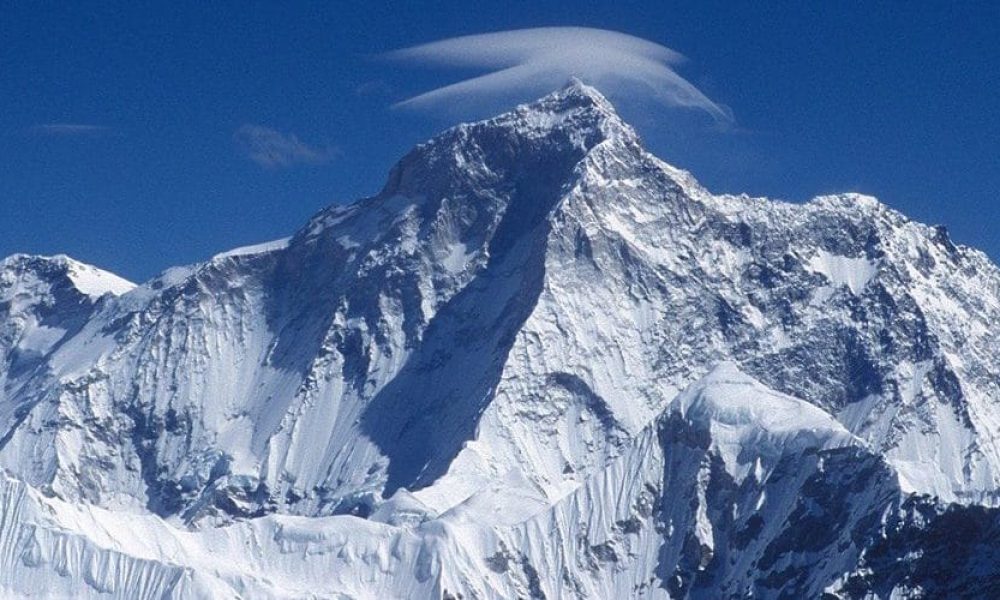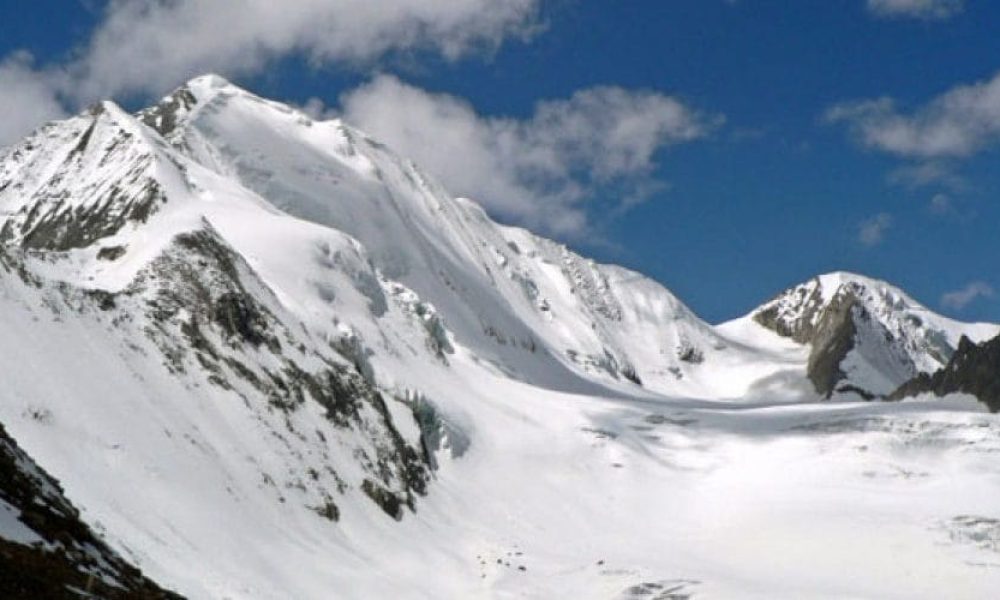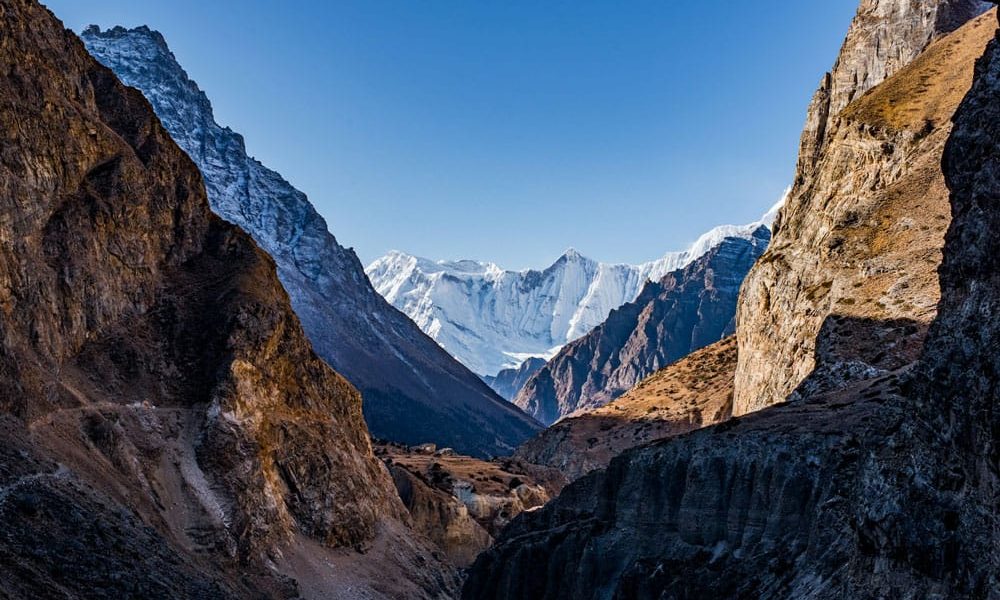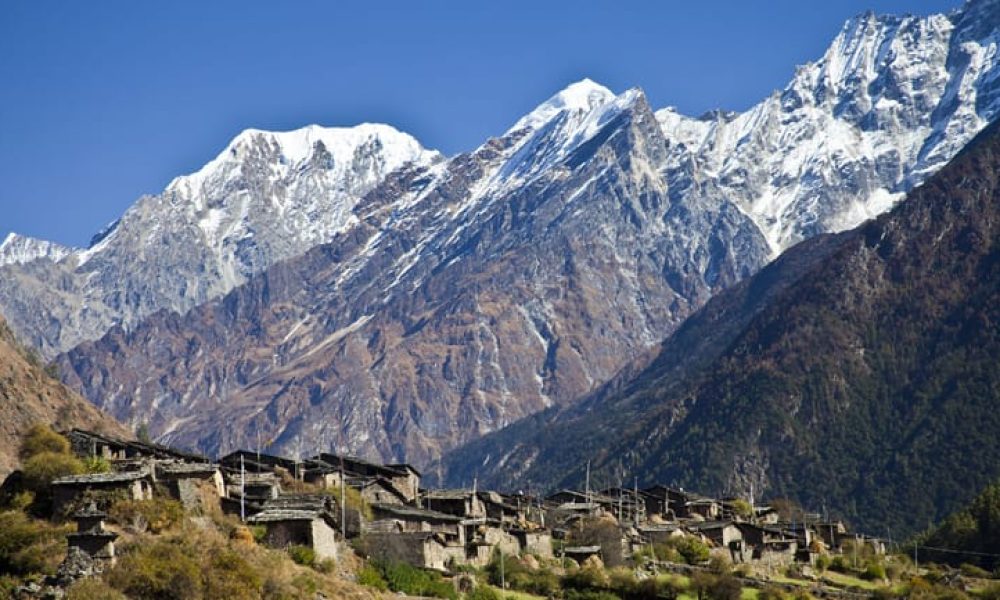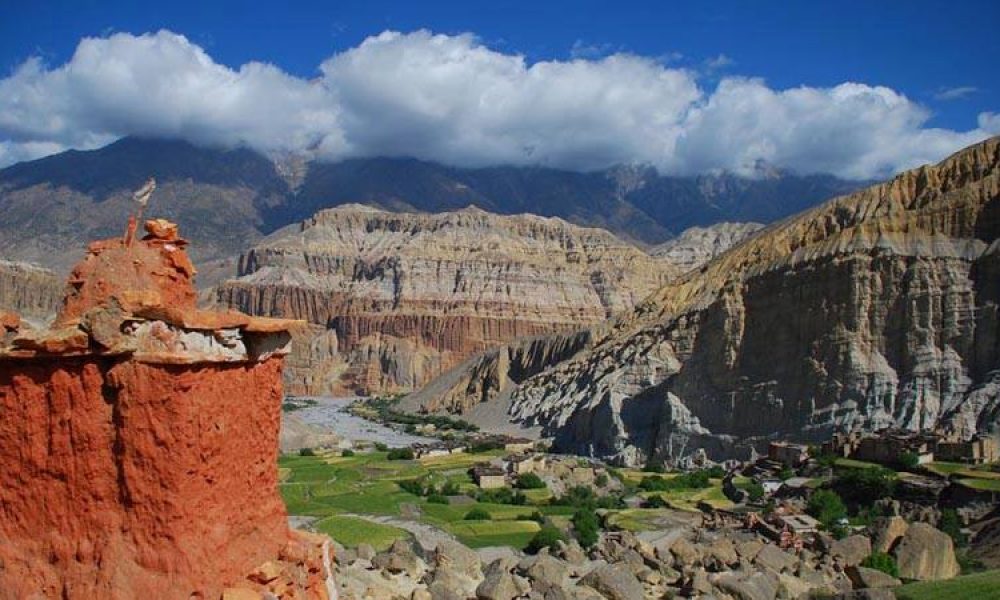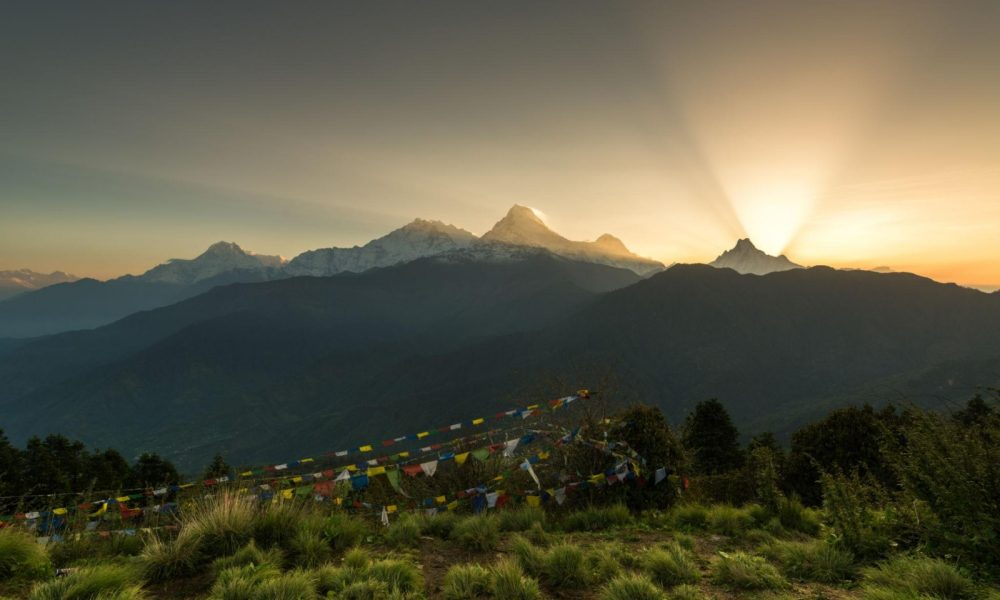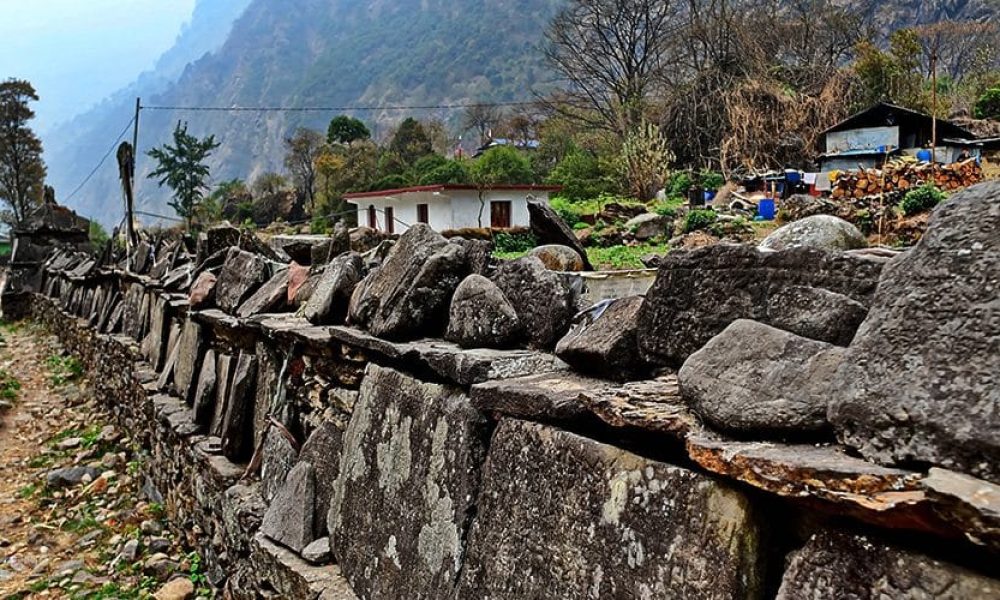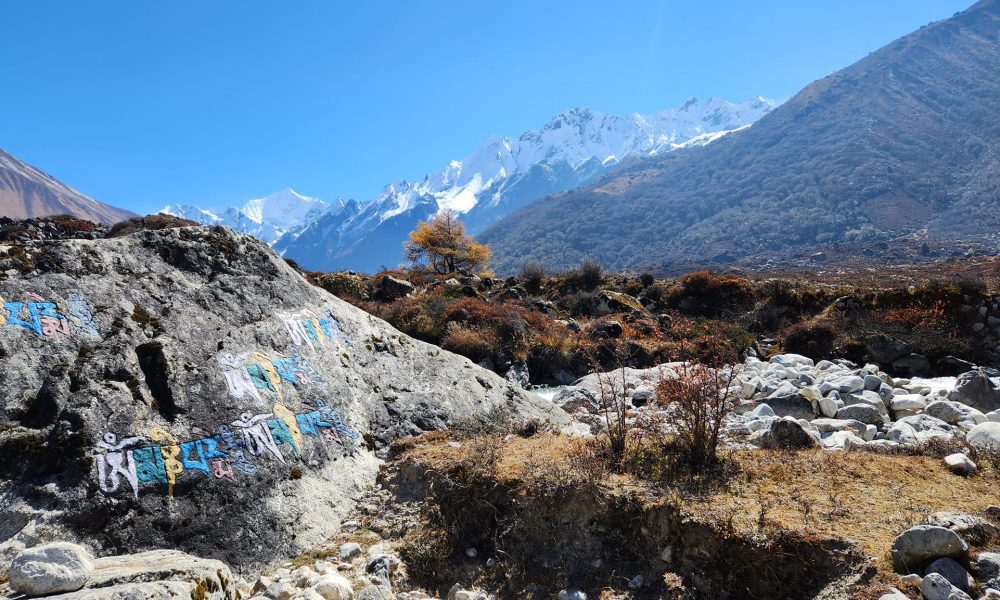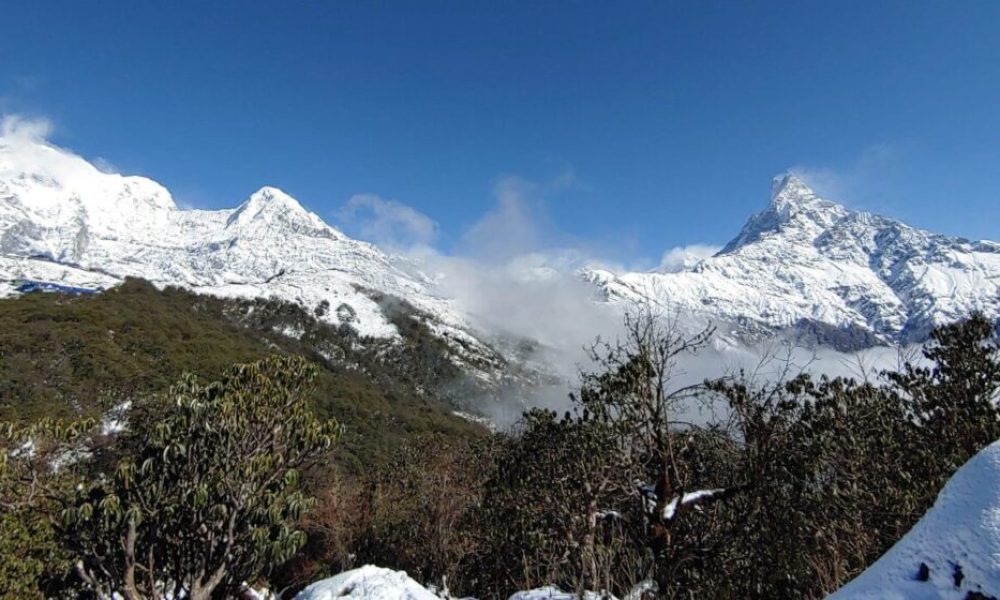
Everest Base Camp with Lobuche Peak Climbing is the ultimate Himalayan adventure, combining high-altitude trekking and alpine climbing in one unforgettable 19-day journey. This epic expedition takes you to the iconic Everest Base Camp at 5,364 meters, the stunning viewpoint of Kala Patthar at 5,643 meters, and onward to the summit of Lobuche East at 6,145 meters. Ideal for seasoned trekkers and aspiring climbers, this route offers the perfect mix of physical challenge, breathtaking scenery, and rich cultural experiences in the heart of the Everest region.
Upon our arrival at the Tribhuwan International Airport (TIA) in Kathmandu, a representative from Explore Nepal Trails will pick us up and take us to our hotel. After checking in, our trip preparation and also met our crew. In the evening, there will be a welcome dinner where we will be able to enjoy authentic Nepali cuisine which will introduce us to the Nepalese food culture. Overnight in Kathmandu.
Today we will have a short meeting, which will familiarize us with the entire trip. Today we also get to know our climbing leader as well as fellow climbers. The climbing leader will check our equipment(s) to make sure for one last time to get us ready for our adventure. This step will also ensure that if any equipment is found faulty, we have the rest of the day to fix it or find an equipment that works.. We can spend the rest of the day in leisure. Overnight in Kathmandu.
After breakfast, we will be taken to the domestic terminal of TIA for an early morning flight to Lukla. After flying above the breathtaking green and white mountains, we reach Tenzing-Hillary Airport at Lukla. This is one of the most beautiful air routes in the world culminating in a landing on a hillside surrounded by high mountains. Upon our arrival at Lukla, we meet our other crew members and after some packing and arrangements, we start our trek through the prosperous village of Lukla until we reach Phakding. To assist in acclimatization, we only have a short hike today. However, if interested in additional activities, we can take a side trip to a nearby monastery. Overnight in Phakding.
After breakfast, we walk through beautiful pine forests and then along the Dudh Koshi River, ending our nature-filled journey at Namche Bazaar. After walking for almost over an hour, we come across the glistening Mt. Thamserku (6,608m) on our right and also experience the serenity of pine, fir and juniper forests throughout our journey. If the weather is clear, we may even catch a glimpse of Mt. Everest peering over the Lhotse-Nuptse ridge. We continue walking until we reach the entrance to Sagarmatha National Park, Namche Bazaar, the gateway to Mt. Everest and main trading centre of this region. On that day we cross five suspension bridges, the last one also known as the Hillary Bridge being the highest. It is an uphill walk from Hillary Bridge to Namche Bazaar. Overnight in Namche Bazaar
This is the day set aside for acclimatization. Health experts recommend that we stay active and move around even during the rest day instead of being idle. There are a few options set aside for this day. We can either stroll around Namche’s quaint villages or come in contact with the Sherpa people and their rich culture, or we can hike up to the Everest View Hotel and enjoy an up-close view of the mighty Everest.
While in the Namche village or upon returning from the hike to the Everest View Hotel, trekkers may also visit the local museum containing exhibits displaying the area’s native flora and fauna as well as the history of the Mount Everest region.
For trekkers who want to hike for a little longer, a hike to Khumjung village (5-6 hours) may also be an option. While in the village we can visit the Edmund Hillary School and Khumjung Monastery (a monastery famous for housing the head of the Yeti!). Overnight in Namche Bazaar.
After breakfast, we trek towards Tengboche. It is an easy walk from Namche to Phunki. Upon reaching Phunki, we ascend towards Tengboche, a village that houses the very famous Tengboche monastery which is the largest monastery of the Everest region.
Located amidst the Sagarmatha National Park (a UNESCO World Heritage Site of “outstanding universal value”), it is draped with the panoramic 360-degree view of the Himalayas, including Mt. Everest, Nuptse, Lhotse, Ama Dablam and Thamserku. The monastery opens at 3pm so we reach it by three. And, if we are lucky, we might just be able to witness a religious ceremony. Overnight in Tengboche.
We visit the beautiful Tengboche Monastery in the morning and take pictures of the amazing landscape surrounding it. Then we begin our trek by walking through lush forests of birch, conifers and rhododendrons on an easy path. This picturesque trail then dips down to Debuche, crossing the Imja River before climbing up to Pangboche. (We can either walk in the upper or lower Pangboche trails).
We are most likely to choose the upper Pangboche trail as it provides a more pristine view of the Himalayas. We also visit the Pangboche monastery. From here, the walk is fairly moderate as we enter the Imja Valley. The valley gradually unfolds as we approach the confluence of the Lobuche River. We descend into the river and begin the climb up to Dingboche. Overnight in Dingboche.
After breakfast we begin today’s hike to Chhukung by walking through stone-walled fields, Imja Khola valley before walking in glacier moraines. On our walk, we will be surrounded by Lhotse and Ama Dablam mountains. Later, beyond Bibre village we see Island Peak soaring above us. The trail ahead is intersected by icy streams. We reach Chhukung, a small settlement in about half an hour from Bibre. From here, directly across the valley is the fantastic Ama Dablam and the Amphu Labsa mountains.
After having lunch in Chhukung, our climbing leader will check our items of equipment in order to make sure that they are in a good working condition. If not, we may have to hire another set of equipment. In that case, the climbing leader will help us find the best pieces. Chhukung is the best place for hiring equipment for Peak climbing. After sorting it out, we descend to Dingboche to spend the night.
We start the day for Lobuche Peak Climbing with a gradual climb to Duglha at the end of the terminal moraine of the Khumbu Glacier. From here, we climb up a steep trail to Chupki Lhara, where we find an array of stones with prayer flags used as memorials to Scott Fischer (American mountaineer) and 10-time Everest submitter Babu Chiri Sherpa (Nepali mountain guide) who perished on a mission to climb Everest.
Next, we continue to the Khumbu Glacier moraine and face several great peaks, Khumbutse, Lingtren, Pumori, and Mahalangur Himal. The trail then eases off as we follow the valley to Lobuche. Overnight in Lobuche.
We take the trail to Everest Base Camp with Lobuche Peak Climbing through the once vast Gorak Shep Lake. Continuing straight ahead, we come across the Indian army mountaineers’ memorials. The path from here can be misleading; hence it is important that we follow our lead Sherpa diligently.
The walk is strenuous due to thin air in the high altitude. We pass through rocky dunes, moraine and streams before reaching the Everest Base Camp. Upon reaching the Everest Base Camp, we see tents of mountaineers that stand out in bright colors against the monotony of gray surroundings (especially in the spring). Nuptse, Khumbuste and Pumori are the mountains we can view from the base camp. We get back to Gorak Shep for a good night’s rest. Overnight in Gorak Shep.
We prepare for an early morning departure, amid pre-dawn darkness and cold temperatures (-10 to -14 C). Plus, there is always the potential for chilly winds which are quite common. Familiar peaks such as Lingtren, Khumbutse, and Changtse tower to the east even as Everest begins to reveal itself.
But, it is upon reaching Kala Patthar that we get to see 360-degree up-close and formidable views of Mt. Everest. We take pictures, enjoy the magnificent mountain panorama, and then return back to Lobuche for a good night’s rest. Overnight in Lobuche.
From Lobuche, we trek towards Lobuche base camp. After walking some distance on relatively flatter plane, the path to the Lobuche Base Camp gets steeper and rocky. We move forward along the Lobuche Glacier while enjoying great views of Ama Dablam, Cholatse, Pokalde, Thamserku, Kantega and other Himalayas. From the base camp, we continue on a rocky moraine path to reach the High Camp.
After reaching there, we set up our camp, take lunch and rest. For the climb, we usually will be climbing on rock surface for up to around 5770m. After that, we climb on ice and use ropes when necessary. However, the use of the rope and the length depends upon the season and the crevasses. Fixed rope is used most of the times whereas man rope is used when required. The climbing leaders will decide what is best for when. Overnight in Lobuche East High Camp.
Pre-Climb Training: Our guides will provide training on peak climbing techniques and the proper ways of using climbing gears such as the ice axe, climbing boots and crampons, harness, ascender, etc. The training will also include using ropes to go up and down. We strongly believe that the training experience will boost your confidence and climbing skills to increase the chances of scaling the summit as well as to fully enjoy the experience.
We wake up early today at around 12 to 1 am and have our breakfast before beginning our climb. It is important we reach the summit before noon because in the afternoon the strong winds in the high lands might become a barrier for a successful summit. We will most likely be walking on rock surface up to around 5700m after which we climb on ice. We use both fixed rope and man rope as per our leader’s instruction.
The climbing surface as well as the length of the rope and depends on the time of the season and the crevasses. Lobuche East offers more panoramic views of the mountains than any other trekking peak. From the summit, you get to enjoy magnificent views of Everest, Lhotse, Nuptse, Ama Dablam, Cholatse, Pumori, and many more. We spend some time at the summit celebrating and taking pictures, then we get back to the High Camp again for an overnight stay.
This is an extra day set aside to manage any unintended hindrances like flight delays or bad weather for climbing. Setting aside an extra day will ensure that even if we were to face a day’s set back, the trip will continue thus guranteeing a successful climb.
After taking our morning breakfast, we trek downhill from Lobuche High Camp and join the Everest Base Camp route at Lobuche again. We take our lunch at Lobuche. From Lobuche we again retrace our path to Pheriche. On the way to Pheriche, we get to enjoy magnificent views of Mt. Ama Dablam in the distance.
From Pheriche, we continue to Pangboche. We trek down through the hillside blanketed by rhododendron and juniper trees. If it’s spring, pink and red rhododendron flowers ablaze our surroundings. Upon reaching Pangboche we may also consider visiting the famous Pangboche Monastery.
From Pangboche, we retrace our steps down to the Imja Khola and up through the forest to Tengboche. If interested, we can also visit nuns at the Tengboche monastery. After lunch at Tengboche, we continue through the hillside blanketed by rhododendron and juniper trees.
After crossing the bridge over the Dudh Koshi River, our trail follows the Dudh Koshi gorge, descending rapidly through the pine forests before reaching Sansa. We keep an eye out for wildlife such as mountain goats, snow leopards, and colourful pheasants as we pass through the forest. After passing a chorten, we reach the army camp at Namche Bazaar. Overnight in Namche Bazaar.
The trail descends steeply downward so we need to walk cautiously as our shaky legs continuously battle the rocky terrain. After crossing the suspension bridges over the fast flowing Dudh Koshi and its tributaries, the trail becomes more level and natural. After our arrival in Lukla, we stretch those sore legs and recall the experiences of the last couple of weeks. Overnight in Lukla.
We catch an early morning flight to Kathmandu after our long mountain journey. After reaching Kathmandu, we can take a rest or do some souvenir shopping. If we want to explore any other areas of Kathmandu, we may do that today. Our guides can help you with both souvenir shopping or sightseeing. There will be a farewell dinner in the evening to celebrate the successful completion of our journey. Overnight in Kathmandu.
Your adventure in the mountain ends today. A representative from Explore Nepal Trails will pick you up at your hotel and drop you off at the Tribhuwan International Airport in Kathmandu 3 hours before your scheduled flight.
Ready to Take on the Ultimate Himalayan Challenge?
Join us for the Lobuche East Peak Climbing with Everest Base Camp Trek, an unforgettable journey that blends alpine adventure, breathtaking landscapes, and rich Sherpa culture. From the legendary trails of Everest Base Camp and Kala Patthar to the summit of Lobuche East, every step is a milestone.
Start planning your expedition today, your Himalayan summit awaits!
| Day | Itinerary | Maximum Altitude | Walking / Hiking |
|---|---|---|---|
| Day 01 | Arrival in Kathmandu | 1,350m / 4,429ft | – |
| Day 02 | Kathmandu: Trip preparation | – | – |
| Day 03 | Fly to Lukla then trek to Phakding | 2,800m / 9,187ft | 3–4 hrs |
| Day 04 | Phakding to Namche Bazaar | 3,438m / 11,280ft | 5–6 hrs |
| Day 05 | Namche Bazaar: Acclimatization | 3,438m / 11,280ft | – |
| Day 06 | Namche Bazaar to Tengboche | 3,870m / 12,697ft | 5–6 hrs |
| Day 07 | Tengboche to Dingboche | 4,360m / 14,305ft | 5–6 hrs |
| Day 08 | Dingboche: Acclimatization | 4,360m / 14,305ft | – |
| Day 09 | Dingboche to Lobuche | 4,940m / 16,208ft | 5–6 hrs |
| Day 10 | Lobuche to Gorak Shep, visit Everest Base Camp | 5,364m / 17,599ft | 6–7 hrs |
| Day 11 | Gorak Shep to Kala Patthar and back to Lobuche | 5,545m / 18,193ft | 7–8 hrs |
| Day 12 | Lobuche to High Camp | 5,400m / 17,717ft | 3–4 hrs |
| Day 13 | High Camp to Summit and back to High Camp | 6,119m / 20,076ft | 8–10 hrs |
| Day 14 | Contingency / Reserve day | 5,400m / 17,717ft | – |
| Day 15 | High Camp to Pangboche | 3,985m / 13,075ft | 8–9 hrs |
| Day 16 | Pangboche to Namche Bazaar | 3,438m / 11,280ft | 4–5 hrs |
| Day 17 | Namche Bazaar to Lukla | 2,800m / 9,187ft | 6–7 hrs |
| Day 18 | Fly to Kathmandu | 1,350m / 4,429ft | – |
| Day 19 | Final Departure | – | – |
This trip combines the classic Everest Base Camp Trek with the exciting ascent of Lobuche Peak (6,119m). It offers both a cultural trekking experience and a technical Himalayan climbing adventure.
Lobuche Peak is located in the Khumbu region of Nepal, near Everest Base Camp, between Lobuche village and the Khumbu Glacier, inside Sagarmatha National Park.
The highest point is the summit of Lobuche Peak at 6,119 meters, higher than Everest Base Camp (5,364m).
This trip uniquely combines trekking to Everest Base Camp with a true Himalayan summit climb, offering spectacular views of Everest, Lhotse, Nuptse, and Ama Dablam.
Trekkers need a Sagarmatha National Park Permit, Khumbu Pasang Lhamu Rural Municipality Permit, and a Lobuche Peak climbing permit, all arranged through a licensed trekking agency.
Yes, a licensed climbing guide is mandatory for Lobuche Peak due to its technical sections and safety requirements.
Accommodation includes teahouse lodges during the Everest Base Camp trek and camping during the Lobuche Peak climbing phase.
Lobuche Peak is considered challenging, requiring rope work, crampon use, and ice climbing skills. It is more technical than Island Peak.
Yes, altitude sickness is a major concern. The itinerary includes multiple acclimatization days to reduce risk.
This trip is not suitable for beginners. Previous high-altitude trekking and basic mountaineering experience are strongly recommended.
There are no reviews yet. Be the first one to write one.

Explore Nepal Trails is your trusted partner for trekking, peak climbing, and mountaineering adventures in Nepal. From classic Himalayan treks to high-altitude expeditions and cultural journeys, we deliver safe, well-planned, and unforgettable travel experiences.
We Accept

Join our community of over 200,000 global readers who receive emails filled with news, promotions, and other good stuff.

WhatsApp us