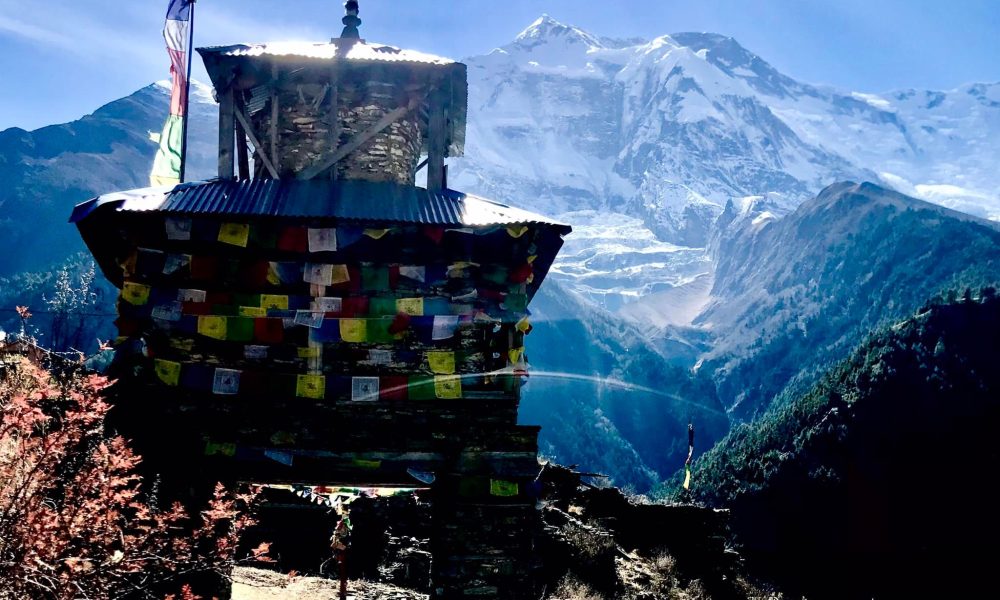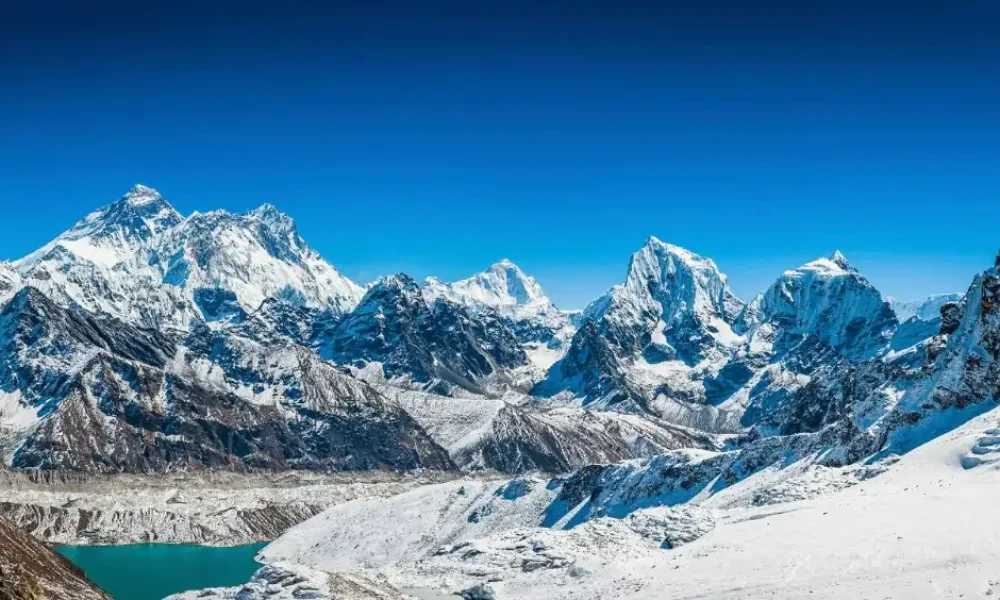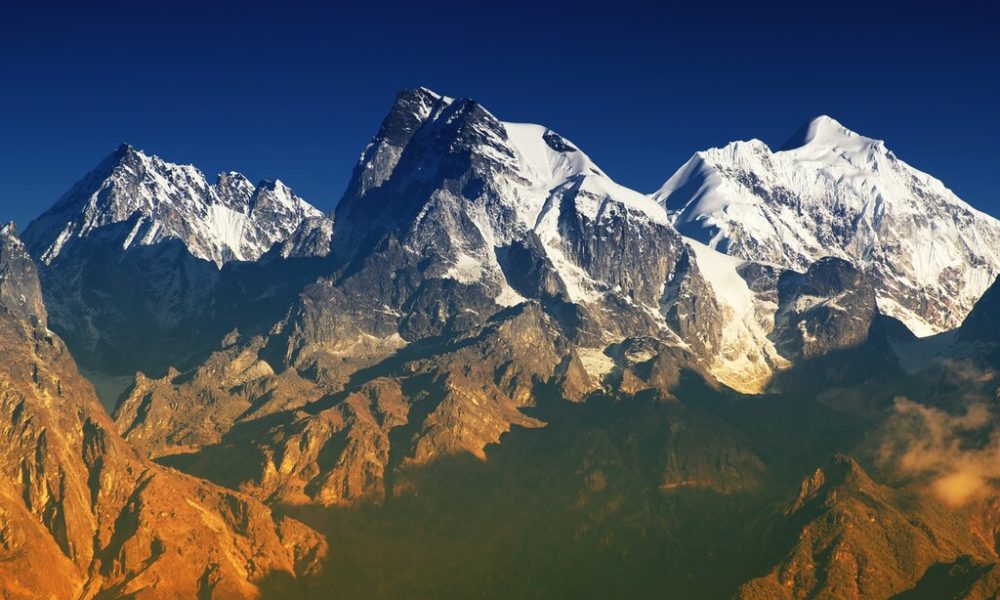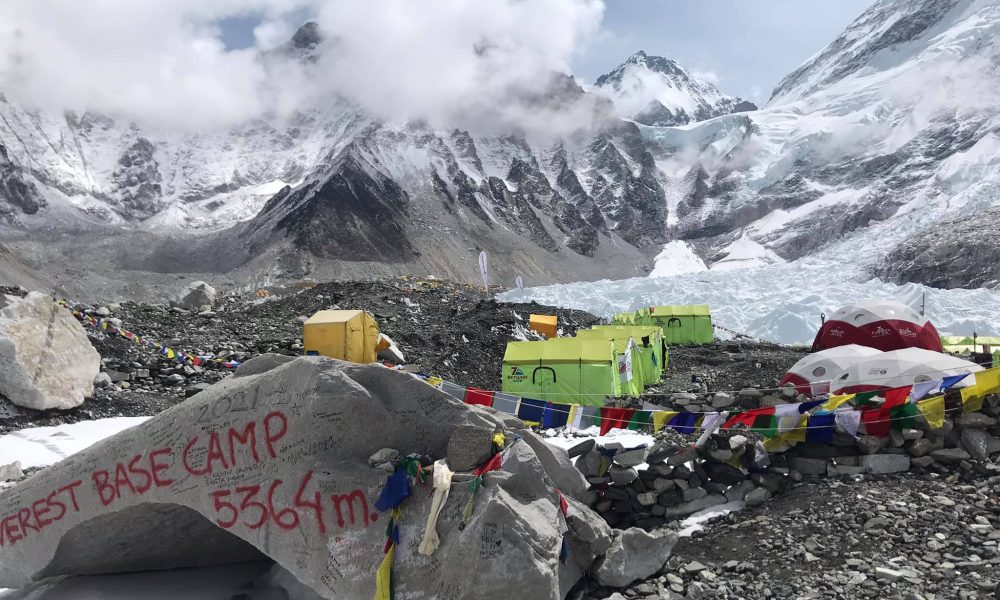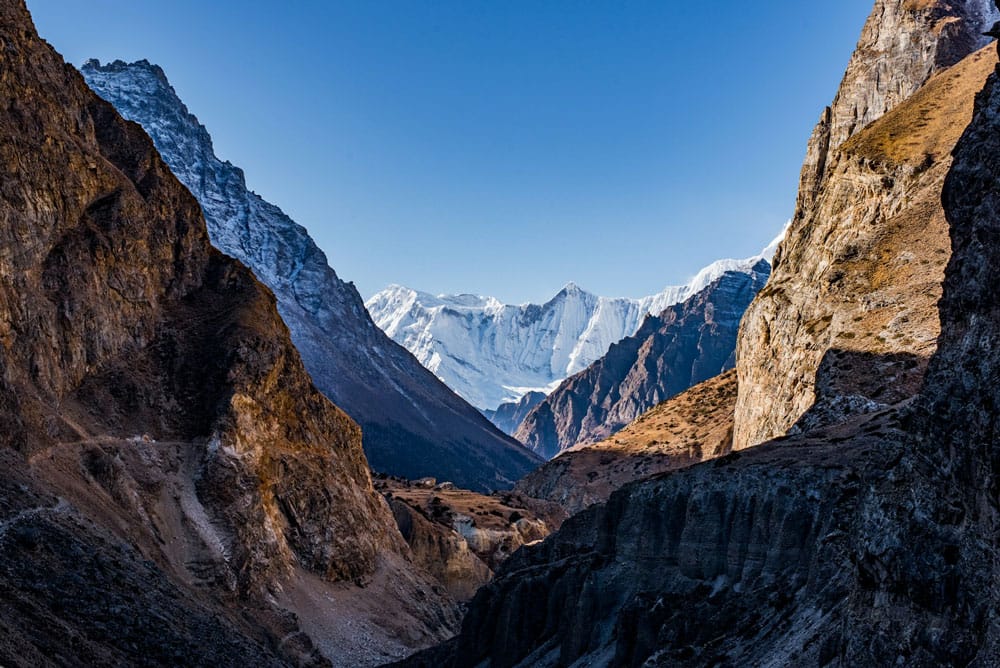
The Nar-Phu Valley Trek with Kang La Pass is really something in Nepal. It is a beautiful and not many people know about it trek. The Nar Phu Valley with Kang La Pass Trek is located behind the Annapurna range in the northern part of Manang. This is a remote area. The Nar Phu Valley with Kang La Pass Trek gives you a chance to see the Himalayan mountains like nobody does. You can see Tibetan things, old villages, deep canyons, and the mountains are so beautiful.
The Nar-Phu Valley Trek with Kang La Pass was closed to people from countries until 2003. Now the Nar-Phu Valley Trek with Kang La Pass is a secret that not many people know about in Nepal.
This is an exciting trip that takes you to the wilderness of the Nar and Phu villages. Then you get to cross the Kang La Pass, which is 5,320 meters high. This makes for an exciting adventure for people who like to trek and want to see real culture and go where not many people go. The Nar Phu Valley, with Kang La Pass Trek follows paths that Tibetan traders and local villagers used to use. You will see rough landscapes, deep gorges, colorful monasteries, and where the yaks live in the high mountains.
The Nar-Phu Valley Trek with Kang La Pass is a perfect journey for adventurous trekkers seeking pristine nature, cultural immersion, and a unique Himalayan experience beyond the traditional trekking routes of Nepal.
Arrival in Kathmandu Tribhuvan International Airport and you will be met at the airport by our representative who will be waiting with a explore nepal trails sign outside the terminal and transfer to hotel by private car. Complete hotel checking there will be a group briefing with your tour leader. He will discuss the trek details and co-ordinate.
After breakfast in the hotel, Drive to Swayambhunath Stupa which is very close form the center of Kathmandu. It takes some minutes to be there. This Temple is also known as Monkey Temple which is considered to be self-made Stupa. Then visit to Boudhanath Stupa: the biggest stupa in Nepal and one of the bigger stupas in the world. You can basically experience Tibetan Buddhism, culture and way of life in the Boudhanath Area.
The Boudhanath area is the authentic place to buy Tibetan stuff. Again, you will be visit Pashupatinath Temple and it is one of the most sacred temples in the entire Hindu world. It is a sacred place where Hindus come to die and to be cremated. The temple of Pashupatinath is a large double-roofed, gilt pagoda, decorated with brass, the gateway is plated with silver. There are images of Shiva along with other statues, shrines and temples dedicated to other deities in the complex.
In the morning, drive from Kathmandu to Jagat via Besisahar by private land cruiser passing the Trisuli and Marsyangdi River and it takes around 8-9 hours. You can see three snow peaks, Lamjung Himal, Peak 29 and Manaslu during the driving. Overnight at a lodge in Jagat.
Start your trek in the morning after breakfast, the trail goes gradually uphill to Chamje and you cross another suspension bridge and follow the steep rocky trail until reaching Tal village which takes 3 and half hours. You can see again very beautiful waterfalls in Tal. You have lunch break here. Then you continue again on a rocky trail to Kotro, which takes about 2 hours. You continue straight and cross the suspension bridge near Lower Dharapani. You continue a little more climbing and arrive in Higher Dharapani.
You begin your trek in the morning towards Bagarchhap which takes about 1 hour passing through pine and fir forests. You can visit the white washed monastery in this village. Then you continue your trek till Danaque it takes about 1 hour. The trail is ascending steeply until Timang which takes about 1 and half hour. You have a good view of Mt. Manaslu and Peak 29. Now your trail continues through pine forests again till Latamarang which takes about 1 and half hour. You have lunch break here. After lunch, you walk again through forests and you have a short glimpse of Annapurna II. Finally you arrive in Koto village after 1 and half hours walk.
In the morning, you register your restricted area permit at the Police check post. Then you start your trek through the river bank of Suti Khola again through wonderful pine forests passing many streams and suspension bridges until reaching Dharmasala which takes about 5 hours. You can see a picturesque Waterfall near the Dharmasala. You have your packed lunch on the way. Then you continue your trek again through forests and ascend steeply till Meta Village,
Today, you start with up and down as well as on traversing suspension bridges over different streams. It is short trek to Kyang which takes about 4 hours. Actually, you do not find any houses and lodges in this area but now there is newly built lodge in Kyang. You just see the remnants, particularly the ruined forts of the Khampa settlement (the place which Khampa refugees from Tibet once captured and lived illegally) at places like Jhunam, Chyakhu and Kyang
Morning after breakfast, then you keep walking passing the Phu Khola on a rocky trail until Phu village which takes about 3 hours. You can see Blue Sheep during the trail. Now you are in one of the unique Lost/ Hidden Valleys. You can see their cultures, natural diversity, and religion of the ethnic groups like Lama, Gurung and Ghale.
The people are depending on subsistence agricultures, animal breeding and seasonal migrations. The very old Buddhist Monastery known as Tashi Lakhang Monastery is listed out of the 108 world’s great Buddhist Monasteries; it is believed to be the last monastery constructed by Karmapa Rinpoche. You have a great view of Hemlung Himal and other snow peaks.
Today, the trail descends, passing many streams and suspension bridges until Mahendra Pul which takes about 4 hours. You pass the high suspension bridge 80m over the Gorge of Lapche River. You have lunch in Mahendra Pul. After lunch, the trail steeply ascends passing many Buddhist stupas until Naar Village which takes about 2 hours. You find here many Buddhist Monasteries to visit as well as a very good view of Pisang Peak and other small peaks
Today morning you will start your trek early in the morning and until to Jhombu Kharka also known as Kang-La Phedi. It takes 3 hours. You can see Yak herder’s camp with many Yaks. The trail steeply ascends passing different landslide areas to Kang-La Pass which takes about 2 and half hour. Now you have a superb view of the Annapurna Range and other peaks. Then you descend steeply till Ngawal village which takes about 3 hours.
Today your trail is slightly descending until reaching Braga village. Visit the monastery. It takes 2 and half hour. Then 30 minutes’ walk from Braga to Manang. This is the right option for a great view of the Annapurna Range. Afternoon, hike to Chunker view point – Gangapurna Lake & Cave Gompa. You can hike to Chhunker view point which takes about 1 and half hour.
You can see the Gangapurna Lake as well, as the Annapurna range like Annapurna I, II, III, IV, Tilicho peak, Pisang peak, Chulo peak, Thorong peak and so on. Then you return back to your lodge and have lunch there. After lunch you hike with your guide to the Cave Gompa which is situated at the elevation of about 4500m. It takes 2 hours to reach there. This is also a very good place to have magnificent view of Annapurna Range. Then you return back to your lodge.
After breakfast in the morning with the views of spectacular mountains around Manang area, we will head to Braga which 15 minutes and continue to Humde village along the Marsyangdi River. It takes about 3 hours and where we will have our lunch. There is also small airstrip. Then after lunch, we will keep smoothly walking until reaching Pisang village which takes 2 hours. We will go evening to upper Pisang to visit ancient Buddhist monastery and from where the views of Annapurna II, IV and Pisang peak are often awesome.
Today morning, the trail is going easily since you need to walk sometime in road until Dikur Pokhari through the pine and rhododendron forests which takes about 1 and half hour. You need to walk down hill through the pine forest until Bratang which takes about 1 and half hour.
Then you will stop for lunch and after lunch you walk on level trail through the pine forest until reaching Chame village which takes about 2 hours. Finally, you need to cross the suspension bridge over the Marsyangdi River. This village is head quarter of Manang district and all administrative places.
Early Breakfast drive back to Kathmandu buy private jeep
Shopping and preparation
Explore Nepal Trails representative transfer to Kathmandu Tribhuvan International airport to your home flight.
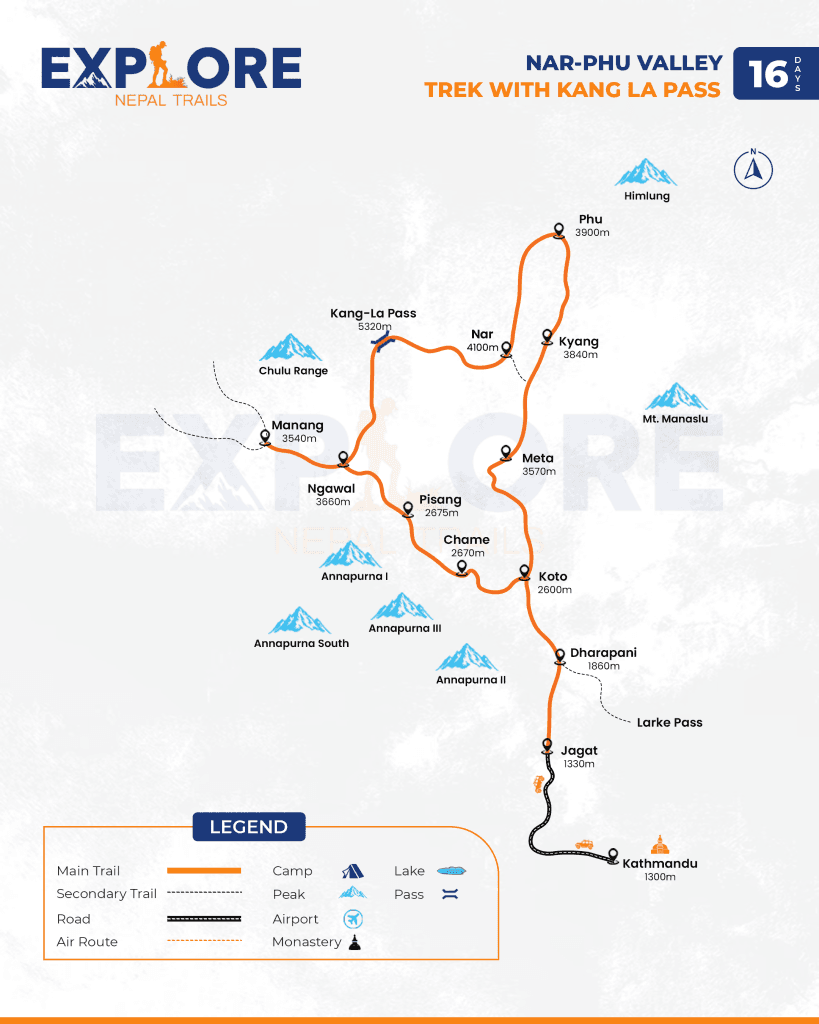
Spring (March to May)
Autumn (September to November)
Spring and autumn are widely considered the best seasons for the Nar Phu Valley and Kang La Pass Trek.
Accommodation along the route is provided in local teahouses and family-run lodges. Facilities are simple but comfortable, offering clean rooms and warm hospitality.
Food options become more basic at higher elevations, but they provide sufficient energy for trekking.
Since Nar Phu Valley is a restricted area, special permits are required:
The restricted area permit is mandatory and can only be obtained through an authorized trekking company in Nepal.
The villages of Nar and Phu preserve centuries-old Tibetan culture, traditional stone houses, prayer walls, and unique mountain lifestyles that have changed little over time.
One of the highlights of the trek, Kang La Pass, offers breathtaking views of the Annapurna range, glaciers, and deep valleys.
Ancient monasteries, chortens, mani walls, and prayer flags line the trail, reflecting the strong Buddhist heritage of the region.
Trekkers enjoy magnificent views of:
The people of Nar and Phu are primarily of Tibetan origin and follow Tibetan Buddhism. Their lifestyle is adapted to the harsh mountain environment, with yak herding, farming, and trade serving as the main sources of livelihood. Villagers live in traditional stone houses, wear traditional clothing, and celebrate Buddhist festivals throughout the year. The region offers a rare opportunity to experience an ancient Himalayan culture that has remained largely untouched by modernization.
The Nar Phu Valley with Kang La Pass Trek is ideal for trekkers seeking wilderness, cultural immersion, and one of Nepal’s most rewarding hidden Himalayan adventures.
Clothing (Layer System, Most Important):
Footwear
Sleeping Gear
Personal & Health Items
Trekking Essentials
Electronics
Energy & Extras
Optional but Useful
Pack light but smart. Most trekkers aim for 10 to 12 kg in a daypack or porter bag. Layering is more important than heavy clothing,
The best time for the Nar-Phu Valley Trek with Kang La Pass is during spring (March to May) and autumn (September to November). These seasons offer clear skies, moderate temperatures, and optimal trekking conditions, making them ideal for crossing the high-altitude Kang La Pass and exploring Nar and Phu Valleys.
The highest point of the trek is Kang La Pass, which sits at 5,320 meters (17,454 feet). The trek also takes you through high-altitude villages like Nar and Phu, but Kang La Pass is the highest and most challenging point of the journey.
The Nar-Phu Valley Trek with Kang La Pass is not recommended for beginners due to the high altitudes, challenging terrain, and the physically demanding nature of crossing Kang La Pass. It is more suitable for experienced trekkers with good physical fitness and prior trekking experience, especially in high-altitude environments.
Some of the main highlights of the trek include:
Nar and Phu Valleys: Remote, hidden valleys with stunning landscapes and traditional Tibetan Buddhist culture.
Kang La Pass: The highest point at 5,320 meters, offering breathtaking panoramic views of the Annapurna and Manaslu ranges.
Traditional Villages: Experience the unique culture of Tibetan-influenced villages like Nar, Phu, and Ngawal.
Buddhist Monasteries: Visit ancient monasteries and temples, such as Phu Monastery, which is of great spiritual significance.
The terrain varies throughout the trek:
Nar and Phu Valleys: You’ll walk through rocky trails, alpine meadows, riverbanks, and high-altitude deserts.
Kang La Pass: The trail leading up to the pass is steep and challenging, with snow and ice conditions possible at higher altitudes.
Expect remote, rugged, and isolated terrain, with some sections of the trek being physically demanding, especially when crossing Kang La Pass.
Since the trek reaches high altitudes, especially when crossing Kang La Pass, proper acclimatization is crucial. To avoid altitude sickness:
Spend extra days in Nar and Phu for acclimatization before ascending to higher altitudes.
Drink plenty of water and eat high-energy foods.
Avoid ascending too quickly and follow a steady pace.
If you experience symptoms of altitude sickness like headaches or nausea, descend immediately to a lower altitude.
Essential items to pack include:
Warm clothing: Layered clothing, including a down jacket and fleece for cold weather.
Trekking boots: Durable, comfortable boots suitable for rugged terrain.
Sleeping bag: Rated for cold weather (temperatures can drop below freezing).
Sun protection: Sunscreen, sunglasses, and a hat for high-altitude exposure.
Water purification system: Tablets or a filter to ensure clean drinking water along the way.
First aid kit: For minor injuries, altitude sickness medications, and other common trekking needs.
There are no reviews yet. Be the first one to write one.

Explore Nepal Trails is your trusted partner for trekking, peak climbing, and mountaineering adventures in Nepal. From classic Himalayan treks to high-altitude expeditions and cultural journeys, we deliver safe, well-planned, and unforgettable travel experiences.
We Accept

Join our community of over 200,000 global readers who receive emails filled with news, promotions, and other good stuff.

WhatsApp us