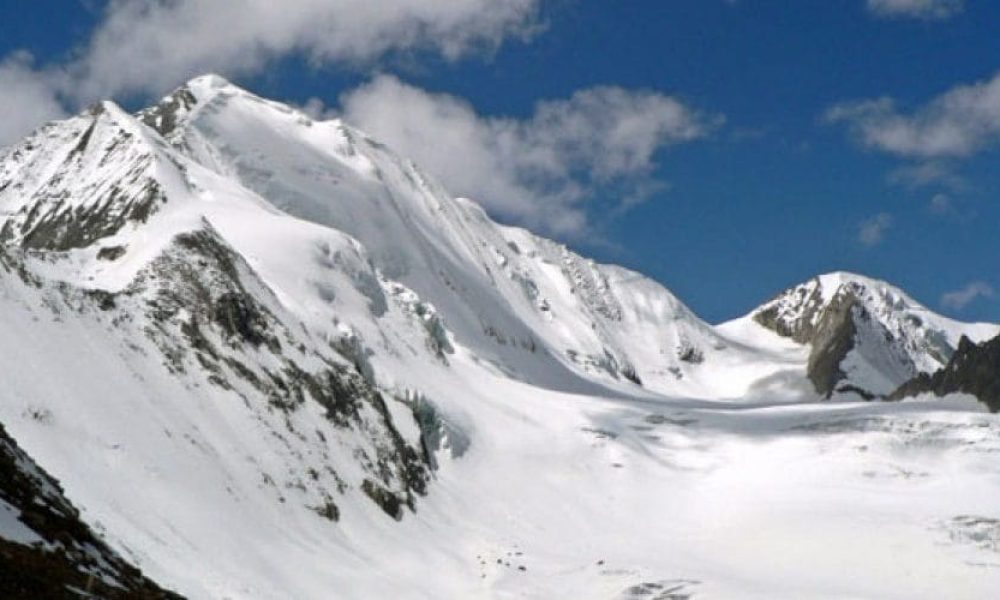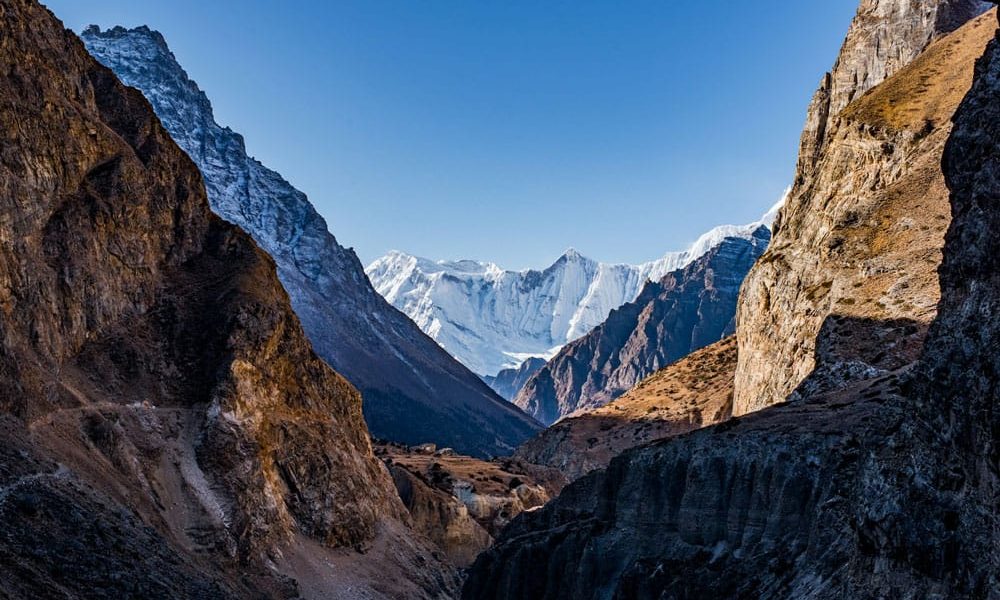
The Tilicho Lake with Mesokanta La Pass Trek is a challenging 12-day Himalayan adventure in Nepal’s Annapurna region. It includes a visit to Tilicho Lake (4,919 m). This remarkable Tilicho Lake trek takes travellers through traditional mountain villages, dramatic glacial landscapes, and high-altitude trails. It offers an adventurous alternative to the classic Annapurna Circuit route.
The journey begins in Kathmandu with a scenic drive towards Chame, the starting point of the trekking route. Following parts of the Annapurna Circuit, trekkers pass through Pisang and Manang. They enjoy stunning views of Annapurna II, Annapurna III, Gangapurna, and Tilicho Peak.
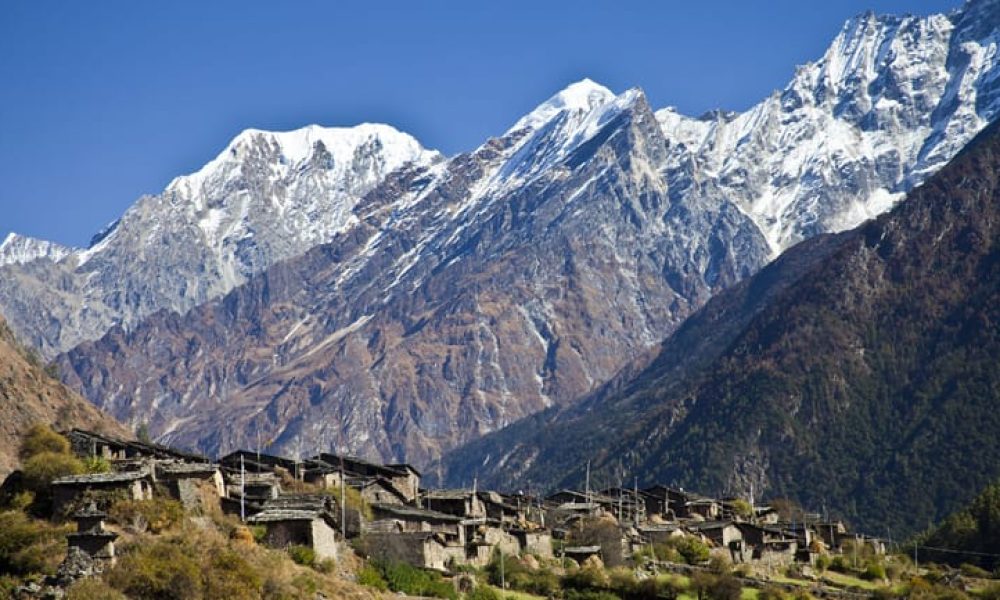
Along the route, you will pass traditional villages. You will see old Buddhist monasteries. You will also experience the unique culture of the Manang Valley. Together, these offer a glimpse into life in the Nepalese Himalayas.
From Manang, the trail continues towards Khangsar and Tilicho Lake Base Camp, gradually ascending through rugged mountain terrain. Tilicho Lake is about 4,919 metres (16,138 feet) above sea level. It is one of Nepal’s most impressive high-altitude lakes. Its bright turquoise waters are unforgettable. Tall peaks and bare alpine slopes surround them. This trek is in the Annapurna region.
Unlike the standard Tilicho Lake trekking route, which generally returns towards Manang, this itinerary continues over Mesokanta La Pass, also known as Mesokanto La, towards Jomsom in the Mustang region. The crossing presents a demanding combination of high altitude, steep trails, loose rock, potentially snow-covered terrain and limited accommodation facilities. It is best suited to physically fit trekkers with previous high-altitude trekking experience.
The 12-day Tilicho Lake Mesokanta La Pass Trek with Explore Nepal Trails offers stunning views of the Himalayas.
It also includes local mountain culture. You will camp at high altitude. You will cross a remote mountain pass. The itinerary offers a rewarding experience for adventurous travellers seeking a less conventional route through the Annapurna Himalayas.
On arrival at Tribhuvan International Airport meet our staff will you transfer to Hotels, our guide will give you a short briefing about the regarding trip at the Hotel.
Early morning drive from Kathmandu to Chame via beshisahar,Jaggat, Dharapani we will arrived at Chame overnight.
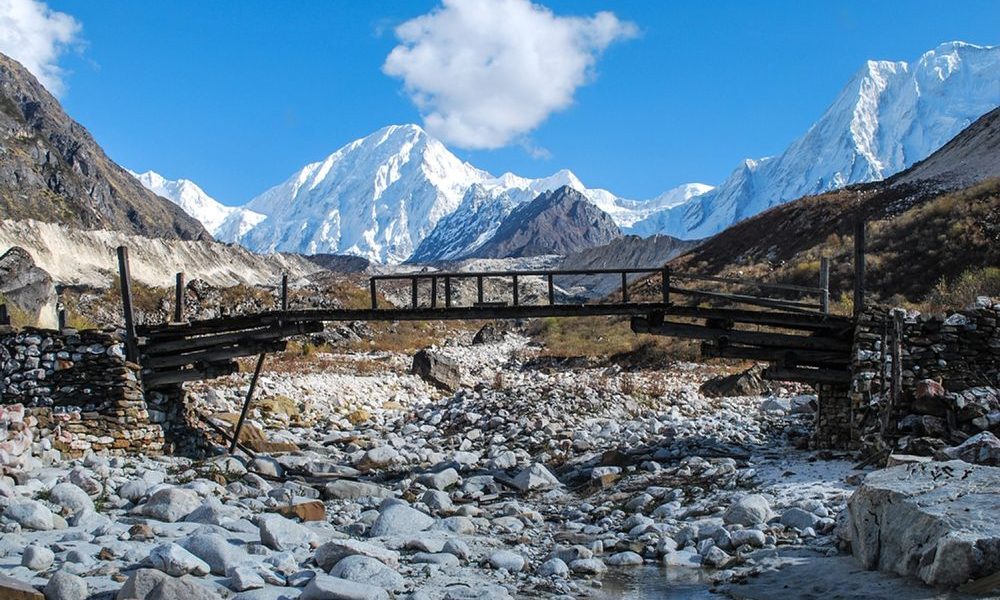
We walk from here follows the other side of the river on the northern bank, after leaving Chame, the path passes through pine woods and small villages with few ups and downs till you reach Bratang. From here trek continues on the gradual path up to a bridge, from the bridge a short steep climb through the pine forest brings you at the top of the ridge of Pisang village. After walking past the tree lines a great view can be seen of Pisang peak and the Chulu peak with Pisang village below, from this ridge a gentle descent for an hour brings to the windswept village of Pisang.
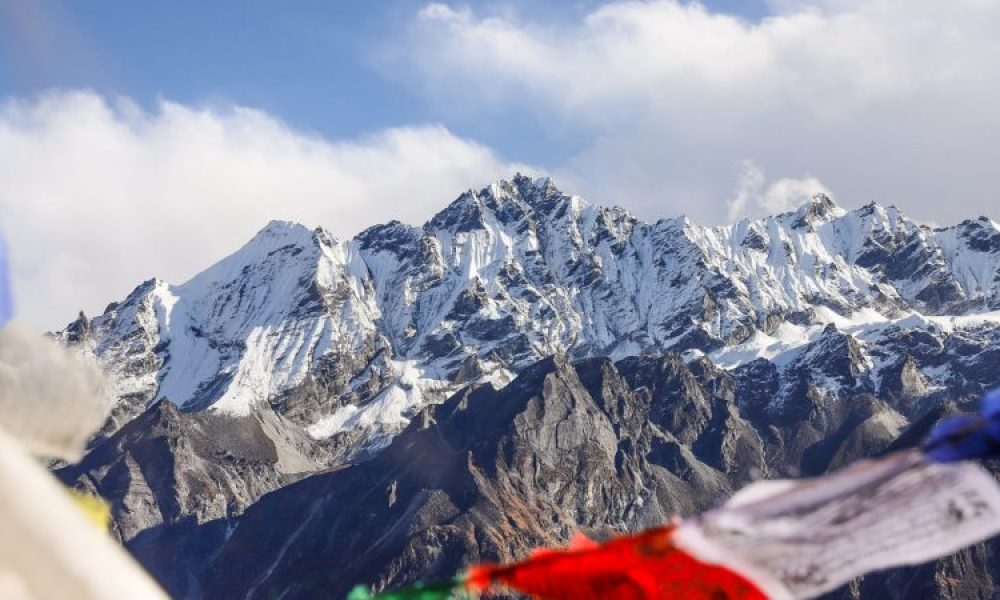
From Pisang onwards, the walks lead with the constant view of the high snow-capped peaks. The walk climbs steeply up for half an hour, after a short gradual walk from the Pisang village then reaching the top of a small hill. This grand spot offers dramatic views of the valleys, Hongdae village with its short air-strip and the great peaks of Gangapurna, Annapurna II, III, Tilicho, and on the right, Chuli east, on the back, Pisang peak.
The walk from here is on a downhill and gradual path all the way to Hongdae, from Hongdae the trek is more or less flat on the wide trail most of the way to Manang, adding a slight touch of altitude as you approach the village of Braga and Manang, here with time to spend the morning visiting Braga Monastery. The largest in the district, it has an outstanding display of statues, thangkas, and religious manuscripts. From here, it is only an hour walk to Manang for the overnight stop.
A necessary day to rest and acclimatize and explore Manang. The village of about 500 flat-roofed houses, is the picturesque set amongst some spectacular scenery -Annapurna II, Annapurna III [7,555 meters.], Gangapurna [7,454 meters.] to the South – Tilicho [7,132 meters.] and the Grand Barrier to the West – Chulu West [6,583 meters.] and Chulu East [6,059 meters.] to the North.
Khangsar sees few trekkers, despite being quite accessible from Manang. The medieval village has retained its ancient houses and traditional culture. It has OK lodges, but the mattresses were thin. As more trekkers discover the attractions of Tilicho Lake, Khangsar should see an increase in trekkers and mattress thickness! Below Manang, down on the northwest side, is a Kani, where a sign for Tilicho is painted on the rock, indicating right. The trail basically climbs along a ridge and hillside to Khangsar (3734m). The village offers a rare view of the elusive peak of Kang Guru that dominates the Nar Phu trek.
Trek from Tilicho Base Camp to Tilicho lake which is the highest lake in the world at 4,919 m above sea level. It takes about three to four hours from Base camp. It is not available hotel need to sleep in a tent.
Early in the morning wake up at 4:30 am and start to walk first part is mostly need to go street and almost 500m climb up and all the way down overnight at Yak Kharka.
Trek from akhara to Jomsom it takes about 6 hours all the way down each to Jomsom is headquarter of Mustang District and overnight at Jomsom.
A 15-minute morning flight takes us to Pokhara from Jomsom. Once we arrive at Pokhara airport, we then drive to the hotel. In the afternoon we will have a sightseeing tour around Pokhara valley, which covers Fewa Lake, Devi’s Falls, museum, Tibetan refugee settlement and Gupteshower cave, etc. Overnight at a hotel. Breakfast included.
We will be driving back to Kathmandu in the morning on a tourist bus (7-hour trip). If you are interested in extending the trip, there are many options such as a Chitwan jungle safari, river rafting adventure, Kathmandu shopping tour, mountain biking, and other activities. In the evening, we will have a farewell dinner in a traditional Nepalese restaurant with cultural performances.
Our Nepal Explore Trails staff will drop you off at the international airport in Kathmandu for your flight departure from Nepal.

The Tilicho Lake with Mesokanta La Pass difficulty depends on the selected route, trekking duration and maximum elevation. While the standard trek to Tilicho Lake is already physically demanding, the journey across Mesokanta La Pass adds a more strenuous high-altitude challenge.
The route follows established trails through the Manang Valley before entering increasingly remote alpine terrain. Steep ascents, rocky slopes, exposed sections and unpredictable mountain weather make this trek more suitable for experienced trekkers than complete beginners.
People generally consider the Mesokanta La Pass Trek strenuous because it includes a high-altitude crossing, challenging terrain, and limited facilities in remote sections.
Trekkers may encounter loose scree, steep descents, snow-covered trails and difficult navigation depending on seasonal conditions. Unlike the more established Thorong La route, Mesokanta La requires additional logistical preparation and experienced local guidance.
We strongly recommend good cardiovascular fitness, physical endurance, and previous high-elevation trekking experience. Trekkers should also prepare for extended walking days and potentially freezing temperatures.
The altitude of Tilicho Lake is approximately 4,919 metres (16,138 feet) above sea level. Tilicho Lake Base Camp, at approximately 4,150 metres, is an important stopping point before the ascent to the lake. From the lake area, the route continues towards Mesokanta La Pass, a mountain crossing above 5,000 metres. The exact maximum altitude depends on the specific crossing used.
Proper acclimatisation is essential when trekking at these elevations because reduced oxygen availability increases the risk of altitude sickness. The itinerary includes an acclimatisation day in Manang, although the overall ascent schedule must also be assessed for each group.
Trekkers should report headaches, nausea, dizziness or unusual fatigue immediately. Further ascent should be avoided if altitude sickness is suspected, and descent or medical treatment may be necessary. An experienced guide should assess weather, trail conditions and the group’s health before attempting Mesokanta La Pass.
The best time to visit Tilicho Lake and attempt the Mesokanta La Pass Trek is generally during spring and autumn, when Nepal’s Annapurna region often experiences more favourable trekking conditions. However, weather conditions at higher elevations can change rapidly, and safe passage over Mesokanta La depends on snow cover, visibility and the condition of the trail.
Spring offers gradually warming temperatures, beautiful mountain scenery and longer daylight hours. Lower sections of the Annapurna trekking route may feature blooming rhododendrons, while snow-covered Himalayan peaks provide excellent mountain views.
However, snow and ice may remain around Tilicho Lake and Mesokanta La Pass, particularly in March and early April. Trekkers should be prepared for cold temperatures and the possibility of route changes.
Autumn is one of Nepal’s most popular trekking seasons. October and early November often bring clearer mountain views, relatively stable weather and favourable walking conditions.
This season provides excellent opportunities to appreciate the Annapurna mountain scenery and the changing landscapes between Manang and Jomsom. Temperatures can become very cold at higher elevations, especially towards late November.
The Tilicho Lake weather is highly influenced by elevation, seasonal conditions and mountain winds. Freezing temperatures are possible even during spring and autumn, particularly at night.
Winter conditions can bring heavy snow, ice and extreme cold, making the Mesokanta La crossing difficult or unsafe. During the monsoon, rainfall may affect access roads, lower trekking trails and visibility.
For safety, the final decision to cross Mesokanta La should always be based on current local conditions and the assessment of experienced trekking guides.
Tilicho Lake is located in the Manang district of Nepal’s Gandaki Province, within the Annapurna Conservation Area. Surrounded by the Annapurna Himalayas, the lake is a popular destination for trekkers exploring the Manang Valley and the Annapurna Circuit.
The Tilicho Lake altitude is approximately 4,919 metres (16,138 feet) above sea level. Because of its high elevation, trekkers need appropriate acclimatisation and should be aware of the symptoms of altitude sickness before visiting the lake.
The best time to do the Tilicho Lake Trek is during spring (March to May) and autumn (September to November). These seasons offer clear skies, moderate temperatures, and the best views of the surrounding peaks. Winter and monsoon seasons can be challenging due to snow or rainfall.
Tilicho Lake Base Camp is situated at approximately 4,919 metres above sea level on the common trekking approach from Manang. It serves as an important stopping point before the ascent towards Tilicho Lake.
Thorong La Pass is the established Annapurna Circuit crossing at approximately 5,416 metres, while Mesokanta La provides a more remote alternative towards Jomsom from the Tilicho Lake area. Mesokanta La involves different terrain and potentially more demanding navigation and camping arrangements.
The Tilicho Lake Trek is suitable for trekkers with moderate to good fitness levels. While it does not require technical climbing skills, it involves significant elevation gains and some physically demanding sections, especially at higher altitudes. Beginners with prior trekking experience can do it with proper preparation.
The main highlights of the trek include:
Tilicho Lake: A high-altitude lake surrounded by stunning mountain scenery, including views of Annapurna, Manaslu, and Dhaulagiri.
Scenic Views: Spectacular views of the Annapurna Range, Tilicho Peak, Gangapurna, and other surrounding peaks.
Remote Villages: Trek through traditional villages like Khangsar and Manang, experiencing local Tibetan-influenced culture.
Annapurna Circuit: The trek connects with the popular Annapurna Circuit, allowing trekkers to enjoy parts of this famous route.
The terrain is varied and can be challenging:
Manang Valley: You’ll trek through lush forests, river valleys, and rocky paths.
High Altitudes: The climb to Tilicho Lake involves high-altitude terrain with some steep ascents, rocky trails, and scree slopes. The weather can be unpredictable at higher elevations, so be prepared for possible snow and wind.
To avoid altitude sickness, it is essential to:
Acclimatize properly by taking rest days at key points like Manang and Khangsar.
Drink plenty of fluids and eat high-energy foods to help your body adjust.
Avoid ascending too quickly. The trek to Tilicho Lake is high, so take your time and listen to your body.
If you experience symptoms of altitude sickness (headaches, dizziness, nausea), descend immediately to a lower altitude.
Essential items to pack include:
Warm layers: A down jacket, fleece, thermals for cold weather (especially for the lake area).
Trekking boots: Comfortable, sturdy boots suitable for rocky and high-altitude terrain.
Sleeping bag: Rated for cold weather (it can get very cold at higher altitudes).
Sun protection: Sunscreen, sunglasses, and a hat to protect from sun exposure at high altitudes.
Water purification system: A water filter or purification tablets to ensure clean drinking water.
First aid kit: For minor injuries, along with any personal medications (including altitude sickness tablets).
Mobile network coverage is available in most parts of the trek, especially in Manang and Khangsar. However, as you ascend toward Tilicho Lake, mobile coverage becomes limited or unavailable. It’s advisable to inform family or friends in advance about your itinerary and expected communication gaps.
There are no reviews yet. Be the first one to write one.

Explore Nepal Trails is your trusted partner for trekking, peak climbing, and mountaineering adventures in Nepal. From classic Himalayan treks to high-altitude expeditions and cultural journeys, we deliver safe, well-planned, and unforgettable travel experiences.
We Accept

Join our community of over 200,000 global readers who receive emails filled with news, promotions, and other good stuff.

WhatsApp us