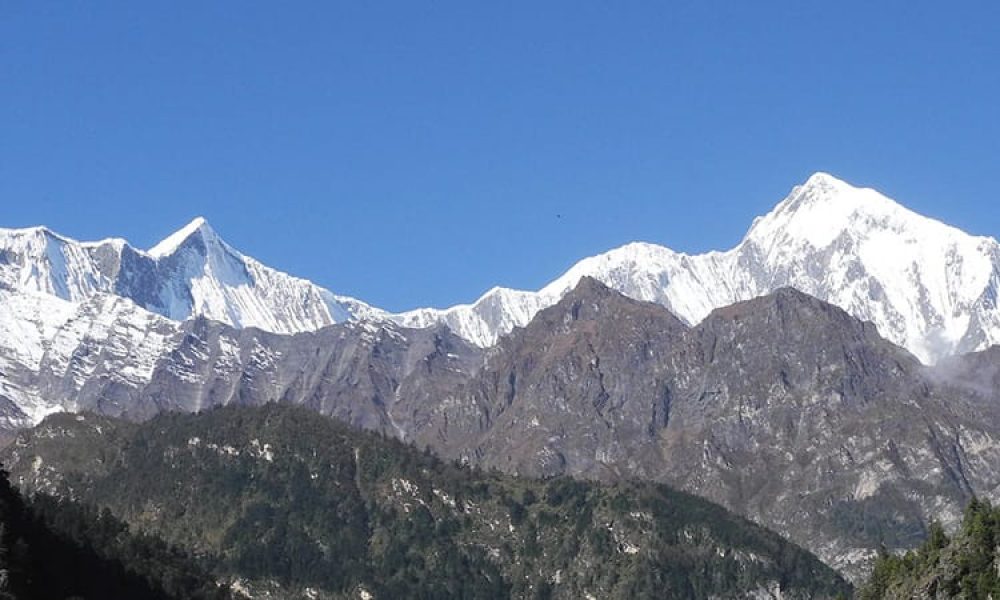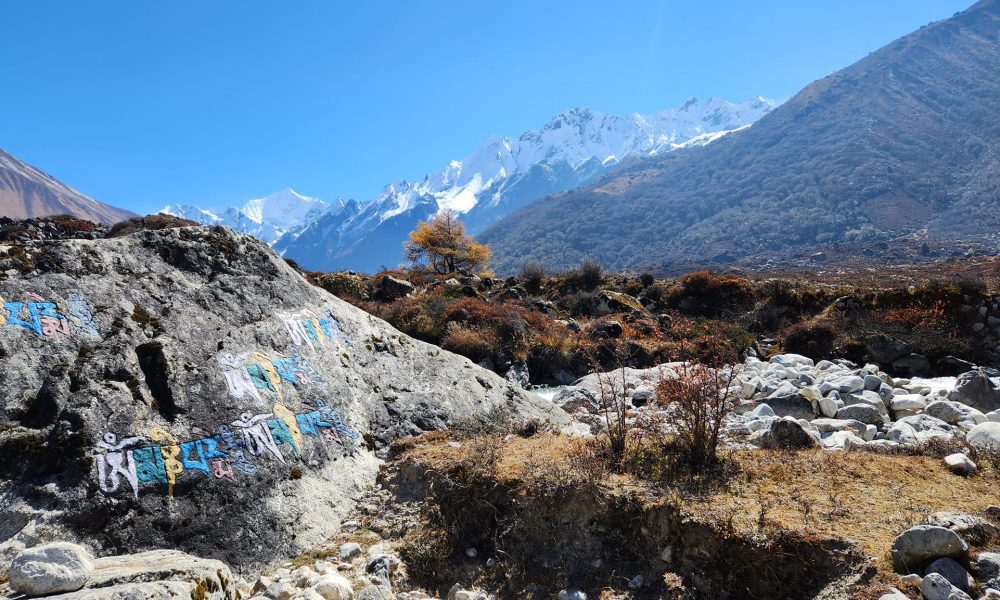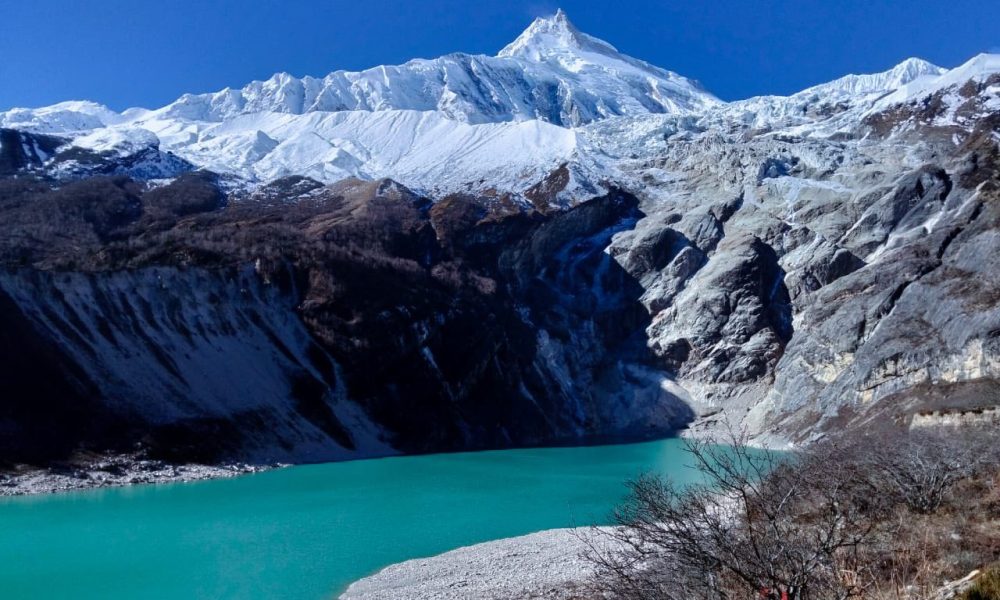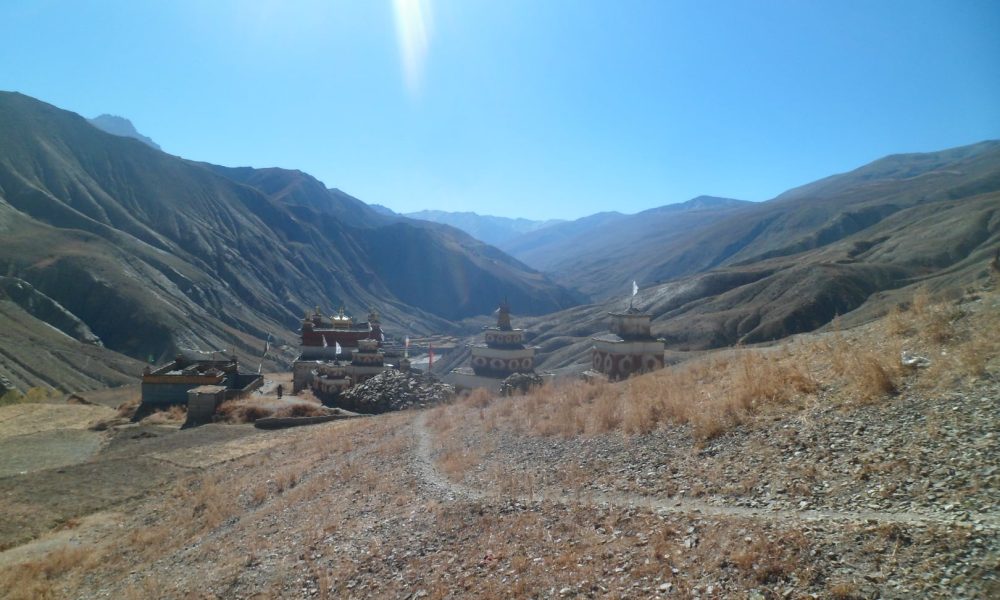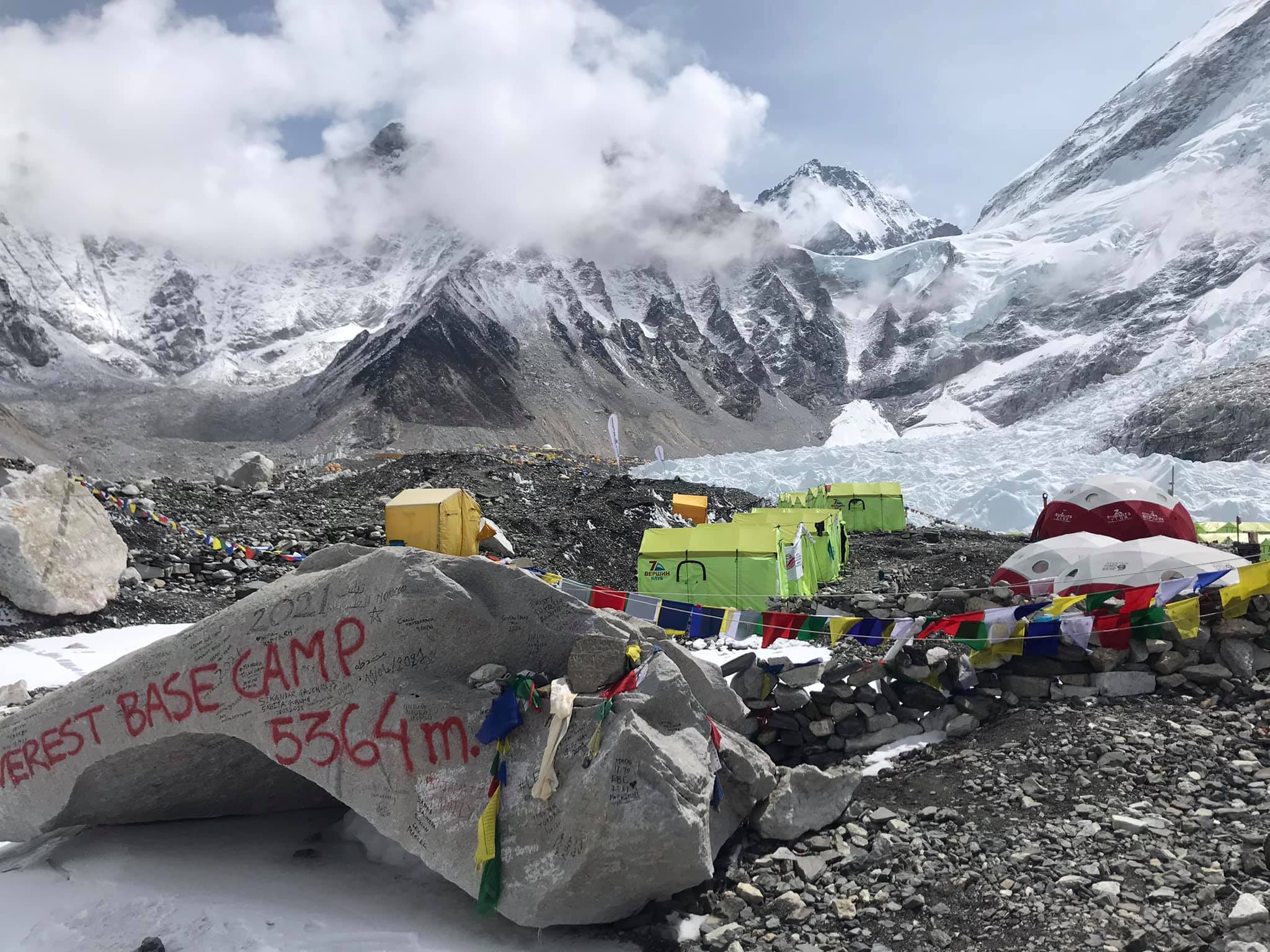
The Everest Base Camp combined with Island Peak climbing is a once-in-a-lifetime experience, offering a unique opportunity to climb to the summit of a Nepalese peak and visit Everest Base Camp all in one. This adventure takes you to the world-renowned Everest Base Camp at 5,364m and the popular trekking peak of Island Peak (6,189m) in over 21 days and is the ultimate challenge in the Himalayas.
This is the perfect trip for adventure travellers who want to move beyond high altitude trekking and into technical alpine climbing, experiencing the enjoyment and satisfaction of two great achievements in one. It’s not simply a climb; it is an overall mountaineering adventure set in the centre of the Himalayas.
The trip starts with a scenic flight from Kathmandu or from Manthali to Lukla, followed by a trek through the legendary Khumbu Valley. This route climbs gently through rich forests, across suspension bridges and pretty Sherpa villages, including overnights at Phakding, Namche Bazaar and Tengboche.
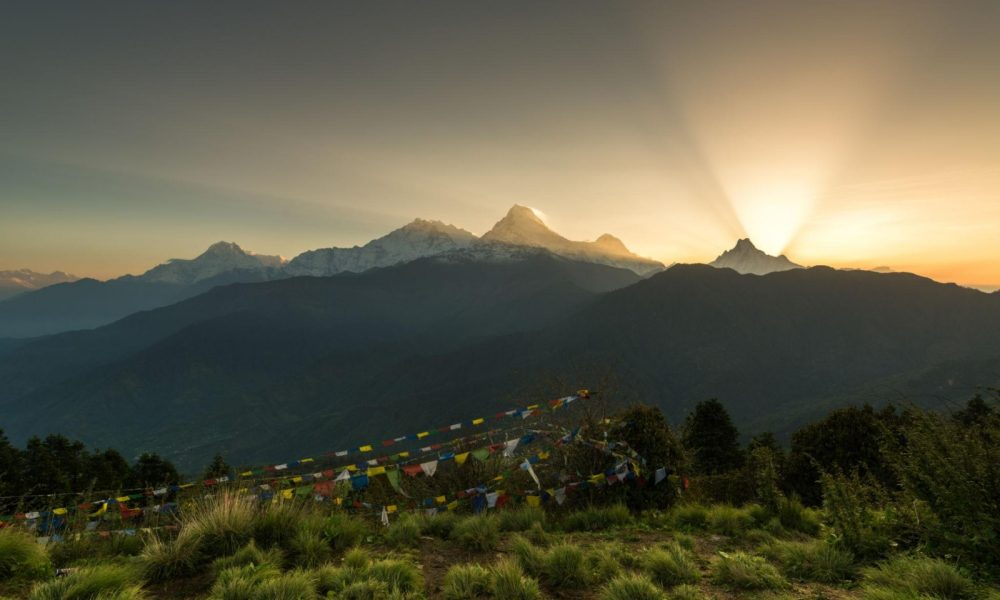
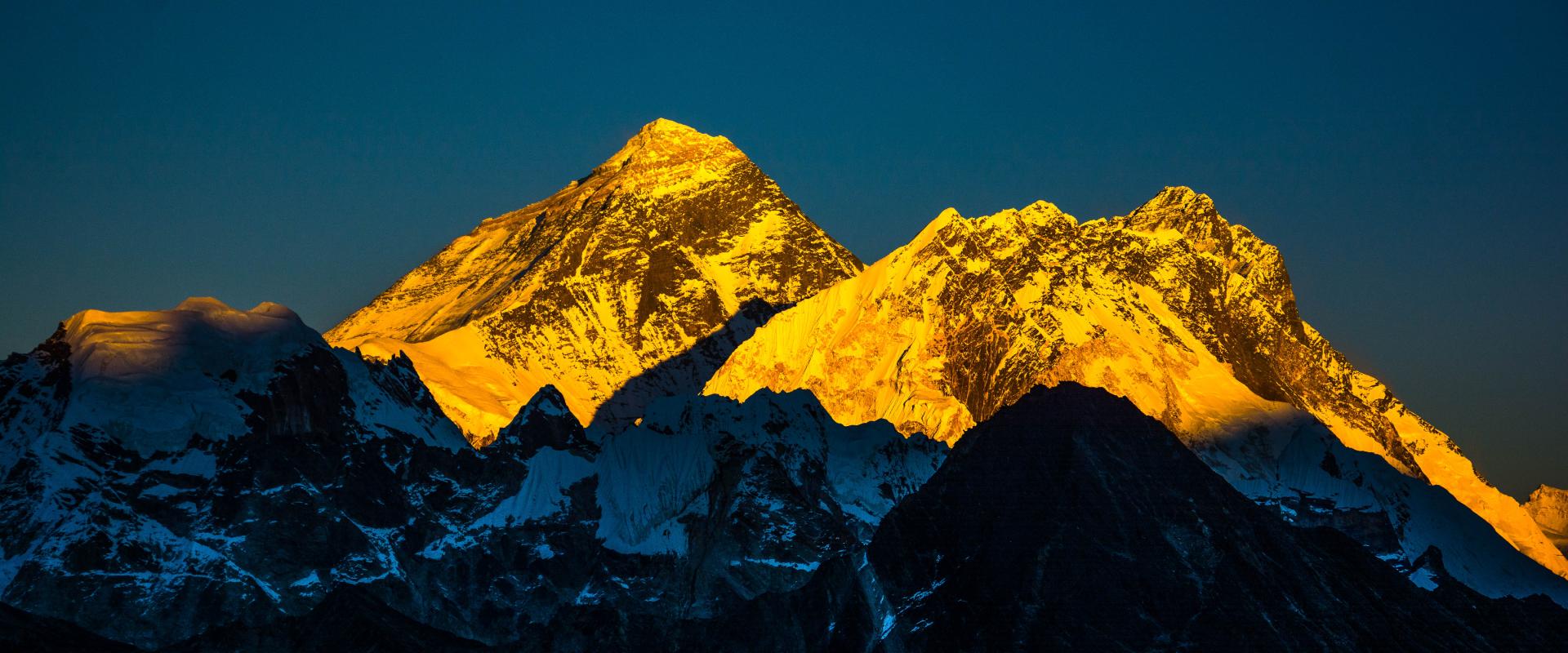
They are not just cultural immersion, but also a crucial acclimatisation. The route from Lukla to EBC passes through Namche Bazaar and Chhukung to acclimatise you to the elevation before heading to increasingly dramatic terrain from green hills to barren highland areas. One of the best things about this part is the hike up to Kala Patthar (5,545 m) to enjoy panoramic views of Everest, Lhotse, Nuptse and Ama Dablam, which will set the scene for the second half of the adventure.
The trip moves on after Everest Base Camp to the quiet Imja Valley, where you’ll reach Island Peak. Island Peak is locally referred to as Imja Tse and stands high above the surrounding glaciers, which is why it is so popular with both climbers and those who appreciate its stunning rugged beauty. You will trek from Chhukung to the Base Camp of Island Peak at 5,000m and have a rest day before you climb where you will get ample opportunity for important pre-climbing training. With the help of the expert climbing leaders you will learn how to put on a harness, how to use crampons, fixed ropes and ice axes, which are key components of the summit push.
The final ascent starts in the pre dawn hours, involves glacier travelling, crossing crevasse fields and a steep headwall ascent to a narrow exposed summit ridge. The summit offers breathtaking views of the dramatic south face of Lhotse, the majestic Mount Makalu, Baruntse and the ever-impressive Ama Dablam, the latter of which is a glacier peak covered in snow.The peak is a thrilling destination with spectacular views of the dramatic south face of Lhotse, the majestic Makalu, Baruntse and the ever-striking Ama Dablam, a glacier peak covered in snow.
After the summit you will return down the familiar path through the Khumbu Valley, which includes Tengboche, Namche Bazaar and Lukla. This trek back down the mountains provides the opportunity to rest, to reflect, and to enjoy the achievements of being to Everest Base Camp and standing on a 6,000m Himalayan summit. The route of the Island Peak Climbing with EBC is very much a personal evolution, a fusion of endurance, technique and high altitude discovery.
From Kathmandu Airport we will arrange a private transfer to your hotel. That night or early the next morning you will meet your local Explore Nepal Trails representative and have a full pre-trek briefing
The flight from Kathmandu to Lukla takes 45 minutes and is an adventure in itself with great views of the Everest region (from the left of the plane) and ending with a hair-raising landing on a steep mountain runway. After meeting our crew, we will start our trek by heading up the Dudh Koshi Valley on a well- marked trail to Phakding
From Phakding, we cross and re-cross the river on high suspension bridges. Beyond Monjo is the entrance to the Sagarmatha National Park, which was set-up to conserve this fragile mountain environment. We then ascend steeply to Namche and along the way, if the weather permits, catch the first glimpse of Mt Everest. Namche Bazaar is the main trading village in Khumbu and has a busy Saturday market. It is a meeting place for the Hindu traders from the lowlands and Tibetan yak caravans that have crossed the glaciated Nangpa La. You can enjoy an Illy coffee and amazing brownies here.
Namche is tucked away between two ridges and has lots of lodges, tea shops and souvenir shops. Today we will trek up to the Everest View Hotel at 3880m for our first view of Ama Dablam and Mount Everest. Following the ‘walk high, sleep low’ principle, this hike will really help with your acclimatization
From Namche, the trail contours on to the side of the valley, high above the Dudh Koshi. We will get great views of Everest, Lhotse, Nuptse and Ama Dablam. Passing by several villages and numerous tea shops, we descend steeply to a bridge over the river at Phunki Tenga. The village is an ideal stopover for lunch. Here we can rest before making the steep climb to Tengboche, famous for its legendary monastery, the largest in the Khumbu.
We descend through a forest, cross the Imja Khola and climb steadily to the village of Pangboche. This village is directly opposite Ama Dablam (6856m), and has exceptional views of the mountain, the gompa, Mani walls and scattered pine trees. A further two hours walk brings us to Pheriche.
A day for rest and acclimatization. We also have an opportunity to wander up the valley to look at the Tshola Tsho lake and the perpendicular walls of Cholatse and Tawache. Our guide will take us up onto the ridge overlooking Dingboche for the view of the Imja Valley and the incredible south face of Lhotse.
We continue up the wide valley beneath the impressive peaks of Cholatse and Tawache on the left. We then turn right and take a steep climb towards the foot of the Khumbu Glacier. The tea house at Duglha is a good spot to have lunch. The trail zigzags up through the boulders of the glacier’s terminal moraine. At the top of this climb there are many stone cairns, built as memorials to the many Sherpas who have died while climbing Mt Everest. The path then climbs gently along the glacier, to eventually reach Lobuche
To reach our next stop, Everest Base Camp, we follow the Khumbu Glacier. The trail offers superb views of the surrounding mountains, especially where the path is forced to rise to cross a tributary glacier. We stop for lunch at Gorak Shep before finally making our way to Base Camp itself (5364m). This takes several hours as the trail weaves its way through ice pinnacles and past the crevasses of the Khumbu Glacier.
A very early start is required to reach the top of Kala Pattar (5554m) for one of the best viewpoints in the Himalaya. From here we can see the face of Everest and deep into the Khumbu icefield. After lunch we then descend to Dingboche for the night.
Today we have an easy walk for about 2 hours, climbing up gradually to the small settlement of Chhukhung. Along the way we have great views of Island Peak and the challenge that awaits us.
Another easy day, the trail crosses the river and follows the valley for 3 hours, passing beneath the magnificent south face of Lhotse. Base Camp is by the side of the Imja glacier, below steep grassy slopes which mark the start of the climb on Island Peak.
We ascend a little further to High Camp, where we will relax and make final preparations for our climb tomorrow.
Crossing the gully above the camp, the trail makes a climb for another hour to a narrow ridge, leading on to the glacier. Here it is time to rope-up and put on our crampons to begin the glacier crossing. This is followed by the steep snow slope that leads onto the summit ridge. On reaching the summit we have stunning close-up views of the south face of Lhotse looming over us, while in the other direction there are more dramatic mountain views. We descend along the same route, down to Base Camp.
A contingency day allocated for poor weather, etc
After descending along the trail to Chukhung, we continue on to Dingboche for lunch. It is then another couple of hours to the village of Pangboche where we will stay for the night.
From Pangboche we drop down to follow the river. After crossing it, we climb back up through birch and rhododendron forest back to Tengboche. From Tengboche we descend over the Dudh Koshi before making our way back to Namche.
Your final day’s trekking follows the Dudh Koshi back down to Lukla. This last evening in the mountains is the ideal opportunity for a farewell party with the Sherpa guides and porters, where you can look back on a memorable trekking experience.
After an early breakfast, we will head to the airstrip for our return journey to Kathmandu.
A free day in Kathmandu to explore the city at your leisure. The Buddhist stupa of Boudhanath, the Monkey Temple at Swayambhunath and the Hindu temple of Pashupatinath are just some of the religious highlights of this fascinating city.
We will collect you from your hotel and transfer you to Kathmandu International Airport for your departing flight.
This trip combines the classic Everest Base Camp trek with the ascent of Island Peak (6,189m), offering both high-altitude trekking and an introductory Himalayan climbing experience.
Island Peak is located in the Khumbu region of Nepal, in the Imja Valley near Chukung, within Sagarmatha National Park and close to Everest Base Camp.
This trip offers the chance to trek to Everest Base Camp and also summit a 6,000m Himalayan peak, making it an ideal combination of adventure, culture, and mountaineering.
Trekkers need a Sagarmatha National Park Permit, Khumbu Pasang Lhamu Rural Municipality Permit, and an Island Peak climbing permit, all arranged through a licensed trekking agency.
Yes, a licensed climbing guide is mandatory for Island Peak due to glacier travel, rope work, and safety regulations.
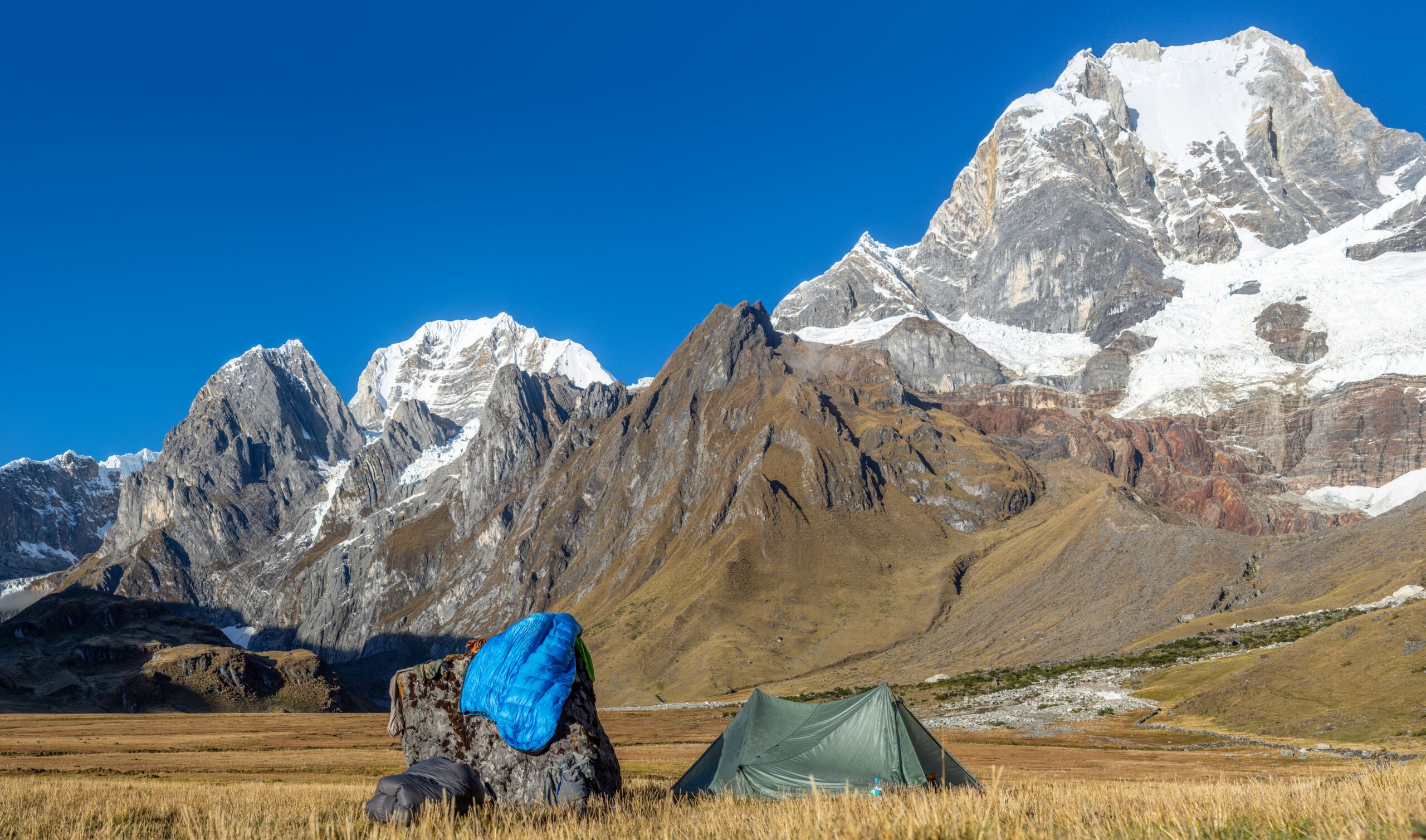
Accommodation includes teahouse lodges during the Everest Base Camp trek and camping at Island Peak Base Camp and High Camp.
Island Peak is considered moderately challenging. It involves glacier travel, use of crampons and ice axe, and a steep summit ridge with fixed ropes.
Yes, altitude sickness is a significant concern. The itinerary includes multiple acclimatization days to reduce risks.
Fit beginners with good trekking experience can attempt Island Peak, but basic mountaineering training or prior experience is highly recommended.
There are no reviews yet. Be the first one to write one.

Explore Nepal Trails is your trusted partner for trekking, peak climbing, and mountaineering adventures in Nepal. From classic Himalayan treks to high-altitude expeditions and cultural journeys, we deliver safe, well-planned, and unforgettable travel experiences.
We Accept

Join our community of over 200,000 global readers who receive emails filled with news, promotions, and other good stuff.

WhatsApp us