Discover the wild beauty of western Nepal with an unforgettable Bardiya National Park Safari, an exciting wildlife adventure in one of Nepal’s most peaceful and biodiversity-rich destinations. Located in the Terai lowlands, Bardia National Park offers a remarkable combination of jungle safaris, wildlife encounters, scenic river landscapes, traditional Tharu culture, and authentic village experiences. For travelers looking to learn about Bardiya National Park, this protected wilderness covers approximately 968 square kilometers, as documented in the Bardiya National Park overview, and features diverse ecosystems, including dense sal forests, open grasslands, and riverine habitats.
Away from Nepal’s busier tourist destinations, the Bardiya National Park Safari provides an excellent opportunity to explore nature and observe wildlife in its natural habitat. Venture through forests and grasslands in search of the Royal Bengal tiger, one-horned rhinoceros, wild elephants, spotted deer, crocodiles, and numerous bird species. Enjoy guided jeep safaris, jungle walks, birdwatching, Karnali River excursions, and cultural encounters with local Tharu communities. Visitors exploring other places to visit in Nepal can include Bardia in a broader journey through the country’s diverse landscapes and cultural destinations.
Travelers interested to know about Bardiya National Park Safari price can explore customizable tour options based on accommodation preferences, transportation, safari activities, and package duration. Explore Nepal Trails can help arrange a personalized wildlife experience combining nature, adventure, and authentic cultural encounters.
Explore the untouched wilderness of Bardia National Park, covering approximately 968 sq. km.
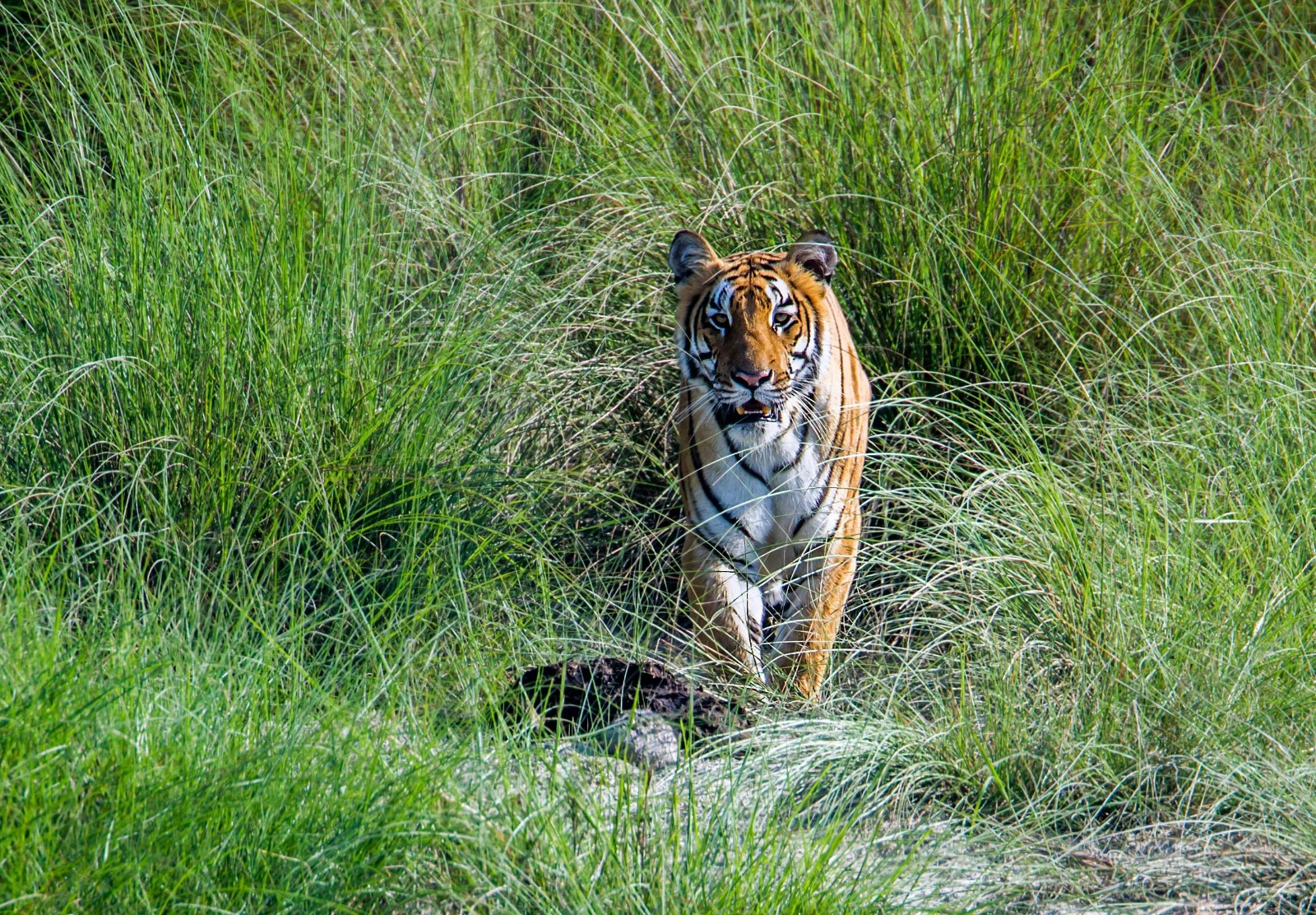
Experience thrilling jeep safaris in search of the endangered Royal Bengal tiger.
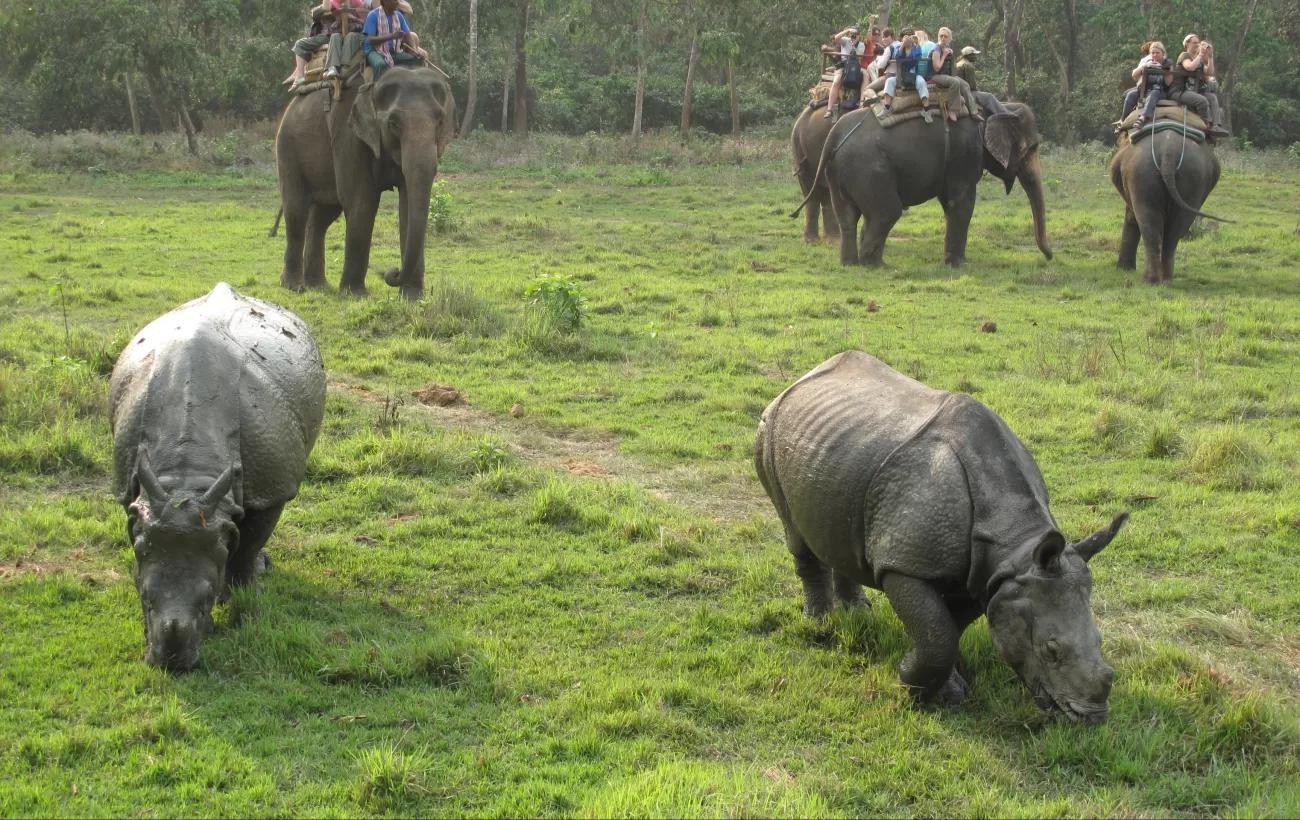
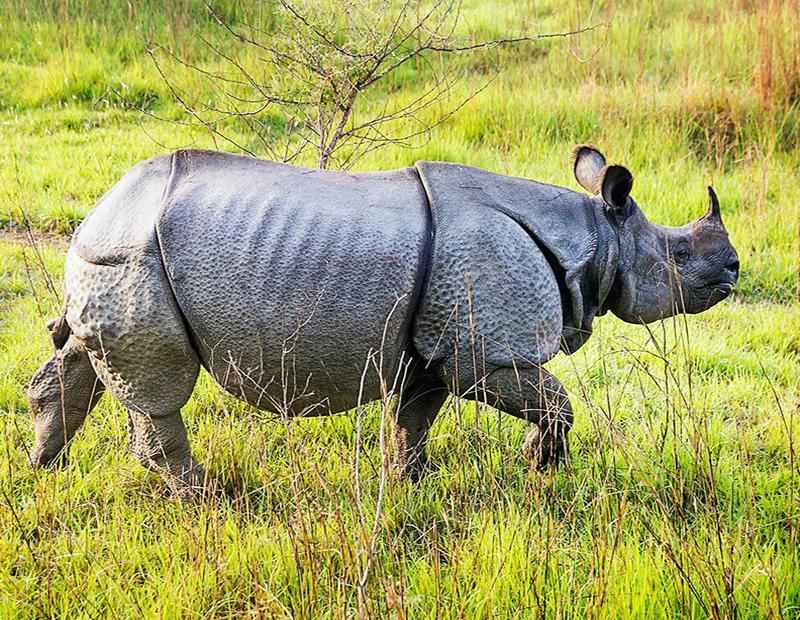
Spot rare wildlife, including one-horned rhinoceroses, wild elephants, deer, wild boars and crocodiles.
Enjoy guided jungle walks through dense sal forests, grasslands and riverine habitats.
Discover the scenic beauty of the Karnali and Babai river landscapes.
Experience birdwatching with opportunities to observe kingfishers, hornbills, eagles, storks and migratory birds.
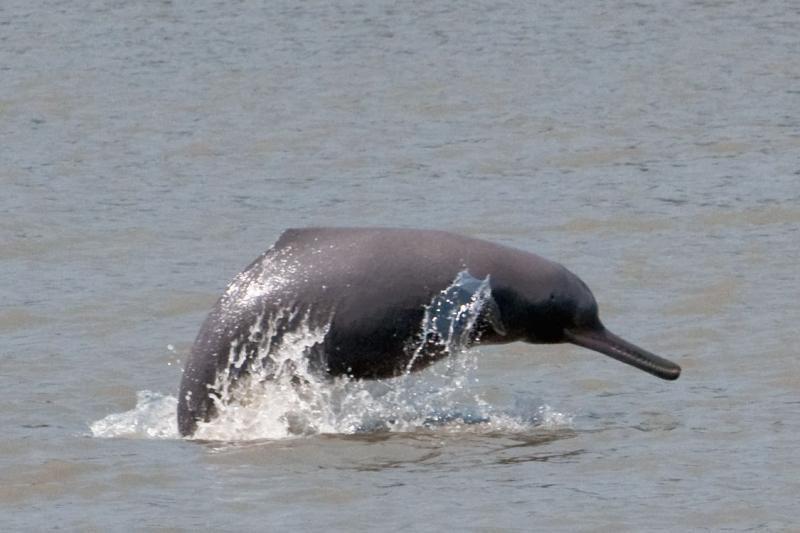
Explore the Karnali River ecosystem, with possible sightings of gharials, crocodiles and Gangetic river dolphins.
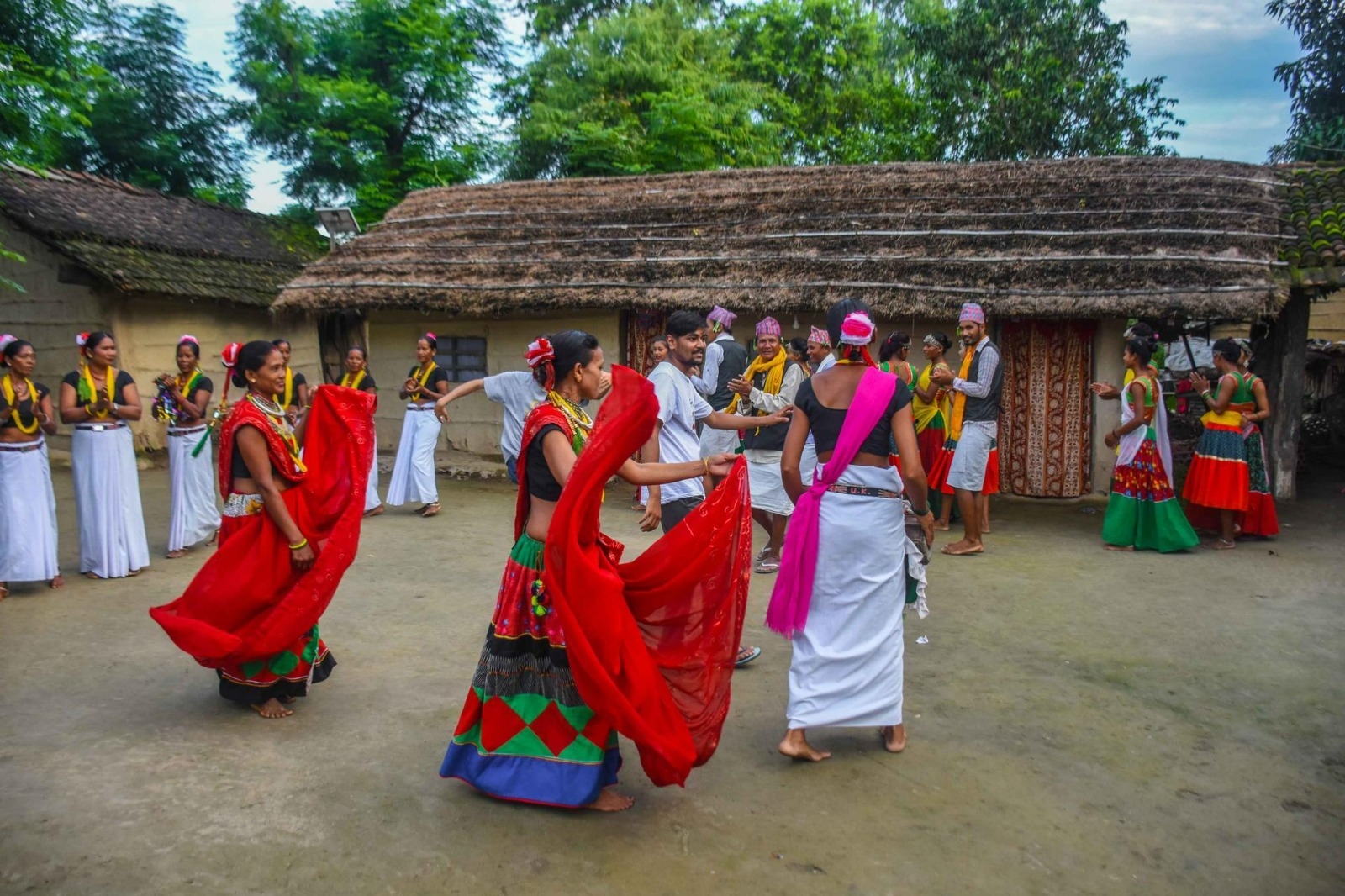
Discover traditional Tharu villages and experience their unique culture, lifestyle and hospitality.
Enjoy authentic Tharu cultural performances, traditional music and local cuisine.
Capture stunning wildlife photographs and explore peaceful natural landscapes.
Learn about wildlife conservation, forest ecology and animal tracking from experienced local naturalists.
Experience a peaceful jungle adventure away from Nepal’s crowded tourist destinations.
You will land in Kathmandu, where our company representative will be at the arrival gate, holding your name card and waiting for you to drive to the hotel in Kathmandu.
Take a domestic flight from Kathmandu to Nepalgunj, followed by a road transfer of approximately 2–3 hours to Thakurdwara, the main tourist gateway to Bardia. After checking into your lodge, enjoy lunch and relax in the peaceful surroundings.
In the afternoon, take a short village walk or visit the nearby community, depending on arrival time. Your guide will explain the upcoming safari activities and park safety rules.
Overnight: Safari lodge or hotel
Wildlife exploration and photography
Start early with breakfast or a packed meal before entering the park on an authorized jeep safari. Explore forest tracks, grasslands and riverine habitats with a wildlife guide. Look for Bengal tigers, rhinoceroses, elephants, deer, wild boar, monkeys and birds. Stop at permitted observation areas for wildlife photography and interpretation.
Return to the lodge in the late afternoon. Enjoy dinner and discuss the day’s sightings with your guide.
Overnight: Safari lodge
Forest ecology and animal tracking
After breakfast, join an authorized guide for a nature walk in an area approved for visitors. Learn how naturalists interpret footprints, animal calls, feeding signs and the relationships between different species.
Depending on conditions, explore forest edges, grasslands and bird habitats. Take a midday break before an afternoon birdwatching session or a short excursion near the lodge. Walking routes and access will depend on park regulations, wildlife activity and safety assessments.
Overnight: Safari lodge
River landscape and aquatic wildlife
Travel to a suitable river access point for a guided excursion, if permitted and conditions are safe. Enjoy the beautiful river scenery while looking for waterbirds, crocodiles and, with luck, the Gangetic river dolphin. Learn about the river ecosystem, local fishing traditions and the importance of protecting aquatic habitats. Depending on the season, the rest of the day can include a nature walk or a visit to a scenic viewpoint.
Overnight: Safari lodge
Local traditions, people and daily life
Visit a nearby Tharu community with a local guide. Learn about traditional houses, farming, local food, family life and the community’s relationship with the national park. Visit a village shrine or cultural site where appropriate, and hear about regional religious traditions. Depending on availability, enjoy a traditional dance and music performance in the evening. This day gives you time to appreciate the human side of Bardia beyond its wildlife.
Overnight: Safari lodge or community homestay.
More time to explore the wilderness
Spend another morning or full day on a guided safari, choosing authorized routes based on recent wildlife signs and your interests. A second safari gives you more opportunities to observe animals that may not have appeared during your first outing. Enjoy photography, learn more about conservation and explore different habitats.
In the evening, relax at the lodge or visit a community-based tourism project.
Overnight: Safari lodge
Departure and onward travel
After breakfast, transfer to Nepalgunj Airport for your return flight to Kathmandu. If your flight schedule allows, enjoy a short village walk or breakfast overlooking the countryside before departure.
Your incredible journey comes to an end today. After breakfast, our representative will transfer you to Tribhuvan International Airport for your onward flight. We hope you leave with wonderful memories and look forward to welcoming you again to Nepal.
Bardia is one of Nepal’s important tiger habitats. Join experienced local naturalists on a jeep safari or guided nature walk to look for tigers and learn about their habitat. Wildlife sightings are never guaranteed, but the search itself is an exciting part of the adventure.
Explore forests, riverbanks and tall grasslands that support one-horned rhinoceroses, wild elephants, swamp deer, spotted deer, wild boar, monkeys and other wildlife.
Enjoy the scenery around the Karnali River, with opportunities for birdwatching and, where locally permitted and conditions allow, guided river excursions. The river ecosystem supports crocodiles, gharials and many waterbirds.
Visit a traditional Tharu village, learn about local farming and traditional houses, discover regional food and hear about the close relationship between communities and the surrounding forests.
Experience sal forests, open grasslands, wetlands and riverine woodland. The landscape changes with the seasons, creating different opportunities for photography, birdwatching and wildlife observation.
Travel through authorized park routes with a licensed guide and wildlife naturalist. Look for tigers, rhinoceroses, deer, wild boar, elephants and birds while learning about wildlife conservation. Full-day excursions may include breaks at designated locations.
Explore the forest on foot with an authorized naturalist or guide. Learn to recognize animal footprints, calls, tracks, plants and signs of wildlife. Follow all park safety instructions and never approach wild animals.
Watch kingfishers, eagles, storks, hornbills and other resident or migratory birds. Depending on river conditions and permitted local operations, enjoy a guided river trip with opportunities to look for aquatic wildlife, including the Gangetic river dolphin.
Meet local residents, discover traditional architecture, learn about farming and local customs, and enjoy traditional music or dance when a community programme is available.
Spend quiet time photographing the landscape, enjoying the sounds of the forest, watching birds and relaxing in your lodge garden after safari activities.
The Tharu are an Indigenous people of Nepal’s Terai region and are among the main communities visitors encounter around Bardia. Their lives have traditionally been closely connected with agriculture, forests, rivers and the local environment.
During a village visit, you may learn about:
The experience offers an opportunity to understand how local communities live alongside a protected natural landscape. Visitors should ask permission before photographing people or entering private homes.
The region has a diverse religious heritage. Hinduism is widely practiced, and many Tharu communities also maintain distinctive ancestral beliefs, nature-related rituals and local spiritual traditions. Buddhist and Muslim communities are also present in the wider region.
Small temples, village shrines, festivals and household rituals form part of everyday cultural life. Your guide can explain the traditions of the particular village you visit rather than assuming that every Tharu community follows the same customs.
One important celebration is Maghi, a major Tharu festival associated with the beginning of a new year or seasonal cycle. Its timing, activities and celebrations vary by community.
Bardia National Park covers approximately 968 square kilometres in western Nepal’s Terai lowlands. Its habitats include:
The park is bordered by the Karnali River to the west, while the Babai River flows through the park. The Churia hills form part of its northern landscape.
Pleasant post-monsoon conditions, greener landscapes and good opportunities for jeep safaris, birdwatching and cultural visits.
A strong period for wildlife tracking. As grass becomes shorter and water sources become more important, animals may be easier to spot. March and April can be very hot.
The monsoon brings lush vegetation and dramatic landscapes, but heavy rain, muddy roads, high rivers and restricted safari access can affect activities.
Generally suitable for a safari, with cooler mornings and evenings. Bring warm layers and check local conditions before traveling.
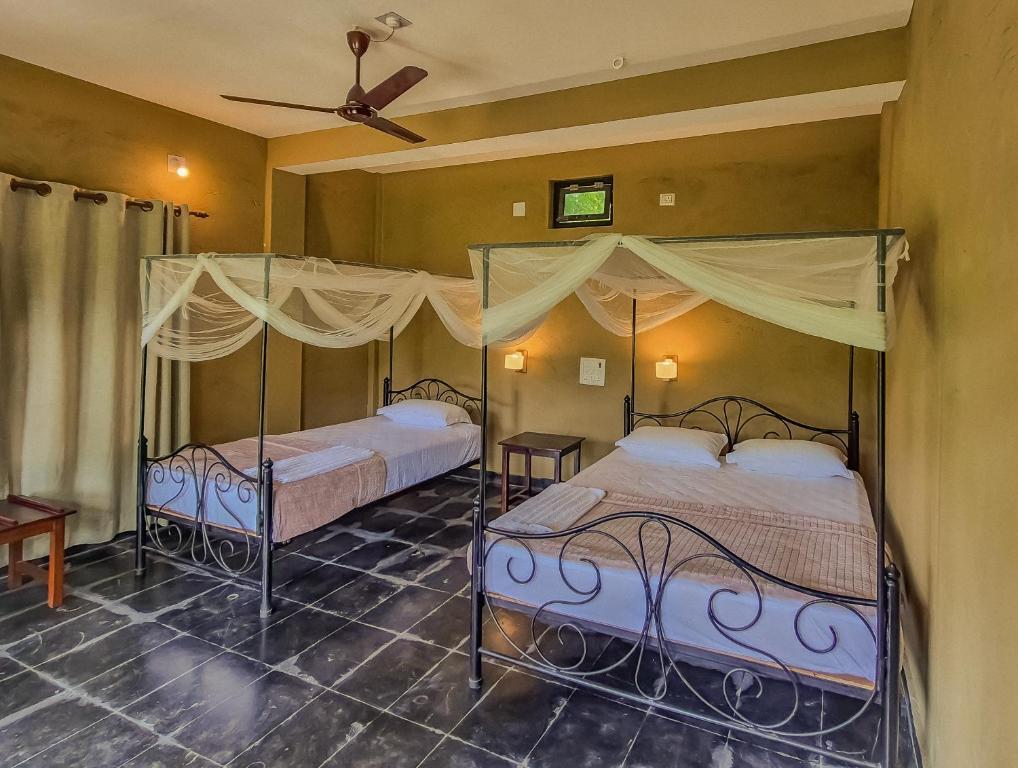
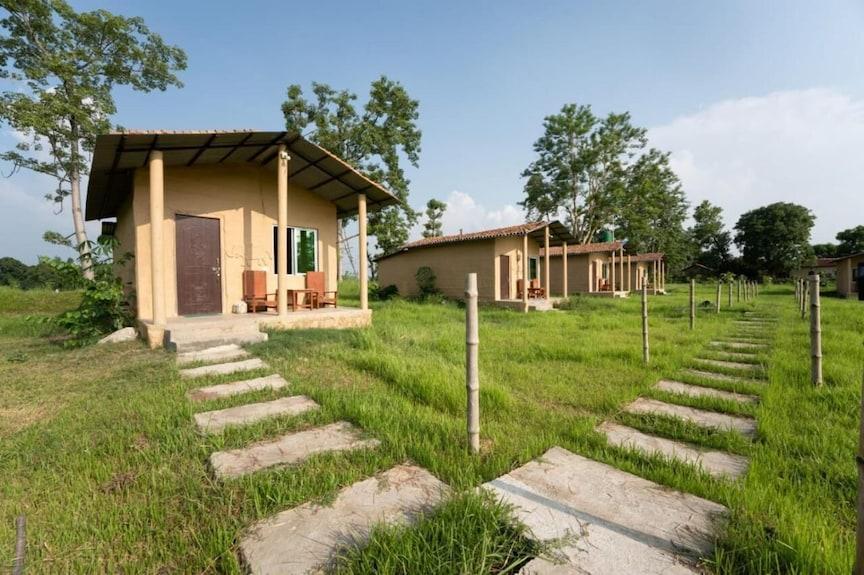
Accommodation is mainly found in and around Thakurdwara, with options ranging from simple guesthouses and community homestays to comfortable safari lodges and premium nature lodges.
Fly from Kathmandu to Nepalgunj in approximately 45 to 60 minutes, then travel by road to Thakurdwara in around 2 to 3 hours. This is the most practical choice for a 7-day tour. Flight schedules and journey times can vary.
Travel by tourist bus or private vehicle from Kathmandu. The road journey is long, often around 14 to 16 hours or more depending on traffic and road conditions. Allow extra time or break the journey if you prefer a more relaxed trip.
Note: Always follow your guide’s instructions, maintain a safe distance from wildlife, avoid feeding animals, and respect park regulations. Tiger sightings and other wildlife encounters cannot be guaranteed.
Explore Nepal Trails can present Bardia as more than a jungle drive: a complete western Nepal experience combining wildlife, nature, local culture and responsible tourism.
Discover the wild heart of Nepal, listen to the sounds of the jungle, explore the banks of the Karnali River and experience the hospitality and traditions of the Tharu people. Whether you are a wildlife enthusiast, photographer, nature lover or cultural traveler, Bardia offers a memorable opportunity to experience Nepal beyond its Himalayan trekking routes.
Bardia National Park is located in western Nepal’s Terai lowlands. Covering approximately 968 square kilometers, the park is known for its dense sal forests, open grasslands, river ecosystems and diverse wildlife. Thakurdwara serves as the main tourist gateway to the national park.
Bardia National Park is famous for its Royal Bengal tigers, one-horned rhinoceroses, wild elephants, crocodiles and diverse bird species. It is also known for its peaceful wilderness, guided jungle safaris, Karnali River landscapes and traditional Tharu cultural experiences.
A Bardia safari can be explored through customized itineraries of varying lengths. The Explore Nepal Trails itinerary provided covers 9 days, including arrival and departure in Kathmandu, wildlife safaris, jungle walks, river exploration and Tharu cultural experiences.
Visitors may encounter Royal Bengal tigers, onehorned rhinoceroses, wild elephants, spotted deer, swamp deer, wild boars, monkeys and crocodiles. The park also supports numerous bird species and aquatic wildlife, including the rare Gangetic river dolphin. Sightings depend on wildlife movement and environmental conditions.
Bardia is particularly appealing to travelers seeking a quieter and less crowded jungle experience. Both national parks offer excellent wildlife observation opportunities, but Bardia is especially attractive for its remote wilderness, tiger habitat and peaceful natural environment.
Our safari package includes guided jeep safaris, nature walks, birdwatching, river exploration and Tharu village visits. Travelers can also enjoy wildlife photography, cultural experiences and opportunities to learn about conservation from experienced local naturalists.
Yes, Bardia National Park is an important habitat for Royal Bengal tigers. Visitors can search for tigers during guided jeep safaris or authorized nature walks. However, tiger sightings are never guaranteed because these animals roam freely in their natural habitat.
Guided jungle walks are conducted in authorized areas under the supervision of experienced naturalists. Visitors must follow park safety regulations, remain with their guides and maintain a safe distance from wild animals. As Bardia contains dangerous wildlife, no jungle walk can be considered completely risk-free.
The best times to visit Bardia National Park are generally October to November and February to April. These periods offer favorable opportunities for jungle safaris, wildlife observation and birdwatching. March and April can be particularly hot, so early morning activities are recommended.
Yes, Bardia National Park can be visited during December and January. Cooler temperatures make daytime exploration comfortable, although mornings and evenings can be chilly. Visitors should bring warm clothing and check local safari conditions.
Bardia experiences monsoon conditions from approximately June to September. Although the forests become lush and green, heavy rainfall, muddy roads and rising river levels can restrict safari activities. Travelers should confirm park access and weather conditions before planning a monsoon visit.
February to April is generally a favorable period for searching for tigers because shorter grasses and changing water availability can improve wildlife visibility. However, tiger movements are unpredictable, and sightings cannot be guaranteed during any month.
The most convenient option is to fly from Kathmandu to Nepalgunj, taking approximately 45 to 60 minutes, followed by a 2 to 3 hour drive to Thakurdwara. Alternatively, travelers can make an overland journey of approximately 14 to 16 hours or longer, depending on road conditions.
Yes, visitors need the applicable national park entry permit or ticket to enter Bardia National Park. Additional permissions or activity fees may apply to certain excursions. The proposed Explore Nepal Trails package includes park entry permits and applicable activity fees, subject to the confirmed booking.
Travelers can choose from standard safari lodges, eco-lodges and community homestays around Thakurdwara. Accommodation options range from simple guesthouses to comfortable nature-focused lodges, allowing visitors to select their preferred comfort level and budget.
Pack lightweight, neutral-colored clothing, comfortable walking shoes, sunscreen, insect repellent, sunglasses and a hat. Binoculars and a camera with a zoom lens are useful for wildlife observation. Carry a light jacket during winter and rain protection during wetter months.
There are no reviews yet. Be the first one to write one.

Explore Nepal Trails is your trusted partner for trekking, peak climbing, and mountaineering adventures in Nepal. From classic Himalayan treks to high-altitude expeditions and cultural journeys, we deliver safe, well-planned, and unforgettable travel experiences.
We Accept

Join our community of over 200,000 global readers who receive emails filled with news, promotions, and other good stuff.

WhatsApp us