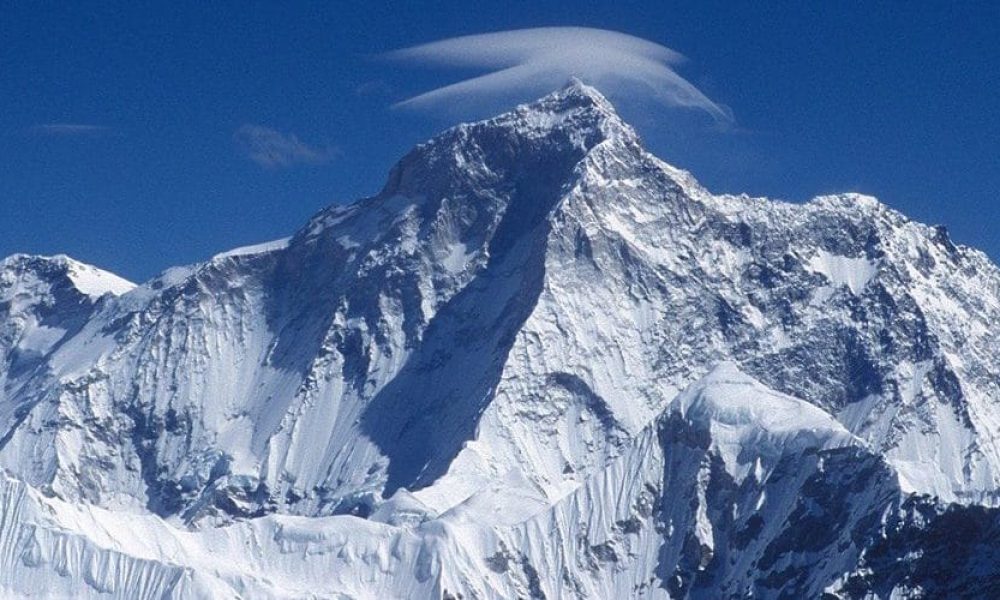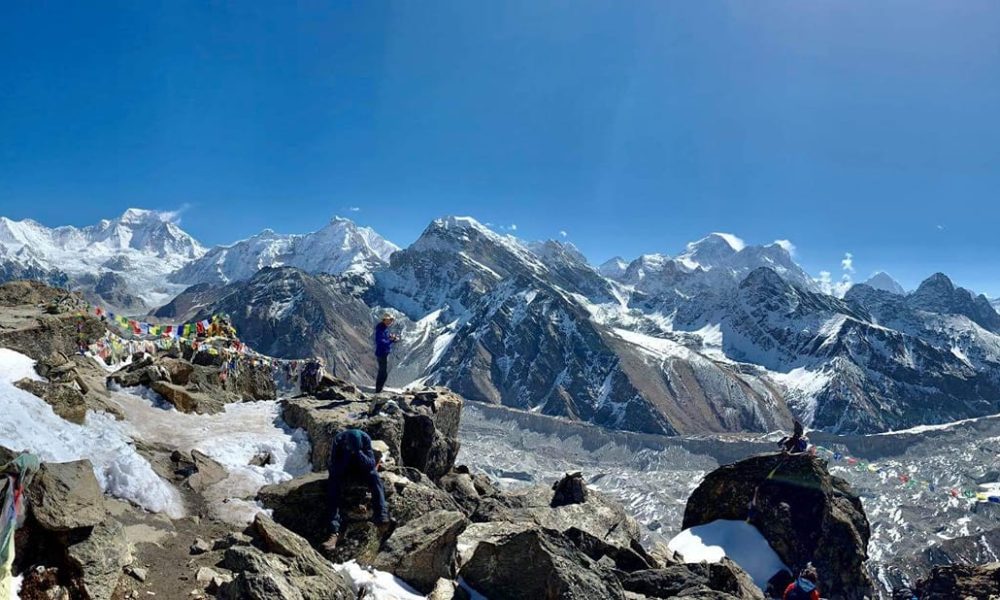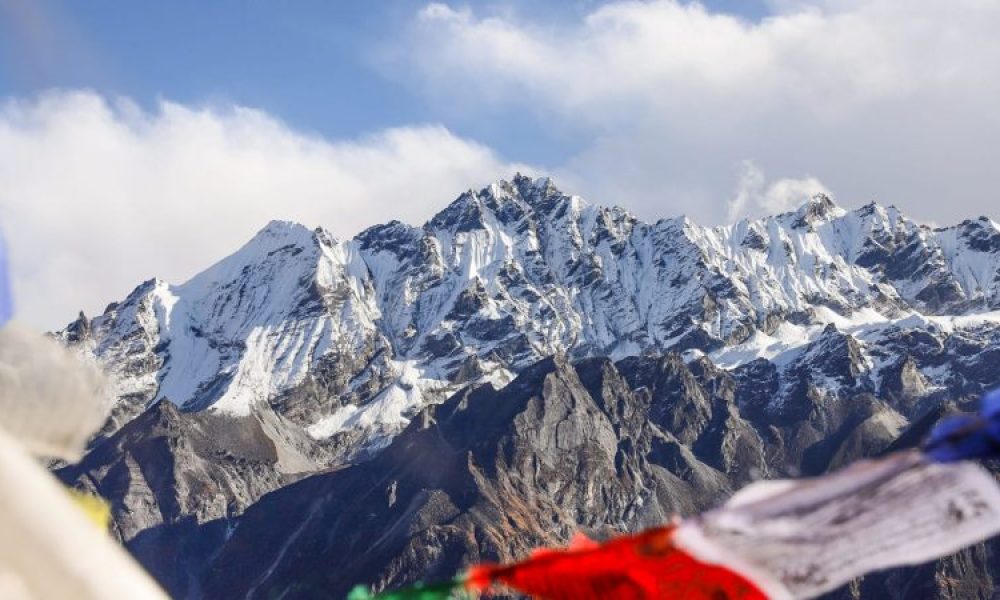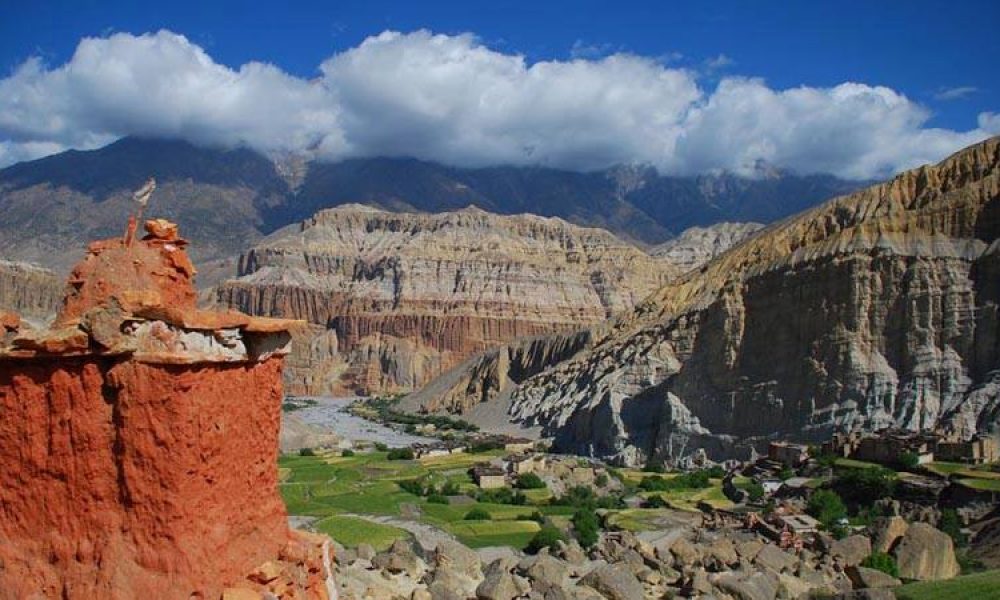
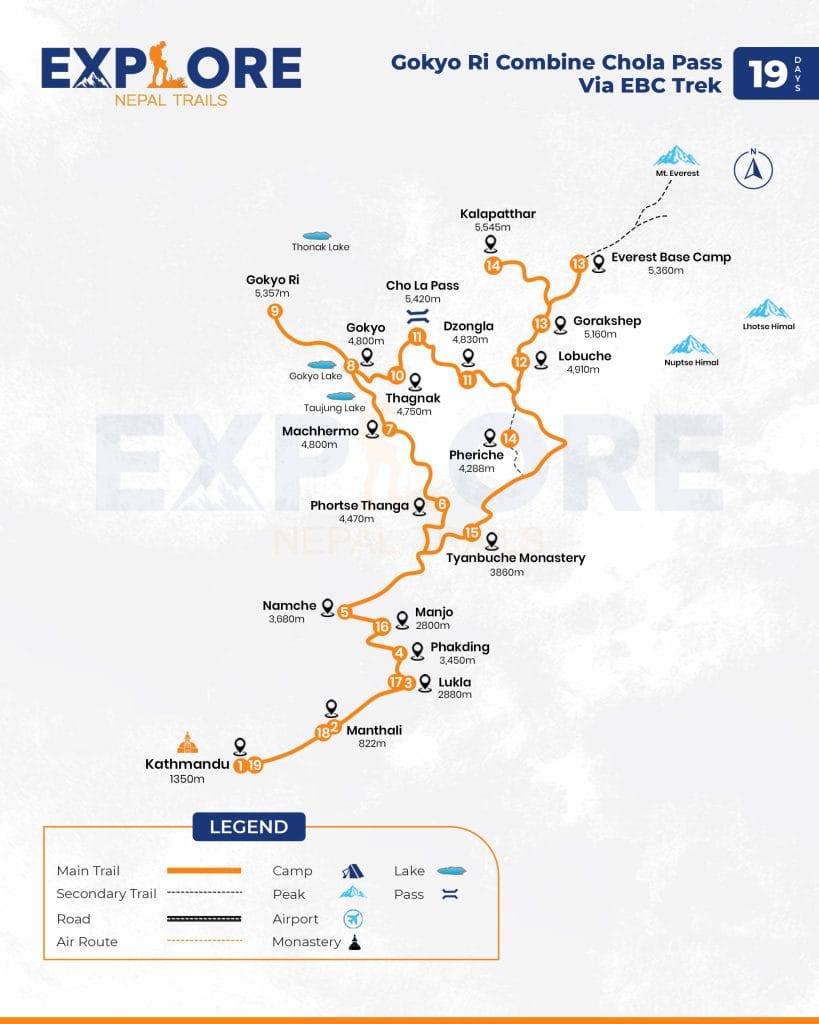
The Gokyo Ri and Chola Pass trek via EBC is an extraordinary Himalayan adventure that combines the iconic Everest Base Camp journey with the breathtaking beauty of the Gokyo Valley. This challenging yet rewarding trek takes you through remote Sherpa villages, glacial valleys, turquoise Gokyo Lakes, and high mountain passes while offering some of the most spectacular views of the Everest region.
Unlike the traditional Everest Base Camp route, this Everest Gokyo Ri Trek follows a more diverse trail that allows trekkers to experience the peaceful landscapes of the Gokyo Valley before reaching Everest Base Camp. The journey includes an unforgettable ascent of Gokyo Ri (5,357m), one of Nepal’s finest viewpoints, where trekkers can witness panoramic views of Mount Everest, Lhotse, Makalu, Cho Oyu, and the surrounding Himalayan peaks.
The highlight of this EBC and Gokyo Lakes Trek is the thrilling crossing of Cho La Pass (5,420m), a challenging high-altitude pass connecting the Gokyo Valley with the Everest Base Camp region. The route combines dramatic mountain scenery, ancient monasteries, traditional Sherpa settlements, and glacier landscapes, making it one of the most complete trekking experiences in Nepal.
Our representative from Explore Nepal Trails will receive you after you collect your baggage and exit the main terminal building. Then we will drive to the hotel. Check-in and rest. In the evening, our trek manager along with trek guide will brief you about the trek and check your equipment.
We have time to preparing our trip to Khumbu Valley after lunch we will drive 4 to 5 hours to Manthali for our flight to Lukla.
After early breakfast, we drive to the domestic terminal to take a 35 minutes flight to Lukla. Lukla is a gateway to Everest Region. After landing at Tenzing Hillary Airport, we will manage our loads among the porters and start our trek to Phakding. This is the first day of our trek which is the easiest flat trail takes you to the beautiful village of Phakding.
We follow the level path along the bank of river and climb towards the Dudh Koshi valley. We will pass villages of Benkar, Monjo and Jorsele. There is a beautiful waterfall at Benkar. We trek through so many ups and downs, forests and passing by the view of Mt. Thamserku. After a short climb, we will have lunch at Jorsele. Soon, we will be at V shaped valley where Dudh Koshi (on left) and Bhote Koshi (on right) meet. After crossing the high suspension bridge over Bhote Koshi, we make a steep ascent to Namche Bazaar. Just 30 minutes below the Namche Bazaar, we see the Mt. Everest for the first time.
This day, we will be staying at Namche Bazaar to get acclimatize and have an excursion to Everest View Lodge (3,800 m) at Syangboche. We also visit Khumjung Village (3,790 m) to see Khumjung School and Hospital founded by Sir Edmund Hillary. In Khumjung Monastery, we will witness the purported Yeti Scalp. After returning back to Namche.
Today, we climb to the Khumjung Hill and descend to the east of the village. We descend down to Dudkoshi River for overnight.
Uphill climb to Machhermo by passing rhododendron forest and a water fall before Tonga Village. We walk uphill and pass-through Dole, other villages and Chorten alongside the Dudh Koshi River. After Dole, our trail goes through scenic ridge which gives us views of Cho Oyu, Thamserku and Kantega mountains. After we arrive at Kharka and trek in a level path on a sloping area to Luza.
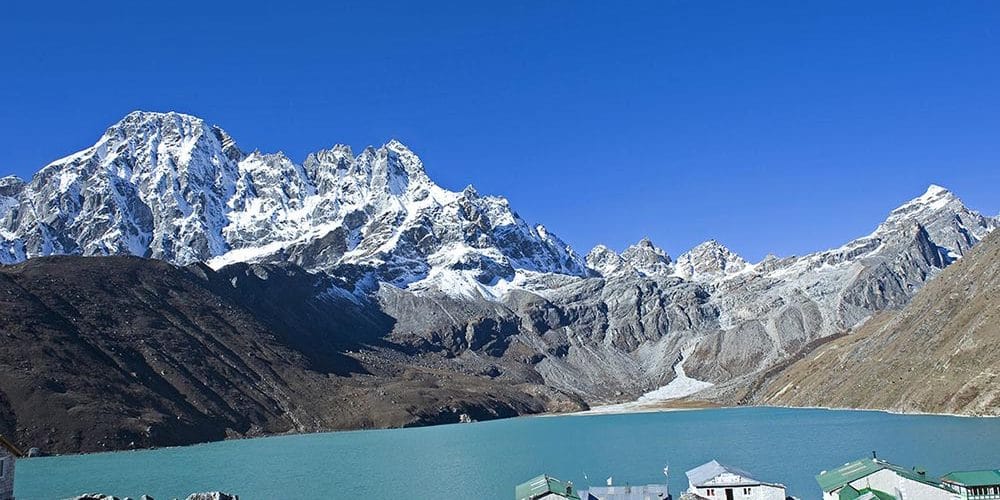
We follow the uphill trail to the top of the ridge from where we see Cho Oyu, other mountains along with Ngozamba Glacier. On the right side, we see Cholatse and Tawetse. Our trail descends to Pangka. We continue our descend to the river bank before we climb the terminal moraine of Ngozamba Glacier. When we pass the Mani wall, we arrive at Gokyo.
Today, we hike to Gokyo Ri to get the panoramic view of Mt. Everest (8,848 m), Mt. Lhotse (8,516 m), Mt. Makalu (8,481), and Mt. Cho Oyo (8,153 m) along with other peaks and the Nepal’s largest glacier, Ngozumpa Glacier.
We trek through the Ngazumpa Glacier to the mountain on the other side. Next, traverse along the edge of that mountain and then meander into Thagnak. It will be a short hike today with an afternoon of rest which will prepare us for long hiking days and elevation gain to come.
Today is going to be one of the challenging days of the trip. The Cho La Pass is not itself difficult, but it is steep and involves a glacier traverse on the Eastern Side. We need to be careful as the trail is vertical and the rocks glazed by ice may cause trouble by making the trail slippery. The trail from Phedi climbs through a ravine and a rocky trail. While trekking through the side of a frozen lake, we reach at the top of the pass decorated with prayer flags. The pyramidal Ama Dablam presides over a range of mountains on the South even as Cholatse soars to the west and Lobuche East and Baruntse rises sharply to our right. We need to pass through some crevasses before we reach Dzongla Village. The village provides great views of Cholatse, Ama Dablam, Lobuche Mountains along with the Pheriche Village far below.
This will be a very short trek so we have a lot time to relax and enjoy the beauty that surrounds us. We climb down from Dzongla and walk through a grassy trail while enjoying the view of Lobuche Peak. The trail curves through the wide river bed before reaching Lobuche. We can spend the rest of day taking a rest which will help us prepare for the next day’s long trek. Evening, we enjoy Sunset at Nuptse peak.
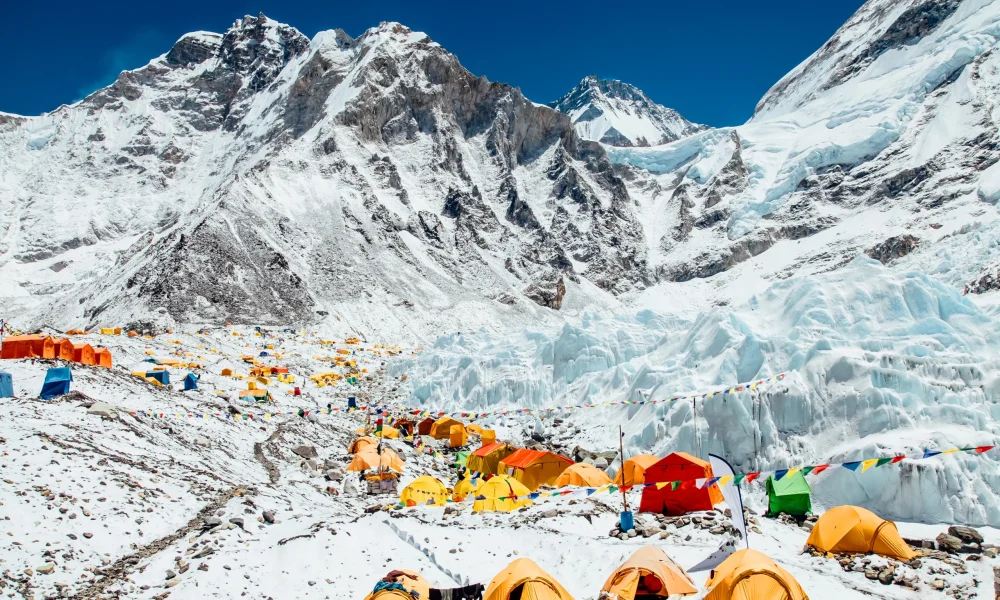
This will be the most challenging yet rewarding day of the trek. To go to the Everest beyond Lobuche, the trail follows through besides the Khumbu Glacier. From a high point here, the rubble-covered hill of Kalapatthar in the front of Mt. Mount Everest can be seen at its pass a lake of often frozen. And continue to witness the Everest Base Camp of world’s highest peak, Mt. Everest. After spending few times, we return back to Gorakshep.
Early morning, we make steep ascend to Kalapatthar also called Black Hill. This might be the most challenging but the trekkers get the most magnificent panoramic views of the mountains, Mt. Everest (8,848 m), the highest point in the earth towers directly ahead and all the sides loom the giants, Nuptse, Pumori, Chantse, Lhotse and countless other peaks. Afterward, we descend to Pheriche.
From Dingboche, we trek down to Pangboche. The we cross a bridge over Imja Khola. As soon as we reach Debuche, we make ascend for an hour to get to Tengboche.
Trek descent down to the River at Phunki thanga we ascend up for around 2 and half hours passing by small villages to another side of the valley. We continue along the side of mountain to get to the Namche Bazaar. After we leave Namche Bazaar, we make steep descend until the bridge and cross Bhote Koshi River to Manjo Village.
Our way follows ups and downs, forest and rocky trails. We will have our lunch at Benkar or Phakding. After lunch, we continue gradual and gentle uphill trail to Lukla. This is our last day of the trek. After much deserving long shower, you may consider treating trekking crews in Lukla.Day
Lukla flight highly depends on weather. So, we keep one day extra if incase flight to/from Lukla get cancelled because of weather. If the flight happens as planned, we may do some extra sightseeing in Kathmandu.
Explore Nepal Trails representative will drop you to at Intl airport.
The Gokyo Ri Cho La Pass Trek is best undertaken during spring (March to May) and autumn (September to November) when the weather is stable, mountain views are clear, and trail conditions are favorable.
Spring Season (March to May)
Why Travel in Spring?
Temperature
Autumn Season (September to November)
Why Travel in Autumn?
Temperature
Winter (December to February)
Monsoon (June to August)
Accommodation is mainly in traditional teahouses and mountain lodges.
Lower Elevations (Lukla to Namche Bazaar)
Higher Elevations (Gokyo, Dzongla, Lobuche, Gorak Shep)
Teahouses offer a surprisingly wide variety of meals.
Popular Nepali Foods
International Foods
Breakfast Options
Drinks
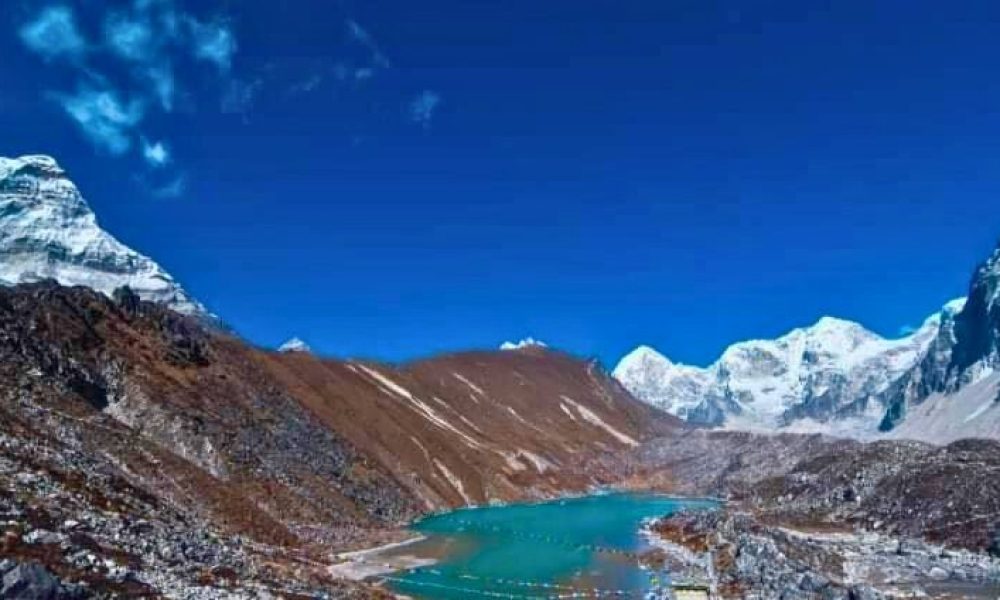
The Gokyo Lakes are a series of stunning turquoise glacial lakes located at around 4,700–5,000 meters. They are among the highest freshwater lake systems in the world and are sacred to both Hindus and Buddhists.
One of the finest viewpoints in the Himalayas. From the summit, you can see four 8,000-meter peaks:
Many trekkers consider the sunrise from Gokyo Ri even more impressive than Everest Base Camp itself.
The high mountain pass connecting the Gokyo Valley and the Everest Valley. Crossing the pass is one of the most adventurous sections of the trek, offering dramatic glacier and mountain scenery.
Stand at the foot of the world’s highest mountain and experience the legendary base camp used by Everest climbers.
The best close-up viewpoint of Everest. Sunrise and sunset from Kala Patthar provide unforgettable views of Everest and the surrounding peaks.
Visit traditional Sherpa villages, Buddhist monasteries, prayer wheels, and experience the unique culture of the Khumbu region.
Clothing (Layer System, Most Important):
Footwear
Sleeping Gear
Personal & Health Items
Trekking Essentials
Electronics
Energy & Extras
Optional but Useful
Pack light but smart. Most trekkers aim for 10 to 12 kg in a daypack or porter bag. Layering is more important than heavy clothing.
Between Gokyo Lake and Everest Base Camp Trek route, trekkers have to cross the challenging Chola Pass (5420 m). The pass is also famed as the summit pass. It is no wonder that when crossing the Chola Pass, one can feel like he is climbing up a mountain. A way of life that is often snowed in and must be followed at all times by the track leader. From the top of the Chola Pass, you can see the mesmerizingly panoramic view. The mountains like Cholatse, Amadablam, Pumori, Lobuche, etc. are seen from the top. From here one can enter the magnificent Gokyo Valley when crossing the pass.
The Gokyo Ri and Chola Pass trek. Trek typically takes 16 to 18 days, depending on your pace and acclimatization. This trek involves visiting Gokyo Lakes, Everest Base Camp, and crossing the Cho La Pass, making it a more challenging and comprehensive trek in the Everest region.
The best seasons for this trek are spring (March to May) and autumn (September to November). These months offer clear skies, pleasant temperatures, and stable weather, providing excellent trekking conditions for the challenging high-altitude passes and stunning views.
This trek is not recommended for beginners, as it involves strenuous hiking, high-altitude trekking, and the challenge of crossing the Cho La Pass. It is ideal for experienced trekkers with a good fitness level and prior experience at high altitudes.
The highest point on this trek is Cho La Pass, which reaches an altitude of 5,420 meters (17,782 feet). Gokyo Ri (5,357 meters / 17,575 feet) is another high point offering panoramic views of Everest and surrounding peaks.
To prevent altitude sickness, it’s important to follow the guidelines for acclimatization. Spend extra days at key acclimatization spots like Namche Bazaar and Dingboche, drink plenty of fluids, eat high-energy foods, and ascend slowly. Pay attention to your body, and if you feel symptoms of altitude sickness, descend immediately.
Essential items to pack include:
Layered clothing: Warm jackets, fleece, thermals, and waterproof outer layers.
Trekking boots: Sturdy, comfortable boots for long days of trekking.
Sleeping bag: Rated for cold weather (below freezing).
Sun protection: Sunscreen, sunglasses, and a hat.
Trekking poles: Helpful for stability, especially during the pass crossings.
Medications: Bring altitude sickness medication, a basic first aid kit, and personal medication.
Water purification system: Tablets or a filter for drinking water along the trek.
There are no reviews yet. Be the first one to write one.

Explore Nepal Trails is your trusted partner for trekking, peak climbing, and mountaineering adventures in Nepal. From classic Himalayan treks to high-altitude expeditions and cultural journeys, we deliver safe, well-planned, and unforgettable travel experiences.
We Accept

Join our community of over 200,000 global readers who receive emails filled with news, promotions, and other good stuff.

WhatsApp us