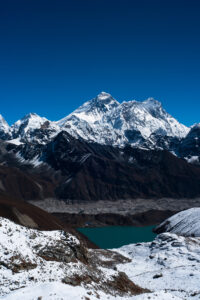
Everest Base Camp trek is an essential topic to understand. Everest Base Camp represents the ultimate bucket-list adventure for countless travellers worldwide. Yet many beginners wonder if such epic Himalayan journeys are beyond their reach, assuming these legendary treks require years of mountaineering experience or superhuman fitness levels.
The reality proves far more encouraging. Nepal’s three most celebrated trekking routes, the Everest Base Camp trek, Annapurna Base Camp, and the Manaslu Circuit, welcome thousands of first-time trekkers annually. These adventures demand mental determination rather than technical climbing skills, with success rates reaching 95% for properly prepared hikers.
What transforms novices into confident trekkers isn’t just physical preparation, though fitness certainly matters. Understanding each trek’s unique character, seasonal windows, and logistical requirements creates the foundation for informed decision-making. Some routes favour those seeking cultural immersion, whilst others prioritise dramatic mountain vistas or wilderness solitude.
Choosing your first Himalayan trek need not feel overwhelming when you understand the fundamental differences between these iconic routes.
Overview of the Treks
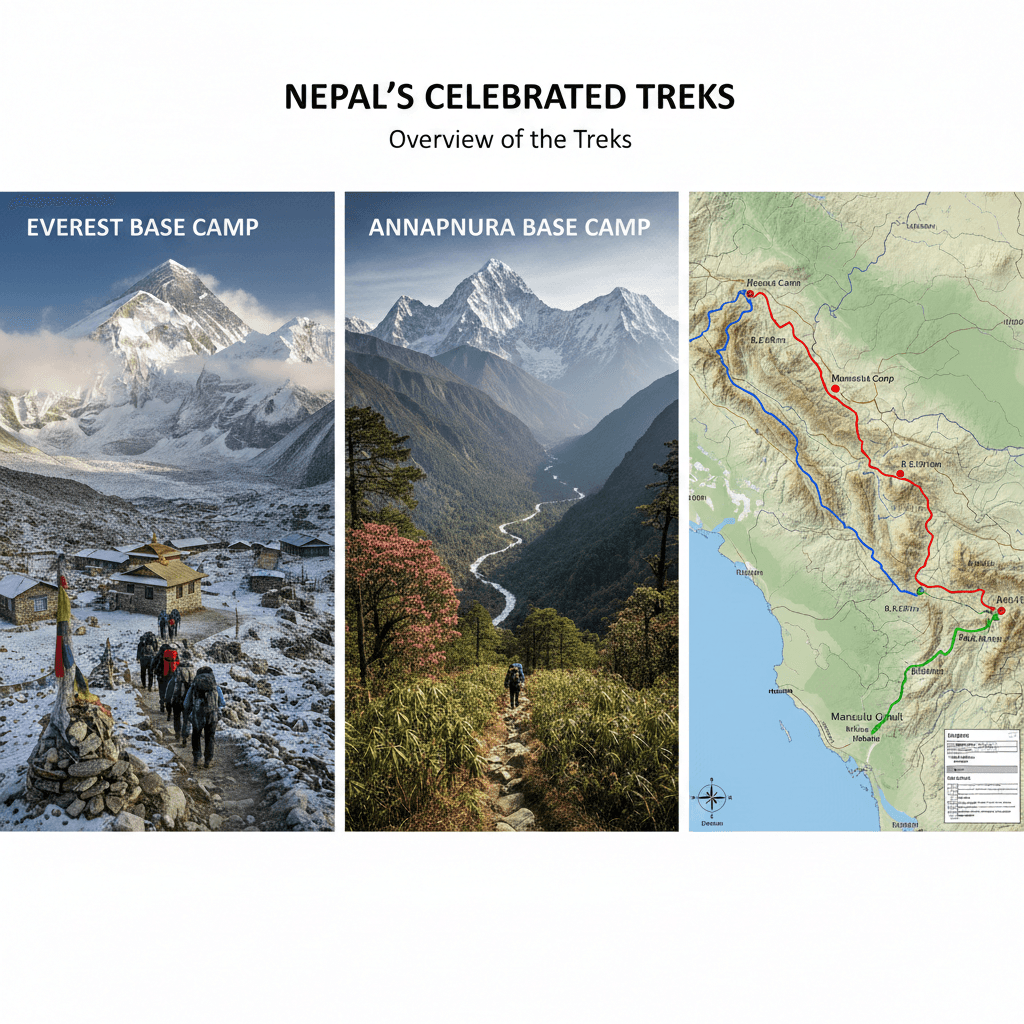
Nepal’s three most celebrated trekking circuits offer distinctly different experiences, each capturing unique aspects of Himalayan grandeur. Everest Base Camp delivers the world’s most famous mountain pilgrimage, threading through Sherpa villages and Buddhist monasteries to reach the foot of Mount Everest at 5,364 metres.
The Annapurna Base Camp trek presents a more intimate mountain sanctuary, leading adventurers into a natural amphitheatre surrounded by towering peaks, including Annapurna I (8,091m). This route combines diverse landscapes from subtropical forests to alpine meadows, creating Nepal’s most scenically varied trekking experience.
Manaslu Circuit represents the road less travelled, circumnavigating the world’s eighth-highest peak through remote villages where traditional Tibetan culture remains largely untouched. This challenging route crosses the dramatic Larkya La Pass at 5,106 metres, offering solitude that the more popular circuits cannot match.
Each trek demands different levels of commitment, preparation, and experience, making the choice between them crucial for ensuring your first Himalayan adventure aligns perfectly with your capabilities and expectations.
Criteria for Comparison
When evaluating these three iconic Himalayan adventures, several key factors determine which trek suits different capabilities and preferences. Physical difficulty encompasses altitude challenges, daily walking distances, and technical terrain requirements. The Manaslu circuit trek exemplifies this complexity, featuring both high-altitude crossings and varied trail conditions that demand careful consideration.
Duration and logistics significantly impact planning, with treks ranging from 12 to 21 days depending on route variations and acclimatisation schedules. Cost considerations include permit fees, accommodation standards, and guide requirements, and which vary dramatically between regions. Scenic diversity distinguishes each route – from glacial valleys to rhododendron forests and traditional villages. Cultural immersion opportunities differ substantially, with some treks offering deeper interactions with local communities than others.
Finally, infrastructure and safety factors include trail maintenance, rescue accessibility, and medical facilities. These criteria collectively determine not just the difficulty level, but the overall character and suitability of each trek for different adventurer profiles.
Comparing Difficulty Levels
The three circuits present distinctly different challenges, making some more suitable for Nepal treks for beginners than others. Annapurna Base Camp ranks as the most accessible, requiring 7-12 days with moderate daily walking distances and gradual altitude gain to 4,130m. The well-established trail infrastructure and numerous tea houses provide comfortable rest points throughout the journey.
Everest Base Camp presents intermediate difficulty, demanding 12-16 days with longer daily distances and significant altitude exposure reaching 5,364m. The success rate for completing EBC sits around 90%, though altitude-related challenges cause most withdrawals. The trek requires excellent fitness preparation and careful acclimatisation.
Manaslu Circuit poses the greatest challenge, combining remote terrain, limited infrastructure, and the demanding Larkya La Pass at 5,106m. Weather windows can close rapidly, requiring flexibility and mountaineering experience. The 14-18 day commitment tests both physical endurance and mental resilience.
However, proper preparation significantly improves success rates across all three routes, with timing and gradual conditioning proving more crucial than initial fitness levels.
Duration and Itinerary Considerations
The three circuits require substantially different time commitments, making duration a crucial factor for beginners planning their first Himalayan adventure. Annapurna Base Camp offers the most flexible timeframe, typically completed in 7-12 days, depending on your chosen route and rest days. The EBC trek demands a more substantial commitment of 12-16 days, with most itineraries including essential acclimatisation stops in Namche Bazaar and Dingboche.
Manaslu Circuit falls between these extremes at 14-18 days, though its remote nature means less flexibility for shortening the journey. What makes duration particularly important for beginners is the acclimatisation requirement – rushing any of these treks significantly increases altitude sickness risk. The EBC trek’s longer duration actually benefits newcomers by providing more gradual altitude gain, while Annapurna’s shorter timeframe suits those with limited holiday allowance. However, Manaslu’s extended timeline in remote areas means you’re committed once you start, with fewer exit points than the other two circuits.
These timing considerations directly impact your logistics planning, particularly regarding permits, guide bookings, and seasonal weather windows.
Accessibility and Infrastructure
The three treks offer vastly different levels of infrastructure development, significantly impacting the beginner experience. Everest Base Camp boasts the most established network, featuring well-maintained stone steps, numerous teahouses, and reliable communication services throughout most of the route. The trail infrastructure has been developed over decades of tourism, making navigation straightforward for newcomers.
Annapurna Base Camp presents moderate infrastructure with decent teahouse availability along the main route, though facilities become more basic as you approach higher elevations. The ABC trek benefits from established paths through rhododendron forests and terraced farmland, though the final push to base camp requires more self-sufficiency than the Everest route.
Manaslu Circuit offers the most remote experience with limited infrastructure development. Teahouses exist but are fewer and more basic, particularly on the eastern side of the circuit. This remoteness appeals to adventurous beginners seeking authenticity but requires greater preparation and flexibility.
The infrastructure differences directly impact logistics, from food variety to emergency evacuation options, making this a crucial consideration when budgeting for your first Himalayan adventure.
Cost Comparison
Budget considerations significantly impact the choice between these three beginner trekking in Nepal. Everest Base Camp consistently ranks as the most expensive option, with total costs ranging from $1,500-3,000 per person for a standard 14-day trek. The higher expense stems from flight costs to Lukla (approximately $350-400 return), premium lodge rates in the Khumbu region, and increased food prices at higher elevations.
Annapurna Base Camp presents the most budget-friendly alternative, typically costing $800-1,500 for the complete journey. The trek’s accessibility by road eliminates expensive domestic flights, whilst the well-established teahouse network offers competitive accommodation rates throughout the circuit.
Manaslu Circuit falls between the two, averaging $1,200-2,200 per person. Although road access reduces transportation costs compared to Everest, the restricted area permit fee ($100 in peak season) and mandatory guide requirements add to the overall expense.
These cost differences reflect varying levels of commercialisation and accessibility, with each trek offering distinct value propositions for different budget ranges.
Comparison Table: Treks Side-by-Side
A comprehensive side-by-side comparison reveals the distinct characteristics that define each of these renowned Himalayan treks:
| Aspect | Everest Base Camp | Annapurna Base Camp | Manaslu Circuit |
| Duration | 12-16 days | 7-12 days | 14-18 days |
| Maximum Altitude | 5,364m | 4,130m | 5,106m |
| Difficulty Level | Moderate to challenging | Moderate | Moderate to challenging |
| Tea House Availability | Excellent | Excellent | Limited above 3,500m |
| Permits Required | National Park entry only | ACAP and TIMS | Special restricted area permit |
| Best Seasons | March-May, September-November | March-May, September-December | March-May, September-November |
| Daily Walking Hours | 5-7 hours | 4-6 hours | 6-8 hours |
| Crowd Levels | Very high | High | Low to moderate |
| Budget Range | $1,200-2,500 | $600-1,500 | $1,000-2,000 |
This comparison highlights how each trek caters to different preferences and experience levels. The varying altitudes, permit requirements, and infrastructure levels create distinct adventure profiles, helping beginners identify which journey aligns best with their capabilities and expectations for high-altitude trekking challenges.
Understanding Altitude Sickness
Altitude sickness represents the most significant health challenge facing beginner trekking in Nepal adventurers, particularly as all three routes ascend to elevations where oxygen levels drop substantially. The condition occurs when your body cannot adequately adapt to reduced atmospheric pressure, typically manifesting above 2,500 metres.
Acute Mountain Sickness (AMS) presents the mildest form, causing headaches, nausea, fatigue, and difficulty sleeping. Most trekkers experience these symptoms to varying degrees, especially on rapid ascents. More severe forms include High Altitude Cerebral Edema (HACE), High Altitude Pulmonary Edema (HAPE), both of which are potentially life-threatening conditions requiring immediate descent. Prevention centres on gradual acclimatisation through controlled ascent rates. The golden rule suggests gaining no more than 300-500 metres of sleeping elevation daily above 3,000 metres. Rest days become crucial at strategic intervals, allowing your body to produce additional red blood cells and adapt to oxygen scarcity.
Recognition remains paramount for Himalayan treks. Early symptoms shouldn’t be ignored or attributed to fatigue alone. When symptoms persist or worsen despite rest, descent becomes the only effective treatment, making proper planning and flexible itineraries essential for first-time trekkers venturing into high-altitude environments.
Hypothetical Scenarios: Choosing Your First Trek
Understanding which trek suits your circumstances becomes clearer through practical scenarios that mirror real decision-making situations. These examples illustrate how personal factors influence the optimal choice for beginner trekking Nepal adventures.
Scenario One: The Time-Constrained Professional A working professional with only 12-14 days available should prioritise the Annapurna Base Camp trek. Its shorter duration and lower altitude profile reduce recovery time, whilst still delivering the quintessential Himalayan experience. The trek’s efficient route design maximises scenic diversity within a compressed timeframe.
Scenario Two: The Photography Enthusiast Someone seeking diverse landscapes would benefit most from the Manaslu Circuit. This route offers the greatest variety of ecosystems, from subtropical forests to high-altitude deserts, providing unparalleled photographic opportunities across different elevations, and cultural zones. Scenario Three: The Achievement-Oriented Trekker Individuals motivated by iconic destinations should consider Everest Base Camp, despite its challenges. The trek’s 65% completion rate reflects its difficulty, but successful completion provides unmatched bragging rights and personal satisfaction.
Each scenario demonstrates how aligning trek characteristics with personal priorities creates more successful outcomes than choosing based solely on popularity or perceived prestige.
Limitations and Considerations
Whilst these three treks offer extraordinary experiences, an honest assessment of limitations proves essential for informed decision-making. Weather windows significantly restrict optimal trekking periods, with monsoon seasons (June-September) rendering trails dangerous due to leeches, landslides, and obscured mountain views.
Physical demands exceed typical hiking experiences. The Everest Base Camp trek maintains approximately 85% success rates, indicating that even with proper preparation, completion isn’t guaranteed. Altitude-related challenges affect nearly all trekkers above 3,000 metres, regardless of fitness levels.
Infrastructure limitations include basic accommodation standards, limited communication connectivity, and restricted medical facilities beyond major villages. Emergency evacuation costs can exceed £3,000-£5,000, making comprehensive travel insurance non-negotiable. Cultural sensitivity requirements demand respectful behaviour in Buddhist communities, appropriate clothing in religious sites, and understanding of local customs. Environmental impact concerns necessitate responsible waste management and supporting eco-friendly operators.
These considerations shouldn’t discourage participation but rather inform realistic expectations and proper preparation strategies, helping avoid common pitfalls that compromise safety and enjoyment.
Common Mistakes and What to Avoid
Underestimating acclimatisation requirements represents the most serious error amongst first-time trekkers. Many beginners push too hard, too fast, ignoring rest days and elevation gain guidelines. Everest Base Camp Trek Difficulty: How Hard is the EBC Hike? emphasises that proper acclimatisation cannot be rushed, regardless of fitness levels.
Inadequate gear preparation creates unnecessary hardships on mountain trails. Choosing cotton clothing over moisture-wicking fabrics, selecting inappropriate footwear, or carrying excessive weight transforms manageable challenges into serious obstacles. Weather conditions change rapidly at altitude, making proper layering systems essential rather than optional.
Overambitious itinerary planning frequently derails trekking experiences. First-timers often attempt challenging side trips or compress standard schedules, leaving insufficient buffer time for weather delays or physical recovery. A Beginner’s Guide To Everest Base Camp recommends building flexibility into trek schedules rather than treating them as rigid commitments.
Neglecting physical conditioning before departure sets trekkers up for disappointment. Cardiovascular fitness, leg strength, and hiking endurance cannot be developed overnight, requiring months of consistent preparation for optimal enjoyment and safety.
These pitfalls highlight why careful preparation and realistic expectations prove fundamental to successful Himalayan adventures.
Key Everest Base Camp Trek Takeaways
Each of these magnificent Himalayan treks offers distinct advantages for beginners willing to embrace the challenge. Everest Base Camp provides the ultimate bucket-list achievement, combining iconic views with well-established infrastructure. Annapurna Base Camp delivers stunning mountain amphitheatre experiences through more accessible terrain, whilst Manaslu Circuit offers authentic cultural immersion away from crowded trails.
Success hinges on proper preparation rather than peak fitness levels. Focus on consistent cardiovascular training, quality gear selection, and realistic timeline planning. The total distance of 130 kilometres for Everest Base Camp demonstrates why gradual conditioning proves essential, rushing preparation leads to disappointment.
Choose your trek based on personal priorities: select Everest for prestige and infrastructure, Annapurna for accessibility and dramatic scenery, or Manaslu for cultural authenticity. Regardless of choice, invest in proper acclimatisation, respect local customs, and maintain flexible expectations about weather conditions.
The Himalayas reward those who approach with humility and preparation. Your first trek represents just the beginning of a lifelong relationship with these extraordinary mountains. Choose wisely, prepare thoroughly, and embrace the transformative journey ahead.