Adventure & Trekking in Nepal
Nepal tourism thrives on its extraordinary trekking infrastructure, where ancient trade routes have evolved into some of the world’s most celebrated hiking trails. The country offers trekking experiences across diverse terrain, from subtropical valleys to alpine passes above 5, 000 metres, and catering to everyone from first-time trekkers to seasoned mountaineers. Sustainable trekking in Nepal initiatives have transformed how visitors experience these trails. Local communities now benefit directly from tourism through teahouse networks, while regulations limit environmental impact through waste management programmes and seasonal restrictions. According to recent tourism data, April 2023 saw record arrivals of 171,500 visitors, many attracted by improved trekking facilities and conservation efforts.
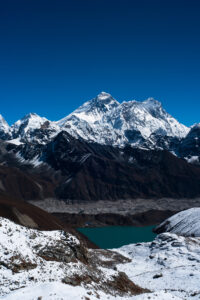
The classic routes, Everest Base Camp, Annapurna Circuit, and Langtang Valley, represent merely a fraction of available trails. Lesser-known paths through Manaslu, Makalu, and Kanchenjunga regions offer equally spectacular scenery with fewer crowds, whilst cultural treks through Mustang and Dolpo blend adventure with anthropological discovery. Teahouse trekking dominates the mainstream routes, providing comfortable accommodation and eliminating the need for camping equipment, though remote areas still require self-sufficient expeditions. Himalayan Mountains & Mountaineering Nepal’s defining feature remains its extraordinary mountain landscape, where eight of the world’s fourteen peaks above 8,000 metres pierce the sky. The country’s mountaineering heritage attracts climbers from novice adventurers to seasoned alpinists, each drawn by the magnetic pull of summits that have captivated humanity for generations.
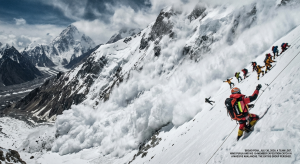
Mountain climbing in Nepal encompasses far more than Everest expeditions. Classic routes through Annapurna sanctuary offer Climbers progressive challenges Whilst lesser-known peaks like Mera Peak and Island Peak provide technical experiences without the crowds of the main giants. The infrastructure supporting this industry has matured considerably, with established base camps, communication systems, and evacuation protocols creating frameworks that balance adventure with safety considerations. However, increasing summit traffic raises legitimate concerns about environmental impact trekking and climbing activities. Waste management protocols have improved significantly, yet the sheer volume of visitors, particularly during record-breaking years like 2023 strains delicate high-altitude ecosystems. Responsible operators now emphasise low-impact practices, though enforcement remains inconsistent across different mountaineering destinations.
Introduction to Nepal’s Tourism Landscape
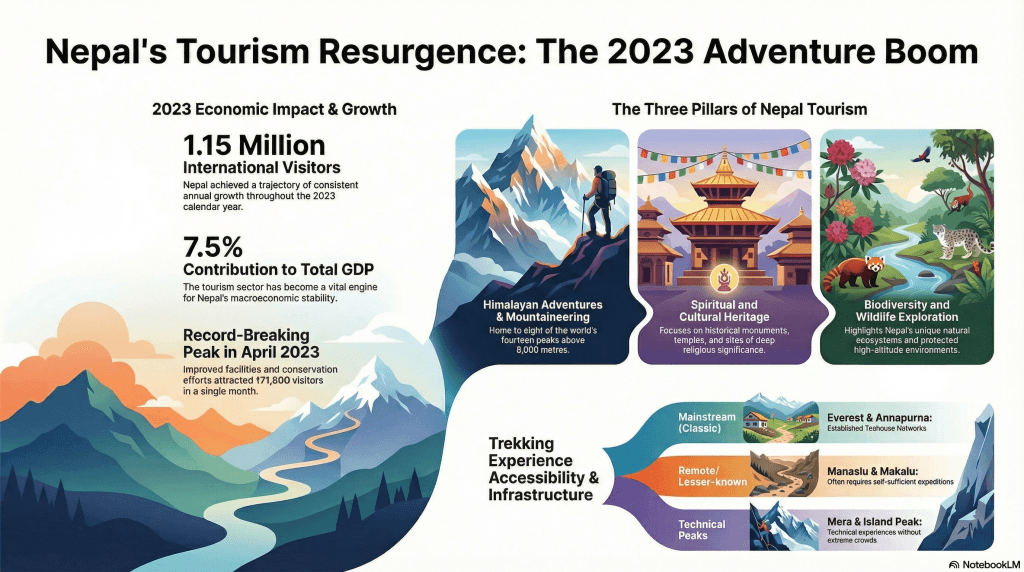
Nepal’s tourism sector experienced remarkable growth in 2023, characterized by a significant influx of international travelers and a strengthening contribution to the national economy. With 1.15 million foreign visitors recorded during the year, the industry has established a trajectory of consistent annual growth. Tourism now accounts for 7.5% of Nepal’s Gross Domestic Product (GDP), driven by three primary market pillars: adventure tourism in the Himalayas, spiritual and cultural heritage, and biodiversity and wildlife exploration.
Economic Impact and Sector Growth
The data for 2023 indicates that tourism has become a vital engine for Nepal’s macroeconomic stability and development.
- Visitor Volume: Nepal successfully attracted 1.15 million foreign visitors in 2023.
- GDP Contribution: The sector’s contribution to the national economy has reached 7.5% of the total GDP, signifying its role as a major source of revenue and economic activity.
- Growth Trends: The industry is characterized by “Consistent Annual Growth,” as evidenced by upward-trending performance metrics over recent periods.
Primary Tourism Segments
The appeal of Nepal as a global destination is rooted in three distinct categories of tourism. These segments represent the core value propositions that attract international visitors:
1. Himalayan Adventures
Capitalizing on its unique geography, Nepal remains a premier destination for mountain-based activities. This segment focuses on high-altitude trekking, climbing, and exploration within the Himalayan range.
2. Spiritual and Cultural Heritage
Nepal’s rich history and religious significance serve as a major draw for cultural tourism. This includes visits to historical monuments, temples, and sites of spiritual importance, catering to travellers seeking cultural immersion and religious pilgrimage.
3. Biodiversity and Wildlife
The country’s natural ecosystems and diverse fauna represent the third pillar of its tourism strategy. This segment focuses on nature-based tourism, specifically highlighting Nepal’s unique wildlife and protected natural environments.
Summary of Key Data Points
| Metric | Value / Status |
| Foreign Visitors (2023) | 1.15 Million |
| Contribution to GDP | 7.5% |
| Growth Pattern | Consistent Annual Growth |
| Key Pillars | Himalayan Adventures, Spiritual & Cultural Heritage, Biodiversity & Wildlife |
Exploring Kathmandu’s Rich Cultural Heritage
Nepal’s ancient capital sits at the crossroads of spiritual devotion and mountain adventure, where prayer wheels spin beneath snow-capped peaks and temple bells echo through narrow alleyways lined with centuries-old architecture. According to official tourism data, more than 1.1 million foreign visitors arrived in Nepal during 2023, with many beginning their journey in Kathmandu’s UNESCO World Heritage sites before venturing into the Himalayan wilderness for authentic Nepal trekking experiences.
The city’s Durbar Square complex, featuring the Hanuman Dhoka palace and intricate wooden carvings, offers a window into the Malla dynasty’s artistic legacy, whilst the towering Swayambhunath Stupa (Monkey Temple) rewards those who climb its 365 steps with panoramic valley views. These cultural landmarks perfectly complement Nepal’s reputation for mountain adventures, making the country ideal for travellers seeking diverse experiences beyond traditional hiking routes.
Family trekking in Nepal itineraries often include Kathmandu’s living museums alongside gentler mountain paths, creating balanced holidays that blend cultural immersion with outdoor exploration. The contrast between ancient traditions and modern trekking infrastructure makes Nepal uniquely positioned to satisfy both heritage enthusiasts and adventure seekers within a single, compact destination.
The question confronting Nepal’s mountaineering sector centres not on whether these peaks should welcome climbers, but rather how to preserve their majesty whilst sharing access. This balance becomes particularly critical when considering the country’s equally remarkable lowland wilderness areas.
Wildlife & Jungle Safaris

Beyond the adventure tourism Nepal is celebrated for, the country’s lowland Terai region offers a contrasting ecosystem of dense jungles and grasslands teeming with endangered species. Chitwan National Park and Bardhiya National Park anchor this safari experience, where visitors encounter one-horned rhinoceros, Bengal tigers, and gharial crocodiles in their natural habitat. Unlike the demanding trekking fitness preparation required for mountain expeditions, jungle safaris accommodate broader fitness levels through jeep drives, canoe trips, and guided nature walks.
The safari infrastructure mirrors Nepal’s mountain tourism success, with lodges ranging from eco-conscious community homestays to luxury wildlife resorts. Dawn elephant-back safaris and evening birdwatching excursions reveal over 500 bird species, whilst expert naturalists interpret animal behaviour and ecosystem dynamics. This lowland dimension adds depth to Nepal’s tourism appeal, offering recovery time for trekkers or serving as a standalone experience for wildlife enthusiasts seeking accessible adventure.
Spiritual & Cultural Heritage
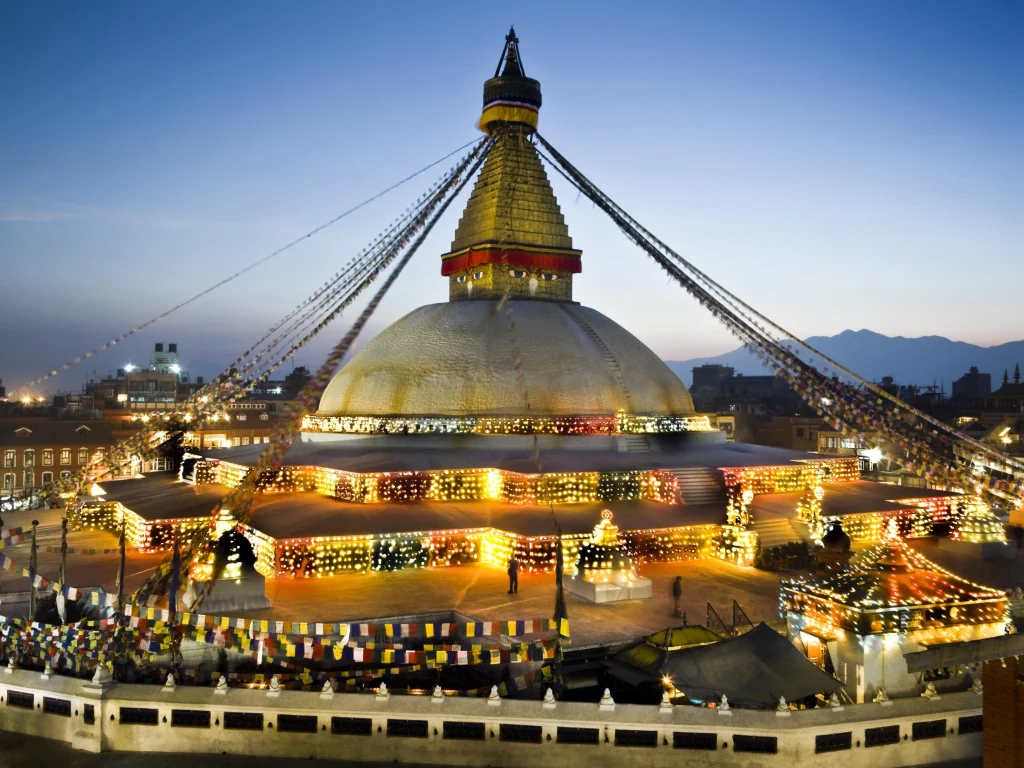
Nepal’s cultural tapestry weaves together ancient Hindu and Buddhist traditions, creating a living museum where spirituality permeates daily life. The Kathmandu Valley alone hosts seven UNESCO World Heritage Sites, including the revered Pashupatinath Temple, the iconic Boudhanath Stupa, and one of the largest Buddhist shrines in the world. These sacred sites attract pilgrims and travellers alike, offering insights into centuries-old rituals and architectural marvels that have withstood earthquakes and time. The country’s safe travel Nepal experience extends beyond physical security to include respectful cultural engagement. Visitors discover that proper Nepal trek training encompasses not just physical preparation but cultural awareness, understanding temple etiquette, appropriate dress codes, and the significance of prayer flags fluttering along mountain paths.

Many trekkers incorporate spiritual experiences into their journeys, visiting remote monasteries such as those found along routes like high-altitude expeditions where Buddhist culture remains remarkably preserved. Living Goddess traditions, colourful festivals like Dashain and Tihar, and the warm hospitality of diverse ethnic communities from Sherpas to Newars create authentic cultural encounters. This spiritual dimension transforms Nepal from a mere adventure destination into a transformative journey, where the physical challenge of the Himalayas meets the soul-stirring depth of ancient wisdom.
Exploring Nepal’s Biodiversity
Nepal’s compact geography contains an extraordinary concentration of life zones, from tropical lowlands at 60 metres to the alpine zones above 8, and 000 metres. This vertical diversity creates habitats for over 870 bird species, 208 mammal species, and more than 5,000 flowering plant varieties, a biodiversity density that makes Nepal worth visiting for naturalists and wildlife enthusiasts worldwide. The country’s protected areas, encompassing roughly 23% of its territory, safeguard critically endangered species like the one-horned rhinoceros, Bengal tiger, and Red panda. In the subtropical forests of Chitwan, dense sal trees shelter sloth bears and gharial crocodiles, whilst the Himalayan oak and rhododendron forests at mid-elevations provide corridors for Himalayan black bears and clouded leopards.
What distinguishes Nepal’s conservation approach is community-based management, where local populations actively participate in wildlife protection whilst benefiting from eco-tourism revenues. Spring transforms Nepal’s hillsides into rhododendron galleries, with over 30 endemic species painting landscapes in crimson, white, and pink blooms between 1,500 and 4,000 metres elevation. These flowering seasons align perfectly with birdwatching opportunities, when Himalayan monals, blood pheasants, and satyr tragopans display their breeding plumage. The country’s butterfly diversity, over 650 species, rivals tropical nations despite its temperate latitude, creating spectacular seasonal migrations through forested valleys. For those seeking immersive nature experiences beyond typical trekking routes, biodiversity-focused expeditions offer encounters with both flora and fauna in less-frequented regions.
| Category | Details |
|---|---|
| Elevation Range | 60 metres to 8,849 metres |
| Biogeographic Zones | Eight distinct zones |
| Flowering Plant Species | Over 6,500 species |
| Bird Species | 870 species |
| Notable Wildlife | Bengal tigers, one-horned rhinoceros, snow leopards |
| Himalayan Ecosystem | Supports 10,000+ plant varieties, many with medicinal value in Ayurvedic and Tibetan traditions |
| Forest Types Along Trekking Routes | Subtropical sal forests (Chitwan), temperate rhododendron woodlands (mid-hills), alpine meadows (above 4,000 metres) |
| Seasonal Highlights | Rhododendron forests bloom spectacularly each spring |
| Protected Areas Coverage | 23% of Nepal’s territory under national parks and conservation areas |
| Major Conservation Initiative | Terai Arc Landscape across southern Nepal |
| Conservation Impact | Tourism revenue funds habitat preservation and anti-poaching efforts |
| Community Benefit | Local communities benefit economically through sustainable practices |
Hidden Destinations & Off-the-Beaten-Path Experiences
Whilst the top places visit Nepal often centre on Everest Base Camp and Annapurna Circuit, the country harbours dozens of lesser-known valleys where trekkers encounter authentic mountain culture without the crowds. These hidden corridors offer equally stunning Himalayan vistas whilst preserving traditional lifestyles largely untouched by mass tourism.
The Tsum Valley trek exemplifies this phenomenon perfectly. Tucked behind the Manaslu massif, this sacred valley remained closed to outsiders until 2008, preserving centuries-old Buddhist monasteries and Tibetan cultural practices. Trekkers here witness daily rituals unchanged for generations, with village economies still operating through traditional barter systems rather than tourist infrastructure.
Remote destinations like Upper Dolpo and Humla present even more challenging alternatives. These regions require special permits and extended itineraries, naturally limiting visitor numbers whilst rewarding determined travellers with pristine mountain landscapes. In practical terms, reaching these areas often involves days of walking before encountering another trekking group a stark contrast to the busy teahouse trails elsewhere.
However, these authentic experiences demand realistic expectations. Infrastructure remains basic, with limited medical facilities and communication networks. Weather patterns also prove less predictable in remote regions, requiring flexible schedules and experienced guides who understand local conditions. The trade-off between solitude and convenience becomes particularly stark in areas lacking regular helicopter evacuation options, making proper preparation absolutely essential before venturing beyond established trekking corridors.
Understanding Seasonal Weather Patterns
Nepal’s climate varies dramatically across its compressed terrain, creating distinct windows of opportunity for different activities. The pre-monsoon season (March to May) brings stable conditions with warm days and clear mornings, though afternoon cloud build-up can obscure higher peaks by midday. This period sees temperatures ranging from 15°C to 25°C in the mid-hills, making it ideal for extended high-altitude routes where stable weather proves essential.
Monsoon arrives in June and typically persists until September, depositing roughly 80% of Nepal’s annual precipitation. Whilst rain-shadow regions like Upper Mustang and Dolpo remain accessible, most nepal trekking routes become challenging due to leeches, landslides, and poor visibility. Any comprehensive Nepal travel guide must acknowledge this seasonal reality, monsoon isn’t about impossibility but recalibration towards alternative destinations. Post-monsoon (October-November) delivers the most reliable conditions: crisp air, minimal precipitation, and exceptional mountain clarity.
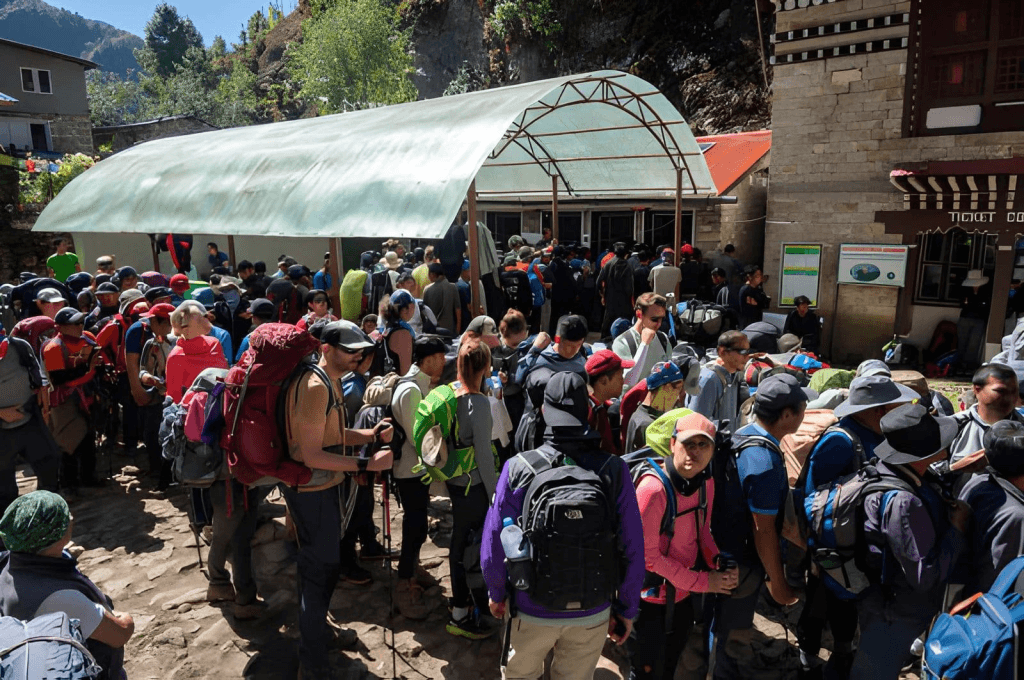
These months coincide with the major tourist influx, as evidenced by April 2025’s record-breaking 197,768 visitors, part of a broader pattern seeing tourism figures consistently exceed previous years. Winter (December-February) offers solitude, stunning views, but demands careful preparation for sub-zero temperatures at altitude, and potential snowfall is closing high passes above 4500 metres. Family-Friendly Treks in Nepal.
Nepal’s reputation for high-altitude mountaineering often overshadows its collection of gentle, accessible trails suited to younger adventurers and multi-generational groups. Routes such as the Ghorepani Poon Hill circuit showcase spectacular Annapurna panoramas whilst maintaining elevations below 3,210 metres, minimising altitude concerns for children. The trail passes through rhododendron forests that burst into colour each spring, creating natural playgrounds where families can pause between villages.
Shorter itineraries around the Kathmandu Valley, including hikes to Nagarkot and Chisapani, offer 2–3 day introductions to trekking culture without requiring extensive Nepal travel ticket arrangements or lengthy domestic flights. These routes feature well-established teahouses with family rooms, Western toilet options, and menus accommodating selective young eaters.
Local communities along these paths have adapted services specifically for families, with guides trained in pace adjustment and emergency protocols for children. The Langtang Valley presents a middle-ground option: moderately challenging terrain balanced against excellent infrastructure and shorter daily walking distances. Villages like Kyanjin Gompa provide rest days for acclimatisation, during which families can explore technical peaks from a safe distance or visit yak cheese factories. However, parents should carefully assess their children’s stamina before committing to multi-day itineraries what adults consider “moderate” often translates to significant physical challenge for pre-adolescents unused to sustained uphill walking.
Community-Based & Local Tourism
Nepal’s tourism landscape increasingly embraces community-led initiatives that channel visitor spending directly into village economies. These homestay networks and cooperative enterprises offer travellers authentic cultural exchanges whilst preserving traditional lifestyles threatened by mass tourism’s homogenising effects.
Visitors opting for community-based tourism typically stay in family-run guesthouses within ethnic settlements, participating in daily activities like farming, cooking traditional meals, and or learning handicraft techniques. Revenue from these programmes funds local schools, healthcare facilities, and conservation projects, creating tangible benefits that reduce dependency on external aid. The model works particularly well in regions accessible via Nepal bus service routes, where infrastructure costs remain manageable for small-scale operations.
Villages along the Annapurna Circuit and Langtang Valley have pioneered successful cooperatives that rotate guests amongst households, ensuring equitable income distribution rather than benefiting only those families with prime locations. However, travellers should verify certification through Nepal’s Tourism Board, as the “community-based” label sometimes masks conventional commercial operations. Genuine initiatives involve transparent pricing structures, community ownership of accommodation facilities, and documented local investment of profitselements that distinguish authentic cultural exchange from performative tourism experiences.
What I Wish I Knew Before Visiting Nepal
Cash remains king across much of Nepal, particularly outside Kathmandu and Pokhara. ATMs cluster in major tourist hubs but disappear rapidly once trekking routes begin, and card payment infrastructure rarely extends beyond established hotels. Seasoned travellers recommend carrying sufficient rupees in mixed denominations before departing for mountain regions.
The rules of trekking in Nepal particularly enforce permit requirements and restricted area regulations, which catch many visitors unprepared. Certain trails demand both TIMS cards and specific regional permits obtained through registered agencies, whilst restricted zones like Upper Mustang and Manaslu require government liaison officers. Research permit logistics thoroughly before departure rather than sorting paperwork upon arrival.
Altitude affects everyone differently, regardless of fitness level. A marathon runner may struggle at 3,500 metres, whilst a casual hiker acclimatises smoothly. Previous athletic performance offers no immunity. Budget extra days for proper acclimatisation schedules rather than rushing itineraries, particularly when crossing passes above 4,000 metres, where acute mountain sickness becomes increasingly common.
What are the best viewpoints in Nepal?
Nepal’s geography delivers viewpoints that range from easily accessible hilltops to remote high-altitude vantage points earned through multi-day treks. Nagarkot, just 32 kilometres from Kathmandu, offers sunrise panoramas across the Langtang range without requiring trekking experience, ideal for visitors with limited time or mobility concerns.
Sarangkot near Pokhara provides similar accessibility, with the Annapurna massif dominating western horizons. Both locations feature guesthouses, road access, and make them popular pre- or post-trek warm-ups. However, the truly transformative viewpoints lie along trekking routes, explaining precisely why trekking in Nepal popular continues to surge as visitor numbers climb. Poon Hill (3,210m) on the Annapurna circuit delivers 360-degree mountain theatre at dawn, while Kala Patthar (5,644m) offers the closest Everest Base Camp trek viewpoint of the world’s highest peak.
These earned perspectives, requiring days of walking, create immersive experiences that roadside stops simply cannot match. Gokyo Ri (5,357m) presents arguably Nepal’s most comprehensive vista: six 8,000-metre peaks visible simultaneously across turquoise glacial lakes. The trade-off? A minimum ten-day commitment and careful acclimatisation planning. One practical approach involves choosing viewpoints that align with your available timeframe. Weekend visitors might target Nagarkot, whilst those with two weeks can aim for the high-altitude panoramas that define Himalayan trekking.
Infrastructure & Accessibility Improvements
Nepal’s tourism infrastructure has evolved dramatically to accommodate the 1.15 million foreign tourists who visited in 2025. Tribhuvan International Airport has expanded terminal capacity and introduced modern immigration processing systems that reduce wait times by approximately 40%. Domestic flight networks now connect previously remote trekking regions, with airlines adding routes to Lukla, Jomsom, and Pokhara that operate year-round depending on weather conditions.
Road connectivity improvements have transformed access to major trekking hubs, though monsoon-related challenges persist. The Prithvi Highway linking Kathmandu to Pokhara features widened sections, improved surfacing, and whilst new highway projects reach deeper into mountain valleys. However, the effects of tourism in Nepal experiences from increased accessibility create mixed outcomes easier access benefits tourists and local economies, yet raises concerns about environmental pressure on fragile ecosystems.
Remote villages now feature guesthouses with solar power, improved sanitation facilities, and mobile network coverage that enhances safety for trekkers whilst supporting local communication needs. Sustainable & Eco-Tourism Initiatives Nepal’s tourism sector increasingly prioritises environmental conservation alongside economic growth. The scaling of Everest’s history has brought valuable lessons about balancing adventure tourism with ecological responsibility, prompting comprehensive sustainability measures across trekking regions.
Mountain communities now implement waste management systems requiring trekkers to carry what they bring upward. Teahouse operators participate in zero-waste programs, composting organic material and recycling plastics through designated collection networks. These initiatives address decades of accumulated environmental impact.
Local cooperatives manage reforestation projects in heavily trafficked areas. However, consistent enforcement remains challenging during peak seasons when visitor numbers strain existing systems. Carbon offset programs allow tourists to contribute directly to conservation efforts, funding renewable energy installations in remote villages.
The Annapurna Conservation Area pioneered community-based tourism models where profits directly support environmental protection and cultural preservation. Similar frameworks now extend to lesser-known regions, distributing tourism benefits more equitably while reducing pressure on iconic trails.
Conclusion: The Future of Tourism in Nepal
Nepal’s tourism trajectory points toward sustainable growth and diversification. With over 1.15 million foreign tourists in 2025, the nation has proven its resilience and appeal. However, the path forward demands balancing economic benefits with environmental preservation and cultural authenticity.
The future hinges on three pillars: infrastructure development, community engagement, and ecological responsibility. As more visitors seek to hike in Nepal beyond traditional routes, dispersing tourism pressure across lesser-known regions becomes essential. Technology will play a crucial role digital permits, real-time trail monitoring, and climate-adapted trekking seasons represent practical evolutions already underway.
Nepal’s greatest asset remains its mountains, but its future lies in how thoughtfully we share them. The lessons from past overcrowding inform smarter policies today, while emerging destinations offer fresh opportunities for adventurers seeking authentic Himalayan experiences beyond the well-trodden paths.
Budgeting for Your Trekking in Nepal
Trek costs in Nepal vary dramatically based on route popularity, season, and service level. Budget trekkers typically spend £20-30 daily on basic teahouse accommodation and meals, whilst premium guided expeditions can exceed £200 per day, including porters, experienced guides, and superior lodging. A ten-day Annapurna Circuit trek might cost £300-500 independently, whereas the same route with a reputable operator ranges from £800-1,500, encompassing permits, insurance, and logistical support. Permit fees constitute a significant expense in the Everest region, which requires a TIMS card (£16) plus Sagarmatha National Park entry (£26), whilst restricted areas like Upper Mustang demand special permits costing approximately £400 for ten days.
Accessing the breathtaking sights Nepal offers often requires multiple permits, particularly in conservation areas. Transportation to trailheads adds £50-150, depending on distance from Kathmandu, with domestic flights to Lukla or Pokhara commanding premium prices during peak season. Smart budgeting involves booking accommodation directly when possible, carrying sufficient Nepali rupees for remote areas without ATM access, and negotiating multi-day guide rates. However, cutting corners on insurance, equipment quality, or experienced guides compromises safety false economy when trekking at altitude, where medical evacuation costs can reach £30,000.
Family-Friendly Trekking in Nepal
Nepal’s diverse trekking landscape includes numerous routes perfectly suited for families with children, offering gentle gradients, comfortable teahouse accommodation, and engaging cultural experiences that captivate young adventurers. The Ghorepani Poon Hill trek stands as the quintessential family route, featuring a manageable four to five-day itinerary with spectacular Annapurna panoramas and a dawn summit that children find genuinely thrilling. However, families seeking Nepal wildlife trekking opportunities should consider the Langtang Valley trek, where red pandas, Himalayan black bears, and diverse birdlife inhabit the surrounding forests. Practical considerations become paramount when trekking with children.
Shorter daily walking distances of three to four hours allow plenty of time for exploration and rest, whilst teahouses provide familiar comforts that ease younger trekkers into mountain life. The Kathmandu Valley Rim Trek offers an excellent introduction, combining cultural immersion with moderate hiking close to medical facilities and evacuation routes, considerations that provide peace of mind for families venturing into Nepal’s mountains for the first time.
Preparing Physically for Nepal Treks
Physical preparation determines whether trekkers complete their journey comfortably or struggle through preventable difficulties, yet many underestimate the cardiovascular endurance required for multi-day high-altitude hiking. A common pattern is that fitness levels adequate for sea-level activities prove insufficient when combined with thin air and steep terrain.
Cardiovascular training should begin at least two months before departure, focusing on activities that simulate trekking conditions. Stair climbing with a weighted pack builds leg strength whilst mimicking the constant elevation gain encountered on Himalayan trails. Walking 5-10 kilometres with a 10kg backpack three times weekly prepares muscles for sustained effort.
Understanding Nepal’s micro-climate variations across altitude zones helps inform training intensity, as conditions shift dramatically from subtropical valleys to alpine environments within a single trek. What typically happens is that trekkers conditioned only for temperate climates struggle when facing rapid temperature fluctuations between morning frost and midday heat. Training in varied weather conditions, including cold morning sessions and warm afternoon hikes, builds adaptability for these transitions.
Altitude acclimatisation cannot be simulated at sea level, though improving overall fitness increases the body’s oxygen efficiency. One practical approach is incorporating interval training to strengthen cardiovascular capacity, allowing the heart and lungs to work more effectively when oxygen becomes limited above 3,000 metres. However, even supremely fit athletes require proper acclimatisation schedules regardless of their conditioning level.
Sustainable Trekking in Nepal Practices
Responsible trekking preserves Nepal’s mountain ecosystems whilst supporting communities that depend on tourism revenues. Simple practices create significant collective impact: carrying reusable water bottles eliminates thousands of plastic bottles from trails annually, whilst purchasing supplies in villages rather than bringing everything from Kathmandu culture distributes income directly to remote communities. Pack out all non-biodegradable waste, including battery packaging and energy bar wrappers that cannot decompose at high altitudes.
Support locally-owned teahouses rather than international franchises, which keep approximately 80% more revenue within mountain communities. Choose porters and guides through ethical operators who provide proper equipment, insurance, and fair wages. Respect religious sites by walking clockwise around stupas and avoiding photography where prohibited. The mountains that attract visitors require collective stewardship to remain pristine for future generations. Sustainable Trekking Practices Responsible trekking preserves Nepal’s mountain ecosystems whilst supporting communities that depend on tourism revenues. Simple practices create significant collective impact when thousands of trekkers adopt them annually.
Leave No Trace principles form the foundation of sustainable trekking. Carry all non-biodegradable waste down from mountain trails, including sweet wrappers, batteries, and plastic bottles. Many teahouses now provide filtered water stations, refilling bottles reduce plastic waste whilst supporting local businesses. Pack rubbish properly, even when facilities exist, as improper disposal contaminates water sources used by downstream villages. Respect local customs and cultural sites along trekking routes.
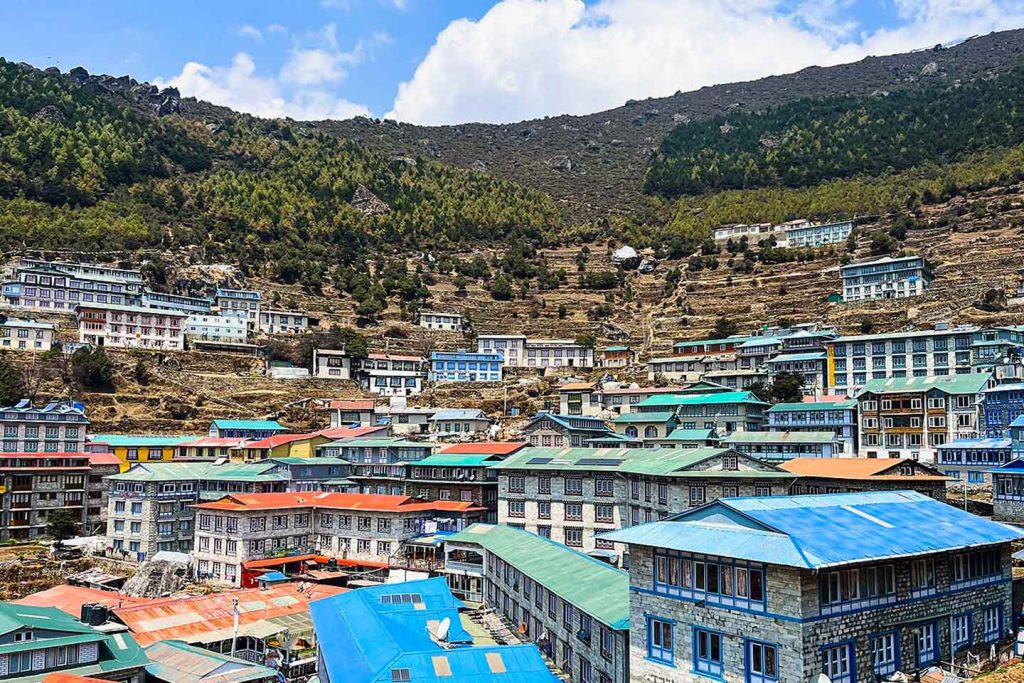
Remove shoes before entering Buddhist monasteries, walk clockwise around stupas and mani walls, and ask permission before photographing people. Time treks to coincide with Nepal festivals such as Dashain or Tihar to experience authentic cultural celebrations, but book accommodation well in advance as teahouses fill quickly during these periods. Support local economies by hiring Nepali guides and porters through registered operators. Fair wages and proper insurance ensure communities benefit directly from tourism. Purchase supplies in mountain villages rather than carrying everything from Kathmandu this sustains remote economies and reduces your pack weight.
Conserve resources in areas where water and fuel are scarce. Take shorter showers, skip daily laundry, and order meals that others are having to reduce cooking fuel consumption. At higher altitudes, choose teahouses using solar panels or hydroelectric power over those burning wood.
Nepal’s mountains reward those who tread lightly sustainable practices ensure future generations can experience these extraordinary landscapes whilst preserving the delicate balance between tourism and conservation.