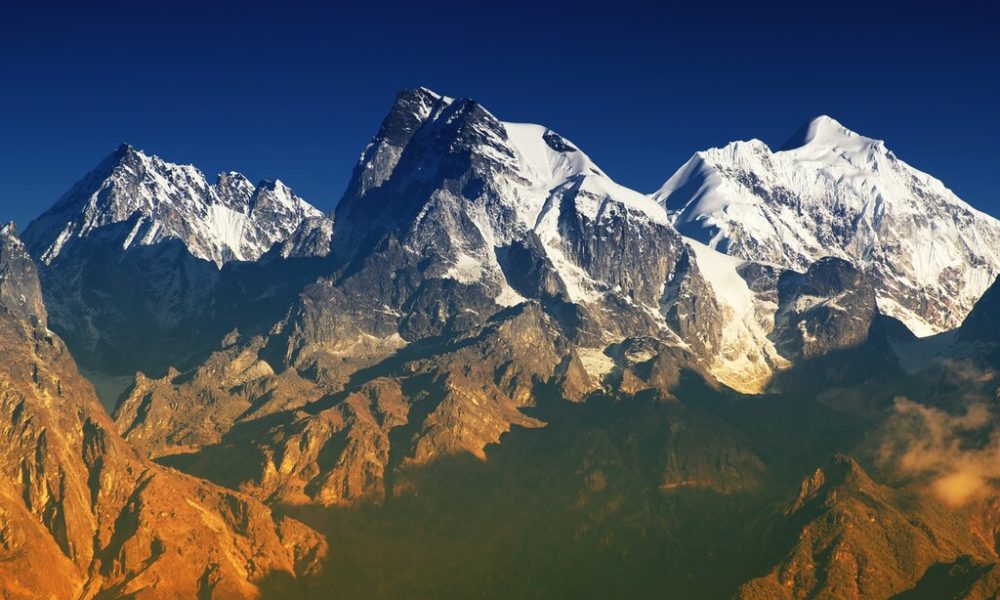
The Great Himalayan Trail (GHT) is one of the world’s longest, highest, and most spectacular trekking routes, stretching across the entire length of Nepal. This legendary trail connects remote valleys, towering passes, pristine landscapes, and culturally rich mountain communities offering one of the most adventurous trekking experiences on Earth.
The GHT takes you far beyond the classic trekking routes and into untouched wilderness, where dramatic peaks, ancient villages, and unique cultures shape every step of the journey. Whether you take the High Route, which crosses challenging high passes, or the Low Route, which follows lower altitudes through cultural heartlands, the trek promises unmatched diversity in landscapes and experiences.
The Great Himalayan Trail is a long-distance trekking route that spans the entire Himalayan range of Nepal from east to west. It connects remote mountain regions, high passes, and culturally diverse valleys, making it one of the most comprehensive trekking journeys in the world.
The full Great Himalayan Trail typically takes 140 to 160 days, depending on route variations, acclimatization days, weather conditions, and rest periods.
The GHT is an extremely challenging trek, involving multiple high passes above 5,000–6,000 meters, long walking days, remote terrain, and limited infrastructure. It is suitable only for highly experienced trekkers.
Excellent physical fitness, strong mental endurance, and previous high-altitude trekking experience are essential. Trekkers must be capable of walking for months in demanding mountain conditions.
Yes, some sections involve glaciers, snowfields, and high alpine passes, requiring basic mountaineering skills such as crampon use, rope work, and ice axe handling.
The GHT requires multiple permits, including national park permits, conservation area permits, and restricted-area permits, depending on the regions crossed. These must be arranged through a licensed trekking agency.
Yes, a licensed guide is mandatory, especially as the trail passes through restricted and extremely remote areas where solo trekking is not permitted.
The trail crosses several high passes above 6,000 meters, including Sherpani Col and West Col.
The itinerary includes planned acclimatization and rest days to allow the body to adapt safely to extreme altitude.
Yes, altitude sickness is a serious risk. Proper pacing, acclimatization, hydration, and experienced guides are critical for safety.

Explore Nepal Trails is your trusted partner for trekking, peak climbing, and mountaineering adventures in Nepal. From classic Himalayan treks to high-altitude expeditions and cultural journeys, we deliver safe, well-planned, and unforgettable travel experiences.
We Accept

Join our community of over 200,000 global readers who receive emails filled with news, promotions, and other good stuff.

WhatsApp us