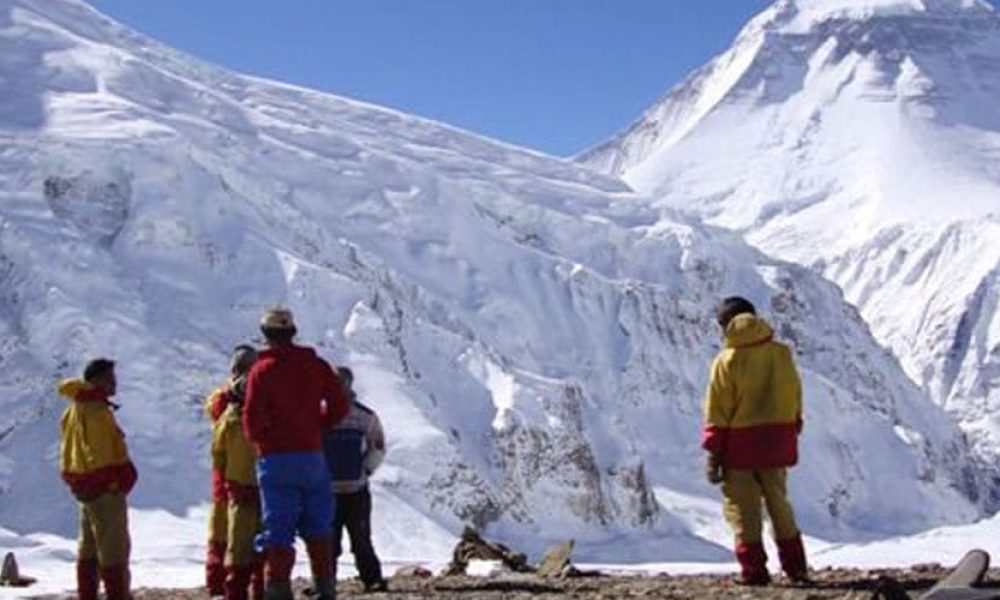
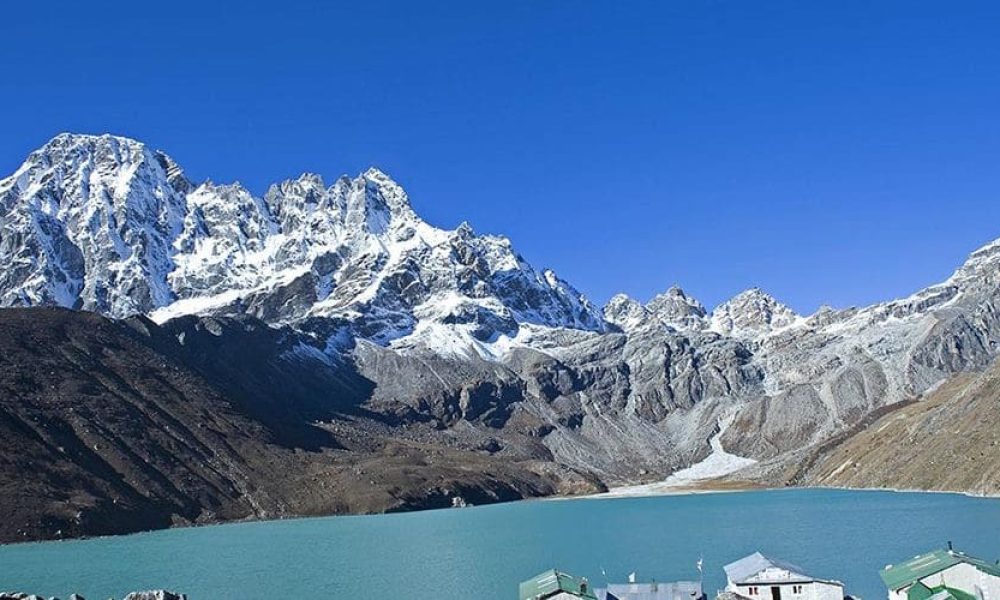
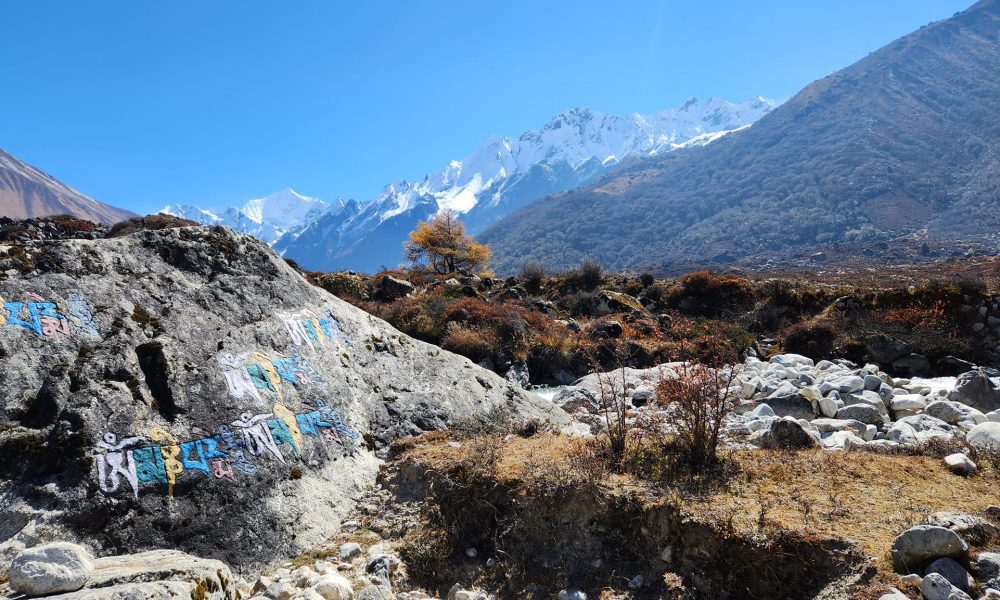
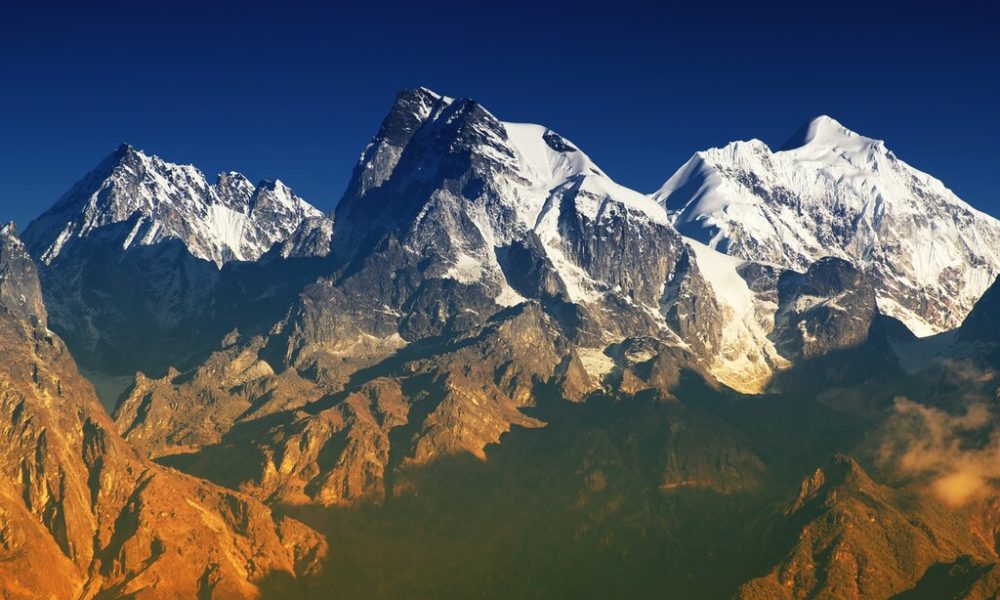
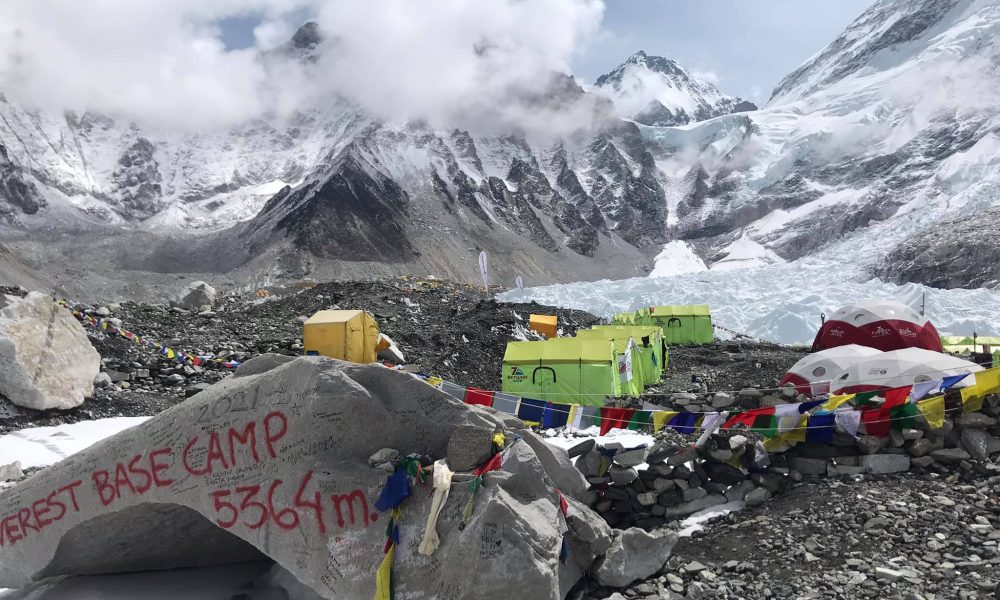
High-altitude passes are among the most challenging and rewarding features of Himalayan trekking, linking remote valleys across towering mountain ranges. These passes usually lie above 5,000 meters and often involve steep ascents, glacial terrain, snow-covered trails, and exposed ridgelines. Crossing a high-altitude pass demands not only physical strength but also mental endurance, as trekkers must cope with thin air, cold temperatures, and rapidly changing weather conditions. These crossings are often the highlight of long trekking routes, offering dramatic panoramic views of surrounding peaks and glaciers.
High-altitude passes play a crucial role in classic Himalayan routes such as long-distance treks and expedition-style journeys. Proper acclimatization, careful timing, and experienced guidance are essential to ensure safe crossings. Many passes require early morning starts to avoid strong winds and afternoon weather changes. For seasoned trekkers, crossing a high-altitude pass represents a significant achievement and a deep connection to the rugged Himalayan landscape.
A high-altitude pass is generally a mountain crossing located above 5,000 meters, often connecting remote valleys and trekking regions across major Himalayan ranges.
These passes allow trekkers to move between isolated regions and are key highlights of long trekking routes, offering unmatched views and a sense of true Himalayan adventure.
The best seasons are spring (April–May) and autumn (September–October) when weather conditions are more stable.
High-altitude passes are physically demanding due to steep climbs, thin air, cold temperatures, and long walking hours. Difficulty varies depending on altitude, weather, and terrain.
Most passes do not require technical climbing, but some may involve snow, ice, or glaciers where basic mountaineering skills such as crampon use are necessary.
Yes, altitude sickness is a serious concern. Proper acclimatization, rest days, and gradual ascent are essential to reduce risks.
Trekkers usually spend additional nights at increasing altitudes and may do acclimatization hikes before attempting a high pass.
Early starts, weather monitoring, proper gear, experienced guides, and contingency days are essential safety measures.
While not mandatory on all routes, a licensed guide is highly recommended, especially on remote or lesser-known passes.
Warm clothing, trekking poles, good boots, and sometimes crampons, ice axes, and ropes are required depending on conditions.

Explore Nepal Trails is your trusted partner for trekking, peak climbing, and mountaineering adventures in Nepal. From classic Himalayan treks to high-altitude expeditions and cultural journeys, we deliver safe, well-planned, and unforgettable travel experiences.
We Accept

Join our community of over 200,000 global readers who receive emails filled with news, promotions, and other good stuff.

WhatsApp us