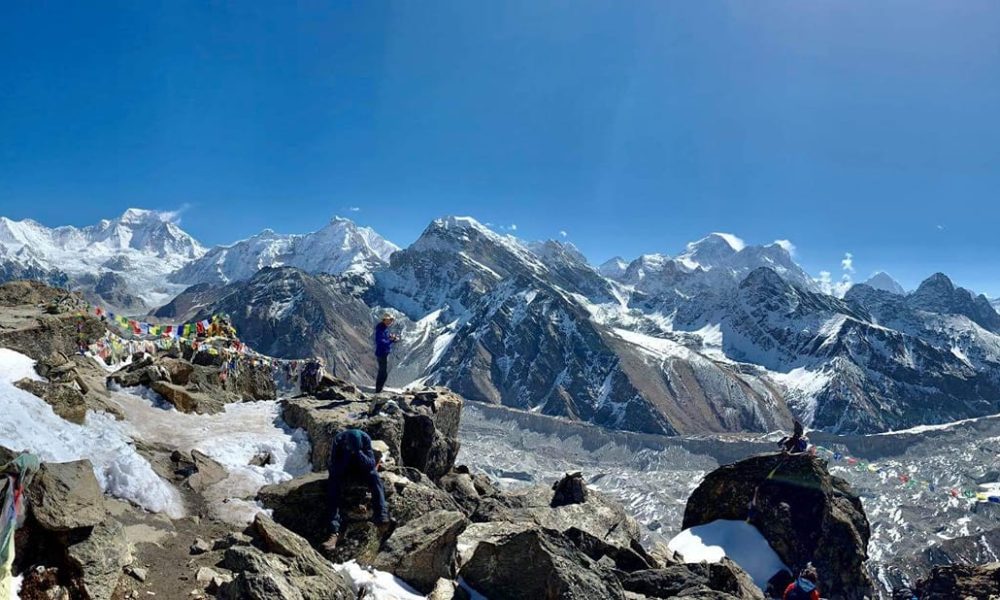
Mountaineering is the ultimate form of adventure travel, combining physical endurance, technical climbing skills, and mental resilience to ascend high and challenging mountains. Unlike trekking, mountaineering involves navigating steep snow slopes, glaciers, ice walls, and exposed ridgelines using specialized equipment such as ropes, crampons, ice axes, and harnesses. Nepal is regarded as one of the world’s premier mountaineering destinations, home to eight of the fourteen highest mountains on Earth, along with hundreds of technically demanding peaks suitable for both aspiring and elite climbers.
Mountaineering expeditions require extensive preparation, including acclimatization, technical training, route planning, and logistics management. Climbers must adapt to extreme altitudes, rapidly changing weather, and remote environments where self-reliance is critical. Guided mountaineering expeditions in Nepal are led by experienced expedition leaders and high-altitude Sherpa teams, ensuring safety, efficiency, and adherence to international climbing standards. Whether attempting a trekking peak, a 7,000-meter summit, or an iconic Himalayan giant, mountaineering offers a profound sense of achievement and connection to the high mountains.
Mountaineering involves greater technical difficulty, higher altitude, and longer expeditions than trekking or trekking-peak climbing. It often requires prior climbing experience and advanced skills.
Mountaineering is suitable for climbers with previous high-altitude trekking or climbing experience, strong physical fitness, and the ability to handle challenging environments.
Yes, most mountaineering expeditions require prior experience in ice climbing, rope handling, and high-altitude trekking. Training climbs are sometimes included for preparation.
Mountaineering relies mainly on fully supported camping, including base camps and higher camps equipped with specialized tents and climbing infrastructure.
Mountaineering requires government-issued climbing permits, along with national park or conservation area permits depending on the location of the mountain.
Yes, mountaineering activities are regulated to ensure safety, environmental protection, and compliance with international climbing standards.
Acclimatization is managed through gradual altitude gain, rest days, and rotations between camps to allow the body to adapt safely.
Safety measures include experienced expedition leaders, high-altitude support staff, fixed ropes where necessary, medical kits, and contingency plans for emergencies.

Explore Nepal Trails is your trusted partner for trekking, peak climbing, and mountaineering adventures in Nepal. From classic Himalayan treks to high-altitude expeditions and cultural journeys, we deliver safe, well-planned, and unforgettable travel experiences.
We Accept

Join our community of over 200,000 global readers who receive emails filled with news, promotions, and other good stuff.

WhatsApp us