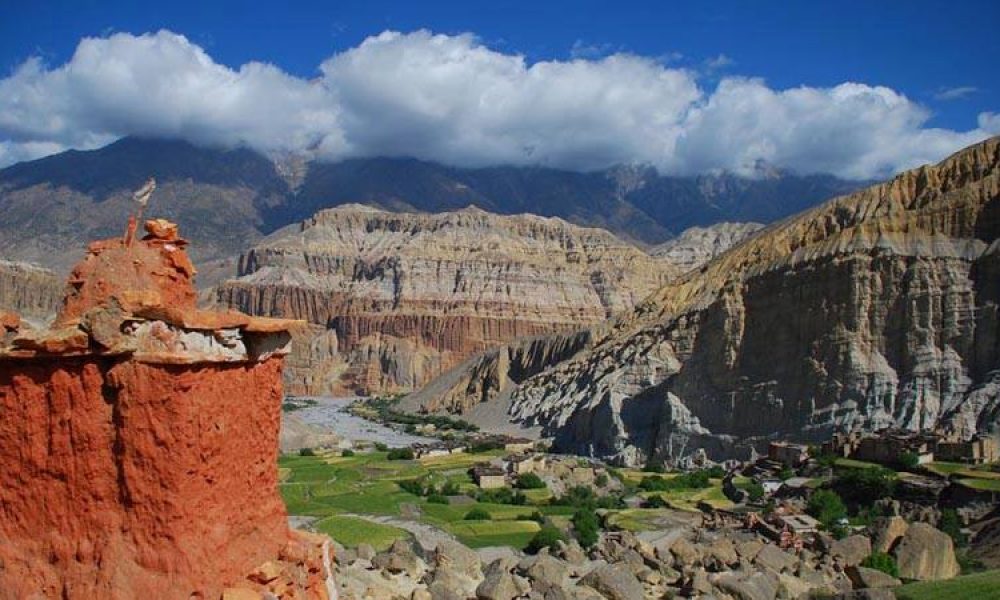
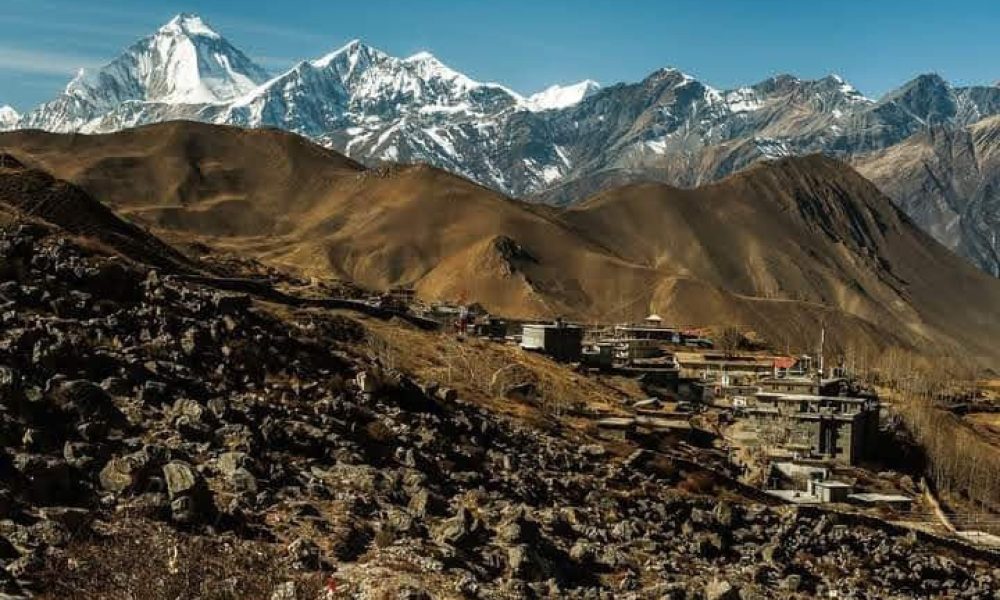
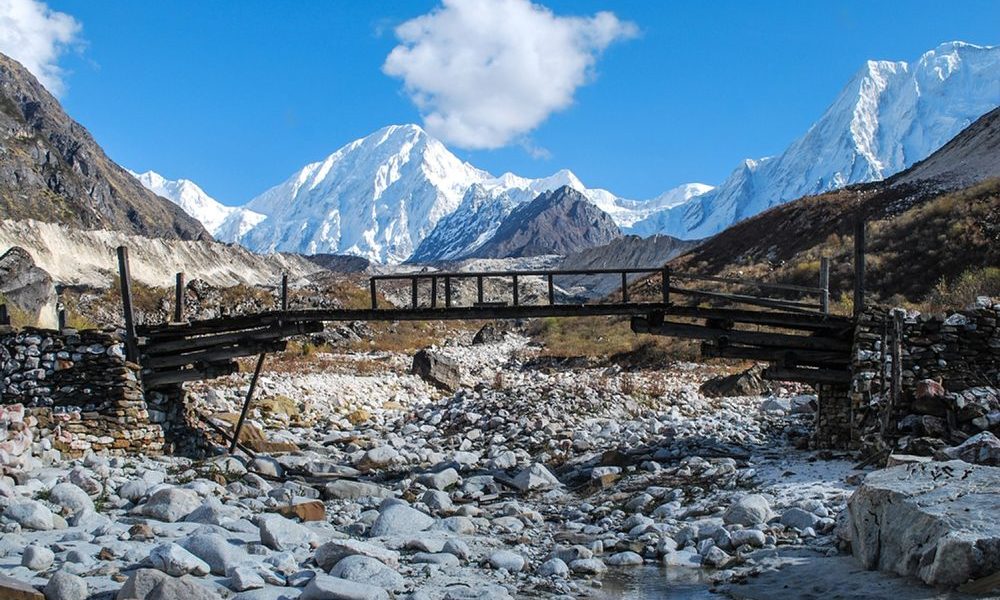
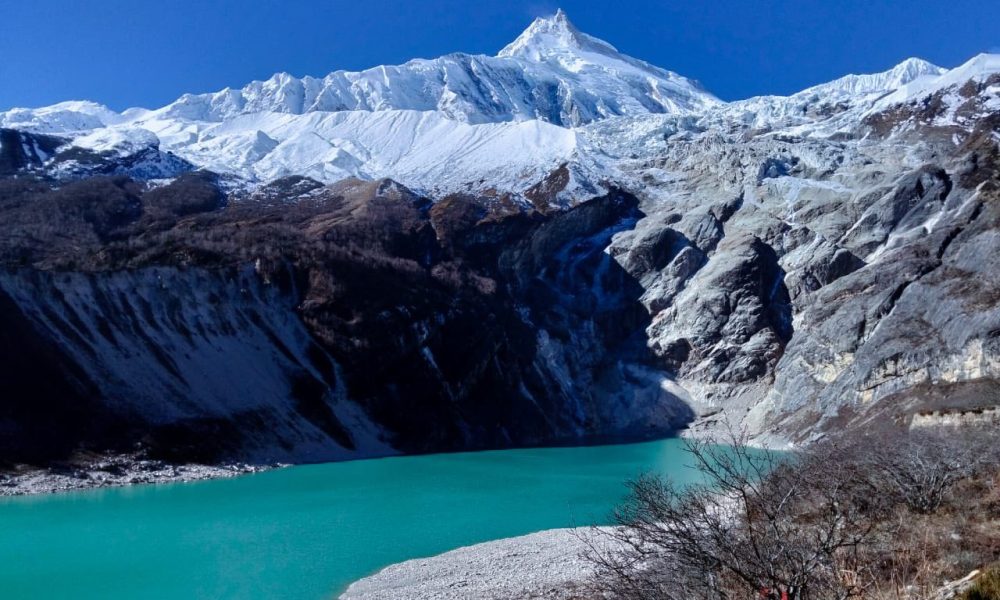
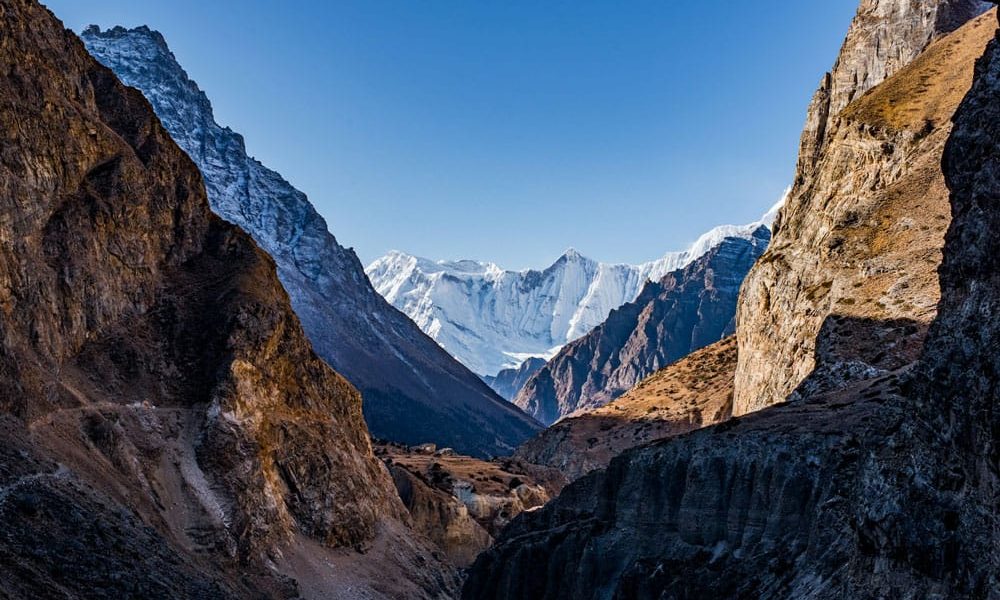
Restricted treks take travelers into some of the most remote and culturally preserved regions of Nepal, where access is controlled to protect local traditions, fragile environments, and border-sensitive areas. These treks pass through high mountain valleys, ancient villages, and landscapes that have changed little over centuries. Because visitor numbers are limited and routes are less developed, restricted treks offer a deeper sense of authenticity, solitude, and immersion compared to popular trekking regions.
Travel in restricted areas is carefully regulated and requires special permits and licensed guides. Treks often involve longer walking days, higher altitudes, and limited infrastructure, with accommodation ranging from basic teahouses to fully supported camping. For experienced trekkers seeking untouched trails, rich cultural encounters, and a true expedition-style journey, restricted treks provide one of the most rewarding Himalayan experiences.

A restricted trek takes place in government-designated areas where access is controlled to preserve culture, environment, and regional security. Special permits and a licensed guide are mandatory.
Areas are restricted to protect fragile ecosystems, maintain traditional lifestyles, manage tourism impact, and ensure safety in border regions.
Restricted regions include areas such as Upper Mustang, Upper Dolpo, Manaslu, Kanchenjunga, Nar Phu, and parts of the Far Western Himalayas.
Restricted Area Permits (RAP) are required, along with national park or conservation area permits. These permits must be arranged through a registered trekking agency.
Yes, trekking in restricted areas requires a licensed guide, and solo trekking is not allowed.
Some restricted areas require a minimum of two trekkers, excluding the guide, to issue permits.
Restricted treks are generally moderate to challenging, involving higher altitudes, longer distances, and limited facilities compared to standard trekking routes.
Most restricted treks are not recommended for beginners. Prior trekking experience and good physical fitness are strongly advised.
Restricted treks are safe when properly organized with experienced guides, correct permits, and good logistical planning.

Explore Nepal Trails is your trusted partner for trekking, peak climbing, and mountaineering adventures in Nepal. From classic Himalayan treks to high-altitude expeditions and cultural journeys, we deliver safe, well-planned, and unforgettable travel experiences.
We Accept

Join our community of over 200,000 global readers who receive emails filled with news, promotions, and other good stuff.