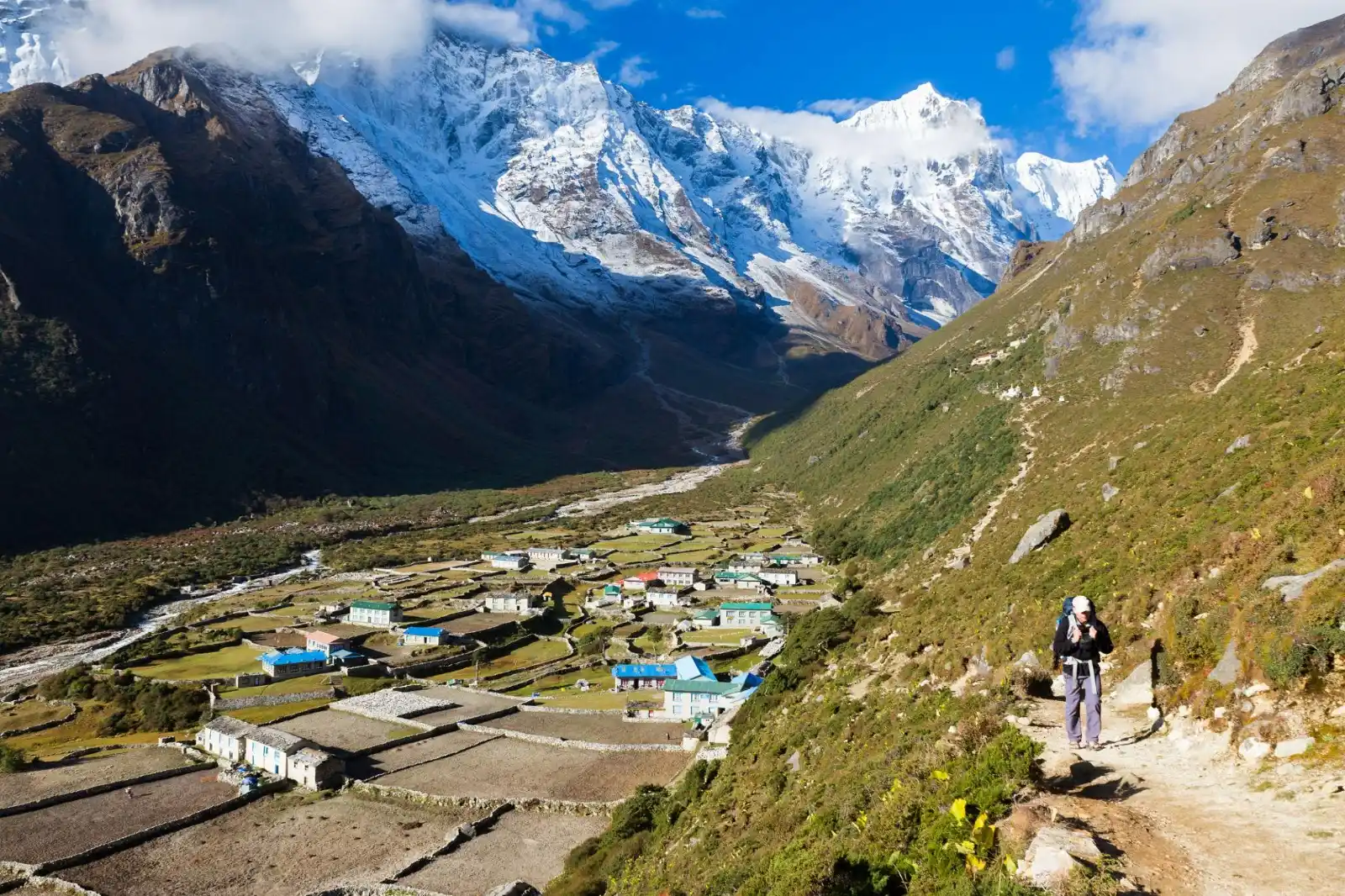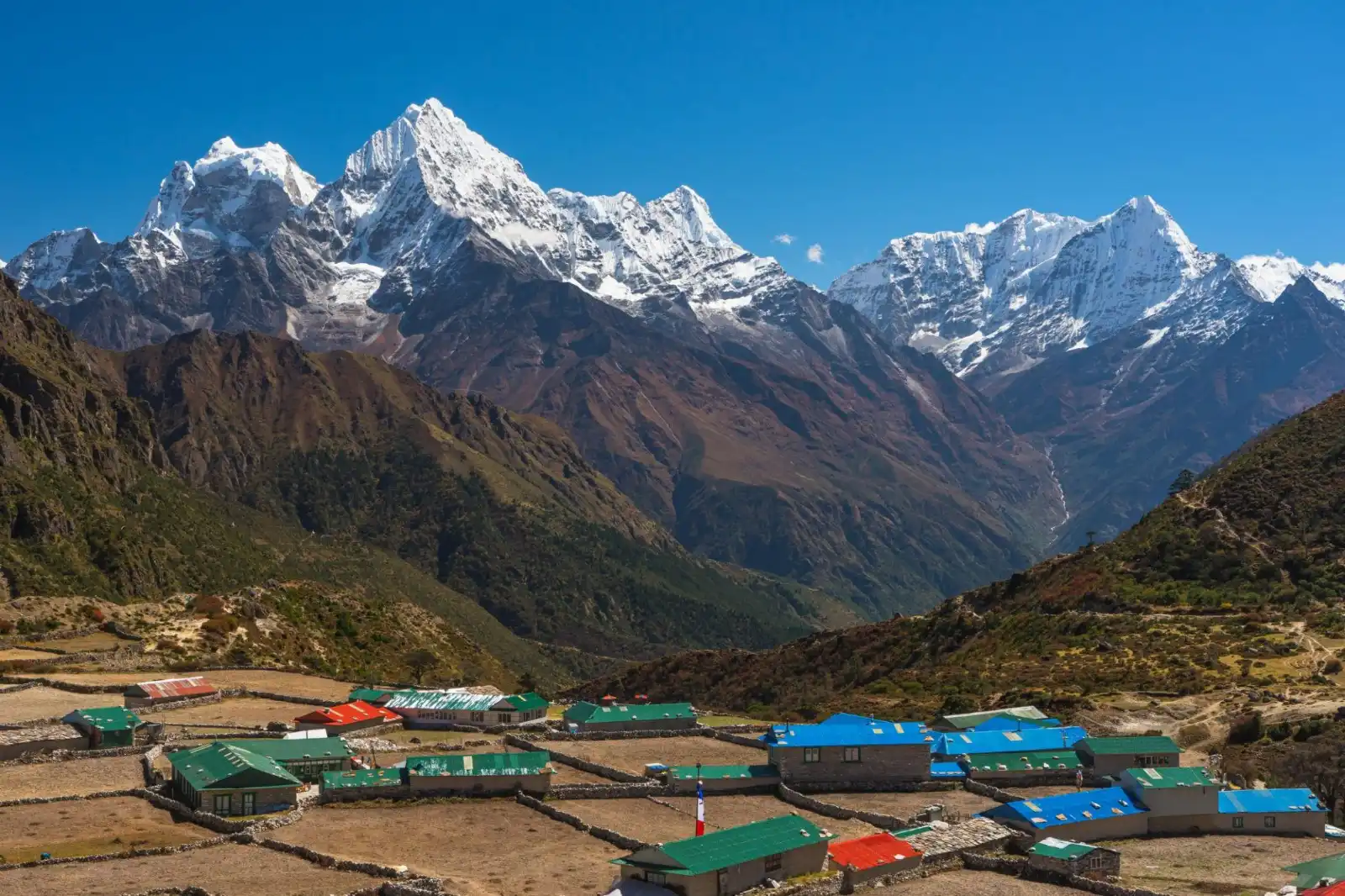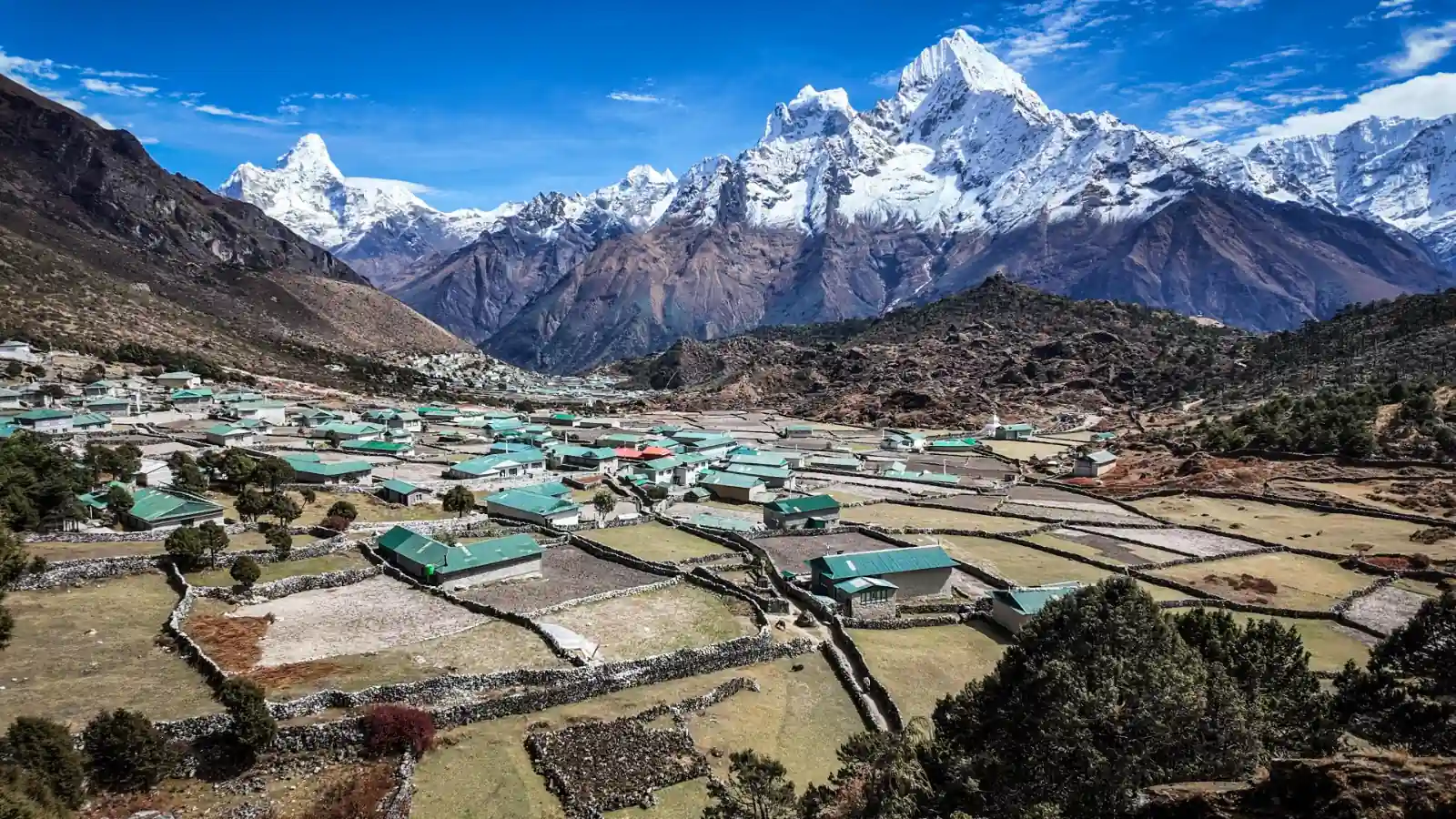
The Everest Heritage Trail Trek is a special journey into the heart of the Khumbu region, designed for travelers who want to experience much more than mountain scenery.
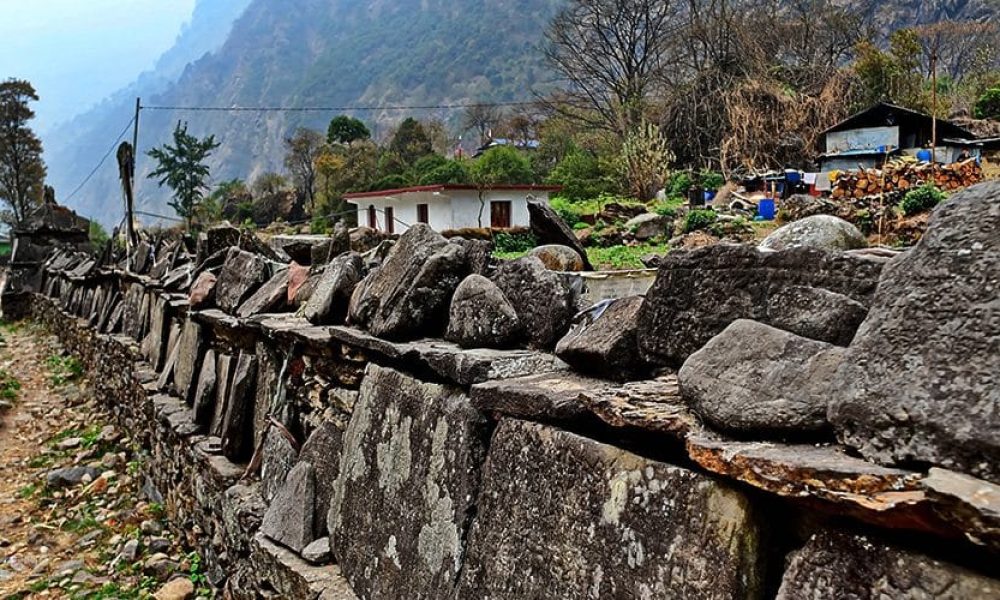
While the classic Everest Base Camp trek follows the main trekking corridor, the Everest Heritage Trail takes you deeper into the traditional villages of the Khumbu, where ancient Buddhist traditions, monasteries, stone houses, prayer wheels, mani walls, yak herding, mountain farming, and the everyday lifestyle of the Sherpa people remain an important part of life.
From the bustling mountain town of Namche Bazaar to the traditional settlements of Thame, Thamo, Marlung, Khumjung and Phortse, and finally the spectacular Tengboche Monastery, this journey connects you with the cultural and natural heritage of the Everest region.
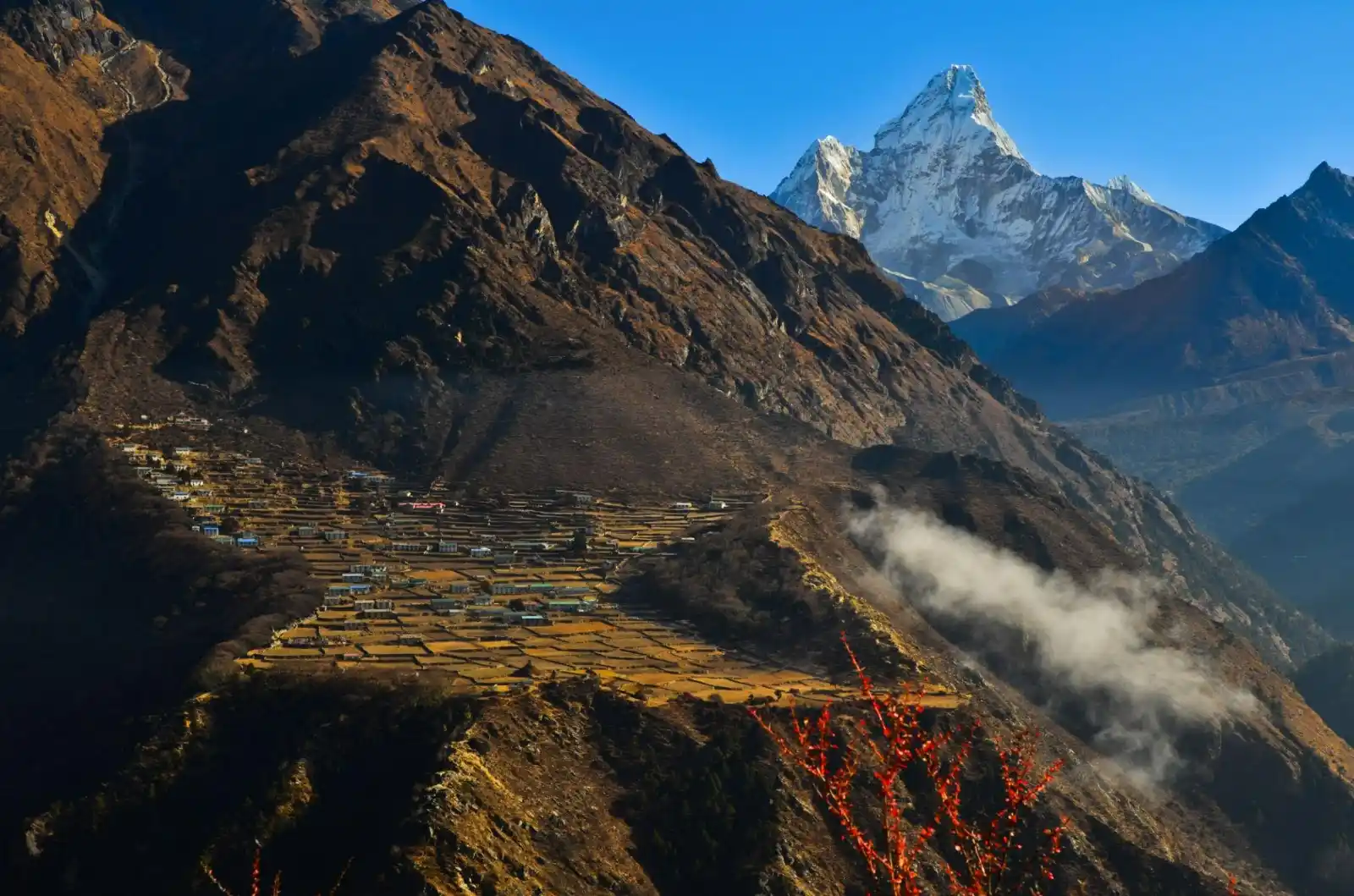
The route also provides mountain views from many different angles, including Everest, Lhotse, Ama Dablam, Thamserku, Kangtega, Khumbila and other Himalayan peaks. The Nepal Tourism Board describes Khumjung as one of the major traditional villages of Khumbu and Tengboche as an important Buddhist center with views toward Everest, Lhotse and Ama Dablam.
Welcome to Nepal, Our representative will meet you at Tribhuvan International Airport and transfer you to your hotel in Kathmandu.
After check-in, you can relax and recover from your journey. Depending on your arrival time, you may have an opportunity to explore the surrounding area of Kathmandu.
Accommodation: Hotel in Kathmandu
Today is dedicated to preparing for your Everest Heritage Trail. Our trekking team will provide a detailed briefing about the route, weather, altitude, accommodation, food, safety and cultural etiquette. You can also check your trekking equipment and purchase or rent any necessary items in Kathmandu. This is an important day to make sure you are properly prepared before flying into the mountains.
Accommodation: Hotel in Kathmandu
Today your Himalayan adventure begins. You take a scenic flight toward Lukla, the gateway to the Everest region to Everest Heritage Trail. After landing, you begin walking through the Dudh Koshi Valley. The trail passes through small settlements, forests, suspension bridges and traditional mountain landscapes before reaching Phakding. Phakding is one of the popular first overnight stops on the Everest trail.
Walking: Approximately 3 to 4 hours
Altitude: Phakding is at altitude of around 2,600 m
Overnight: Phakding
After breakfast, the trail follows the Dudh Koshi River toward Namche. You cross several suspension bridges and enter Sagarmatha National Park before continuing through beautiful forests. As you climb higher, the landscape becomes increasingly dramatic. After the final steep ascent, you reach Namche Bazaar, the famous Sherpa trading center of Khumbu. Namche is not simply a stopping point; it is an important center of Sherpa commerce, culture and tourism.
Walking: Approximately 5 to 6 hours
Altitude: Namche Bazaar is at altitude of around 3,440 m
Overnight: Namche Bazaar
Today is an important acclimatization day. Instead of simply resting in the lodge, you can explore the surrounding villages and viewpoints around Namche. You can observe traditional Sherpa houses, Buddhist prayer wheels and mani walls while learning about the history and lifestyle of the Khumbu people. This is also a wonderful opportunity to enjoy panoramic views of the surrounding Himalayan peaks.
Overnight: Namche Bazaar
Today you leave the main Everest Base Camp route and enter one of the most culturally interesting parts of the journey. The trail heads toward Thame, a traditional Sherpa settlement located northwest of Namche.
Thame is known for its strong Sherpa heritage and is associated with the traditional route toward Renjo La. The Nepal Tourism Board specifically highlights Thame and nearby Thamo as Sherpa settlements where visitors can experience a less developed and more traditional side of Khumbu.
Here you can observe traditional houses, fields, monasteries and the daily life of local families.
Walking: Approximately 4 to 5 hours
Overnight: Thame
Today the trail continues deeper into the remote northern part of the Khumbu. You walk through beautiful mountain terrain, crossing streams and passing traditional settlements and grazing areas.
Marlung is a small Himalayan settlement surrounded by dramatic mountains. The village offers a very different atmosphere from the busy Namche area. This is one of the days when you truly begin to experience the quieter side of the Everest region.
Walking: Approximately 5 to 6 hours
Overnight: Marlung
Today you retrace part of the historic valley route toward Thamo. Thamo is another traditional Sherpa village where the landscape, architecture and lifestyle provide an opportunity to understand how people have adapted to living in the high Himalayas.
The surrounding forests also provide habitat for Himalayan wildlife, and the area is recognized by Nepal Tourism Board for its traditional Sherpa culture.
Walking: Approximately 5 to 6 hours
Overnight: Thamo
Today you return toward the main Khumbu villages and continue to Khumjung. Khumjung is one of the most important traditional villages in the region and lies beneath the sacred mountain Khumbila.
The village provides a wonderful opportunity to see traditional Sherpa homes, stone walls, fields and Buddhist cultural traditions. The Nepal Tourism Board describes Khumjung as the largest village in Khumbu and notes its location at the foot of sacred Khumbila.
Walking: Approximately 5 to 6 hours
Overnight: Khumjung
Today you continue toward Phortse, one of the most beautiful traditional settlements in the Khumbu. The village is surrounded by spectacular mountain scenery and is known for its strong Sherpa community.
Phortse is also recognized as an ecotourism village and offers views, wildlife experiences and a glimpse into traditional Himalayan life. This is an excellent day for travelers who want to photograph both the mountains and village life.
Walking: Approximately 5 to 6 hours
Overnight: Phortse
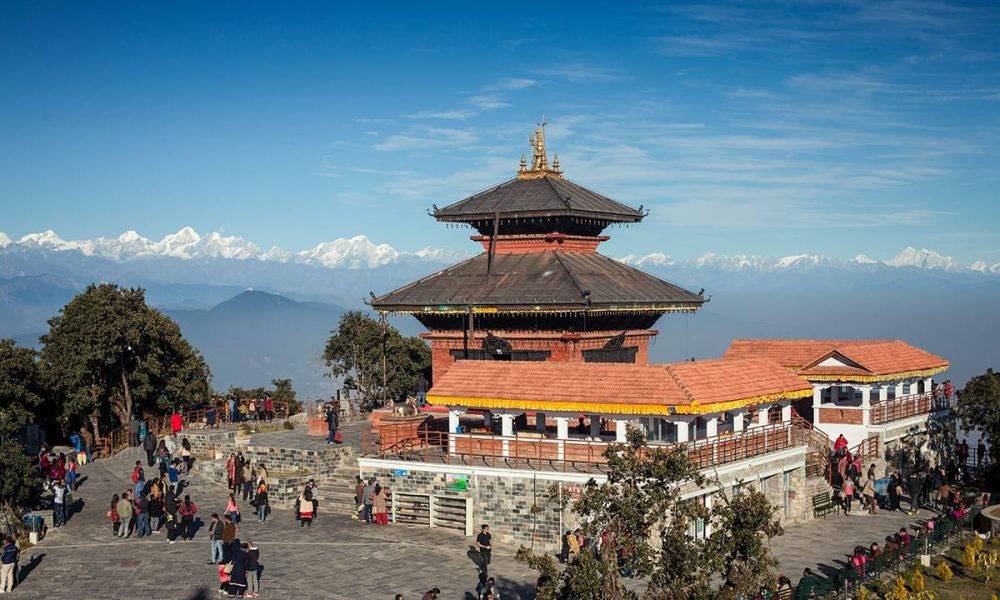
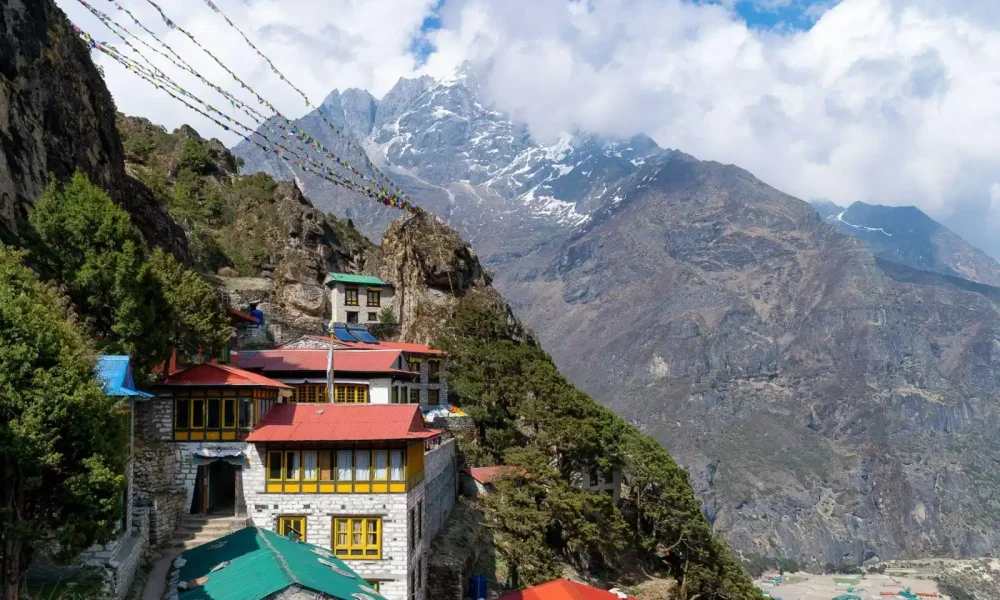
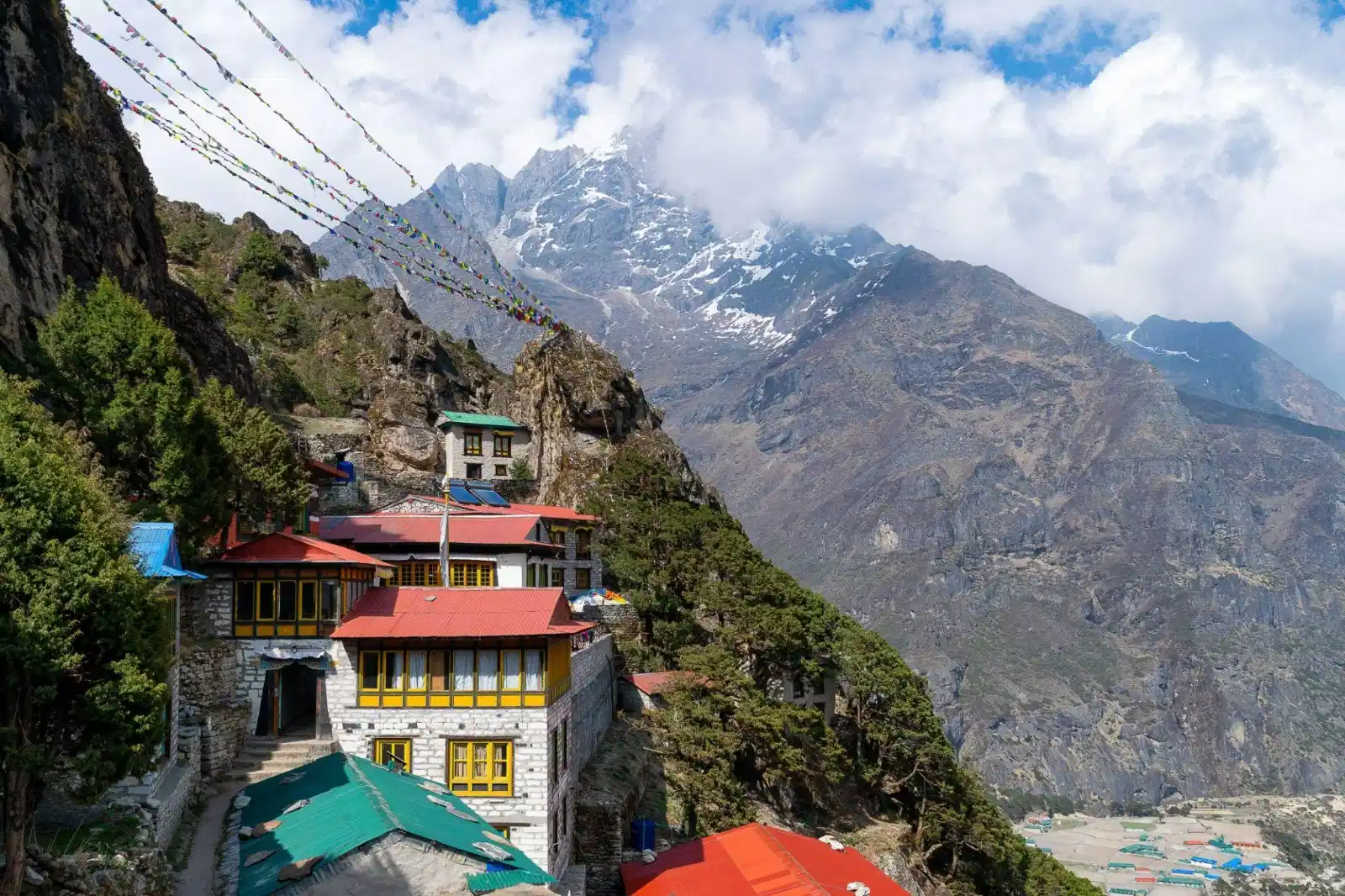
Today is one of the cultural highlights of the trek. The trail leads toward Tengboche, home to the famous Tengboche Monastery, one of the most important Buddhist centers in the Khumbu.
The monastery sits in an extraordinary Himalayan setting, with views toward Ama Dablam, Everest and Lhotse. You can explore the monastery, observe Buddhist architecture and prayer traditions, and experience the peaceful spiritual atmosphere of the mountains.
Walking: Approximately 4 to 5 hours
Altitude: Tengboche is at altitude of around 3,860 m
Overnight: Tengboche
After breakfast, you begin your descent toward Monjo. The trail passes through beautiful forests and traditional mountain settlements.
As you descend, the air becomes warmer and the vegetation changes. The journey gives you another perspective of the landscapes you crossed earlier.
Walking: Approximately 5 to 6 hours
Overnight: Monjo
Today is the final trekking day. You follow the Dudh Koshi Valley toward Lukla, passing through familiar villages, suspension bridges and forests. After arriving in Lukla, you can relax and celebrate the completion of your Everest Heritage Trail adventure with your trekking team.
Walking: Approximately 5 to 7 hours
Overnight: Lukla
Today you take a scenic flight from Lukla back to Kathmandu. After reaching Kathmandu, transfer to your hotel and enjoy a relaxing afternoon.
Overnight: Kathmandu
Today is a free day in Kathmandu. You can relax at your hotel, explore the city, purchase souvenirs or visit cultural and historical sites. You may also use the day to enjoy a farewell dinner with your trekking team.
Overnight: Kathmandu
Your Everest Heritage Trail adventure comes to an end today. Our representative will transfer you to Tribhuvan International Airport according to your flight schedule.
Airport pickup and drop-off by private vehicle
Our Service
The exact permits and local fees should be stated in your quotation because Everest-area permit arrangements and fees can change. Nepal Tourism Board confirms Sagarmatha National Park as the main protected area for this trek and highlights its Sherpa culture, Namche, Khumjung and Tengboche attractions.
The Everest region is predominantly associated with Sherpa communities and Tibetan-influenced Himalayan Buddhist traditions. Buddhist monasteries, prayer flags, mani walls, chortens and prayer wheels are an integral part of the cultural landscape.
For local communities, the mountains are not simply scenery—they are deeply connected with spiritual beliefs, traditions and everyday life. Nepal Tourism Board describes the Everest region as a place where trekking combines encounters with Sherpa villages and Buddhist spiritual traditions.
Along the Everest Heritage Trail, travelers have the opportunity to see how people live in these challenging high-altitude environments, working their fields, caring for animals, maintaining traditional homes, operating teahouses and continuing generations-old cultural practices.
Phakding: A peaceful riverside settlement and one of the first overnight stops after Lukla.
Namche Bazaar: The famous Sherpa trading center and the commercial heart of the Khumbu.
Thame: A traditional Sherpa settlement offering a quieter cultural experience away from the busiest trail.
Marlung: A small mountain settlement surrounded by dramatic Himalayan landscapes.
Thamo: A traditional Sherpa village where visitors can experience local architecture, culture and mountain life.
Khumjung: A beautiful traditional village beneath sacred Khumbila, surrounded by spectacular mountains.
Phortse: A distinctive Sherpa village known for its mountain setting, traditional lifestyle and natural surroundings.
Tengboche: Home to the famous Tengboche Monastery and one of the most spectacular mountain viewpoints in the Khumbu.
Monjo: A peaceful settlement along the Dudh Koshi Valley and an important stop on the route toward Lukla.
The principal trekking seasons are spring (March–May) and autumn (late September–November). Autumn generally brings very clear post-monsoon skies, while spring offers warmer conditions and blooming rhododendrons.
Spring – March to May
Autumn – Late September to November
For this particular trek, October–November and March–April are particularly attractive periods for travelers who want a combination of village culture and mountain views. Weather can still change rapidly in the Himalayas, so conditions should always be checked before departure.
The Everest Heritage Trail is not simply another Everest trek. It is designed for travelers who want to understand how people actually live in the Khumbu Himalaya. Instead of concentrating only on reaching a famous destination, this journey takes you through the communities that make the Everest region what it is.
You will walk through major Sherpa villages, visit monasteries, meet local people, observe traditional lifestyles and experience the relationship between Himalayan culture and the mountains.
It is especially suitable for travellers who:
This is the Everest experience beyond Everest Base Camp.
You don’t simply walk through the Khumbu; you spend time inside its villages, meet its people, experience its traditions and see the mountains from many different angles.
That is what makes the Everest Heritage Trail Trek a special journey.
Walk beyond the famous trail. Discover the villages, people, culture and living heritage of the Khumbu Himalaya.
The Everest Heritage Trail is a 16-day cultural trek through traditional Sherpa villages, Buddhist heritage sites and Himalayan landscapes in Nepal’s Khumbu region.
The complete Everest Heritage Trail itinerary takes 16 days, including arrival, preparation, trekking, leisure and departure days.
The trekking portion of the Everest Heritage Trail starts and ends in Lukla, with the overall journey beginning and finishing in Kathmandu.
No, the Everest Heritage Trail focuses on traditional Khumbu villages and Sherpa heritage rather than continuing to Everest Base Camp.
The route visits Phakding, Namche Bazaar, Thame, Marlung, Thamo, Khumjung, Phortse, Tengboche, Monjo and Lukla
The trek involves multiple days of high-altitude walking for approximately three to seven hours, so good physical preparation is recommended.
Most trekking days involve approximately three to seven hours of walking depending on the route and terrain.
Yes, the itinerary includes an acclimatization and cultural exploration day in Namche Bazaar before continuing toward Thame.
The supplied itinerary is a trekking journey rather than a climbing expedition and does not include technical mountain climbing.
The trek emphasizes the living Sherpa culture, traditional Khumbu villages and Buddhist heritage rather than making Everest Base Camp the main objective.
Yes, the journey passes through traditional Sherpa communities where travelers can experience local architecture, village life, Buddhist traditions and mountain hospitality.
Yes, Buddhist heritage is an important part of the journey, with Tengboche Monastery serving as one of its major cultural highlights.
Tengboche Monastery combines an important Buddhist cultural experience with Himalayan views toward Ama Dablam, Everest and Lhotse.
Khumjung is a traditional Sherpa village situated beneath sacred Khumbila and offers an opportunity to experience local homes, fields and Buddhist traditions.
The package includes the Sagarmatha National Park entry permit, Khumbu Pasang Lhamu local trekking permit and necessary trekking paperwork.
The package uses a domestic flight to Lukla from Kathmandu or Ramechhap depending on the current flight operation.
Accommodation during the trekking portion is provided in local teahouses or mountain lodges on a twin-sharing basis.
Yes, the package includes a government-licensed English-speaking trekking guide and porter service, generally with one porter for two trekkers.
When flights operate through Ramechhap, the package includes the required ground transfer between Kathmandu and Ramechhap.
There are no reviews yet. Be the first one to write one.

Explore Nepal Trails is your trusted partner for trekking, peak climbing, and mountaineering adventures in Nepal. From classic Himalayan treks to high-altitude expeditions and cultural journeys, we deliver safe, well-planned, and unforgettable travel experiences.
We Accept

Join our community of over 200,000 global readers who receive emails filled with news, promotions, and other good stuff.

WhatsApp us