You’ve probably seen the photos a single trekker silhouetted against an impossible wall of ice, prayer flags snapping in the wind, a teahouse tucked into a valley that looks photoshopped. Then comes the harder question: which trail is actually right for you?
Nepal has more than a dozen world-class trekking regions, and they’re not interchangeable. Some take two weeks and push you above 5,000 meters. Others are gentle four-day loops with hot showers and apple pie at every stop. Picking wrong can mean blisters, altitude sickness, or a trip that doesn’t match what you came for.
This guide walks you through the best treks in Nepal for international travelers, what each one is like on the ground, who it suits, when to go, and what it costs. By the end, you’ll know which trail belongs on your shortlist. For a full overview of every route we operate, see our complete Nepal trekking collection.
Why Nepal Is the World’s Best Trekking Destination
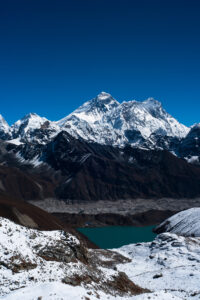
Nepal sits at the foot of eight of the world’s fourteen 8,000-meter peaks, including Everest, Annapurna, and Kanchenjunga. But the real draw isn’t just altitude , it’s accessibility. Most major trails are stitched together by teahouses: family-run lodges where you can sleep in a bed, eat hot dal bhat, and skip the tent entirely. That means trekkers from the US and Europe can experience genuinely remote Himalaya without expedition-level logistics.
Add to that a well-established permit system, English-speaking guides, and a culture famously welcoming to outsiders, and it’s easy to see why Nepal Tourism Board officially promotes trekking as the country’s flagship adventure experience.
How We Ranked These Treks
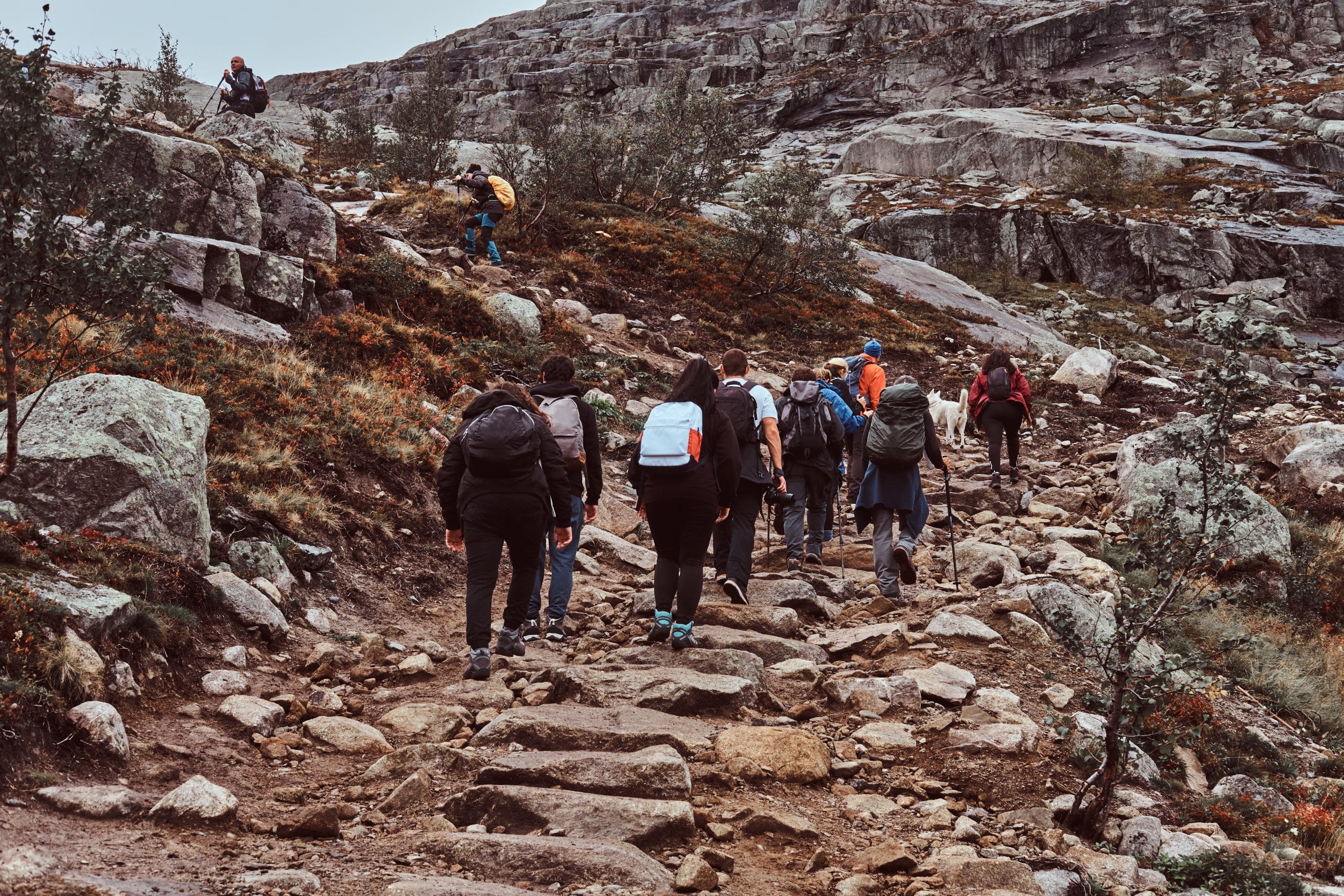
We weighed five factors that matter to first-time and returning trekkers alike:
- Scenery and uniqueness – what you actually see
- Difficulty and altitude – who can realistically complete it
- Accessibility – flights, road heads, and trail infrastructure
- Cultural depth – villages, monasteries, and the people you meet
- Crowd levels – solitude vs. social atmosphere
The list below mixes legendary routes with quieter alternatives, so there’s something for every traveller.
Best Time to Trek in Nepal
Choosing the right season is just as important as choosing the right trail. The best time to trek in Nepal depends on your preferred weather, crowd levels, and trekking goals. While autumn is widely considered the best overall season, every time of year offers unique advantages on different routes.
Autumn (Late September to November)
The undisputed peak season. Skies clear after the monsoon, temperatures are comfortable, and visibility is exceptional. Trails are busier, but for first-timers this is the safest, most rewarding window.
Spring (March to May)
The second-best season. Rhododendron forests bloom across the lower hills, and temperatures warm steadily. Afternoons can get hazy at lower altitudes, but high-mountain views remain stunning.
Winter (December to February)
Quiet trails, sharp views, and far fewer crowds. The best winter treks in Nepal are lower-altitude routes like Mardi Himal and Langtang. High passes such as Thorong La (Annapurna Circuit) are typically closed by snow.
Monsoon (June to Early September)
Most trails are wet, leeches are active, and clouds block the views. The exception is the best monsoon treks in Nepal , rain-shadow regions like Upper Mustang and Dolpo stay dry and are at their best.
The Top 10 Best Treks in Nepal
1. Everest Base Camp Trek
- Duration: 12–14 days
- Max altitude: 5,545 m (Kala Patthar)
- Difficulty: Moderate to challenging
- Best season: Autumn and spring
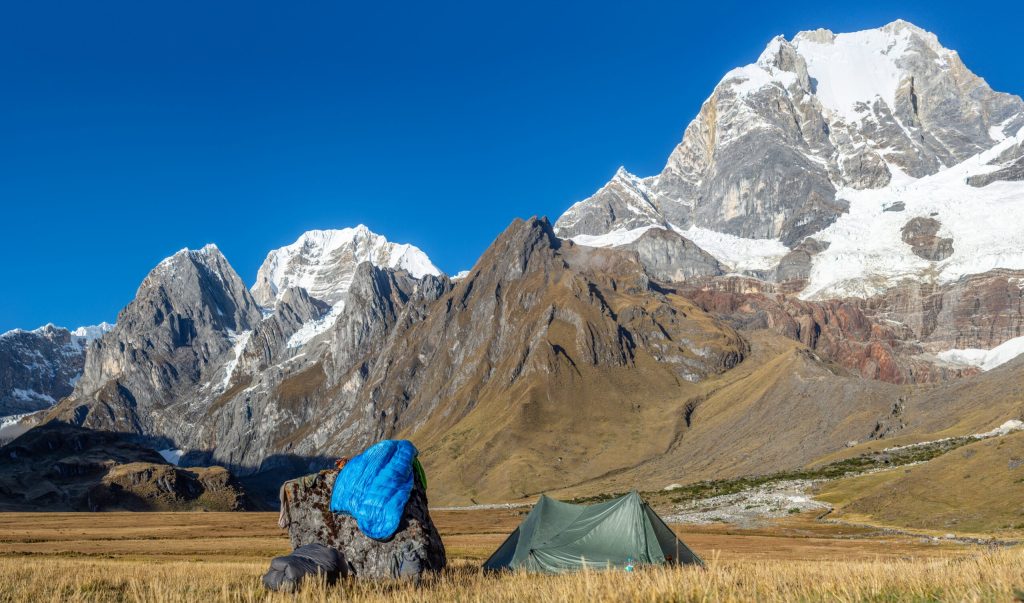
This is one of the best base camp trek in Nepal, most travellers picture when they think of Nepal. You fly into Lukla, walk through Sherpa villages like Namche Bazaar and Tengboche, and end up staring up at the south face of Everest from base camp itself. The altitude is the real challenge , proper acclimatisation days are non-negotiable. If you only do one Himalayan trek in your life, this is the obvious choice. See our full 17-day Everest Base Camp Trek itinerary and cost, or browse all routes in the Everest Region.
2. Annapurna Base Camp Trek
- Duration: 7–10 days
- Max altitude: 4,130 m
- Difficulty: Moderate
- Best season: Autumn, spring, and winter
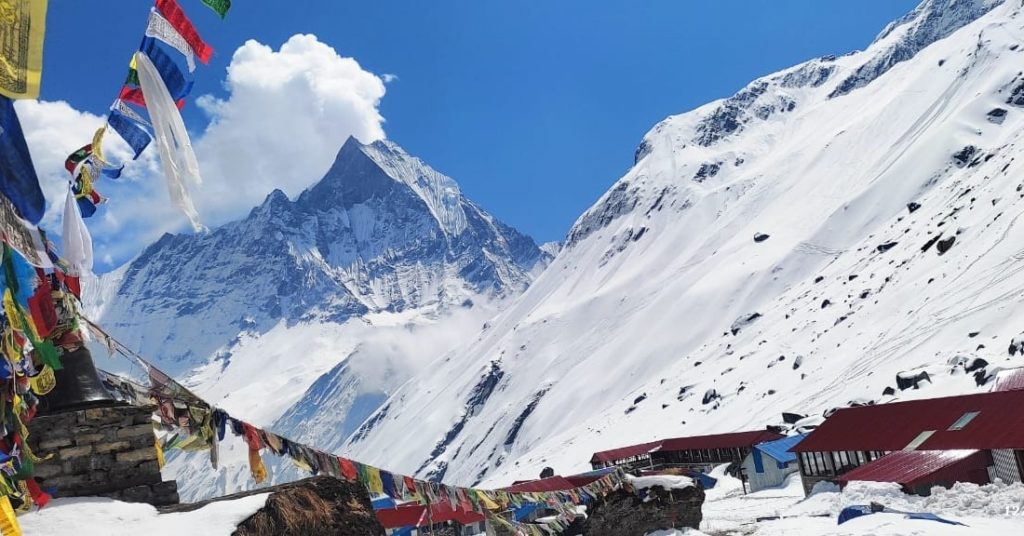
Often called ABC, this trek delivers a complete amphitheatre of peaks , Annapurna I, Machapuchare, Hiunchuli , all visible from a single base camp at sunrise. It’s shorter than Everest, lower in altitude, and arguably the best base camp trek in Nepal for travellers with limited time. The mix of bamboo forests, terraced villages, and dramatic high-mountain scenery is hard to beat. Read our complete Annapurna Base Camp Trek guide for daily itinerary, costs, and permits.
3. Annapurna Circuit Trek
- Duration: 12–18 days
- Max altitude: 5,416 m (Thorong La Pass)
- Difficulty: Challenging
- Best season: Autumn and spring
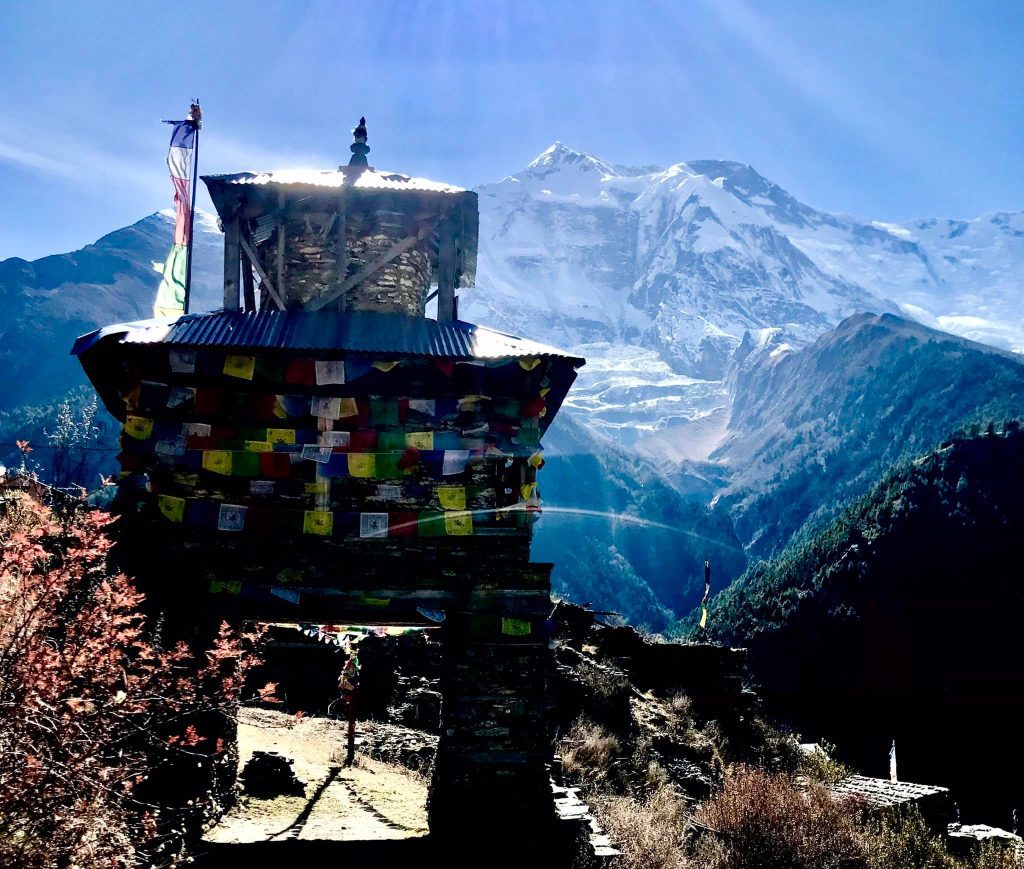
The classic teahouse trek. The Annapurna Circuit Trek takes you from subtropical lowlands through pine forests, alpine meadows, and arid Tibetan-style plateaus, before crossing the legendary Thorong La pass. Road construction has shortened parts of the route, but it’s still one of the most varied long-distance trails on earth. This is the route the phrase “best teahouse treks in Nepal” was practically invented for. Explore more Annapurna Region treks if you want shorter or higher alternatives.
4. Langtang Valley Trek
- Duration: 7–9 days
- Max altitude: 4,984 m (Kyanjin Ri)
- Difficulty: Moderate
- Best season: Autumn, spring, and winter
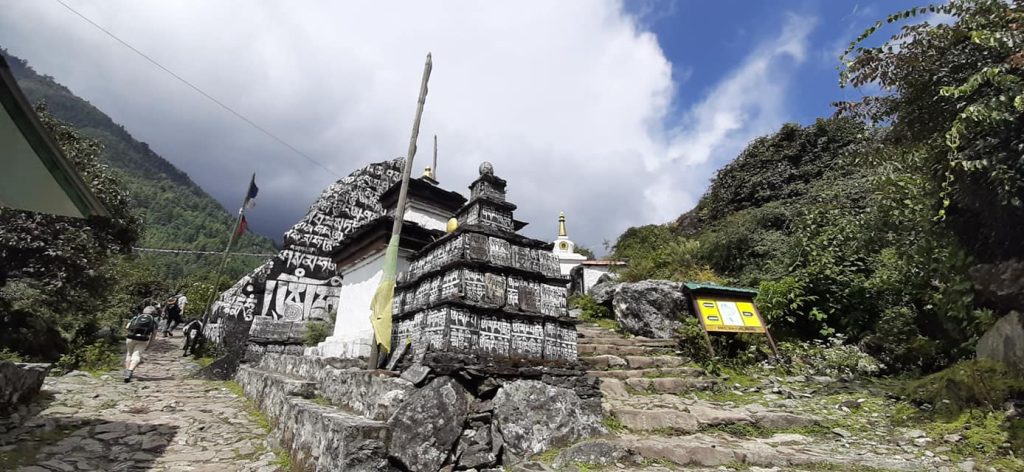
The closest serious trekking region to Kathmandu , no flight required. Langtang was devastated by the 2015 earthquake, and trekking here directly supports the rebuilt Tamang villages. You get glacier views, yak cheese factories, and a side trip up Tserko Ri or Kyanjin Ri for a panoramic finale. It’s one of the best short treks in Nepal if you’re tight on time. For trekkers wanting an extra challenge, our Langtang Valley with Ganja La Pass route adds a high crossing into the Helambu region, and you can see all our Langtang Region itineraries for more options.
5. Manaslu Circuit Trek
- Duration: 14–16 days
- Max altitude: 5,160 m (Larkya La Pass)
- Difficulty: Challenging
- Best season: Autumn and spring
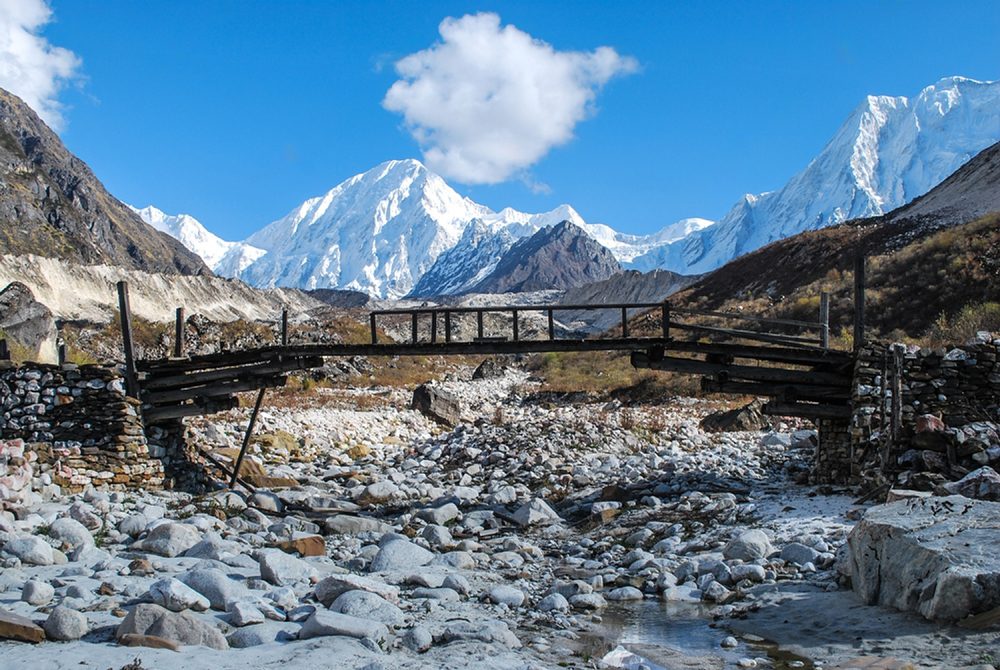
What the Annapurna Circuit was twenty years ago , wild, remote, and culturally rich. The Manaslu Circuit Trek (18 days) is a restricted area, which means smaller crowds, a guide is mandatory, and you need a special permit. The trail wraps around the eighth-highest mountain in the world and crosses high villages where Tibetan Buddhism is the daily reality. For travellers who want to add the hidden Buddhist kingdom side-valley, the Tsum Valley with Manaslu Circuit combination is one of our most rewarding longer itineraries.
6. Ghorepani Poon Hill Trek
- Duration: 4–5 days
- Max altitude: 3,210 m
- Difficulty: Easy
- Best season: Year-round
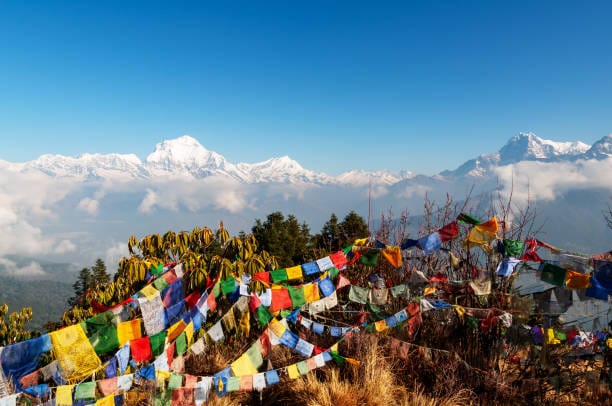
The classic introduction. Short, gentle, and crowned by one of the most famous sunrise viewpoints in the Himalaya , Poon Hill, where the entire Annapurna and Dhaulagiri ranges light up at dawn. This is the best trek in Nepal for beginners, older travellers, or anyone short on time. Families do it. So do honeymooners. The trail is well-maintained and lodges are comfortable. If you’re travelling with kids or grandparents, check our Happy Family Trek service, designed specifically for safe, comfortable family adventures in the Himalaya.
7. Upper Mustang Trek
- Duration: 10–14 days
- Max altitude: 3,840 m
- Difficulty: Moderate
- Best season: Late spring, summer, and early autumn
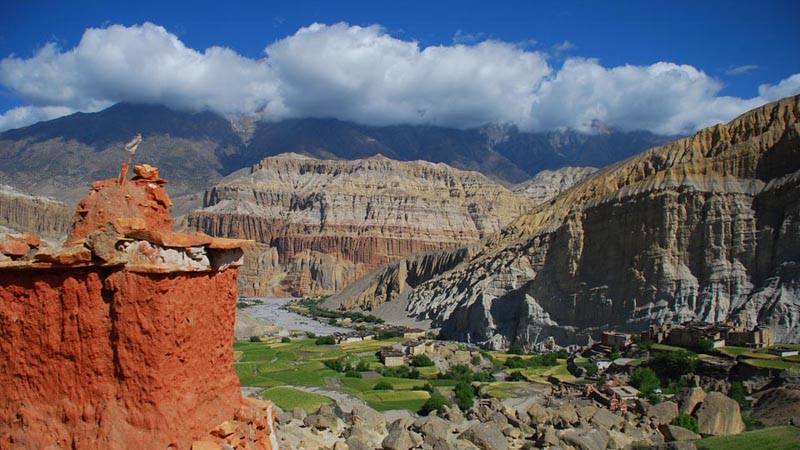
Upper Mustang sits in the rain shadow north of the Annapurnas, which means it’s trekkable in the monsoon when most of Nepal is washed out. The landscape is high desert , eroded canyons, fortified mud villages, and the walled city of Lo Manthang, a former Tibetan kingdom. A restricted-area permit (currently around $500 for ten days) keeps numbers low. Culturally, nowhere else in Nepal feels quite like this.
8. Gokyo Lakes Trek
- Duration: 12–14 days
- Max altitude: 5,357 m (Gokyo Ri)
- Difficulty: Moderate to challenging
- Best season: Autumn and spring
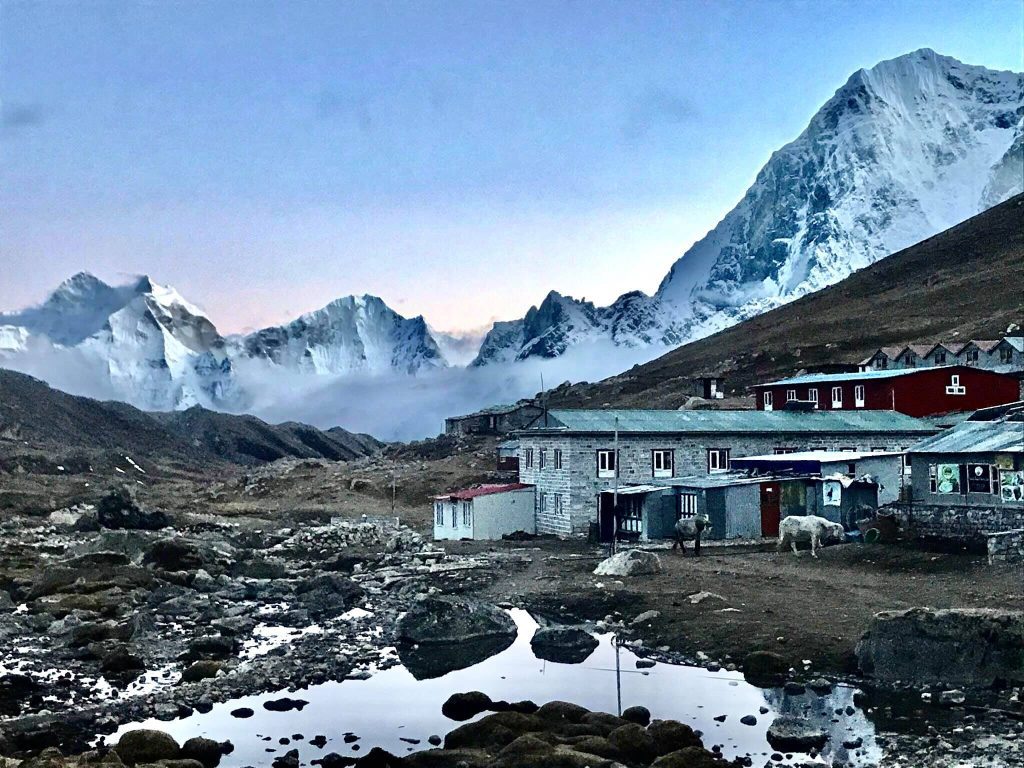
A quieter alternative to standard Everest Base Camp. Our Gokyo Ri and Cho La Pass trek via EBC (19 days) still reaches the Khumbu region, but you climb Gokyo Ri as well , a viewpoint many trekkers say offers the best Mt Everest viewing trek in Nepal. Add six turquoise glacial lakes and the Cho La pass crossing, and you have a full circuit that combines two iconic Khumbu experiences in one journey. If you want Everest without the crowds, this is it.
9. Mardi Himal Trek
- Duration: 5–7 days
- Max altitude: 4,500 m (Upper Viewpoint)
- Difficulty: Moderate
- Best season: Autumn, spring, and winter
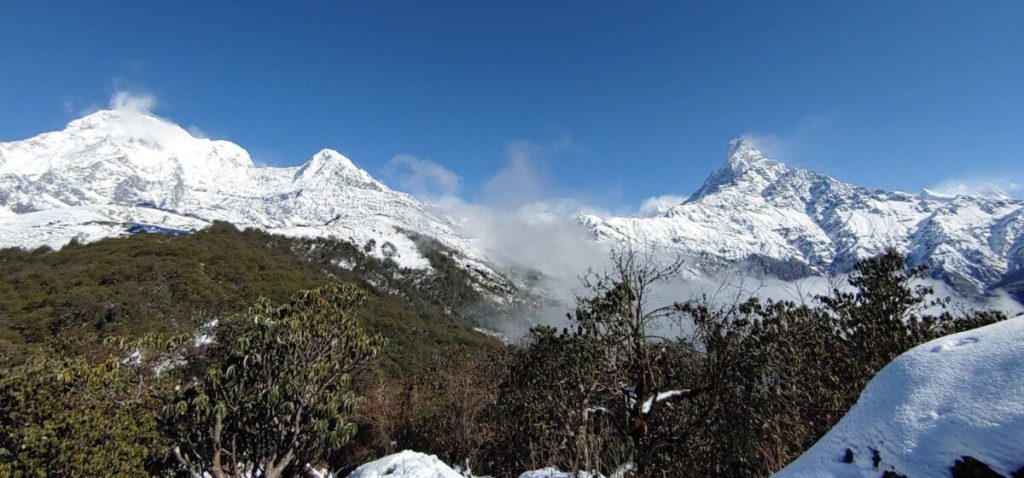
A relative newcomer that opened to teahouse trekking only in the last decade. The Mardi Himal Trek climbs a ridge directly facing Machapuchare (Fishtail) , arguably the most photogenic peak in Nepal. It’s short, scenic, and far less crowded than ABC. Excellent for trekkers who want serious mountain views without committing two weeks.
10. Kanchenjunga Base Camp Trek
- Duration: 20–24 days
- Max altitude: 5,143 m
- Difficulty: Challenging
- Best season: Autumn and spring
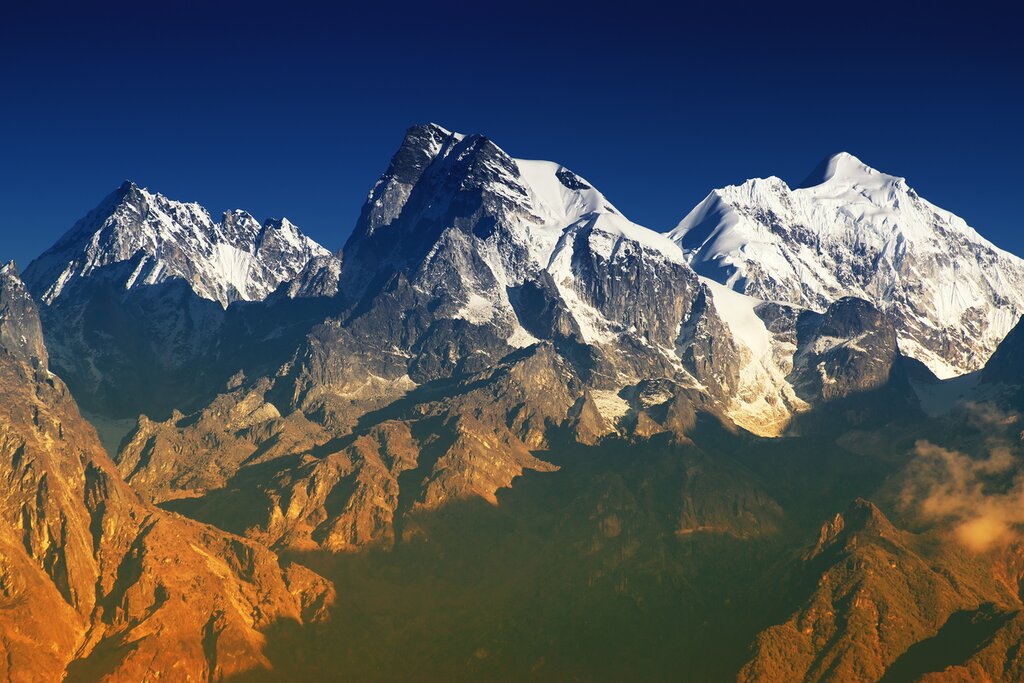
The world’s third-highest mountain sits in Nepal’s far east, and getting to its base camp is a genuine expedition. Our Kanchenjunga North & South Base Camp Trek reaches both base camps on a single itinerary, with restricted-area status, mandatory guides, and very limited infrastructure , this is for experienced trekkers only. To understand the geography before you commit, read our detailed breakdown of the main peaks of Kanchenjunga. The reward is solitude on a scale that no longer exists in the Annapurna or Everest regions.
Practical Tips Before You Book
Permits and Paperwork
Most treks require a TIMS card plus a regional permit (ACAP for Annapurna, Sagarmatha National Park entry for Everest, etc.). Restricted areas like Manaslu, Upper Mustang, and Kanchenjunga need additional permits and a licensed guide. Your trekking agency will handle this , independent permit acquisition is no longer possible for most major routes as of recent regulation changes. See our up-to-date Nepal trekking permit fees breakdown, and verify regulations directly via the Nepal Department of Tourism.
What to Pack
Layering is everything. A good down jacket, waterproof shell, broken-in hiking boots, a 0°C sleeping bag (for higher routes), trekking poles, and a high-SPF sunscreen are non-negotiable. Most other gear can be rented or bought cheaply in Kathmandu’s Thamel district. See our full Nepal trekking equipment checklist and our detailed blog on what trekking equipment you actually need in Nepal before you start shopping.
Altitude Sickness
Anything above 3,000 meters carries some risk. The golden rule is to climb high, sleep low, and never gain more than 500 meters of sleeping altitude per day above 3,000 m. Discuss Diamox (acetazolamide) with your doctor before flying out , it’s not a substitute for proper acclimatisation, but it helps. The CDC’s official guidance on high-elevation travel is the most reliable medical resource before you fly.
Guide vs. Independent
As of 2023, Nepal requires a licensed guide for trekking in national park areas. Beyond the legal requirement, a good guide transforms the experience , they handle logistics, translate culture, and recognise altitude symptoms before you do. If you want flexibility with professional support, our GAP (Guide and Porter) Trek service is built for independent travellers who still want experienced local backup on the trail.
Travel Insurance
Non-negotiable. Make sure your policy covers helicopter evacuation up to at least 6,000 meters. The British Mountaineering Council’s travel and safety advice is a solid starting point. World Nomads and Global Rescue are the most commonly recommended providers for Himalayan trekking.
Final Thoughts: Choosing Your Trek
The “best” trek isn’t a fixed answer , it depends on your fitness, your timeline, and what kind of memory you want to bring home. A first-timer with a week to spare is better off on Poon Hill than struggling up Everest Base Camp. A returning trekker chasing solitude will find more reward in Manaslu or Kanchenjunga than on the busier classic routes.
Whichever trail you choose, prepare properly, respect the altitude, and give yourself a buffer day or two for weather. The mountains aren’t going anywhere , but a rushed trek almost always disappoints.
Ready to start planning? Browse all our Nepal trekking packages, learn about the Explore Nepal Trails team, or contact us directly for a personalized itinerary based on your dates, fitness, and budget.