Latest update on the body recovered from the Broad Peak avalanche – 2026/08/23
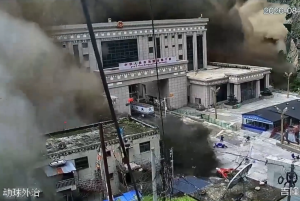
According to reporting from news and media, three weeks after a deadly avalanche on Broad Peak, local rescuers found the body of American climber Sarah Mallory Geis on August 21, 2026. While Geis was recovered, the remains of 29-year-old Nepali climber Nawang Thindu Sherpa could not be retrieved. Although his location was identified, the extreme danger of the terrain prevented his recovery.
- Recovery Status: Sarah Mallory Geis was found, but Nawang Thindu Sherpa remains on the mountain.
- Search Challenges: High avalanche risk and hazardous conditions above 6,000m made retrieving Sherpa’s body impossible this season.
The 2026 Broad Peak Avalanche: What Happened, and What It Means for High-Altitude Safety
The Broad Peak avalanche 2026 struck a ten-member international expedition on July 30, on Broad Peak (8,051m) in Pakistan’s Karakoram range, near K2. All 10 climbers died, including Nirmal “Nimsdai” Purja, one of the most widely recognised figures in modern mountaineering, as well as several of Nepal’s most accomplished high-altitude guides, according to reporting by Al Jazeera.
This piece lays out what is currently known about the Broad Peak avalanche 2026, the rescue response that followed, and the safety questions it has raised for high-altitude expeditions in the region.
Background: Broad Peak and K2
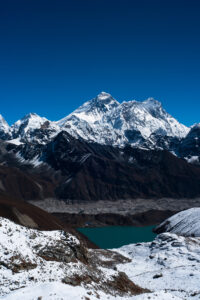
Broad Peak and K2 sit almost side by side in Pakistan’s Gilgit-Baltistan region, sharing the same approach routes, the same short summer climbing window, and the same limited rescue infrastructure. K2 (8,611m), the world’s second-highest peak, is known for technical, exposed climbing and narrow weather windows. Broad Peak (8,051m), the twelfth-highest mountain in the world, is considered less technically demanding but still serious, with exposed ridgelines and avalanche-prone slopes near its upper camps.
Both mountains lie in a remote part of the Karakoram, days from the nearest town by road, which shapes every part of how a rescue can unfold there. Base camps for both peaks are reached only after a multi-day trek in from Askole, the last village before the Baltoro Glacier, and once climbers move above base camp, they are largely out of reach of anything but helicopter support or a slow, physically demanding evacuation on foot.
This isolation is not new to the region. K2 alone has a long, difficult safety record, including the 2008 disaster in which eleven climbers died in a single 48-hour period after a serac collapse severed fixed ropes above the Bottleneck. Broad Peak has had its own share of tragedy, including the loss of several climbers during descent in 2013.
What makes the Broad Peak avalanche 2026 different is less the terrain and more who was on it: a team that included some of the most experienced high-altitude climbers in the world, on a mountain generally considered more forgiving than its famous neighbour. Coming near the tail end of the Broad Peak K2 climbing season 2026, it also raised fresh questions about how late-season expeditions assess risk once most other teams have already left the mountain.
What Happened: A Timeline of the Broad Peak Avalanche 2026
The Broad Peak Avalanche struck in the morning as the expedition climbed between Camp 2 and Camp 3, at roughly 6,600 metres. The ten climbers, as documented in the Wikipedia entry on the disaster, were: Nirmal Purja, Pur Bahadur “Yukta” Gurung, Nima Sherpa, Nadhira Al Harthy, Kili Pemba Sherpa, Nawang Thindu Sherpa, Gyalu Sherpa, Sohail Sakhi, Mallory Geis, and Wang Zhong. The group included elite Nepali climbing guides, a veteran Pakistani mountain guide, an accomplished Omani climber, and an American client on her first 8,000-metre expedition.
Reports from climbers who had already left the mountain describe unstable conditions in the days beforehand, including a significant windstorm around July 18 and elevated snow loading through late July. Most other expeditions had already left Broad Peak by the time the avalanche occurred; a small number of teams, including Purja’s, remained for a final summit push before the season closed.
Purja had added Broad Peak to his schedule shortly before travelling to Pakistan, after summiting Gasherbrum II without supplemental oxygen on July 21, as detailed by National Geographic. Completing Broad Peak would have left him one mountain, Cho Oyu, short of becoming the first person to climb all fourteen 8,000-metre peaks twice without bottled oxygen.
The Alpine Club of Pakistan Rescue Response
The Alpine Club of Pakistan rescue effort, coordinated alongside the country’s military, faced several compounding difficulties that are worth understanding, both for what they say about this specific tragedy and about Karakoram mountain rescue capacity more broadly. This response, and the delays within it, would go on to shape much of the public conversation around the Nimsdai Purja death and the fate of his teammates.
Delayed notification: According to Naila Kiani, a member of the Alpine Club of Pakistan and one of the country’s leading high-altitude climbers, authorities were not notified of the avalanche until roughly ten hours after it occurred, around 10 p.m. that evening. That delay meant the daylight window in which a helicopter search might have been possible had already closed by the time the alarm was raised.
Weather: Poor weather forced rescuers to suspend the search entirely for a day before it resumed. Helicopter operations were repeatedly limited by conditions in the days that followed, which meant ground teams carried much of the recovery effort on foot.
Helicopter infrastructure: Pakistan’s high-altitude rescue capability relies almost entirely on military helicopters, since the country does not currently have a dedicated commercial high-altitude rescue helicopter service of the kind that operates in Nepal, Kiani explained to Khaleej Times. Even where helicopters were available, some operations, such as a long-line retrieval from especially hazardous terrain, required separate approval from the Pakistan Army, since military pilots are not generally authorized to carry out this type of civilian recovery work.
GPS trackers carried by several climbers later helped rescuers reconstruct what had happened. American climber Mallory Geis’s tracker recorded a sudden 543-metre drop, while Omani climber Nadhira Al Harthy’s showed a fall of more than 1,600 metres, among the most severe of anyone in the group. The data pointed to a fast-moving slide down the mountain’s main gully, consistent with an overhanging snow face that reportedly collapsed above the climbers’ route, sweeping the entire traverse below it.
In response, teams from neighbouring K2 abandoned their own summit attempts to assist in the search, and EliteExped, the expedition company Purja co-founded, flew in additional Nepali climbers to help. Recovery work continued for days after the avalanche, with bodies located and brought down individually as weather and terrain allowed , a slow, physically demanding process in a part of the Karakoram with no road access and only limited helicopter support above base camp.
By August 1, all ten climbers had been confirmed dead. On that day, EliteExped issued a public statement confirming Purja’s death and that of his climbing partners, expressing that the news came with “profound sadness and immense heartbreak,” and asking for the privacy of the grieving families to be respected, NBC News reported.
The confirmation came before the Alpine Club of Pakistan had completed formal identification of all the bodies, which had been the club’s stated approach for confirming deaths , a reminder of how difficult it was for any single organization to control the flow of information during the response.
Why Was the Rescue So Challenging?
Pulling the details above together, the rescue effort was slowed by a combination of factors stacking on top of one another rather than any single point of failure:
- A ten-hour reporting delay. The avalanche struck in the morning, but authorities weren’t notified until around 10 p.m., by which point the daylight window for a helicopter search had already closed.
- No dedicated civilian rescue fleet. Pakistan relies on military helicopters for high-altitude rescue, unlike Nepal, where commercial rescue operators can respond directly and quickly.
- Approval bottlenecks. Certain operations, including long-line retrievals from hazardous terrain, required separate sign-off from the Pakistan Army rather than being something rescue pilots could act on immediately.
- Weather. Search efforts were suspended entirely for a full day due to poor conditions, forcing reliance on ground teams over air support.
- Remote, road-less terrain. With no vehicle access above Askole, recovery ultimately depended on slow, physically demanding ground movement across glaciated terrain.
Each of these factors is manageable on its own. Together, in a remote corner of the Karakoram, they added up to a response that could not move as fast as the situation required.
Lessons for High-Altitude Safety
Kiani, reflecting on the response afterward, pointed to structural issues rather than any single failure: limited communication from remote base camps, dependence on military rather than commercial helicopters, and weather that routinely grounds aircraft until daylight and formal approvals are secured. Her conclusion was that Pakistan needs a dedicated commercial Karakoram mountain rescue helicopter service, infrastructure that Nepal has developed over the past decade but that Pakistan’s mountaineering sector still lacks.
For trekkers, climbers, and expedition operators, the Broad Peak avalanche 2026 points to a few practical lessons worth carrying into future planning:
- Communication protocols matter as much as equipment. A faster reporting chain between climbing teams and base camp could have preserved the daylight search window that was lost here.
- Know your rescue infrastructure before you go. Response capability in the Karakoram is not the same as in the Everest region. Ask your operator directly what rescue resources are actually available on your specific route.
- Late-season expeditions carry added risk. With fewer teams on the mountain, there are fewer eyes, less support, and slower emergency response if something goes wrong.
- Confirm your insurance covers helicopter evacuation in Pakistan specifically, including scenarios where military rather than commercial aircraft are used.
- Discuss weather contingency plans up front. Ask what happens to a rescue timeline if conditions ground aircraft for a day or more, as they did here.
None of this diminishes the skill or preparation of the climbers involved some of the most experienced people in the sport were on this expedition. It simply reflects how much rescue outcomes at extreme altitude depend on infrastructure and systems that are largely out of any individual climber’s control.
For trekkers, climbers, and travellers considering an expedition in this region, the practical takeaway is straightforward: rescue response times in the Karakoram can differ meaningfully from those in the Everest region or other parts of Nepal, particularly for helicopter evacuation. Anyone planning a high-altitude trip to Pakistan’s mountains should discuss rescue and evacuation logistics, insurance coverage, and communication plans directly with their expedition operator well before departure.
In Memory: The Climbers Lost to the Broad Peak Avalanche 2026
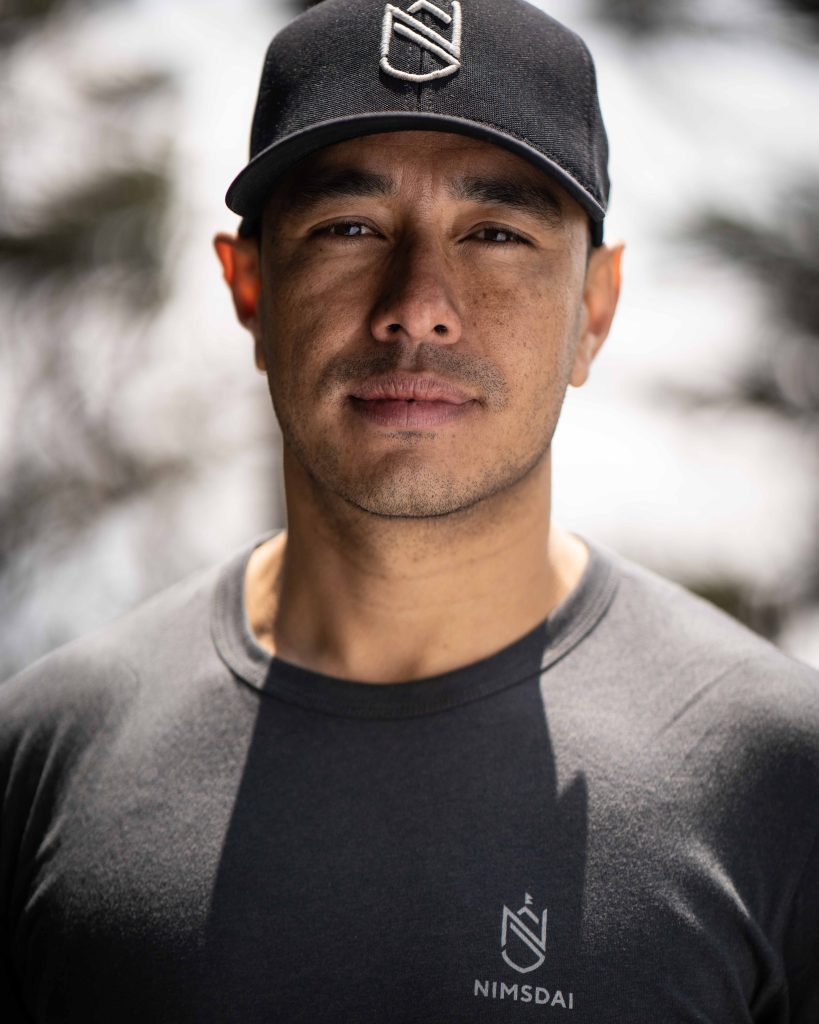
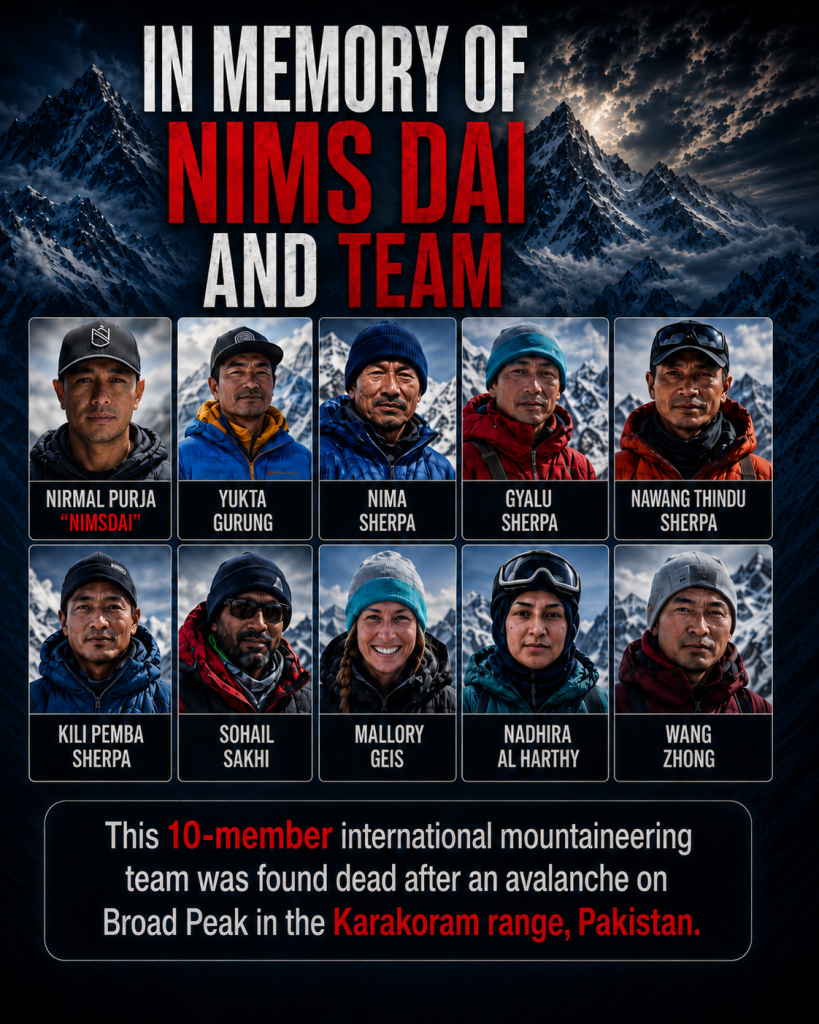
The Nimsdai Purja death drew the most global attention, but the Broad Peak avalanche 2026 claimed nine other lives equally deserving of recognition. Nirmal Purja became one of the most recognized names in mountaineering after summiting all fourteen of the world’s 8,000-metre peaks in a record six months in 2019, an achievement later featured in the Netflix documentary 14 Peaks: Nothing Is Impossible, as The Kathmandu Post recounted in its tribute to his life. Before Broad Peak, he had reportedly summited an 8,000-metre peak 57 times, 29 of them without supplemental oxygen.
He was also part of the first all-Nepali winter ascent of K2 in 2021, and through the Nimsdai Foundation supported the welfare of Nepali high-altitude workers, including funding porter housing in the Everest region. He was 43.
Pur Bahadur “Yukta” Gurung, from Luprak in Nepal, began his career as a porter before becoming one of Nepal’s most trusted IFMGA-certified high-altitude guides and one of Purja’s most senior and dependable climbers. He was reportedly considering Broad Peak among his final expeditions before stepping back from high-altitude guiding. Following his death, the production company behind several major mountaineering films launched a fundraiser to support his family, and Nepal’s guiding community shared tributes describing him as one of the country’s most respected mentors.
The Nepali guides on the team, Nima Sherpa, Kili Pemba Sherpa, Nawang Thindu Sherpa, and Gyalu Sherpa, represented decades of combined experience on the world’s highest peaks, including multiple Everest and K2 summits between them.
Alongside them, the expedition lost Nadhira Al Harthy of Oman, an accomplished climber known for high-altitude achievements in her home region; Sohail Sakhi of Pakistan, a veteran local guide with Moving Mountains; and Mallory Geis of the United States, a 39-year-old from San Antonio, Texas, who had recently left her career to pursue high-altitude climbing.
Their deaths are a reminder that behind every summit success story in the Karakoram and the Himalaya is a team of guides, porters, and support climbers whose names rarely make headlines until a tragedy like this one.
A Personal Note
I’ve stood on top of Everest twice, in 2002 and in 2004, and I still remember how small the mountains make you feel even on your best day up there. Reading about what happened on Broad Peak has been hard to sit with. Nims wasn’t just a name in the climbing world, he changed what people believed was possible at altitude, and he did it while looking out for the guides and porters who rarely get their names in the headlines. Losing him, and losing Yukta, Nima, Kili Pemba, Nawang Thindu, Gyalu, Nadhira, Sohail, Mallory, and Wang alongside him, is a loss for every climbing community, ours included.
On behalf of my team and everyone at our company, our hearts are with their families, their friends, and everyone who climbed and worked alongside them. You will be missed.