Top Mountains in Nepal: Best peaks to visit
When we talk about the mountains in Nepal, we aren’t just talking about geography; we are talking about the “Roof of the World.” Nepal is a sanctuary for those who seek the vertical limits of our planet. As we look toward 2026, the trekking infrastructure and sustainable mountaineering practices in the Himalayas have evolved, making it the perfect year for your pilgrimage to these icy giants.
In this guide, we break down every node of the Himalayan experience from the tallest mountain in Nepal to the hidden peaks that offer solitude and soul-stirring views.
1. The Great Himalayan Backdrop: A Geological Masterpiece
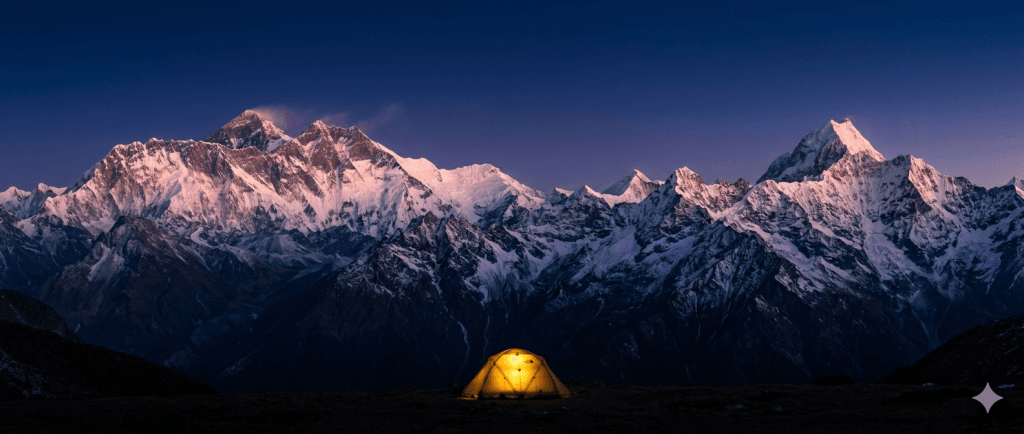
To understand the mountain range in Nepal, one must understand its scale. This isn’t a singular chain but a complex system of “Himals” (mountain groups).
- Tectonic Power: These mountains are still growing! The collision of the Indian and Eurasian plates pushes these peaks higher by millimeters every year.
- Biodiversity Nodes: The transition from the lush sub-tropical jungles of the Terai to the alpine tundra of the Himalayan mountains in Nepal happens within just 150 kilometers.
- The 8,000m Barrier: Nepal is the only place on Earth where you can find eight peaks exceeding the “death zone” height of 8,000 meters.
- Climate in 2026: With shifting weather patterns, 2026 trekkers are encouraged to utilize new real-time weather tracking apps specifically designed for the Nepal high-altitude corridors.
Knowing the scale is the first step, but most travelers want to see the “Big One.” Let’s look at the king of all mountain peaks in Nepal.
2. The Icon: Mountains in Nepal Mount Everest (Sagarmatha)
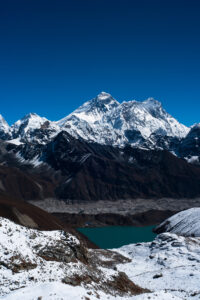
The mountains in Nepal Mount Everest section is usually the most searched for a reason. Standing at 8,848.86m, it is the ultimate destination for dreamers.
- Naming the Giant: Known as Sagarmatha (“Forehead of the Sky”) in Nepal and Chomolungma (“Mother of the World”) in Tibet.
- The 2026 Experience: New regulations now require all Everest trekkers to use GPS tracking chips for safety and environmental waste bags to preserve the trail.
- Key Vantage Points:
- Kala Patthar (5,644m): The highest point most trekkers reach for a face-to-face view of Everest.
- Gokyo Ri: Offers a more “lateral” view of the Everest massif, including Lhotse and Makalu.
- The Everest Base Camp (EBC): A bustling “tent city” where the world’s elite mountaineering in Nepal community gathers every spring.
While Everest takes the fame, the highest mountain in Nepal category is actually a “team” of giants. Let’s look at the rest of the 8,000-meter club.
3. The “Eight-Thousanders”: A List of Mountains in Nepal
If you are looking for the definitive name of mountains in Nepal that cross the 8,000m threshold, here they are, ranked by their sheer dominance.
- Kanchenjunga (8,586m): The “Five Treasures of the Snow,” located in the far east. It is remote, wild, and rarely visited.
- Lhotse (8,516m): Connected to Everest via the South Col; it is a steep, icy wall of pure adrenaline.
- Makalu (8,485m): An isolated pyramid of black rock and white snow, famous for its “Great Couloir.”
- Cho Oyu (8,188m): Located on the border, this is often the first 8,000m peak people try when starting mountaineering in Nepal.
- Dhaulagiri I (8,167m): A massive white giant that dominates the skyline of central Nepal.
- Manaslu (8,163m): The “Mountain of the Spirit,” becoming the top choice for those wanting an 8,000m summit without the Everest crowds.
- Annapurna I (8,091m): Historically the most dangerous, but home to the most famous trekking circuit in the world.
Seeing these peaks from a distance is great, but for the true enthusiast, the best mountains to climb in Nepal offer a more intimate connection.
4. Peak Climbing: For the Aspiring Mountaineer
You don’t need to be a professional to summit a famous mountain in Nepal. “Trekking Peaks” allow you to experience high-altitude climbing with proper guidance.
- Island Peak (Imja Tse):
- Perfect for those who have finished the EBC trek.
- Requires crampons and ice axes but is accessible to fit beginners.
- Mera Peak:
- Often cited as the easiest mountain to climb in Nepal.
- It offers the best panoramic view of five 8,000m peaks at once.
- Lobuche East:
- A bit more technical, offering a true taste of “alpine” climbing.
Climbing isn’t for everyone. Some prefer the aesthetic beauty of the “forbidden” peaks.
5. Aesthetics over Altitude: Most Beautiful Mountain in Nepal
Sometimes, the tallest mountain in Nepal isn’t the most photogenic. Two peaks stand out for their sheer visual perfection.
- Fishtail Mountain in Nepal (Machhapuchhre):
- Height: 6,993m.
- Why it’s famous: It has never been officially summited because it is considered sacred.
- The View: It looms over the city of Pokhara and reflects perfectly in Fewa Lake.
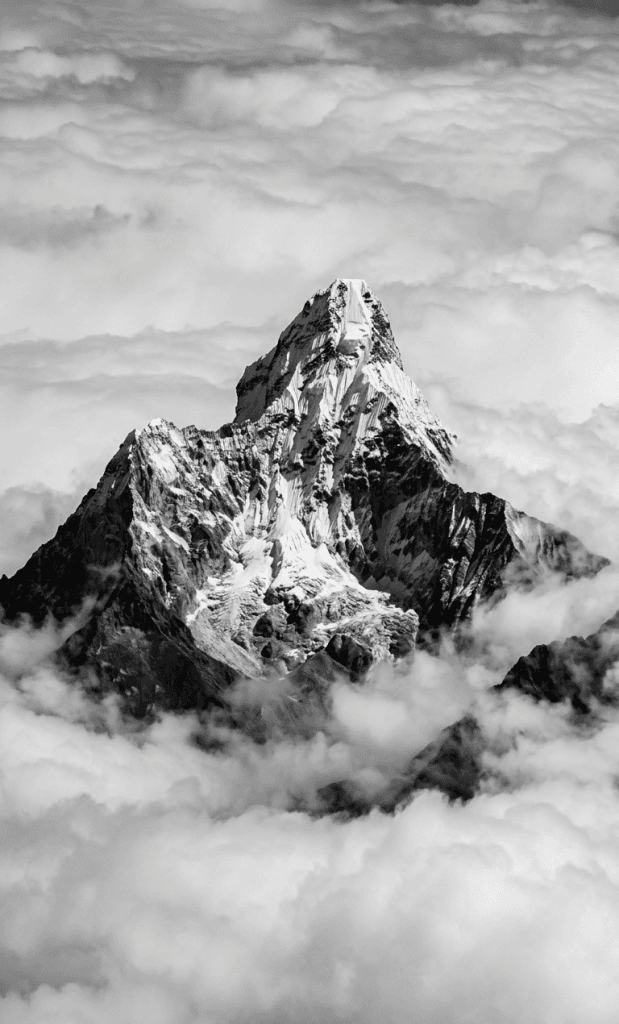
- Ama Dablam:
- Known as the “Matterhorn of the Himalayas.”
- Its soaring ridges and hanging glaciers make it the most beautiful mountain in Nepal for many photographers.
To see these peaks, you have to choose your route. This brings us to the famous mountain range in Nepal trekking regions.
6. Choosing Your Region: Where the Mountains Live
Every mountain in Nepal belongs to a specific region with its own culture and landscape.
- The Annapurna Region:
- Home to Annapurna mountain in Nepal.
- Features the “Annapurna Circuit,” a trek that takes you from lush tropics to the high-altitude Thorong La Pass.
- The Khumbu (Everest) Region:
- The heart of Sherpa culture and the home of the highest mountain in Nepal.
- The Langtang Valley:
- The “Valley of Glaciers,” closest to Kathmandu and perfect for a shorter mountain experience.
- The Manaslu Circuit:
- A “teahouse trek” that feels like stepping back in time less commercialized and deeply spiritual.
The Connection Node: If your knees aren’t up for the trek, don’t worry. 2026 offers modern ways to witness these top mountains in Nepal.
7. The Luxury of Altitude: Mountain Flight in Nepal
A mountain flight in Nepal is the “cheat code” to seeing the Himalayas.
- The Kathmandu Sortie: 45 minutes of flying alongside the Everest range. Everyone gets a window seat.
- The Helicopter Breakfast: You can fly from Kathmandu, land at Everest Base Camp for 15 minutes of photos, and be back for lunch.
- Pokhara Ultralights: For a more “open-air” experience, fly an ultralight aircraft right next to the fishtail mountain in Nepal.
Before you book your flight or pack your bags, you need to master the logistics.
8. Essential Planning for 2026
To rank as a pro traveller, you need to know the “when” and “how” of the Himalayan mountains in Nepal.
- Seasonality:
- Pre-Monsoon (Spring): The best time for mountaineering in Nepal and seeing rhododendrons.
- Post-Monsoon (Autumn): The “Goldilocks” season not too hot, not too cold, and crystal clear air.
- The “Mountains in Nepal Map” Strategy: Always study your maps before arrival. Understand the elevation gain (acclimatization) to prevent altitude sickness.
- Permit Costs: Expect to pay for a TIMS card and specific Rural Municipality fees (especially in the Khumbu).
Now, let’s address the specific questions that every searcher is asking Google right now.