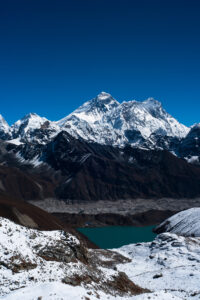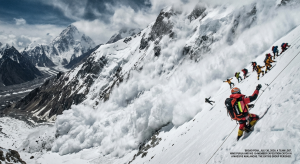
Nepal is one of the world’s greatest destinations for trekking, peak climbing, and high-altitude adventure. From the famous Everest Base Camp Trek and Annapurna Circuit to technical climbing routes like Mera Peak, Island Peak, and Lobuche East, every journey demands the right preparation.
The Himalayas are beautiful, but they are also unpredictable. Weather changes quickly, temperatures drop sharply at altitude, trails can become icy or muddy, and remote areas often have limited access to shops, electricity, and medical support. That is why choosing the right trekking and climbing equipment in Nepal is not just about comfort. It is about safety, performance, and confidence on the trail.
This complete Nepal trekking equipment in Nepal list covers everything you need for teahouse treks, high-altitude routes, base camp journeys, and peak climbing expeditions. You will also find seasonal gear advice, Kathmandu rental tips, route-specific packing recommendations, and practical answers to common packing questions.
Whether you are planning your first trek in Nepal or preparing for a technical Himalayan climb, this guide will help you pack smart, avoid common mistakes, and choose the right gear for your route, season, and altitude.
Trekking Equipment vs Climbing Equipment in Nepal
Before packing for Nepal, it is important to understand the difference between trekking equipment and climbing equipment. Many travelers confuse the two, but they serve different purposes.
What Is Trekking Equipment?
Trekking equipment includes the gear you need for multi-day walking on established mountain trails. It focuses on comfort, warmth, protection, hydration, and endurance.
- Trekking boots or trail shoes
- Backpack or daypack
- Duffel bag for porter-supported treks
- Layered clothing system
- Sleeping bag
- Trekking poles
- Sunglasses, gloves, and hats
- Water bottles and water purification
- Headlamp, power bank, and first aid kit
For popular Nepal treks such as Everest Base Camp, Annapurna Base Camp, Langtang Valley, Manaslu Circuit, and Annapurna Circuit, trekking equipment is usually enough unless your itinerary includes a technical summit.
What Is Climbing Equipment?
Climbing equipment is technical gear used for snow, ice, glaciers, fixed ropes, steep slopes, and mountaineering terrain. It requires training and should be used under the guidance of experienced climbing guides.
- Climbing helmet
- Harness
- Crampons
- Ice axe
- Carabiners and slings
- Ascender or jumar
- Belay or descender device
- Mountaineering boots
- Glacier sunglasses and snow goggles
Climbing equipment is required for peaks like Mera Peak, Island Peak, Lobuche East, Pisang Peak, Yala Peak, Chulu East, and other technical Himalayan climbs.
| Feature | Trekking Equipment | Climbing Equipment |
| Main Purpose | Walking on mountain trails | Climbing snow, ice, rock, and glaciers |
| Footwear | Trekking boots or trail shoes | Mountaineering boots |
| Safety Gear | First aid kit, poles, headlamp | Helmet, harness, ropes, carabiners |
| Skill Level | Basic trekking fitness | Technical training required |
| Terrain | Trails, passes, villages | Glaciers, steep snow, fixed ropes |
| Example Trips | EBC, ABC, Langtang, Manaslu | Mera Peak, Island Peak, Lobuche East |
Essential Trekking Equipment List for Nepal

A good trekking equipment list for Nepal should be practical, lightweight, weather-appropriate, and suitable for high-altitude conditions. The following items are the core gear every trekker should consider.
1. Backpack and Duffel Bag
Most treks in Nepal use a two-bag system: a daypack carried by you and a duffel bag carried by a porter. A 25–40 liter daypack is ideal for daily essentials such as water, snacks, rain gear, camera, sunscreen, gloves, hat, documents, and a small first aid kit.
A 70–90 liter duffel bag is best for porter-supported treks. This carries your sleeping bag, extra clothes, toiletries, and non-daily items. For teahouse treks like Everest Base Camp, Annapurna Circuit, Langtang Valley, and Manaslu Circuit, a 70-liter duffel is usually enough. For camping treks or peak climbing, a 90-liter duffel may be better.
Nepal trekking tip: Avoid hard suitcases. They are difficult for porters to carry and impractical on mountain trails.
2. Trekking Clothing Layers
Layering is one of the most important parts of trekking equipment in Nepal. Mountain weather changes quickly, and your clothing should help you adapt to warm days, cold nights, wind, rain, and snow.
Base layers sit directly against your skin and help manage sweat. Choose merino wool or synthetic fabric, and avoid cotton because it absorbs sweat, dries slowly, and loses warmth when wet. Pack 2–3 moisture-wicking T-shirts, 2 long-sleeve thermal tops, and 1–2 thermal leggings.
Mid layers provide insulation. A fleece jacket, lightweight insulated jacket, or thermal pullover works well for morning walks, evenings in teahouses, and rest days.
Outer layers protect you from wind, rain, and snow. A waterproof hardshell jacket with hood and waterproof trousers are highly recommended. A warm down or synthetic jacket is essential above 3,500 meters.
3. Trekking Boots and Footwear
Footwear is one of the most important parts of your Nepal trekking packing list. Poorly fitted boots can cause blisters, discomfort, and injury.
For most Nepal treks, choose waterproof mid-cut or high-cut trekking boots with good ankle support and strong grip. Your boots should be comfortable with trekking socks, already broken in, supportive around the ankle, and suitable for rocky trails and long descents.
Trail running shoes can work for lower-altitude and moderate routes such as Poon Hill, Ghorepani, and some parts of Langtang. However, for high-altitude treks and rough trails, trekking boots are safer.
Carry lightweight sandals, Crocs, or camp shoes for teahouse evenings. Also pack 3–5 pairs of wool or synthetic trekking socks and consider liner socks to reduce blisters.
4. Sleeping Bag and Sleeping Accessories
Teahouses in Nepal usually provide basic blankets, but they are not enough for cold high-altitude nights. A good sleeping bag is essential.
For lower-altitude treks, a 0°C to -5°C sleeping bag may be enough. For Everest Base Camp, Annapurna Circuit, Manaslu Circuit, and Three Passes Trek, a -10°C to -15°C sleeping bag is recommended. For winter treks, choose a -20°C sleeping bag or warmer.
A silk, fleece, or merino liner adds extra warmth and keeps your sleeping bag cleaner. A sleeping mat is usually not needed for teahouse treks but is required for camping treks and climbing expeditions.
5. Trekking Poles
Trekking poles are highly recommended for Nepal. They reduce pressure on your knees, improve balance, and help on steep ascents and descents.
They are especially useful on Thorong La Pass, the Everest Base Camp trail, Manaslu Circuit, Gokyo and Three Passes Trek, long downhill sections, and snowy or muddy trails. Choose adjustable trekking poles with reliable locking systems. Snow baskets are useful for high passes and winter treks.
6. Headwear, Gloves, and Sunglasses
At altitude, sun, wind, and cold can be intense. Pack a sun hat, warm beanie, buff or neck gaiter, and balaclava for very cold conditions. A buff is especially useful because it can work as a scarf, face cover, dust guard, or light hat.
For high-altitude treks, use a three-layer glove system: lightweight liner gloves, warm insulated gloves, and waterproof shell gloves or mitts. For winter trekking and peak climbing, expedition mitts may be necessary.
Carry UV400 sunglasses with good side coverage. Snow, ice, and high-altitude sunlight can damage your eyes. For glacier travel and climbing, Category 4 glacier sunglasses are recommended.
7. Water Bottles and Hydration
Staying hydrated is important for energy, digestion, and acclimatization. Carry at least 2–3 liters of water capacity using refillable bottles, an insulated bottle, or a hydration bladder.
Do not rely on untreated tap or stream water. Always purify water before drinking using purification tablets, a water filter, or a UV purifier. Avoid buying single-use plastic water bottles on the trail whenever possible.
8. Headlamp, Power Bank, and Electronics
A headlamp is essential for early morning starts, power cuts, nighttime toilet visits, and emergency situations. Bring spare batteries or a charging cable.
Electricity in mountain teahouses can be expensive and unreliable. A 20,000 mAh power bank is ideal for most treks. Keep electronics warm in cold conditions because batteries drain faster at altitude.
| Category | Recommended Gear |
| Bags | 25–40L daypack, 70–90L duffel bag, rain cover, dry bags |
| Clothing | Base layers, fleece, down jacket, waterproof shell, trekking trousers |
| Footwear | Broken-in trekking boots, trekking socks, camp shoes |
| Sleeping | -10°C to -15°C sleeping bag for high-altitude treks, liner |
| Hydration | 2–3L water capacity, purification tablets/filter/UV purifier |
| Safety | Headlamp, first aid kit, power bank, map/app, travel insurance details |
Essential Climbing Equipment for Nepal Peaks
If your trip includes peak climbing, you will need technical climbing gear in addition to normal trekking equipment. This section is especially important for Mera Peak, Island Peak, Lobuche East, Yala Peak, Pisang Peak, and similar Himalayan climbing routes.
Technical climbing equipment should only be used with proper training and under the supervision of qualified guides.
Climbing Helmet
A climbing helmet protects your head from rockfall, icefall, and accidental impact. Choose a certified helmet that fits comfortably over a warm hat or balaclava.
Climbing Harness
A harness is required for roped glacier travel, fixed rope sections, rappelling, and summit climbs. Adjustable leg loops are useful because you may wear several layers.
Carabiners and Slings
Carabiners connect you to ropes, anchors, and safety systems. Your kit may include locking carabiners, non-locking carabiners, HMS carabiners, sewn slings, and a personal anchor system.
Crampons
Crampons are metal spikes attached to mountaineering boots for walking on snow and ice. They are essential for Mera Peak, Island Peak, Lobuche East, and snowy high passes. Always check crampon compatibility with your boots.
Ice Axe
An ice axe is used for balance, support, and safety on snow and ice terrain. For trekking peaks, a general mountaineering ice axe is usually required.
Ascender or Jumar
An ascender or jumar is used on fixed ropes during steep climbing sections. It is common on Island Peak, Lobuche East, and parts of Mera Peak summit routes.
Belay or Descender Device
A belay or descender device is used for rope control during climbing and descending. Your climbing operator will advise whether you need to bring your own or whether it is provided.
Mountaineering Boots
Mountaineering boots are stiffer, warmer, and compatible with crampons. For peaks above 6,000 meters, insulated mountaineering boots or double boots are strongly recommended.
Glacier Sunglasses and Snow Goggles
For climbing and glacier travel, normal sunglasses may not be enough. Bring Category 4 glacier sunglasses with side protection and snow goggles for wind, storm, and whiteout conditions.
High-Altitude Gloves and Summit Clothing
Summit days are extremely cold, often starting before sunrise. Pack liner gloves, insulated climbing gloves, expedition mitts, balaclava, face mask, heavy down jacket or down suit, and waterproof outer layers.
| Gear | Why It Matters |
| Climbing helmet | Protection from rockfall, icefall, and impact |
| Harness | Required for rope systems, fixed lines, and rappelling |
| Crampons | Traction on snow and ice |
| Ice axe | Balance and safety on snow slopes |
| Ascender/Jumar | Used on fixed ropes |
| Mountaineering boots | Insulated and crampon-compatible |
| Glacier glasses | Protect eyes from snow glare and UV |
| Expedition mitts | Protect hands during summit pushes |
Equipment Checklist by Trip Type

Different Nepal trips require different gear. Use the checklist below to match your equipment to your route and altitude.
Easy and Moderate Treks
- Suitable for: Poon Hill, Ghorepani, lower Langtang, Nagarkot.
- 20–30L daypack
- Light fleece jacket
- Waterproof jacket
- Mid-cut trekking boots
- 0°C to -5°C sleeping bag
- Trekking poles
- Headlamp
- Basic first aid kit
High-Altitude Treks
Suitable for: Annapurna Circuit, Three Passes, Gokyo, Manaslu.
- Heavy down jacket
- -15°C sleeping bag
- Thermal base layers
- Heavy gloves and liners
- Water purification
- 20,000 mAh power bank
- Altitude medication after doctor advice
Base Camp Treks
Suitable for: Everest Base Camp, Annapurna Base Camp, Makalu Base Camp, Kanchenjunga Base Camp.
- 70–90L duffel bag
- Gaiters
- Camp shoes
- Dry bags
- Extra batteries
- Route map
- Travel insurance with evacuation coverage
Peak Climbing
Suitable for: Mera Peak, Island Peak, Lobuche East, Yala Peak.
- Mountaineering boots
- Crampons
- Ice axe
- Helmet
- Harness
- Ascender
- Belay device
- Glacier glasses
- Expedition mitts
Seasonal Equipment Guide for Nepal
Nepal has four main trekking seasons. Your equipment should match the season, route conditions, and maximum altitude.
Spring Trekking Gear: March to May
- Waterproof shell jacket for afternoon showers
- Light to mid-weight down jacket
- Strong sunglasses because UV is intense
- Rain cover for daypack
- Gaiters for snow above 4,500 meters
- Full summit kit for climbing expeditions
Autumn Trekking Gear: September to November
- Full layering system
- Down jacket for nights above 4,000 meters
- Extra socks and base layers
- Trekking poles for wet or muddy sections
- Waterproofs, especially in early autumn
Winter Trekking Gear: December to February
- -20°C sleeping bag or warmer
- Heavy down jacket
- Expedition-weight gloves or mitts
- Balaclava and warm beanie
- Microspikes or crampons where needed
- Gaiters for snow and ice
- Hand and toe warmers for very cold routes
Monsoon Trekking Gear: June to August
- High-quality waterproof hardshell jacket
- Dry bags and pack liner
- Quick-dry clothing
- Leech socks or gaiters for lower trails
- Anti-fungal foot care
- Waterproof footwear
- Waterproof protection for electronics
Nepal monsoon tip: Mustang, Dolpo, and Nar Phu are better monsoon options because they lie in rain-shadow regions and receive less rainfall than the main Himalayan foothill trails.
Personal Items, Documents, and First Aid
Beyond clothing and technical gear, personal items and documents are essential for a smooth and safe trek in Nepal.
Documents and Permits
- Passport valid for at least 6 months
- Nepal visa
- TIMS card where applicable
- National park or conservation area permit
- Restricted area permit for regions such as Mustang, Dolpo, Nar Phu, Manaslu, or Tsum Valley
- Climbing permit for peaks
- Travel insurance with high-altitude trekking and helicopter evacuation coverage
Carry printed copies in a waterproof sleeve and keep digital backups on your phone and email.
First Aid Kit
- Blister treatment such as moleskin or blister pads
- Bandages, gauze, and medical tape
- Antiseptic wipes and cream
- Pain relief medicine
- Antihistamine
- Oral rehydration salts
- Diarrhea treatment after medical advice
- Personal prescription medicines
- Thermometer
- Small scissors or nail clippers
Carry altitude medication only after consulting a doctor. Medicines such as Diamox, dexamethasone, and nifedipine may be recommended in specific cases, but they should not replace proper acclimatization or descent when symptoms worsen.
Toiletries and Hygiene
- Biodegradable soap
- Toothbrush and toothpaste
- Quick-dry towel
- Wet wipes
- Hand sanitizer
- Toilet paper
- Sunscreen SPF 50+
- Lip balm with SPF
- Moisturizer
- Menstrual products if needed
Snacks and Energy Food
- Energy bars or protein bars
- Trail mix
- Chocolate
- Instant oatmeal sachets
- Electrolyte tablets
- Glucose tablets
- Peanut butter sachets
Teahouses sell basic snacks on popular routes, but prices increase with altitude. Stock up in Kathmandu, Pokhara, Namche, Manang, or Besisahar depending on your route.
What Not to Pack for Trekking in Nepal
Overpacking is one of the most common mistakes trekkers make. Extra weight increases fatigue and may also create problems for porters. Leave behind anything that does not serve a clear purpose.
- Cotton clothing such as jeans, cotton hoodies, and cotton T-shirts
- New or unbroken-in boots
- Hard suitcases or oversized luggage
- Laptop and unnecessary electronics
- Too many duplicate clothes
- Hair dryers or electric styling tools
- Heavy books or bulky non-essential items
- Multiple casual shoes
As a general rule, your daypack should stay light and manageable. Carry daily essentials only, while your duffel holds sleeping gear, spare clothing, and toiletries.
Should You Buy or Rent Equipment in Kathmandu?
Kathmandu, especially Thamel, has many trekking and climbing gear shops. You can buy or rent equipment depending on your budget, trip length, and item type.
Equipment You Can Rent in Kathmandu
- Sleeping bags
- Down jackets
- Trekking poles
- Duffel bags
- Gaiters
- Crampons
- Ice axes
- Harnesses
- Carabiners
- Mountaineering boots
- Down suits for climbing
Rental can be cost-effective for expensive items that you may only use once. Always inspect rented gear carefully before accepting it.
Equipment You Should Bring Yourself
- Trekking boots
- Trekking socks
- Base layers
- Headlamp
- First aid kit
- Personal medicines
- Water purifier
- Glacier sunglasses
- Harness if you already own and trust one
Fit, hygiene, and reliability matter. Boots, socks, base layers, headlamps, and personal medicines are better brought from home whenever possible.
Tips for Checking Rental Gear
- Check sleeping bag warmth, cleanliness, and zipper condition
- Inspect down jackets for thin spots and broken stitching
- Test crampon fit with your actual boots
- Avoid ropes or slings with fraying or discoloration
- ·Check headlamps and batteries before leaving Kathmandu
- Confirm all technical climbing gear with your guide
Route-Specific Equipment Recommendations
Everest Base Camp Trek Equipment
- -15°C sleeping bag
- Heavy down jacket
- Warm gloves and liners
- Trekking poles
- Gaiters in snowy seasons
- UV400 sunglasses
- Power bank
- Camp shoes
- Water purification
Annapurna Circuit Trek Equipment
- Layering system for both warm valleys and cold high passes
- Gaiters for Thorong La
- Trekking poles
- -10°C to -15°C sleeping bag
- Waterproof boots
- Sun protection
- Warm gloves and beanie
Manaslu Circuit Trek Equipment
- -15°C sleeping bag
- Water purification
- Extra snacks
- Warm layers for Larkya La
- Trekking poles with snow baskets
- Satellite communicator recommended
- Dry bags for remote sections
Mera Peak Climbing Equipment
- Mountaineering boots
- 12-point crampons
- Ice axe
- Climbing helmet
- Harness
- Ascender or jumar
- Belay device
- Down suit or heavy summit jacket
- Expedition mitts
- Category 4 glacier sunglasses and goggles
Island Peak Climbing Equipment
- Double mountaineering boots
- Crampons
- Ice axe
- Helmet
- Harness
- Ascender
- Belay device
- Personal anchor system
- Glacier glasses
- Expedition mitts
Final Packing Tips Before Trekking in Nepal
1. Check your season and maximum altitude before finalizing your gear.
2. Test your boots, sleeping bag, headlamp, power bank, water purifier, and technical gear before the trip.
3. Keep your backpack light and avoid duplicate clothing.
4. Ask your trekking or climbing agency for a final route-specific equipment list.
5. Pack important documents, medicine, and electronics in your daypack, not in your porter duffel.
6. Choose safety and reliability over fashion or unnecessary gadgets.
Conclusion
Choosing the right trekking and climbing equipment in Nepal is one of the most important steps in preparing for a safe and enjoyable Himalayan journey. Your gear should match your route, season, altitude, and activity type. A standard teahouse trek requires reliable trekking equipment, while peak climbing demands technical climbing gear and professional guidance.
Focus on essentials: broken-in boots, proper layering, a warm sleeping bag, waterproof protection, hydration, sun protection, first aid, and route-specific safety gear. Pack light, test everything before departure, and consult your trekking or climbing agency for the final equipment list.
With the right preparation, you can enjoy Nepal’s trails and mountains with greater comfort, confidence, and safety.