If you’ve spent any time on trekking forums lately, you’ve probably run into a headline that stops you cold: “Solo trekking in Nepal is banned.” It’s misleading, and it’s causing travelers to shelve their plans over a misunderstanding.
Here’s the direct answer: you can absolutely do solo trekking in Nepal in 2026. What’s no longer allowed is trekking without a licensed guide. Those are two different things, and once you understand the distinction, solo trekking in Nepal is still completely possible, still rewarding, and arguably safer than it’s ever been.
What Actually Changed, and When ?
Nepal’s trekking regulations have shifted more in the past three years than in the previous decade.
| Date | Change |
| April 2023 | Nepal Tourism Board mandates a licensed guide for all foreign trekkers in national parks, conservation areas, and restricted areas |
| 2023–2025 | Rule exists on paper but enforcement is inconsistent at many checkpoints |
| 2026 | Guide requirement strictly enforced checkpoints verify licenses and digital permits |
| March 22, 2026 | The old two-trekker minimum for Restricted Area Permits (Upper Mustang, Dolpo, Manaslu) is removed and individuals can now apply alone |
The barriers that used to specifically punish solo travelers, like needing to find a random second person just to qualify for a permit, have actually gotten easier this year.
What “Mandatory Guide” Actually Means ?
“Mandatory guide” does not mean joining a group tour, sharing a room with strangers, or losing control of your pace. It means one licensed guide, hired through a registered agency, walks with you. Everything else i.e. your itinerary, your schedule and your rhythm on the trail stays entirely yours. For most independent-minded travelers, solo trekking in Nepal today just means you and your guide.
The Permit System in 2026
- TIMS card: The old “Green” independent card no longer exists. Only the “Blue” guided TIMS is issued, linked by QR code to your guide’s license and insurance details. Some regions now use local municipality fees instead.
- Conservation Area Permits (ACAP): Required for Annapurna Base Camp, the Annapurna Circuit, and Mardi Himal.
- National Park Entry Permits: Required for Sagarmatha National Park and other protected areas.
- Restricted Area Permits (RAP): Required for Upper Mustang, Dolpo, and Manaslu is now open to individual applicants, still guide-mandatory.

For exact costs by region, see our trekking permit fees breakdown.
Where Solo Trekking Is Allowed and Where It Isn’t ?
This is where most confusion comes from, because “allowed” depends entirely on whether you mean trekking alone or trekking unguided.
| Region | Unguided solo trekking | Solo trekking with a guide |
| Everest region (Sagarmatha National Park) | Not allowed | Allowed |
| Annapurna region (Annapurna Conservation Area) | Not allowed | Allowed |
| Langtang region | Not allowed | Allowed |
| Manaslu, Upper Mustang, Dolpo (restricted areas) | Not allowed | Allowed, RAP now open to individuals |
| Short day hikes near Kathmandu or Pokhara | Allowed | Not required |
| Kathmandu Valley sightseeing (temples, Durbar Squares) | Allowed | Not required |
In short: unguided trekking is not permitted anywhere inside a national park, conservation area, or restricted zone. Where you do have freedom is everything outside those boundaries are: city walks, valley sightseeing, and short hikes like Chandragiri Hills, none of which require a guide at all.
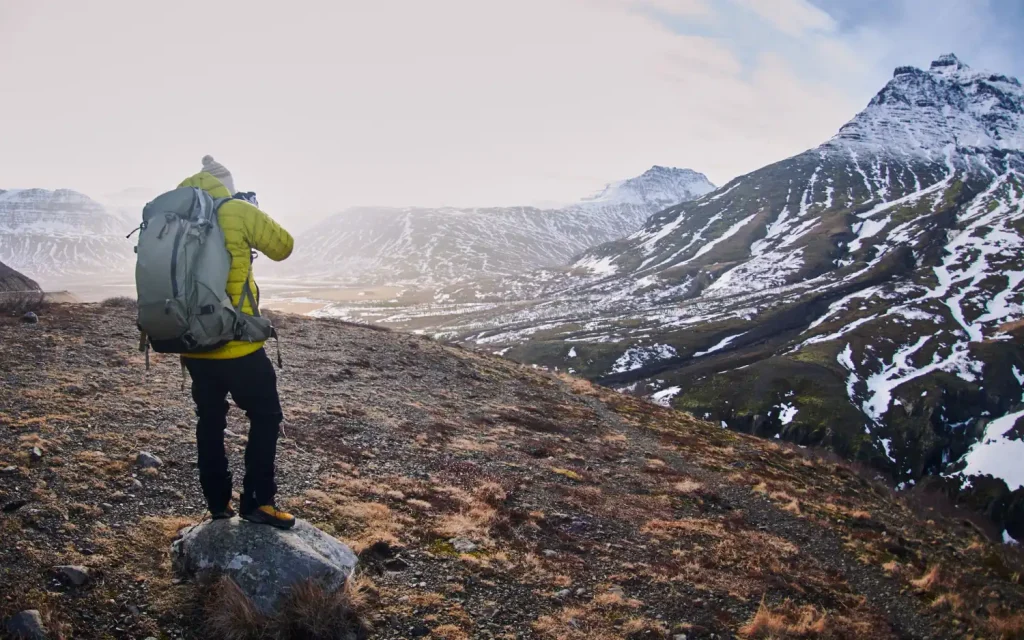
Solo Trekking vs Other Types of Trekking in Nepal
| Type | Guide required | Group size | Pace & privacy | Best for |
| Solo trekking (with guide) | Yes | Just you + guide | Full control over pace and schedule | Independent travelers wanting privacy |
| Group trekking | Yes | 4–12+ trekkers, shared guide | Fixed pace set by the group | Budget travelers, social trekkers |
| Fully independent (unguided) | N/A (no longer legal) | N/A | N/A | Not available in 2026 |
| Camping/porter-supported trek | Yes | Solo or small group + crew | Full control, more remote routes | Restricted areas, off-grid trails like Dudh Kunda |
The practical takeaway: “solo trekking in Nepal” today functionally means what “independent trekking” used to mean before 2023. You’re just doing it with one licensed professional instead of navigating trail junctions and permit offices alone.
Is It Actually Safer This Way ?
Yes, for most solo travelers. A licensed guide brings real value and trained recognition of early AMS symptoms before they escalate, local knowledge of trail and weather conditions, and a second person who knows exactly where you are. The QR-code tracking system also means checkpoints now hold a real-time record of your location which is a layer of safety, independent trekkers never had before.
Best Solo Treks in Nepal for 2026
Some routes which are Quieter trails, flexible pacing, and solid teahouse infrastructure suit solo travelers better than others. Some of the solo trekking packages include:
- Everest Panorama Trek: A shorter Khumbu route with the classic Everest experience, without the full EBC commitment.
- Mardi Himal Trek: A quieter Annapurna ridge trail, ideal for dramatic views without heavy trail traffic.
- Sailung and Kalinchowk Tour: Short and easy, a strong entry point for first-time solo trekkers.
- Annapurna Base Camp Trek: Well-established infrastructure makes this one of the more comfortable solo routes.
- Upper Mustang Trek: Now genuinely open to solo applicants since the March 2026 change, and one of the most rewarding restricted routes for solitude-seekers.
For more duration options, see our Top 10 Short Treks in Nepal guide.
Why Book a Solo Trekking Package ?
Arranging a guide, permits, and logistics independently is possible but time-consuming, especially once you’re already in Kathmandu working against a limited trip window. Our solo trekking packages are built specifically around this: a licensed guide matched to your route, all permits processed in advance, and an itinerary built around your pace rather than a group’s. You get the independence of solo trekking in Nepal without the administrative overhead of piecing together compliance yourself.
What Does It Cost ?
- Licensed guide fees: Roughly $25 – 50 per day, depending on region and difficulty
- Permits: Vary by region, Visit our permit fees page
- Porter (optional): Roughly $20 – 25 per day, if hired separately
Booking through a registered agency is often simpler and cheaper overall once you account for the time saved arranging permits and a guide independently.
Practical Safety Tips
- Pace your acclimatization: No more than 300 to 500m gain per day above 3,000m, with a rest day every 3 to 4 days.
- Get a local SIM: NTC generally has better high-altitude coverage than Ncell.
- Download offline maps: Apps like Maps, may work without data on remote stretches.
- Carry cash: Most teahouses don’t accept cards.
- Pack for altitude and season: Check our trekking equipment guide before you go.
Ready to plan your trip? Contact us and we’ll match you with a licensed guide and handle the full permit process for whichever route fits your timeline.