If you’ve been dreaming about trekking in the Himalayas and wondering whether Annapurna Base Camp is the right place to start, you’re asking exactly the right question. The ABC trek is one of the most popular trekking routes in Nepal, and for good reason. It’s visually stunning, culturally rich, and far more accessible than most people expect. But is it suitable for beginners?
Is the Annapurna Base Camp Trek suitable for beginners?
The honest answer is: yes, with the right preparation.
This guide walks you through everything you need to know about the Annapurna Base Camp trek difficulty, from daily terrain and altitude to fitness preparation and safety so you can head into the mountains with clear eyes and confident legs.
What Does “Difficulty” Actually Mean on the ABC Trek?
Before we dive into specifics, it’s worth understanding what “difficulty” means in the context of Himalayan trekking. Unlike a gym workout, trekking difficulty is shaped by a combination of several factors working together:
- Altitude how high you go and how quickly you ascend
- Daily walking distance and hours on your feet
- Trail terrain stone steps, steep ascents, rocky paths
- Weather and temperature swings
- Your baseline physical fitness and prior trekking experience
The Annapurna Base Camp trek sits at a moderate difficulty level. It is not a technical climb you don’t need ropes, crampons, or mountaineering skills. But it’s not a casual stroll either. Most trekkers walk 5-7 hours per day over 12-15 days, reaching a maximum altitude of 4,130 metres (13,550 feet) at the base camp itself.
If you’re considering other Annapurna region options, it’s worth knowing how ABC compares. The Annapurna Circuit Trek is longer and crosses Thorong La Pass at 5,416 m, significantly more demanding. The Mardi Himal Trek is shorter and lower, making it an excellent warm-up if you want a taste of the Annapurna region before committing to ABC.
The ABC Trek at a Glance
| Detail | Information |
| Maximum Altitude | 4,130 m (13,550 ft) |
| Trek Duration | 10–15 days (depending on itinerary) |
| Daily Walking Time | 5–7 hours |
| Difficulty Level | Moderate |
| Starting Point | Nayapul or Siwai (after drive from Pokhara) |
| Trek Type | Non-technical, teahouse trek |
| Best Seasons | March–May, September–November |
| Required Permits | ACAP Permit + TIMS Card |
Day-by-Day: How Tough Does It Get?
The difficulty of the ABC trek isn’t uniform, it builds gradually, which is actually what makes it manageable for first-time Himalayan trekkers. Here’s a realistic sense of how the trail unfolds:
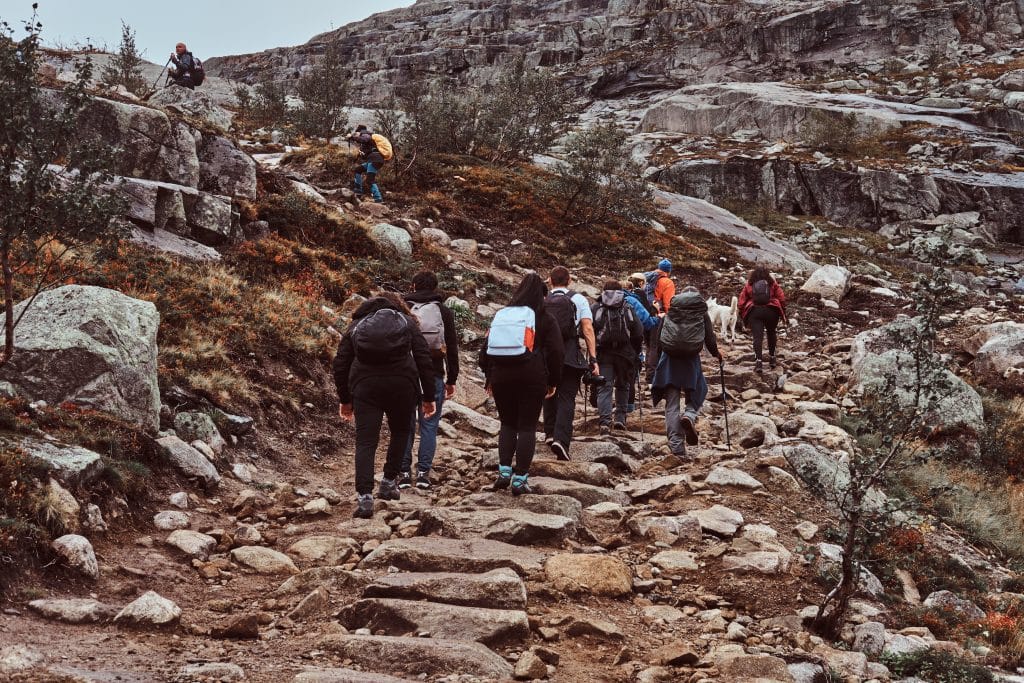
Early days (Nayapul to Chhomrong): The first couple of days take you through rhododendron forests and terraced farmland belonging to Gurung villages like Ghandruk. The altitude gain is gentle and the trails are well-marked. You will encounter the famous stone staircases around Chhomrong (2,170 m), which many trekkers find tiring but entirely manageable.
Middle days (Chhomrong to Deurali): This is where the trek starts to feel more serious. You descend into the Modi Khola valley and then climb steadily through the Annapurna Sanctuary, a high glacial amphitheatre enclosed by some of the world’s tallest peaks. The terrain becomes rockier, the air noticeably thinner, and the scenery increasingly dramatic.
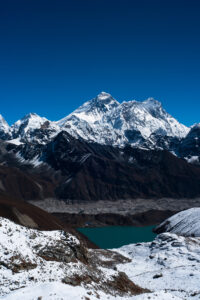
Summit push (Machapuchare Base Camp to Annapurna Base Camp): This is the most memorable and most physically demanding section. The walk from Machapuchare Base Camp (MBC) at 3,700 m to Annapurna Base Camp at 4,130 m takes about 3–4 hours. At this altitude, even moderate exertion feels harder than usual. But when the full horseshoe of Annapurna I, Annapurna South, Hiunchuli, and Machapuchare comes into view, every step feels completely worth it.
Altitude and Acclimatization: What Beginners Must Know
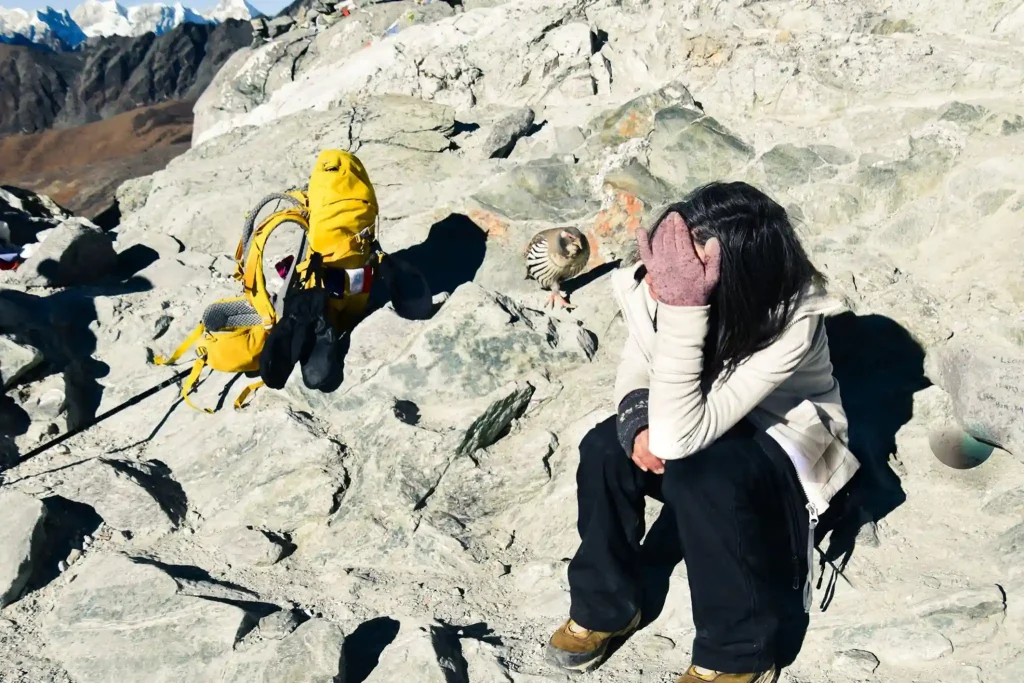
Altitude is the factor beginners most commonly underestimate. Above 3,000 metres, your body has less oxygen available and needs time to adapt. Altitude sickness – known as Acute Mountain Sickness (AMS) – can affect anyone regardless of fitness level. Even experienced trekkers are not immune.
Common symptoms of mild AMS include:
- Persistent headache
- Nausea or loss of appetite
- Unusual fatigue and dizziness
- Difficulty sleeping at altitude
The good news is that a well-paced ABC itinerary builds in natural acclimatization. Overnight stays at intermediate altitudes give your body time to adjust before you go higher. The golden rule applies here: climb high, sleep low.
Practical safety tips for altitude on the ABC trek:
- Never rush the ascent. If your guide recommends a rest day, take it.
- Drink 3-4 litres of water daily. Dehydration makes AMS symptoms worse.
- Descend immediately if symptoms worsen. AMS that is ignored can escalate into life-threatening conditions like HACE or HAPE.
- Consider Diamox (acetazolamide) after consulting a doctor before your trek.
- Do not trek alone. A licensed guide can identify AMS symptoms and respond appropriately.
The maximum altitude of 4,130 m is meaningful but not extreme by Himalayan standards. For comparison, the Everest Base Camp Trek reaches 5,364 m – more than 1,200 metres higher. Most healthy, well-prepared beginners complete the ABC trek without serious altitude issues.
Official guidance: The Nepal Tourism Board recommends that all trekkers entering protected areas carry the appropriate permits and trek with a licensed guide. This regulation has been in place since April 2023 for all major trekking routes including the Annapurna region.
Permits Required for the Annapurna Base Camp Trek
Before you set foot on the trail, you need two official permits:
1. ACAP Permit (Annapurna Conservation Area Project) The entire ABC route passes through the Annapurna Conservation Area, which is managed to protect the region’s biodiversity and support local communities. As the Nepal Tourism Board notes, the Annapurna Conservation Area begins at 790 m and reaches all the way to the summit of Annapurna I at 8,091 m – the world’s 10th highest peak.
2. TIMS Card (Trekkers’ Information Management System) This is a standard safety and registration card required for all foreign trekkers on major routes. As of the revised provision effective March 2023, trekkers in the Annapurna region must obtain a TIMS Card through a government-registered trekking agency and must be accompanied by a licensed guide.
You can find the full and current permit fee schedule on our Nepal trekking permit fees page, which we keep updated with the latest government rates.
Physical Fitness: How Fit Do You Need to Be?
You don’t need to be an athlete. But you do need a genuine baseline of cardiovascular fitness and leg endurance. Here’s a realistic picture:
You are likely ready for ABC if you can:
- Walk 5-6 hours comfortably on uneven terrain
- Climb several flights of stairs without needing frequent breaks
- Handle sustained physical effort without distress
- Carry a daypack of 5-8 kg throughout the day
Recommended preparation starts 8-12 weeks before your trek:
| Exercise Type | Example Activities | Frequency |
| Cardiovascular | Hiking, cycling, swimming, running | 4-5 times/week |
| Leg strength | Squats, lunges, step-ups, weighted carries | 2-3 times/week |
| Long weekend hikes | 3-5 hours on varied terrain with a pack | Once a week |
| Daily stair climbing | Use stairs instead of elevators daily | Every day |
If you can comfortably complete a 4-5 hour uphill hike with a light pack, you are in solid shape for this trek.
What Makes ABC Beginner-Friendly
Here’s why Annapurna Base Camp is so often recommended as the ideal first Himalayan trek:
Well-developed teahouse infrastructure. The trail is lined with teahouses (local guesthouses) every few kilometres. You will have a hot meal, a clean bed, and often a phone charging point at the end of every walking day. There is no camping required unless you specifically request it.
Clear trail marking. The ABC route is clearly signposted and heavily trekked. Getting seriously lost is unlikely, especially when you are walking with a guide.
No technical sections. There are no rope climbs, ladder crossings, or glacier travel on the standard ABC route. The most demanding terrain is the stone staircase descent into Chhomrong and the rocky moraine approaching the Sanctuary.
Shorter and lower than EBC. The Annapurna Base Camp trek peaks at 4,130 m over roughly 12–15 days. The Everest Base Camp Trek reaches 5,364 m and typically takes 14+ days, both physically and altitude-wise. ABC is the gentler option for a first-time trekker.
Warm, welcoming trail culture. The Gurung and Magar families running teahouses along the route offer generosity that makes difficult days feel manageable. A bowl of garlic soup at Deurali after a long walk is something you won’t forget.
How Does ABC Compare to Other Nepal Treks?
If you’re weighing up your options, here’s how ABC stacks up against popular alternatives:
| Trek | Max Altitude | Duration | Difficulty | Best For |
| Annapurna Base Camp | 4,130 m | 12–15 days | Moderate | First-time Himalayan trekkers |
| Mardi Himal Trek | 4,500 m | 8–11 days | Easy-Moderate | Short intro to the Annapurna region |
| Annapurna Circuit Trek | 5,416 m | 14–21 days | Moderate-Challenging | Experienced trekkers wanting full immersion |
| Everest Base Camp Trek | 5,364 m | 14–17 days | Moderate-Challenging | Trekkers with some high-altitude experience |
| Langtang Valley Trek | ~3,870 m | 7–10 days | Easy-Moderate | Trekkers with limited time |
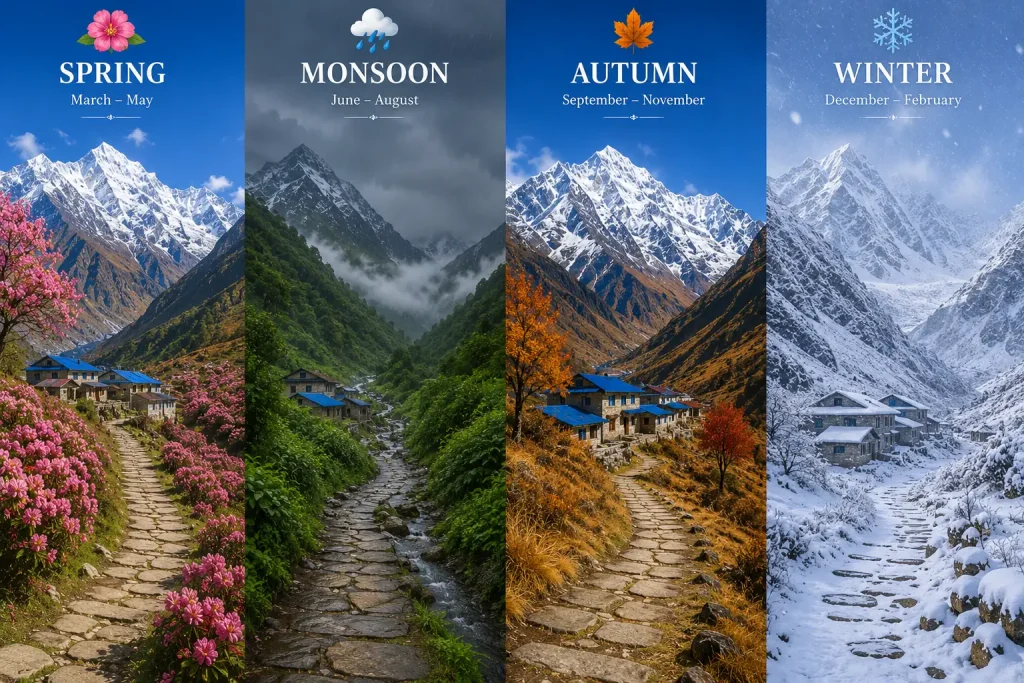
When Is the Best Time to Trek to Annapurna Base Camp?
The season has a significant impact on how the difficulty feels on the ground.
| Season | Months | Conditions |
| Spring (Recommended) | March – May | Warm days, clear views, rhododendrons in full bloom |
| Monsoon (Not recommended) | June – August | Heavy rain, leeches, and landslide risk on lower trails |
| Autumn (Recommended) | September – November | Crisp air, exceptional mountain clarity, stable weather |
| Winter | December – February | Cold and quiet; snowfall above 3,000 m adds challenge |
Spring and autumn are the two windows when the trek is at its finest. The trails are drier, mountain views are clear, and teahouses are well-stocked. Winter trekking is possible but requires extra preparation. Temperatures at ABC can drop well below -10°C overnight.
Do You Need a Guide and Porter?
Since April 2023, Nepal has required all foreign trekkers in the Annapurna region to be accompanied by a licensed guide. Beyond the legal requirement, there are very practical reasons why this is one of the best things you can do for yourself:
- Safety first. A certified guide recognises the early signs of altitude sickness and makes the call to descend before a situation becomes serious.
- Navigation support. Trails fork unexpectedly, especially in mist or bad weather.
- Local knowledge and connection. Your guide bridges you with the culture, history, and people of the communities you pass through.
- Pace management. Beginners often try to go too fast early in the trek — a guide keeps you at a sustainable rhythm.
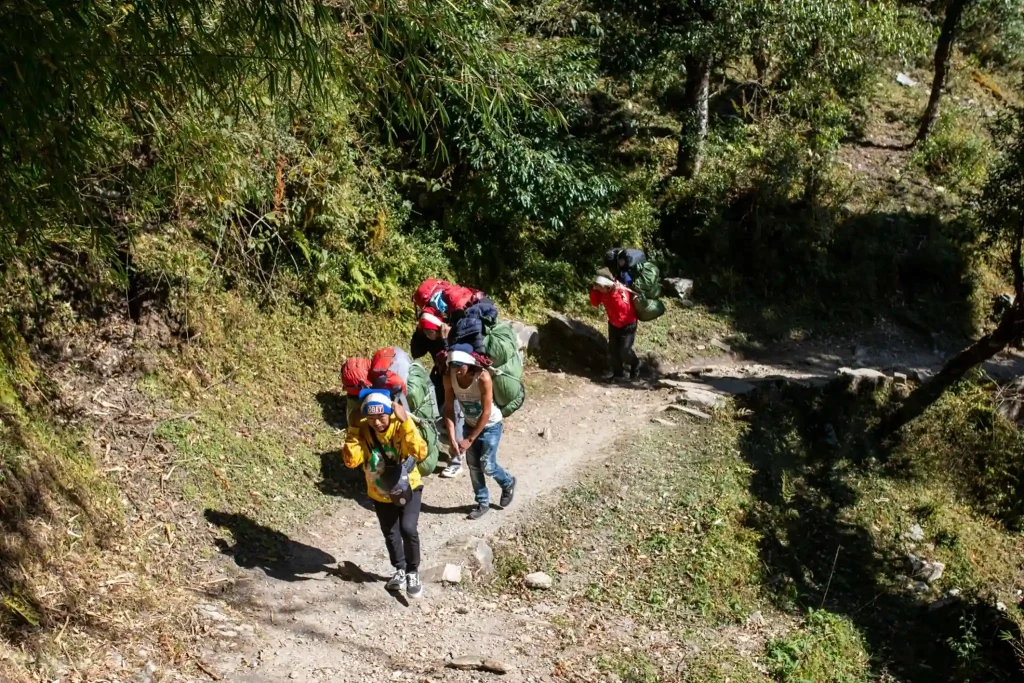
A porter carries your main pack (typically 15–20 kg), leaving you with only a light daypack. On a 6-hour day with 800 m of elevation gain, this makes a real and lasting difference to how you feel.
For a full breakdown of what to bring and what you can rent in Kathmandu, read our complete trekking equipment guide for Nepal.
Practical Tips for Beginners on the ABC Trek
- Break in your boots before departure. New boots on a multi-week trek are a recipe for painful, trail-ending blisters. Wear them on weekend hikes for at least a month before you go.
- Layer your clothing. Temperatures can swing more than 20°C between midday sun and evening. A moisture-wicking base layer, insulating mid layer, and a waterproof outer shell are essential.
- Start walking early. Most trekkers aim to leave by 7–8 AM to reach the next teahouse before afternoon cloud and, in some seasons, rain.
- Eat dal bhat. The local staple lentil soup with rice, vegetables, and pickle is high-carbohydrate, filling, and often unlimited. It is what fuels every Nepali trekker on the trail.
- Download offline maps. Apps like Maps.me or Gaia GPS with Nepal offline maps provide a useful safety net if you lose mobile signal.
- Get comprehensive travel insurance. Your policy must cover high-altitude trekking above 4,000 m and helicopter evacuation. This is non-negotiable, not optional.
- Respect the conservation area. The Annapurna Conservation Area is one of Nepal’s most ecologically sensitive zones. Do not litter. Carry your rubbish out. Use established toilet facilities at teahouses.
Is Annapurna Base Camp Right for You?
Here’s a quick checklist to help you make an honest assessment:
- You are in reasonable physical health with no serious cardiac or respiratory conditions
- You can commit to 8–12 weeks of preparation before the trek
- You are comfortable with some uncertainty, whether the weather, altitude, or conditions vary
- You are willing to trek with a licensed guide
- You accept that turning back if necessary is not failure, it is good mountain judgment
If you checked most of these, the Annapurna Base Camp trek is well within your reach. Thousands of first-time Himalayan trekkers complete it every year and return home saying it was one of the defining experiences of their lives.
Ready to Take the First Step?
If this guide has convinced you that the ABC trek is achievable, we would love to help you plan it properly. Our team at Explore Nepal Trails handles everything, permits, licensed guide and porter arrangements, teahouse bookings, airport transfers, and day-by-day itinerary pacing designed specifically for your experience level.
View our full Annapurna Base Camp Trek package – itinerary, inclusions, and 2026 pricing →
Have questions before you commit? Contact our team directly, we are based in Kathmandu and happy to answer anything.